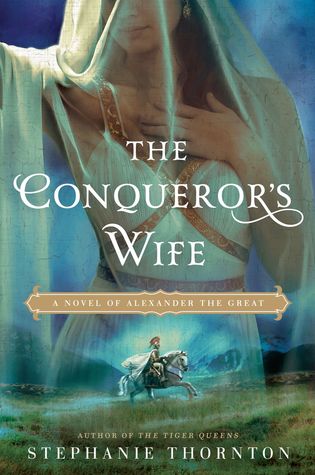
 A historical fiction about Alexander the Great from the viewpoint of the women in his life.
I have mixed feelings about this one. I read it, well devoured it really, in just a few sittings. It falls right into the type of historical fiction that I love: pre-1700’s time period about mythological/royal persons. The Conqueror’s Wife is very readable.
The thing is, and the author wrote this too in her afterword, Alexander’s personal life, outside of his military conquests, generals, and favorite horse, is so shadowy that Thornton could have written this book really however she wanted. I loved that she focused on the females in Alexander’s life because, of all of the people from that time period, they received the least attention from historians. However, I feel that she did some of them, Roxana and Olympias in particular, a great disservice in her interpretation.
Remember, women had no rights at this time. Marriage was either a matter of wealth or position. Love didn’t enter the equation until the medieval troubadour tales of the 1200’s.
After his many, many successes on the battlefield, somewhere very far from home, Alexander takes a wife from among the ‘barbarians’ that he and his friends were working very hard to conquer. All that we know about this woman (Roxana) was written down or remembered by the very people who killed her after Alexander’s untimely demise. Why earth would he have married a woman with no connections or a ‘whore’? He wouldn’t have.
Let’s just take the facts: Alexander dies and then most of his wives are dead soon thereafter. From that, I would say that Roxana is one of the least likely people to have committed either of those crimes because all of her power stemmed from Alexander. I suspect strongly that Alexander’s Companions, the ones who were left after years of campaigning had taken its toll, were the culprits. How easy would it have been for them to spread the rumors about Olympias and Roxana as Dionysian witches and whores to explain to posterity why they were slaughtered. Alexander’s generals had the most to gain, an entire empire, by discrediting these women.
And, if Olympias was the master manipulator that she is portrayed as in this, then why wasn’t she able to protect herself or her grandson after Alexander’s death? I think it is because she had neither the resources nor the ability to do so, which means, that she wasn’t what history recorded her to be at all. She was a victim of the fallout after her son’s death just like Alexander’s wives.
Anyway, if I had been Thornton and written this book, I would have made each and every female character a hero. History is recorded by the victors and the powerful. The women deserved, if not a happy, then at least an honorable ending.
If you enjoyed this book, you may want to read The Red Tent by Anita Diamant or anything by Kate Quinn or Margaret George.
I received this book through the Good Reads First Reads program. Thanks for reading!



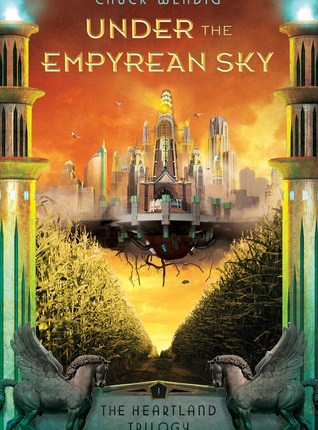
 Under the Empyrean Sky is the story of Cael and his friends, Rigo and Lane. They live in the Heartland, an agrarian world of genetically modified corn where no other crops thrive because of the aggressiveness of the new crop. There is little to no opportunity for education or work because the Empyreans, a separate section of their society that cruises overhead on their giant, flying machines, controls every aspect of their life from the food that they eat to who they can marry. Cael is the head of a scavenger crew who, in the course of their work day, stumbles across a forbidden garden and their lives change course forever.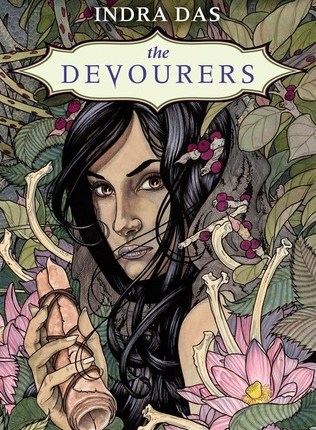
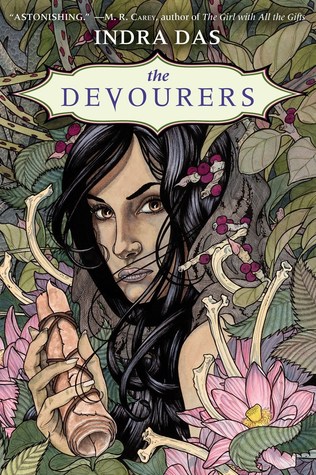 A wholly original shape-shifter tale that also delves into identity, gender roles, and love. Alok is a college professor who is approached one night by a person who claims to be more than a man. Alok doesn’t believe the stranger until an unbelievable vision, caused by the man’s hypnotic words, appears in Alok’s mind. Suddenly, the stranger’s claims that he’s a werewolf don’t seem so far fetched. The stranger, who won’t reveal his name, has a job for Alok, the transcription of an ancient narrative that was written by a shape-shifter, a creature of magic and blood that consumes humans like prey. Through his work on the story, Alok comes to know the stranger and a world that is beyond anything he ever dreamed.
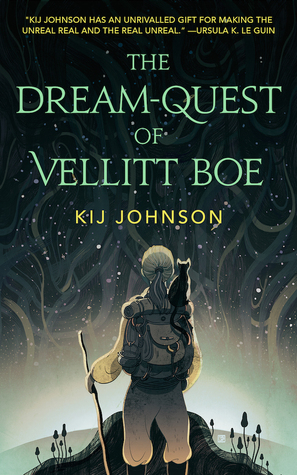 Warning: minor spoilers ahead! Read with caution.
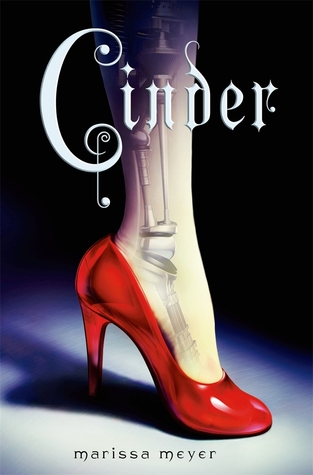 Typical young adult fantasy in that the ‘big twist’ was obvious from the start, but this story still has some charm. Cinder is a cyborg mechanic who wants to go to the ball, but she doesn’t have the time or money to do so. She lives in a world where cyborgs are despised, but tolerated. Humankind is suffering from a plague, one which strikes without warning and leaves the affected dead within days. There’s a draft for cyborgs to be tested upon in order to find a cure for this disease but Cinder is lucky in that her number hasn’t been drawn yet.
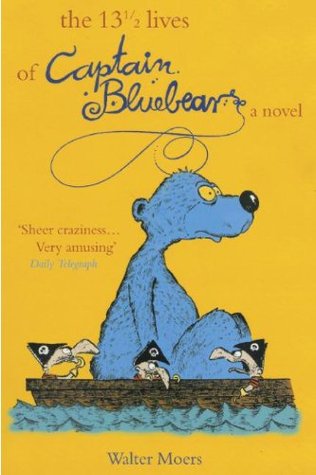 This book was very strange. It reminded me of Charlie and the Great Glass Elevator by Roald Dahl. Moers writes page after page of strange creatures, worlds, and circumstances that are only connected because Bluebear passes through them. And, like in Dahl’s book, I felt like the author was always hinting about a greater truth behind the story, as if The 13 1/2 Lives of Captain Bluebear was more a gigantic allegory than a children’s book. I enjoyed the fantastic nature of it but I didn’t like the long lists of creatures that read more like crazy encyclopedic entries than an actual story with characters.
 Sometimes life kills you before you die. It’s not a death of the body but a slow wearing away of the spirit that you carried from your birth through your childhood until wherever it is that time finds you now. That flickering flame of beliefs and dreams that you somehow knew was a true vision of reality but you had no real reason to believe so, except that inner feeling in your chest that would incline its head in quiet acknowledgment when you consult it. I thought that life had devoured my romantic streak but then this little book of poetry made me cry and I realized that my flame still burns. Some things can never be lost. That’s what this collection made me feel. I suppose all good poetry should make you feel like that.