Creatures of Will and Temper by Molly Tanzer

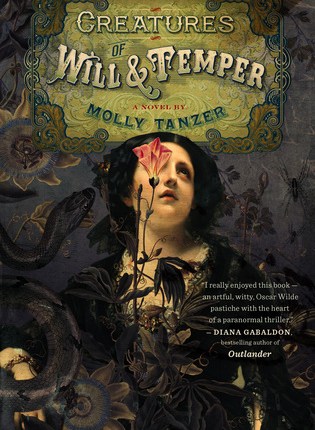
Creatures of Will and Temper by Molly Tanzer

Creatures of Will and Temper is a historical fiction and fantasy novel that takes some of the magic contained in The Portrait of Dorian Gray and mixes it with some demons, and a pair of extraordinary sisters.

“Death is an illusion, just like anything else – like distance, for example, or time, or the separateness of one thing from another. The whole universe is only matter forming and reforming itself, endlessly, beautifully.” pg 6
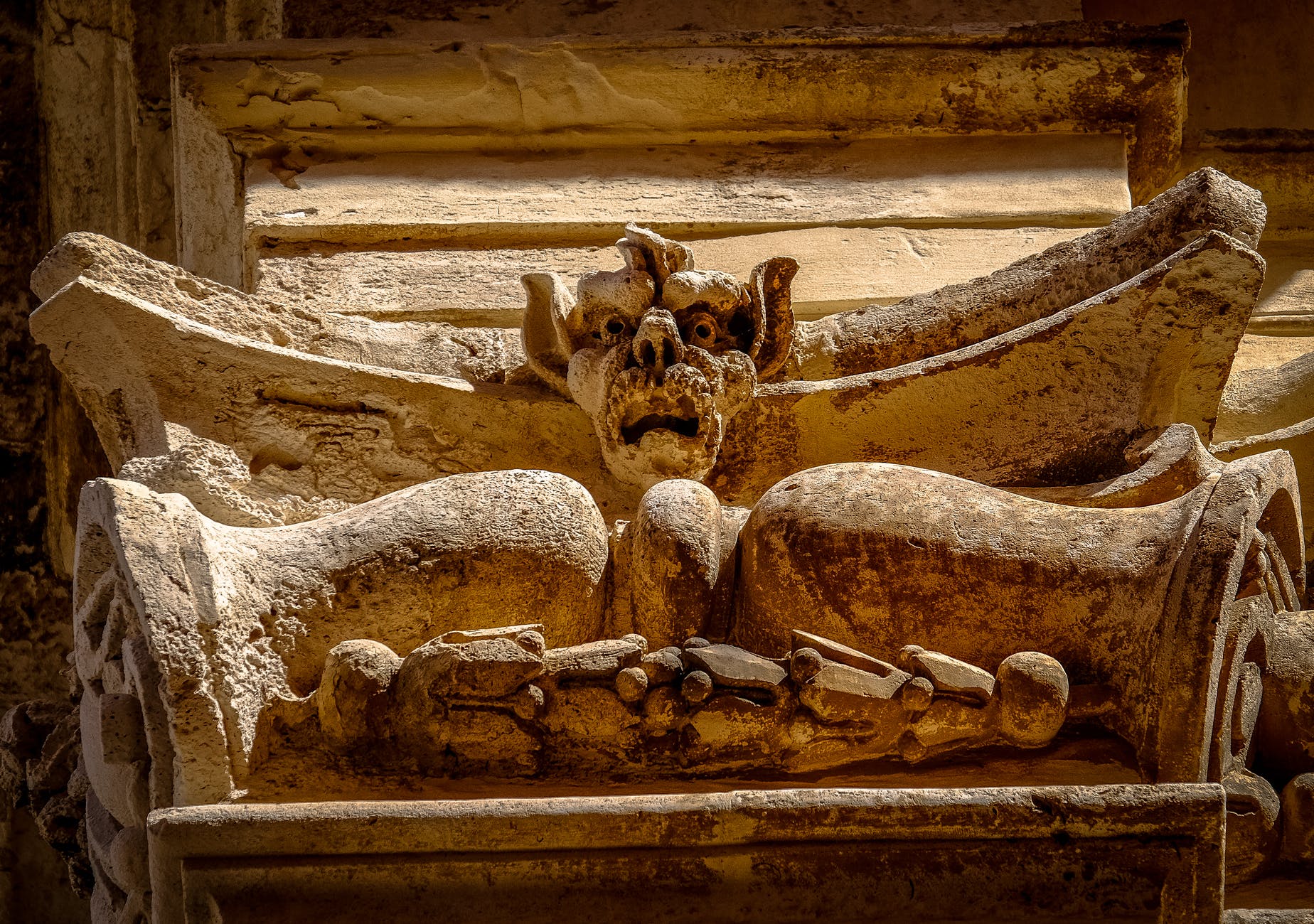
Photo by Francesco Ungaro on Pexels.com

The author, Molly Tanzer, builds layered characters with distinctive personalities who are a pleasure to read about. However, she takes so long doing this, that I nearly put the book down before I hit page 200 and the main story arc took off.

“Never let anyone tell you demons are unnatural things – they are perpetual, like fragile flowers that blossom anew each year, like the majestic pine that never goes brown.” pg 53

Photo by Brett Sayles on Pexels.com

Prior to around page 200, Creatures of Will and Temper reads like a historical fiction with magical realism rather than the fantasy it actually is. The pace was incredibly slow.

But once I was over that two-thirds slump, the rest of the story (another 150 or so pages) was fantastic. I couldn’t put the book down at that point.

“We must give in to beauty, surrender ourselves to pleasure and enjoyment. We must return to hedonism, but we must also make it our own – for we are not sentimentalists, seeking to recreate an emotion time and again. It is our holy duty to create a new hedonism, a philosophy of passionate experience.” pg 170

The strength of this book is in the complex demonic world Tanzer hints at throughout. I wish she had focused on that world instead of this one! What a unique story it would have been.

As it stands, only recommended for readers who can tolerate a glacial pace on the way to a breath-taking ending.

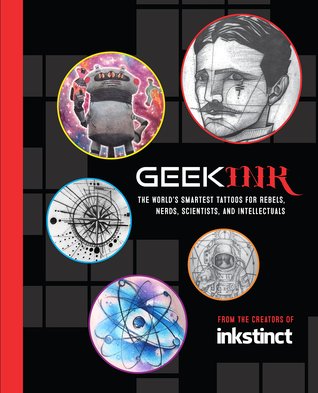
Geek Ink: The World’s Smartest Tattoos for Rebels, Nerds, Scientists, and Intellectuals by Emanuele Pagani

Geek Ink: The World’s Smartest Tattoos for Rebels, Nerds, Scientists, and Intellectuals by Emanuele Pagani

Geek Ink is a fairly representative book of “geek” culture tattoos with brief biographies of some of the tattoo artists.

I have to say though, there were far more Star Wars ideas in here than Star Trek. In that particular showdown, the Trekkies were not representing. I know there are major fans of the Star Trek franchise out there… where are you guys?! Not getting tattoos, I guess.

Photo by Jose Musa on Pexels.com

I was also disappointed in their collection of literary tattoos. Lord of the Rings, Harry Potter and The Little Prince were there, of course. There were a few science fiction themes. But nothing from other beloved classics like Where the Wild Things Are, or poetry, or various mythologies beyond a few generic-looking fairy tale castles.

Are book readers not into tattoos? This one is. 🙂 I was particularly drawn to the hyper-realistic tats of plants and animals.

Photo by cottonbro on Pexels.com

Recommended for people looking for tattoo ideas or who appreciate gorgeous body art. Despite my quibbles, this is a beautiful book created by incredibly talented artists, and which would look great on your coffee table.

Thanks for reading!

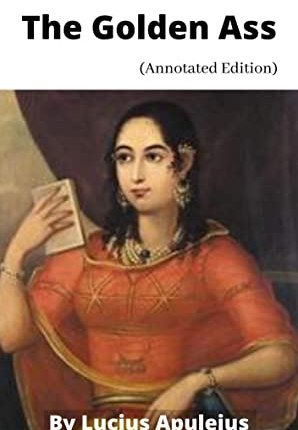
The Golden Ass by Apuleius

The Golden Ass by Apuleius

Lucian longs to experience real magic. When he discovers it, an unfortunate misstep turns him into the title character. In the shape of an ass, Lucian suffers through a series of misadventures.

Photo by Nilina on Pexels.com

I wonder when Apuleius was writing The Golden Ass, if he ever imagined this particular novel would be the only one written in Latin to have made it through his time to ours in its entirety.

Perhaps that’s an unfair question, because how could a writer imagine something like that?

But if he could have somehow foreseen it, I think that he would have written something different than this rambling, depressing, occasionally obscene adventure. Or maybe not. Maybe it summoned up his society nicely.

Photo by Mike Andrei on Pexels.com

Hypothetical ramblings aside, it didn’t make for an enjoyable reading experience.

A very large consideration for readers of The Golden Ass is the quality of the translation and how that may affect your enjoyment of the book. A friend and I read this book in tandem and this particular problem became clear quite quickly.

My edition, borrowed from the library, is a reprint of a translation by William Adlington in “Oxenford, September 1566,” and comes complete with the spelling and idiosyncrasies of his era.

“You perhappes (sic) that are of an obstinate minde (sic) and grosse (sic) eares (sic), mocke (sic) and contemme (sic) those things which are reported for truth, know you not that it is accounted untrue by the depraved opinion of men, which either is rarely seene (sic), seldome (sic) heard, or passeth the capacitie (sic) of mans reason, which if it be more narrowly scanned, you shall not onely (sic) finde (sic) it evident and plaine (sic), but also very easy to be brought to passe.” pgs 14-15, ebook

Photo by Andrea Piacquadio on Pexels.com

I found many passages “passeth the capacitie of” my reason because the nearly five hundred years between Adlington’s translation and this made so much of it nearly unintelligible.

My friend read a modern translation by Penguin Publishing and reported a more positive reading experience. If given a choice between the two, please do pick the more modern version.

“Verily shee (sic) is a Magitian (sic), which hath power to rule the heavens, to bringe (sic) downe (sic) the sky, to beare (sic) up the earth, to turne (sic) the waters into hills and the hills into running waters, to lift up the terrestrial spirits into the aire (sic), and to pull the gods out of the heavens, to extinguish the planets, and to lighten the deepe (sic) darknesse (sic) of hell.” pg 19, ebook

Translation problems aside, I found the bulk of the story to be repetitive and, on the main, depressing. Things get worse and worse for our hero.

Photo by Emmylou on Pexels.com

Yes, there is some measure of relief when we reach the end of our story and explore the mysteries of a cult whose rituals have been forgotten to history. But between the beatings and, as I mentioned, various obscene interludes, the end couldn’t come fast enough. Poor Lucian, “poore” William Adlington, and poor me!

The version I read of The Golden Ass, I recommend only for English majors, classicists or religious scholars. The appeal for modern readers just isn’t there.

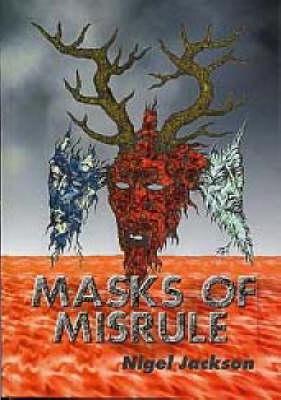
Masks of Misrule: The Horned God and His Cult in Europe by Nigel Jackson

Masks of Misrule: The Horned God and His Cult in Europe by Nigel Jackson

My mind has been going in circles as I’ve pondered, for days, how to review this book. It is a poorly organized and bewildering publication that could be tremendously important for pagans or religious scholars who are looking for information about The Horned God.

“The Knell of Inbetweenness hath been struck,
The Bell of MISRULE soundeth;
Reverberating the Thirteen Angles,
Echoing through the Nine Spheres”

Photo by Luca Paul on Pexels.com

It begins with a foreword by Michael Howard speaking of the scarcity of information about a male god within the existing neo-pagan revival movement. Then, the author, Nigel Jackson, goes into what could almost be called a tirade against established religions and the current neo-pagan movement in a chapter entitled, “In the Sign of the Horns.”

“The old time is passed away and the ‘age between the ages’ is begun: the Aionic Twilight falleth over the world and the day of the cross and the mitre is wholly done with.” pg 11

Honestly, that type of tribalism and fear-mongering is a poor look for any type of spiritual movement. Why immediately alienate readers from other spiritual paths who are coming to your materials with an open mind and a willingness to learn?

Photo by Vladyslav Dushenkovskyi on Pexels.com

Despite his initial hostility, Nigel Jackson quickly turns his attention to what he believes are different aspects of a male pagan god, throughout history, and includes various rituals to invoke this ancient being.

As I mentioned earlier, it is a bewildering hodge-podge of material with only the thinnest of connecting threads between. Newcomers to occult matters or pagan practices may lose their way within the quickly shifting time periods, places, names and associated mythologies.

However, I found information in “Chapter Three: Cycles of the Midnight Hunt” and “Chapter Seven: Wudewasa, the Knowledge of the Green Man” that was completely new to me and interesting.

“It was held that when nocturnal thunder broke over the wildwood and the forked lightning-flash clove the darkness and the night-tempest roared and tossed the boughs, that the wild host of Woodwoses came forth in primal panoply, raging through the hoary oaks and pines, their eldritch voices mingling with the storm’s tumult.” pg 107

Photo by Pixabay on Pexels.com

The printing of Masks of Misrule is a travesty for any lover of books. The font is irregular and fades, seemingly at random, within the text. The cover is ridiculous and does nothing to convey the seriousness with which the author treats his subject.

But if you set all of these concerns aside, some of the mythology contained within this book is entirely original, at least to me, and could be incredibly useful for seekers who are looking for a new movement within paganism that celebrates the male side of nature.

Thanks for reading!

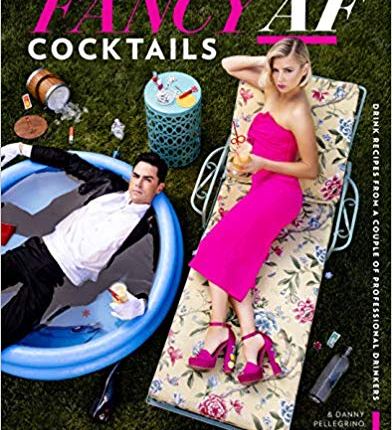
Fancy AF Cocktails: Drink Recipes from a Couple of Professional Drinkers by Ariana Madix, Tom Sandoval, Danny Pellegrino

Fancy AF Cocktails: Drink Recipes from a Couple of Professional Drinkers by Ariana Madix, Tom Sandoval, Danny Pellegrino

I’m not a reality tv watcher. I have no idea what show these two are from, but I’m not going to let that keep me from giving credit where credit is due.

These folks know how to make a seriously fancy cocktail.

Photo by Helena Lopes on Pexels.com

The sections of this book of drink recipes are divided into “classy,” “trashy,” “shots,” and “recovery,” which aren’t all that useful when it comes to drink classifications, but plays right into their reality show vibe.

The index at the back of the book that divides each cocktail by the spirit used in it is far more helpful and appealed to the librarian in me.

Photo by Chris F on Pexels.com

Brief autobiographical stories and recollections from the authors are included on nearly every page.

I imagine readers who have enjoyed the television show the authors feature on may enjoy it more, but I do enjoy a tell-all memoir. Of course it depends on who it’s about, but for some starlets or rock stars, I consider the tell-all memoir to be the book equivalent of mindless reality television.

Photo by freestocks.org on Pexels.com

The photography of Fancy AF Cocktails is a work of art. The authors are, in fact, quite fancy but the real stars of this book show are the drinks. I suggest page 95, “Salty New Yorker,” with its garnish of a caramel chocolate as exhibit one, closely followed by page 59, “Alchemy Rose,” and the hearts etched into its foam as exhibit two.

Highly recommended for readers looking to up their cocktail A-game. Thanks for reading!

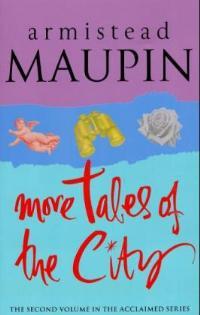
More Tales of the City (Tales of the City, #2) by Armistead Maupin

More Tales of the City (Tales of the City, #2) by Armistead Maupin

“For all her trials, she loved it here in San Francisco, and she loved her makeshift family at Mrs. Madrigal’s comfy old apartment house on Barbary Lane.” pg 11, ebook

All of the characters whom readers loved from the first book (Tales of the City) are back and mixing things up in San Francisco. This soap opera-ish fictional series remains as fast-paced in its second installation as it was from the start.

Photo by Aleksey Kuprikov on Pexels.com

Mary Ann is still working for Halcyon Communications, which is under new leadership, and has to face a new set of challenges. That’s not even mentioning the dark memories she’s trying to forget about a certain former boyfriend, or two.

Michael Tolliver, called Mouse by his friends, is still on the look out for love after a disastrous semi-relationship in the last book.

Mona Ramsey, the free spirit, is about to uncover another major secret about her past. She can add it all of the other ones she’s picked up…

“And she was- she believed- the only one who knew Mrs. Madrigal’s secret. That knowledge, moreover, formed a mystical bond between the two women, an unspoken sisterhood that fed Mona’s soul on the bleakest of days.” pg 18

Photo by Daria Shevtsova on Pexels.com

There’s a pregnancy, romantic cruise, conspiracy, secret club and more in this installment. A must-read for any fan of the series.

“I want it too badly, Mary Ann. Any idiot can see that. When you want it too badly, no one wants you. No one is attracted to that… desperation.” pg 129

One criticism I had for this book, the same I had for the last one, is in the highly unlikely coincidences contained in many of the plot twists. It seems to me that in a city the size of San Francisco, the dozen or so main characters would be more likely to run into other people than each other.

Photo by Daria Shevtsova on Pexels.com

But, like most works of fiction, I suppose it’s fine to suspend your disbelief on some points.

As for the rest of the book, I would describe it as compulsively readable. It’s almost like book candy, you can’t stop at just reading one. I certainly couldn’t.

Photo by Ylanite Koppens on Pexels.com

And, with that, it’s on to the next one…

Meetings with Remarkable Manuscripts by Christopher de Hamel

Meetings with Remarkable Manuscripts by Christopher de Hamel

“A clearly defined medieval book has a unique personality, and part of what we have been doing in our visits to collections has been to engage with manuscripts as individuals and to discover what they can tell us, which can be learned from nowhere else.” pg 569

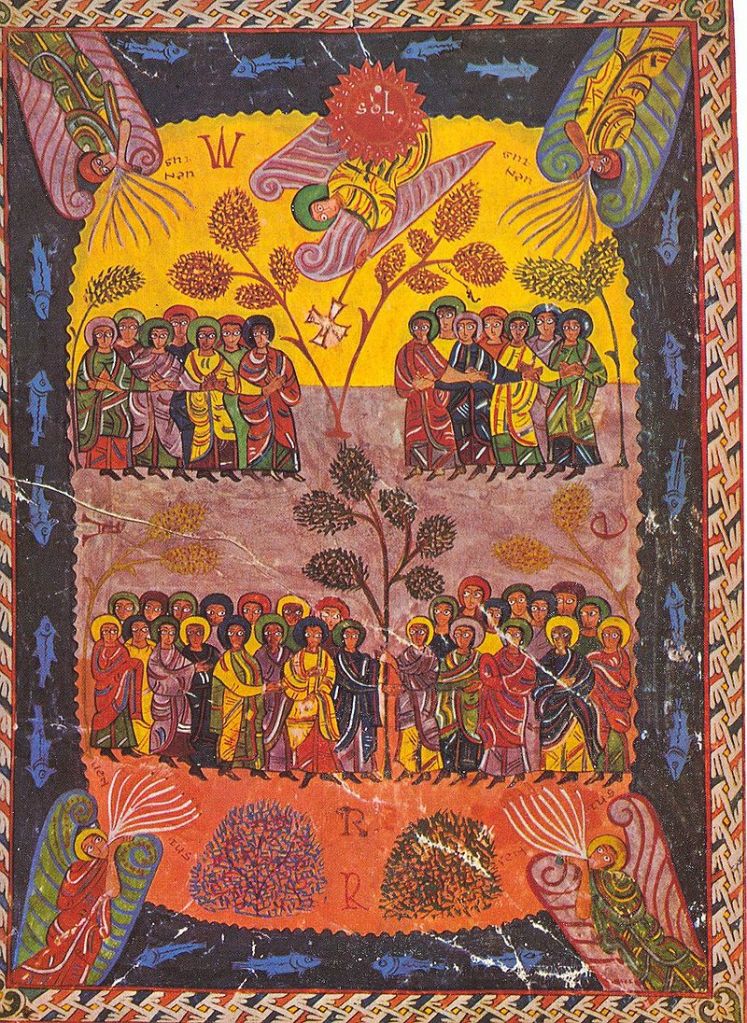
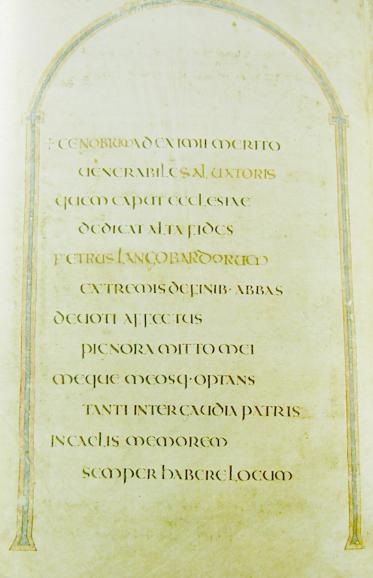
Meetings with Remarkable Manuscripts is more than a scholarly look at medieval manuscripts. It is a book for anyone who appreciates the intersection of art, history, politics, religion, and the rediscovery of forgotten things.

Photo by Wendy van Zyl on Pexels.com

Readers learn about the tremendous amount of materials and effort that went into creating the manuscripts as well as why they were created, and for whom. These details are incredibly revealing.

“The 1,030 leaves of the Codex Amiatinus would have utilized skins of 515 calves or young cattle.” pg 82

Christopher de Hamel attempts to trace the history of the books from their creation to the present. He visits libraries and museums across the world, relating stories of gorgeous buildings and caretakers both cautious and casual.

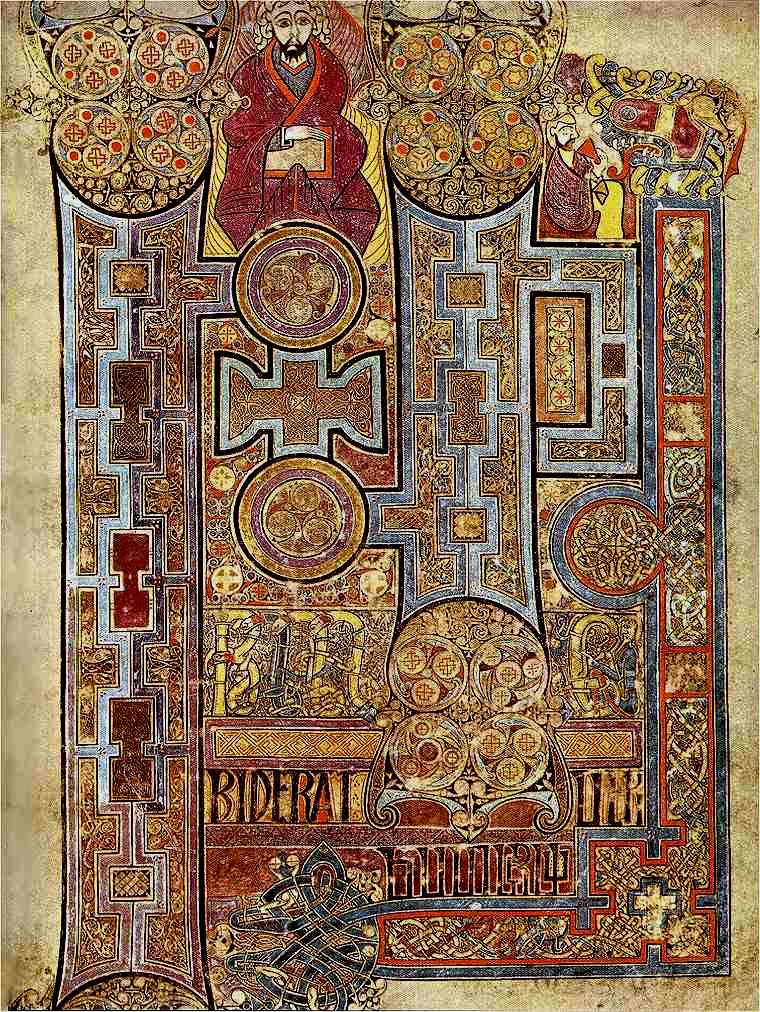
“The Book of Kells is so precious and so immediately recognizable that Bernard explained that it would be inappropriate to allow it into the reading-room.” pg 102

De Hamel has chosen twelve books from different centuries. As the reader progresses through time, the development of binding techniques, art, layout styles and more unfolds before her eyes. It is like viewing a series of snapshots about humanity, revealed through manuscripts.

A majority of the books are about religion, others war, and still others are concerned with the movement of the stars through the sky. Curiously, at least to this modern reader, the books weren’t necessarily created for the purpose of reading.

“Gospel was a work of art. It was a sacred object and a tangible symbol of divinity, enclosed in a cumdach, for sanctifying a church, for carrying in processions, for swearing oaths, and for veneration. … Mere reading was secondary.” pg 128

My favorite part of Meetings with Remarkable Manuscripts is the photo of the cover of each manuscript at the beginning of each chapter and the pictures of the pages scattered throughout the text.

“Those who meet famous people often remark afterwards how unexpectedly small the celebrated personage was in reality.” pg 17

This is a book that celebrates bibliophilia. The author lovingly describes what it feels like to handle the manuscripts, critiquing the art and admiring the meticulous calligraphy. He makes you feel like you were there too.

One small criticism, this is a dense read and though de Hamel does his utmost to make the topic accessible, occasionally it ventures into the niche, though fascinating, world of medieval manuscript scholarship. But he never veers too far from the path.

Highly recommended for book lovers everywhere. If you liked this book, you might also want to try Book of Beasts: The Bestiary in the Medieval World.

And thanks for reading!

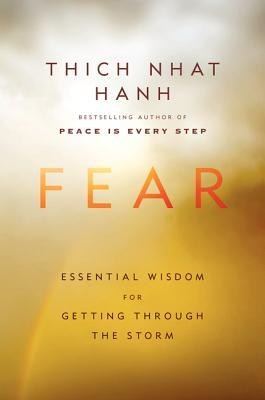
Fear: Essential Wisdom for Getting Through the Storm by Thich Nhat Hanh

Fear: Essential Wisdom for Getting Through the Storm by Thich Nhat Hanh

In Fear: Essential Wisdom for Getting Through the Storm, Thich Nhat Hanh simply and succinctly illuminates the Buddhist path beyond fear into an existence of freedom and joy.

“Nobody can give you fearlessness. Even if the Buddha were sitting right here next to you, he couldn’t give it to you. You have to practice and realize it yourself.” pg 6

Photo by Aleksandar Pasaric on Pexels.com

This book is more than theory, parables and anecdotal stories. Hanh also includes various meditations to assist in the effort.

“When the Buddha was very old, just before he died, he said, ‘My dear friends, my dear disciples, don’t take refuge in anything outside of you. In every one of us there is a very safe island we can go to. … That is a place where you can take refuge whenever you feel fearful, uncertain or confused.'” pg 71

He dissects the various forms fear can take in our lives- from fear of death, grief, anxiety about the future to reconciling with painful emotions from the past.

Photo by David Bartus on Pexels.com

My main takeaway from the book was, to deal with any kind of fear, we need only to approach it with mindfulness and compassion for ourselves and the suffering of others.

“We don’t try to grab on to the pleasant sensation, and we don’t try to push it away. We just acknowledge its existence. When a painful feeling comes, we do the same thing. … A feeling is just a feeling. And you are much more than that feeling.” pg 135

Hanh reminds readers that we are more than the temporary thoughts and feelings that cause so much havoc on their way through our minds and hearts. Our true nature is something else.

My favorite metaphor that Hanh employs to remind readers of this true nature is his comparison of a life to a wave.

“The wave is always water; it doesn’t ‘come from’ water, and it doesn’t go anywhere. It is always water; coming and going are just mental constructions. … Birth and death, coming and going, are just concepts. When we are in touch with our no-birth, no-death nature, we have no fear.” pg 50

Photo by Emiliano Arano on Pexels.com

I appreciated the reminders and found a lot of comfort in these pages. I hope other readers find the same.

Recommended for readers who are interested in learning and utilizing Buddhist philosophy and techniques to overcome any fear or other unpleasant emotion that may be in their lives.

Tales of the City by Armistead Maupin

Tales of the City by Armistead Maupin

Tales of the City is a snappy, humorous and heart-felt look at the intersecting lives of several people living in San Francisco in the 1970’s. As they struggle for love, money and happiness, they establish friendships and create a new kind of family- one of their choosing rather than one they were born into.

“Mary Ann Singleton was twenty-five years old when she saw San Francisco for the first time.” pg 9, ebook

Photo by picjumbo.com on Pexels.com

One of the main characters is Mary Ann from Ohio. She came on a vacation to San Francisco and decided to stay because she loved the people and the general vibe.

But her mid-western upbringing didn’t prepare her for the work and dating scene of San Francisco.

His smile was approaching a leer. Mary Ann chose not to deal with it. “She’s a little strange, but I think she means well.” pg 47

Photo by Lisa Fotios on Pexels.com

On a hunt for the perfect apartment, Mary Ann meets Mrs. Madrigal, the unconventional and slightly mysterious owner of a large place on Barbary Lane.

Once the other residents of the apartment are introduced, the story really takes off. The breakneck pace is probably due to the fact that Tales of the City was originally written as a serial with cliffhanger endings each week to bring readers back to the publication.

It works incredibly well in a novel format. The chapters are short and punchy. Although most of the tension of the story is created through the dialogue rather than action, it is gripping stuff.

In some ways, this book is rather like life. Everybody is mixing together, trying to find their own way and lifestyle that feels right to them.

From day to day, it doesn’t seem like much happens. But taken altogether, it encompasses the growing pains accumulated through weeks, months and years of a lifetime.

Photo by Elly Fairytale on Pexels.com

“No wonder you’re miserable. You sit around on your butt all day expecting life to be one great Hallmark card. … You’ve got to make things work for you, Mary Ann.” pg 111

Recommended for readers who enjoy their fiction with a big helping of soul-searching and humor, delivered at the speed of life.

This book has been made into a show at least twice now. Both versions can be viewed on Netflix.

Thanks for reading!