The Optimistic Workplace is a complex but useful manual on how to shift the environment at work. Shawn Murphy talks about all aspects of business from the individual to management to all the levels in-between. There weren’t many surprises in these pages, but the advice was solid.
I knew that leadership was important to the overall vibe in the work space and Murphy does say that it’s important: “…your leadership style impacts climate by up to 70 percent. Think about that 70 percent. It’s mostly how you show up and interact with others that shapes the climate that influences your team’s performance.” pg 9 But, it isn’t the only thing that matters.

There are also ways in which the individual can change the work space. It all starts with greater self knowledge: “Workplace optimism thrives when people understand why they show up to work. Not only is the purpose and meaning of work important, but so, too, are the personal implications. … Personal expression through work is a major contributor to your employees’ well-being. Doing work that matters facilitates the expression of one’s talents.” pg 19 Makes sense. Know thyself does seem to be the foundation of most major life-changing movements.
“..the benefit to positively shaping the climate for your team is getting to know yourself better and discovering how to fulfill your own potential. You position yourself to love your work. In doing so, you set the tone and lead the way to help your employees realize their own potential and find greater meaning in their work and life.” pg 48 Sort of a trickle-down effect of optimistic workplace awesomeness.

Of all of the myriad of studies included in this book, my favorite was the study of “ikigai” : “Your health is linked to a sense of purpose in life, or, as the Japanese all it, ikigai. … A 2008 study in Japan by Toshimasa Sone and his colleagues sought to understand how, if at all, ikigai contributed to longevity in life. … Mortality risks were higher in those who did not have a sense of being and of joy. Those lacking clarity in intentional living had a higher incidence of cardiovascular disease and other life-threatening illnesses.” pg 89 Purpose or death.
The only critical thing I have to say about The Optimistic Workplace is that it’s so broad. Towards the end, I despaired of ever having the time to implement all of the changes suggested, even though they seem like good ones. My boss suggested that I take my favorites and start there. I think I will.
Recommended for those who have plenty of time for reflection and transformative meetings- I think that this book has huge potential. I just wonder how many businesses would be able to take the time and actually work their way through it. Some further reading: Mastering Civility: A Manifesto for the Workplace, The Happiness Advantage: The Seven Principles of Positive Psychology That Fuel Success and Performance at Work, and Work Rules!: Insights from Inside Google That Will Transform How You Live and Lead.
Thanks for reading!
- Steve Cox and Matthew Walker’s Shaun the Sheep: The Beast of Mossy Bottom, a review
- Christopher Nolan’s The Odyssey, a review
- Edward Berger’s The Ballad of a Small Player, a review
- Otherwhere: A Field Guide to Nonphysical Reality for the Out-Of-Body Traveler by Kurt Leland
- Psychic Dreamwalking: Explorations at the Edge of Self by Michelle Belanger




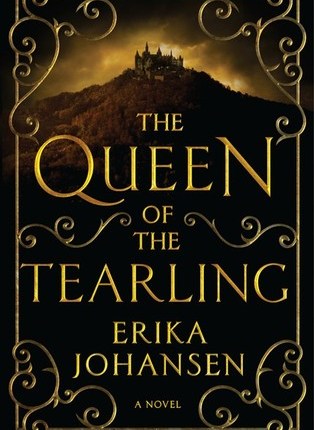
 ****Spoilers abound in this review. Please do not read if you haven’t read the book yet.****

 The Girl of Fire and Thorns takes navel gazing to a whole new level… but seriously. In this world, once in a hundred years, one person is chosen by God to do something (the main character is never quite sure what this is) and her position as the chosen one is indicated by a large jewel that mystically implants itself in the person’s belly button. To be fair, I was never really able to get over the silliness of this main premise to truly appreciate the story. The whole Godstone thing was too funny to me. It reminded me of Dark Helmet’s ring in Spaceballs, a religious artifact that inspires fear and reverence but was also patently ridiculous.

 The Nameless City graphic novels are excellent for kids aged 10 to 14. The Stone Heart like