How to Be Happy, Dammit: A Cynic’s Guide to Spiritual Happiness by Karen Salmansohn

How to Be Happy, Dammit: A Cynic’s Guide to Spiritual Happiness by Karen Salmansohn

How to Be Happy, Dammit is a succinct, brightly colored treatise on enlightenment. Coming in around 230 pages with only a few words per page, this is a book that can be read over the course of a lunch hour or *ahem* during other short breaks in your life on a porcelain throne.

Photo by Andre Furtado on Pexels.com

It doesn’t use an abundance of coarse language (see title), but it does utilize a few words to get the point across.

The book is broken down into short life lessons that feed into the next. “Life Lesson 1: Pain exists. Life can hurt. Like a lot. Even when you’re good, you can get whacked. Without apology. Without explanation.” pgs 14-15.

That’s the life lesson about being born. Can’t really argue with that.

My child was born wailing before she was even entirely out. I was wailing too, for different reasons of course, but life can hurt. No doubt.

I found meaning in “Life Lesson 6: Never go shopping for kiwis in a shoe store. Some people just don’t have what you need. So why waste time, banging on their doors, ringing their bells, demanding service?” pgs 38-39.

Photo by PhotoMIX Company on Pexels.com

I think I’m still learning that one.

“Life Lesson 19: This is a world of duality: of good and bad, yin and yang, decaffeinated and caffeinated. So you must always be prepared!” pg 112. Decaffeinated? Poor souls…

In the chapter on self-programming, we get this wisdom: Life Lesson 27: The world is your mirror.” pg 174.

Photo by Mauru00edcio Mascaro on Pexels.com

I don’t think folks realize that either.

Recommended for people who are interested in spirituality, but don’t necessarily have a lot of time or patience for more touchy-feely books. How to Be Happy, Dammit delivers on its title. Now let’s all go be happy. Dammit. 🙂

Thanks for reading!

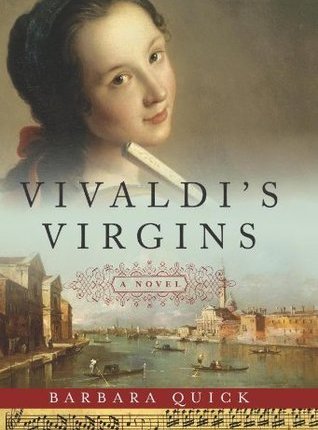
Vivaldi’s Virgins by Barbara Quick

Vivaldi’s Virgins by Barbara Quick
vivaldi

Vivaldi’s Virgins is a sparkling historical fiction about Anna Maria dal Violin, one of the orphans trained to perform music for the well-fare of the souls of Venice in the 1700’s.

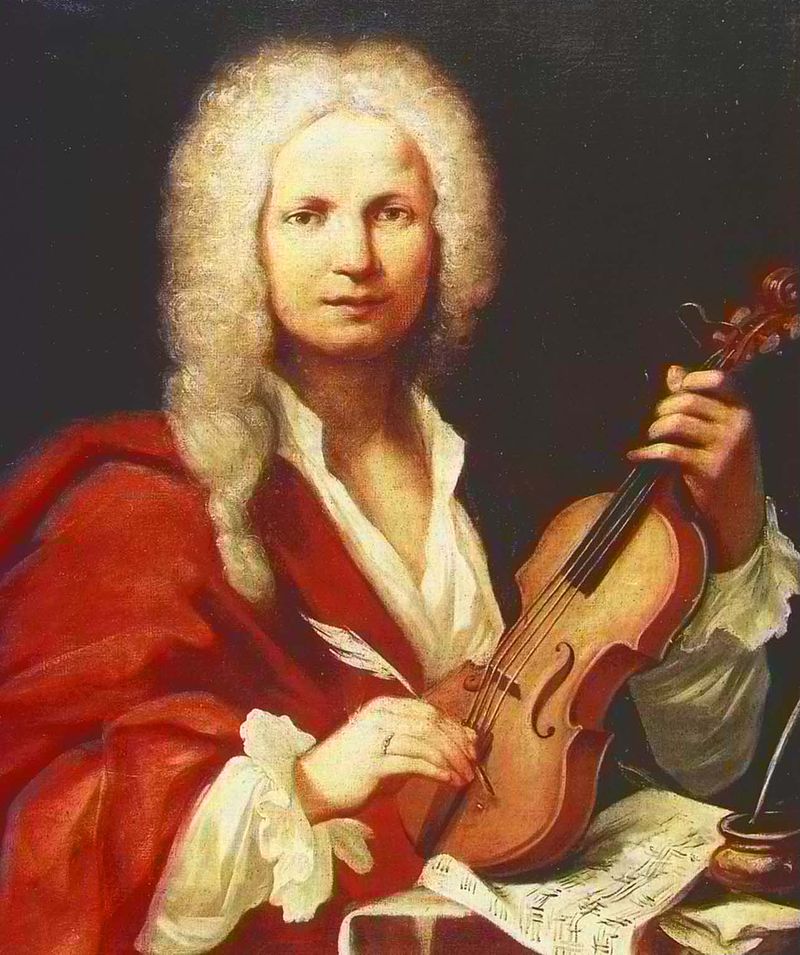
One of her instructors is Antonio Vivaldi, who is called “The Red Priest” because of his fiery hair: “I heard and then watched Maestro Vivaldi climb the stairs. He has been my teacher- and one of the very few men who has ever seen my face or spoken to me- for nearly half of my lifetime. I was only a girl of eight when, newly ordained as a priest, Antonio Vivaldi, native son of Venezia, was hired by the governors of the Pieta to be our master of the violin.” pg 2

Only girls are allowed to perform music in the Pieta. They are kept separate from the general population and all men, except for the priests who are their instructors, to maintain their purity. “Our lives are arranged so that every piece of every day and night is fit together into an intricate mosaic of music and study and prayer. But it is only a counterfeit of real life. We have no more reality in the world than the trompe l’oeil floor tiles of the church have depth or height.” pg 85

There is drama among the children through their interactions and competition with each other and some of their instructors, who are either nuns or priests. “Whoever says that girls are kind has never lived among them.” pg 13.

Anna longs to know who her family was, but that is a secret kept by the nuns who watch over the children. She spends much of her time trying to figure out how to learn more about who her family may be.

Anna also strains against the restrictions placed on her because of her gender in the 1700’s. The government only allows the female musicians from the Pieta to perform in public if they remain in the cloister. If they choose to marry, they have to sign a contract to promise not to perform or pay an exorbitant amount of money to the orphanage to pay for their childhood musical education. “It is one of the great injustices of this fair city. And it has made me dream sometimes of other cities- of London and Paris and Vienna, where, I’ve heard, female instrumentalists have actually been welcomed, from time to time, on the performance stage.” pgs 145-146.

A probable portrait of Vivaldi

During these struggles, Anna forms true friendships with other foundlings in the Pieta. “When I think of who my companions will be in Hell, I feel rather glad that I will be going there. It will be filled with those I most well and truly loved.” pg 150

I learned a lot about 18th century Venice in this book and Vivaldi. All that I knew about Vivaldi, before reading this book, was that he liked to use a bunch of stringed instruments in his compositions.

It makes so much more sense when I discovered who it was he had been composing for.

Recommended for those who enjoy historical fiction, books about composers or stories about troubled childhoods.

Thanks for reading!

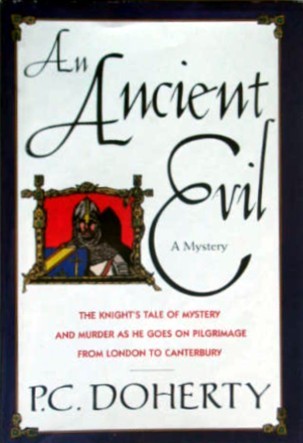
An Ancient Evil (Stories told on Pilgrimage from London to Canterbury, #1) by Paul Doherty

An Ancient Evil (Stories told on Pilgrimage from London to Canterbury, #1) by Paul Doherty
anancientmystery

An Ancient Evil is a charming historical fiction based loosely on the premise of The Canterbury Tales.

In the introduction, a knight tells a story to a group of pilgrims on their way to Canterbury. “My tale begins hundreds of years ago, just after the great Conqueror came here. So, gentles all, your attention as I describe these horrors sprung from the very pit of Hell.” pg 6.

In the story within the story, a menacing prologue introduces the reader to Sir Hugo, who buries alive the leader of a group of evil magic doers and burns the rest of his order. The evil leader who is buried alive doesn’t seem that upset about the whole thing. Which is weird.

Fast forward a couple hundred years into the future.

Sir Godfrey and a clerk, Alexander, are tasked by the king of England to discover the truth behind a series of mysterious and grisly murders in Oxford.

They are assisted in their task by Dame Edith, a blind anchorite who is known for her exorcism talents. ‘Sir Godfrey, whoever the killers are, we are about to enter the Valley of Death, but,’ Alexander couldn’t resist gentle banter, ‘we have your sword, my brains and the prayers of Dame Edith.’ ‘I think we might need more than that.’ pg 64.

I enjoyed this medieval, just a bit too bloody to be called “cozy”, mystery.

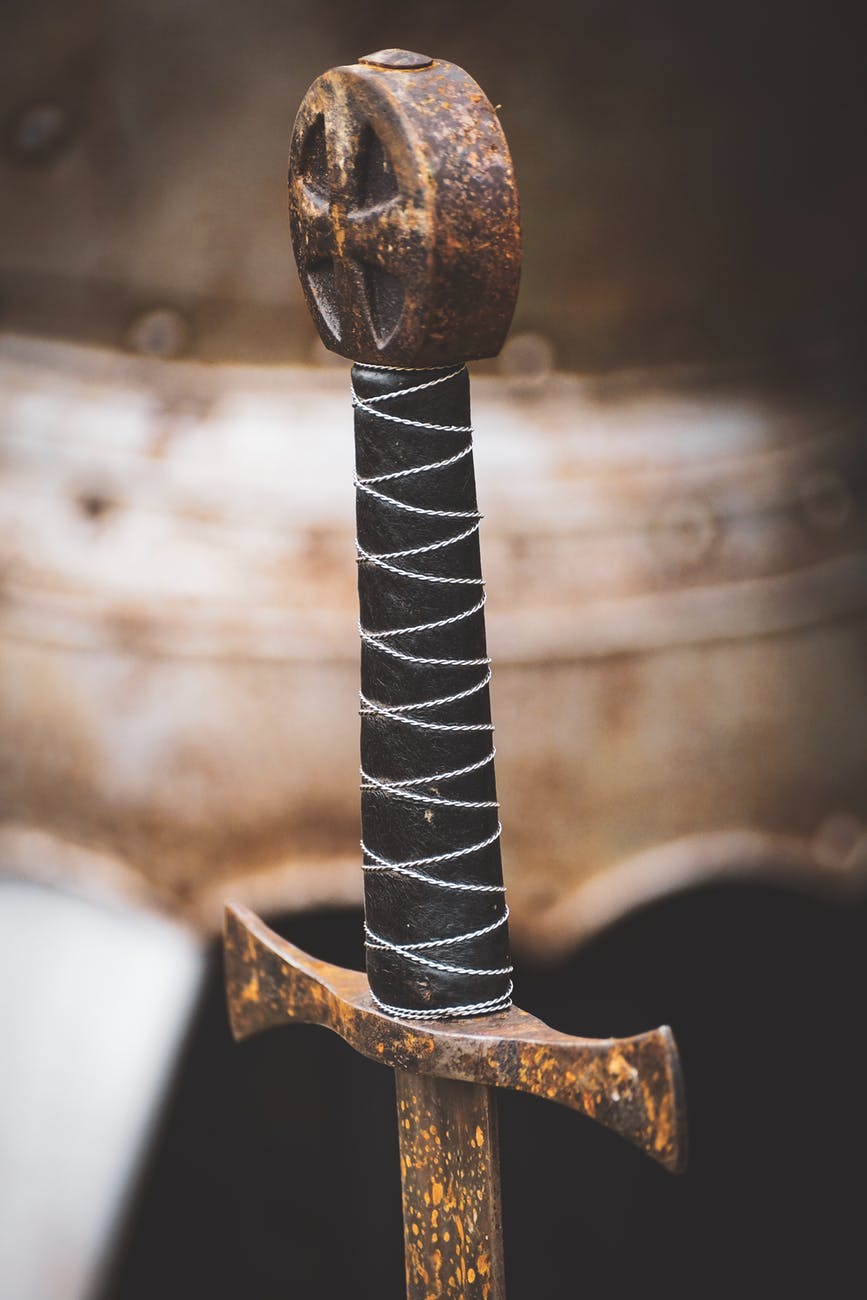
Photo by Susanne Jutzeler on Pexels.com

The characters are layered. The author drops enough hints to lead the reader towards the bad guy without giving the game away.

It reads a bit like a Nicholas Cage movie. We’ve got a battle between good and evil with some paranormal stuff and swords thrown in.

“Dame Edith tapped the side of her head. ‘Sir Godfrey, you are a soldier. You, of all people, should realize that a man is what he thinks he is. What causes one man to be a coward and another to be a hero? After all, they may be the same flesh and blood. They may even be brothers from the same womb. It’s what they think.” pg 170.

I also enjoyed the details about medieval life that are sprinkled throughout.

Recommended for readers who enjoyed The Thief Taker by C.S. Quinn or Mistress of the Art of Death by Ariana Franklin.

Thanks for reading!

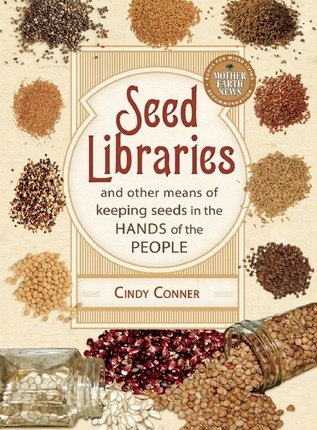
Seed Libraries: And Other Means of Keeping Seeds in the Hands of the People by Cindy Conner

Seed Libraries: And Other Means of Keeping Seeds in the Hands of the People by Cindy Conner
seed libraries

Seed Libraries gives readers the tools and know-how to set up their own seed distributing communities. The community could be through a public library, informal seed swap, or other location.

Cindy goes into enough detail about the specifics so that first timers or inexperienced gardeners can get an overview of what will be required, but not so much information so that the reader feels overwhelmed.

Even though I knew a bit about seed because I have an uncle who has owned his own seed company since the early 80’s, I found this book useful and informative.

Through his experience, I learned how seed producing mega-companies introduced hybrids into the supply that will only grow one season. This hurt the smaller, local seed companies (like my uncle’s) that processed seed for the farmers who grew it and then used it to plant the next crop.

He was forced to expand his company away from seed processing, which was once a major part of his enterprise, in order to stay in business.

Photo by Viktor Smith on Pexels.com

The farmers, who only purchased seed every couple of years and grew out their own plants to save money, were forced to buy seed every year. It was a huge shift in how planting and seeds were handled.

It also changed who controlled the food supply.

If there is a way that I can help get seed back into the hands of local people, I’m all for it.

The afterword to this book discusses a legal challenge presented by the state of Pennsylvania to a public library that wanted to start a seed library there. I was wondering what Illinois has to say about seed libraries.

Maybe I should look into it.

I’m very excited about the possibilities that Seed Libraries and Other Means of Keeping Seeds in the Hands of the People has sown in my mind. If you’re interested in starting one of these in your town, this text is definitely required reading.

I received a free copy of this book through Goodreads First Reads. FTC guidelines: check!

Thanks for reading.

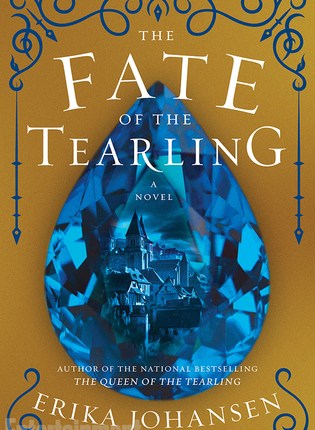
The Fate of the Tearling (The Queen of the Tearling, #3) by Erika Johansen

The Fate of the Tearling (The Queen of the Tearling, #3) by Erika Johansen

The Fate of the Tearling ties up the series nicely. All questions of the founding of Tearling, the shadow and Mort are answered.

And we also learn all of the secrets of the Fetch. Finally! “For three long centuries… William Tear’s dream sunk further and further into the mire. No one in the Tearling could even see Tear’s better world any longer, let alone muster the courage to dig for it.”pg 6, ebook.

The path isn’t easy. Kelsea questions herself every step of the way. “Maybe we aren’t capable of being satisfied, Kelsea thought, and the idea seemed to open a chasm inside her. Maybe utopia is beyond us.” pg 90, ebook.

But she is determined to see things through to the end: “We can’t simply stay here, hiding, while the kingdom burns. What sort of queen would I be?” pg 273.

Though Erika Johansen writes a thorough ending, I found myself dissatisfied with it. Read it and let me know what you think. I’m still thinking about it, even though I finished this book last week.

Photo by Pixabay on Pexels.com

From a lackluster start, I think The Queen of the Tearling series turned out to be fairly enjoyable. I would classify it as adult because of some of the themes, imagery and language.

It uses fantasy to examine the human condition, society and what happens to communes after a charismatic leader dies.

I think Kelsea is one of the strongest female characters I’ve read. Bravery-wise, she fits right in with Katniss Everdeen. She doesn’t quit and isn’t afraid to admit when she’s wrong.

Throughout the series, we see her grow from uncertain child to warrior queen. Bookish and introverted, Kelsea may appeal to those who wish they could be something more than they currently are.

Recommended for readers who are willing to invest some time in a series to enjoy it and for fans of fantasy/dystopian worlds. The Queen of the Tearling grew on me. It has heart.

Thanks for reading!

See my review of the first book here: The Queen of the Tearling (The Queen of the Tearling, #1) by Erika Johansen

Second book here: The Invasion of the Tearling (The Queen of the Tearling, #2) by Erika Johansen

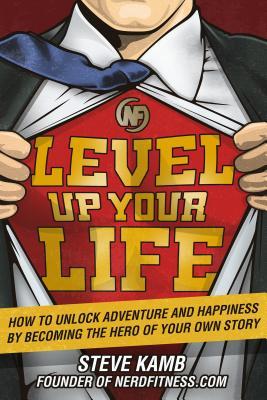
Level Up Your Life: How to Unlock Adventure and Happiness by Becoming the Hero of Your Own Story by Steve Kamb

Level Up Your Life: How to Unlock Adventure and Happiness by Becoming the Hero of Your Own Story by Steve Kamb
levelup

Steve Kamb, the creator of nerdfitness.com, offers behavioral games and community support to assist readers in becoming their best self. It’s the self help genre meets gamification.

Steve was addicted to video games, miserable at his job and disappointed with life. “I still love those games and movies and enjoy the entertainment they provide. They’re a part of who I am as a person. The problem was that they had become a way to avoid the unhappiness in my real life while also allowing me to continue doing nothing about it.” pg xi

The game that had him hopelessly hooked was EverQuest. “What had begun as a fun way to blow off some steam after school or work quickly became an addiction.” pg 5.

So, Steve took what he loved best about the game- the levels, the endless quests, the secrets- and created an online community in which the members support each other to become the best whatever-it-is you want to be through just those things.

Photo by RODNAE Productions on Pexels.com

Essentially, Steve takes the hero’s journey, as described by Joseph Campbell, and crafts a way to implement that into your life through your own preferences. “Life is meant to be lived on your own terms.” pg 23

I picked this up because I recently read a behavioral game book and I wanted to see what the theory would look like in action. Steve has done a solid job making his game completely customizable.

He provides examples between the chapters of people who have used his game to “level up” their lives. The results are impressive.

“The truth is that most people fear change. They, themselves, might want to change but don’t want to put forth the effort and energy to make it happen.”pg 57.

With Level Up Your Life, Steve gives readers the tools to make their lives into a game of their choosing. Recommended for gamers and the young at heart.

Thanks for reading!

Walking Wisdom: Three Generations, Two Dogs, and the Search for a Happy Life by Gotham Chopra

Walking Wisdom: Three Generations, Two Dogs, and the Search for a Happy Life by Gotham Chopra

Gotham Chopra, the son of Deepak Chopra, shares what he has learned through the ownership of his crazy dog, Cleo, and becoming a father for the first time. He also deepens his relationship with his own father when his mother has to spend an extended time away in India.

It’s a hodgepodge of a book with the themes differing from chapter to chapter. I generally enjoyed it but felt like it was a bit scattered.

Photo by Spoortesh Honey on Pexels.com

I remembered Gotham from all of the Channel One news I watched during junior high and high school. I thought it was a waste of time (even then, I would have rather been reading), but I remembered him.

A few years ago, I watched the documentary he made about when his father joined a monastery- he mentions this at the end of Walking Wisdom. I was intrigued by the dynamic between them in the documentary.

Gotham seemed to focus on his father’s foibles, like his addiction to his phone and his frequent trips to Starbucks. I thought those parts were unfair, but the window into his strange, spiritual/rock star world was one I couldn’t forget.

Photo by Maksim Goncharenok on Pexels.com

My favorite parts of this book were similar to that documentary. I loved learning about Gotham and Deepak’s close friendship with Michael Jackson. The best part was when Gotham brought his pup, Cleo, to meet the mega-star. It’s very surreal.

I also liked learning about how Deepak’s family handles his active mind and constant spiritual seeking. Gotham describes being his father’s “guinea pig” for different experiments from meditation to yoga to spoon-bending.

Gotham’s non-traditional upbringing gave him a quirky lens through which he views the world. It also has made him a master meditator.

Recommended for dog lovers and those curious about what goes on behind the scenes of Deepak Chopra’s life. If you can’t stand books that skip from one topic to another, you may want to choose a different read.

Thanks for reading!