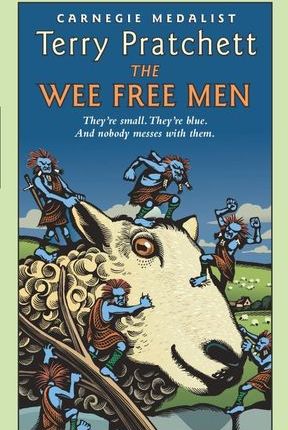
The Wee Free Men (Discworld, #30; Tiffany Aching, #1) by Terry Pratchett

The Wee Free Men (Discworld, #30; Tiffany Aching, #1) by Terry Pratchett

“Tiffany Aching was lying on her stomach by the river, tickling trout. She liked to hear them laugh. It came up in bubbles.” pg 5, ebook.

Photo by Ian Turnell on Pexels.com

With those three sentences, Terry Pratchett introduces readers to one of the most beloved characters from his Discworld series, Tiffany Aching.

Young Tiffany lives in sheep raising country, where chalk from an ancient sea lies beneath the ground. When an otherworldly creature bursts out of a creek and tries to pull her and her little brother Wentworth beneath its waters, Tiffany fights back.

It is the beginning of a life or death struggle with monsters from worlds beyond Discworld, though Tiffany does not know it at the time.

But luckily for her, there are allies who will join her in this fight- the Wee Free Men.

“In the reeds, quite low down, small voices whispered: “Crivens, Wee Bobby, did yer no’ see that?” “Aye, we’d better offski an’ tell the Big Man we’ve found the hag.” pg 10

Photo by Alina Blumberg on Pexels.com

Pratchett weaves this coming of age story with humor and magic. He utilizes the best themes of the Witches Discworld subseries to do so.

Tiffany discovers headology, the importance of belief and appearances, and her own mysterious connection to a witch legacy that was hiding in plain sight in the hills.

The pacing of the tale is quick, racing from one danger to the next, and perfect for young adults or reluctant readers who enjoy fantasy.

In addition, Pratchett uses a real life painting in the story which adds another layer of ‘fairy magic’ to the telling. The artwork is “The Fairy Feller’s Master-Stroke” by Richard Dadd and you can see it here: https://bit.ly/3tW58bb

Detail of “The Fairy Feller’s Master-Stroke”

The surreal painting captures the unsettling feel of the creatures and worlds Pratchett so deftly describes. It is also whimsical, but hints at the danger lurking in the shadows.

For the past few weeks, I have been doing a read-through of the Discworld Witches series and really disliked the last one, Maskerade. I felt like the witches’ character flaws were beginning to dominate the story, which was draining its humor and heart away.

The Wee Free Men brings magic and heart back into the equation. In Tiffany, readers discover a brave young girl who wants to do the right thing but doesn’t have any one to show her the way. We know her mentors will show up eventually, but until then, she and the wee free men need to figure things out on their own.

And how they do that is a very good story. Highly recommended.

Thanks for reading!

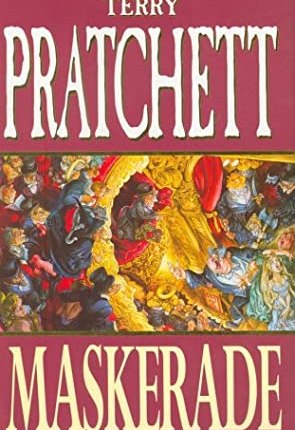
Maskerade (Discworld, #18; Witches #5) by Terry Pratchett

Maskerade (Discworld, #18; Witches #5) by Terry Pratchett

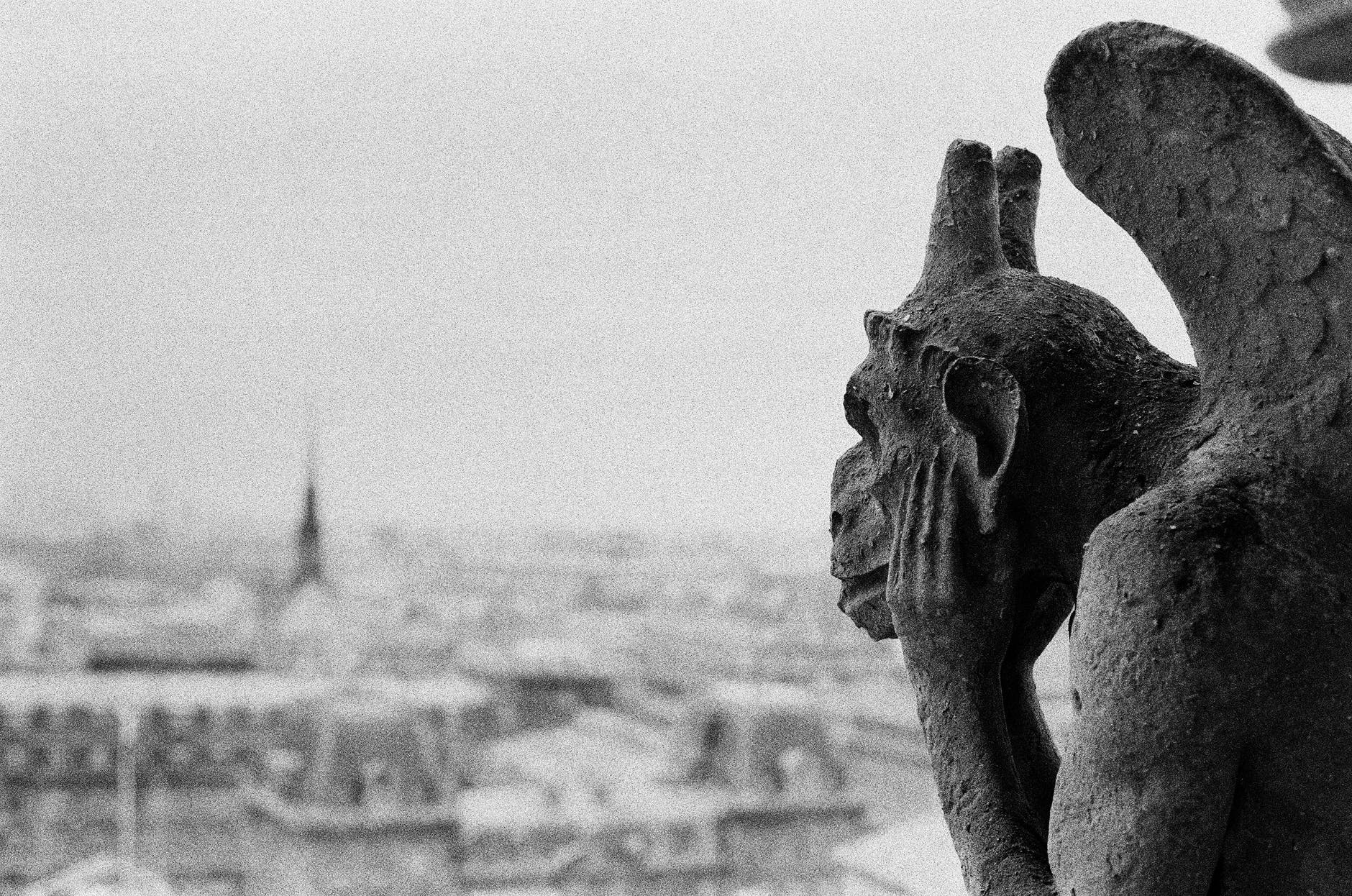
“The huge, be-columned, gargoyle-haunted face of Ankh-Morpork’s Opera House was there, in front of Agnes Nitt. She stopped. At least, most of Agnes stopped. There was a lot of Agnes.” pg 9, ebook.

Photo by Jean Pierre on Pexels.com

The usually charming wit of Terry Pratchett falls flat in this entry of The Witches, a sub-series of Discworld.

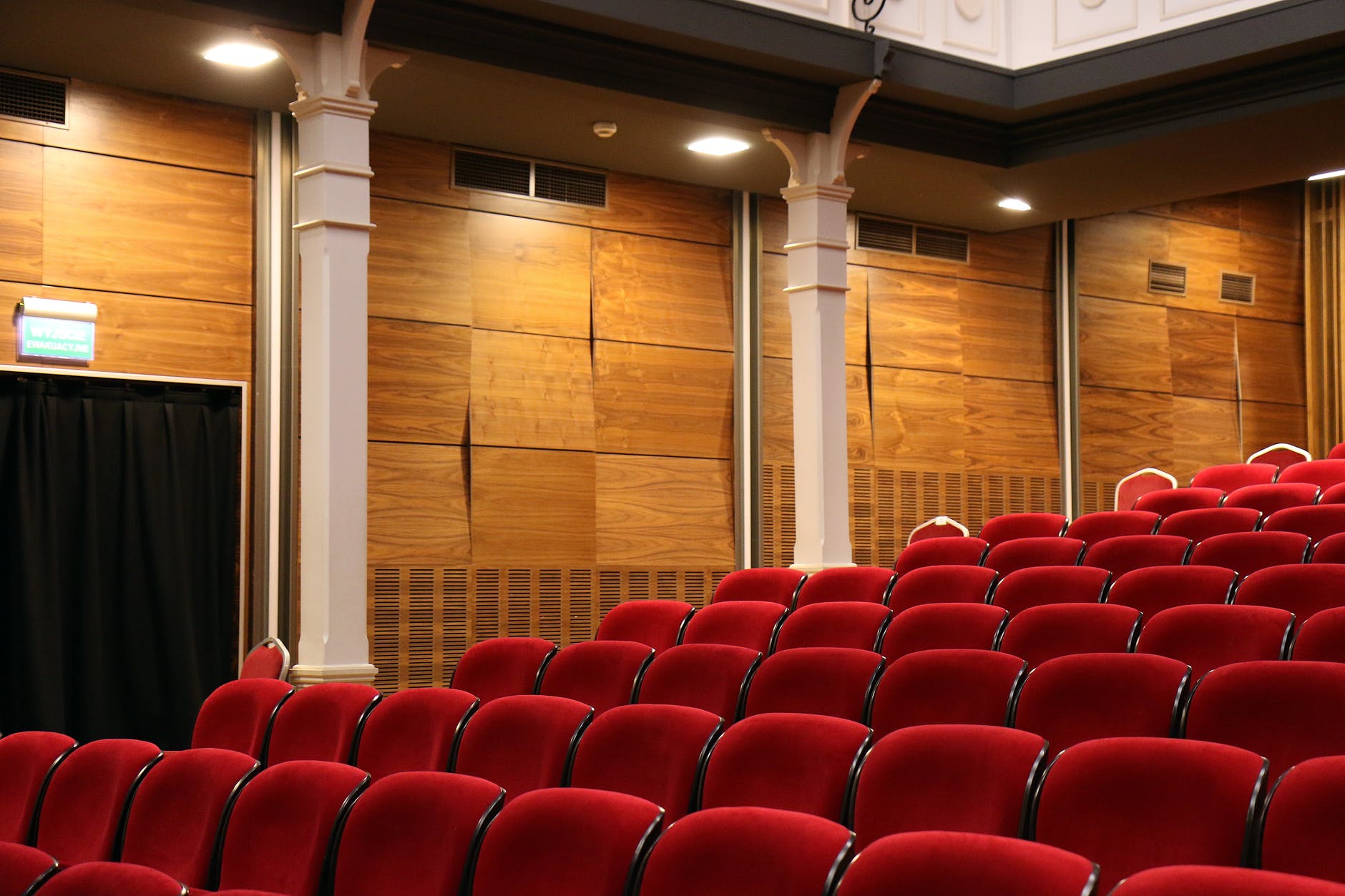
Having already lampooned the general idea of ‘theater’ in Wyrd Sisters, Pratchett takes a crack at ‘musical theater’, specifically The Phantom of the Opera. Besides the addition of the witches to the mix, the main gag is that Agnes Nitt is fat.

It’s not a story that has aged well.

“Agnes was, Nanny considered, quite good-looking in an expansive kind of way; she was a fine figure of typical young Lancre womanhood. This meant she was approximately two womanhoods from anywhere else.” pg 21

Agnes is not the only person in the story with weight concerns, the other being one of the lead singers in the opera, a male. But Agnes, despite her obvious talents, is forced to sing in the chorus, providing the voice for a willowy female who looks the part.

Photo by Pixabay on Pexels.com

All of this is just a backdrop for the larger story which is basically that Granny Weatherwax is bored and Nanny Ogg is afraid if they don’t find another member for their coven, then Granny will turn to the dark side.

Which no one wants, obviously. Because Granny Weatherwax is one of the greatest of her age in headology and general witchy works, which vary greatly depending upon the circumstances.

And it brings the readers back around to the concern that I addressed in earlier books about Magrat (the witch they’re looking to replace) being bullied by the other older witches in the coven. In Maskerade, they’re just looking for a new punching bag.

Photo by cottonbro on Pexels.com

The one bright spot in the story was Greebo, slinking around in his predatory human form. I love how he talks to people, elongating his R’s and adopting a general attitude of slightly aggressive insouciance, something which I imagine cats would do, if forced to speak English.

But beyond that, for whatever reason, this entry in the series didn’t hit the spot for me.

Here’s hoping the next is better.

Thanks for reading!

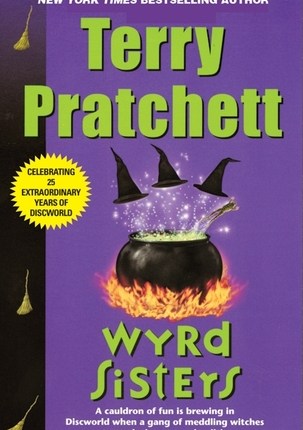
Wyrd Sisters (Discworld, #6; Witches #2) by Terry Pratchett

Wyrd Sisters (Discworld, #6; Witches #2) by Terry Pratchett

Granny Weatherwax, Nanny Ogg, and Magrat are not witches who meddle in the affairs of a kingdom- there’s rules against that, after all. But then one stormy night, when they’re having a simple coven meeting, a desperate and pursued royal courier hands Granny a baby.

Now, some of the rules might have to be broken.

Photo by Thirdman on Pexels.com

“The child gurgled in its sleep. Granny Weatherwax didn’t hold with looking at the future, but now she could feel the future looking at her. She didn’t like its expression at all.” pg 13

I first read Wyrd Sisters in April 2014 as part of a general read-through of the Discworld series (which I didn’t finish, but that is neither here nor there.) Now, I’m going back and reading the Witches series on its own which sits comfortably within the larger collection.

They’re quite good, of course.

“As the cauldron bubbled an eldritch voice shrieked: “When shall we three meet again?” There was a pause. Finally another voice said, in far more ordinary tones: “Well, I can do next Tuesday.” pg 1

Photo by Hashtag Melvin on Pexels.com

The three witches, as well as the ancillary cast of humorous and villainous characters, are a delight to read and really make the story. Terry Pratchett’s tone goes deftly from playful to quite serious and back again as Granny Weatherwax practices her ‘headology’ or Magrat, the youngest witch of the three, accidentally finds romance.

“Extremely worrying developments of magical tendency are even now afoot,” she said loudly. pg 62

Something that I didn’t mention in the last review, but struck me again on the re-read, was the excellent development of the mad Duke and his evil Queen. These are not simple, two-dimensional villains. These are complex characters with neuroses and nightmares and nefarious histories.

Photo by Phil on Pexels.com

The reason why I was so surprised by the ending of the story on the first read-through was the fate of the villains. Which they entirely deserve, I think, but was creative enough that I didn’t see it coming.

Highly recommended for readers who love light-hearted fantasy and humor.

First review: April 2014
This was a fun read. Pratchett takes the witch stereotype and bends it. We are reintroduced to Granny Weatherwax, the wise witch from Equal Rites. I liked her in that tale and I enjoyed seeing her again. Her character had time to be fleshed out even more and it’s a delight.

The ending to this novel really managed to surprise me. I was expecting a completely different ending but I loved Pratchett’s invention even more.

My favorite part of this story was Granny’s introduction to theater performance. The whole scene is incredibly funny but also integral to the plot so it wasn’t just tacked on like an after thought.

Overall, it’s an excellent fantasy. No one can write quite like Terry Pratchett.

Thanks for reading!