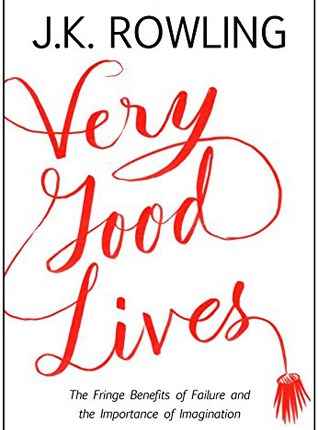
Very Good Lives: The Fringe Benefits of Failure and the Importance of Imagination by J.K. Rowling

Very Good Lives: The Fringe Benefits of Failure and the Importance of Imagination by J.K. Rowling

“It is impossible to live without failing at something, unless you live so cautiously that you might as well not have lived at all – in which case, you fail by default.”

J.K. Rowling gave the commencement speech at Harvard in 2008 and the result was a mini-masterpiece about life, the power of imagination, and failure.

Photo by Joe Digital & Co on Pexels.com

Though we all know now what a mammoth success she would go on to be, at one time, she was experiencing failure and poverty.

“Now, I am not going to stand here and tell you that failure is fun. That period of my life was a dark one, and I had no idea that there was going to be what the press has since represented as a kind of fairy tale resolution.”

I’ve had my own handful of rock bottom moments and, she’s right, it is no fun. But I too have found resilience and creativity that emerged from that darkness. It’s strange, when you’re pushed to your limits, you suddenly discover that there’s more to yourself than you ever realized.

“One of the many things I learned at the end of that Classics corridor down which I ventured at the age of 18, in search of something I could not then define, was this, written by the Greek author Plutarch: What we achieve inwardly will change outer reality.”

Photo by Pavan Maruvada on Pexels.com

Like Rowling, I studied the Classics because something about it spoke to me. When I told my dad that I was adding that course of study to my degree, he laughed and said, “Well, at least it will look impressive on your resume.” Even though I knew he was right in that there were very few jobs where I could use it, having a background in the Classics has taught me a lot about modern life.

I learned that people in antiquity, though they lacked the technology and lifestyle we enjoy today, still had the intensity of emotions and civilizations struggles that persist in the modern era. There were those who had and those who had not. There were crimes of passion, acts of kindness, politicians both corrupt and extraordinary.

Struggle, stress and failure is not something mankind invented when we produced the first smart phone. Classics gives you a long view on humanity and how far, or not far, we’ve come since.

We do not need magic to change the world, we carry all the power we need inside ourselves already: we have the power to imagine better.

Photo by josue Verdejo on Pexels.com

Brilliant. I recommend this small book as a graduation gift or for anyone who is having a bad day. It can act as a reminder that anyone can succeed at whatever their heart tells them is their path, despite any evidence to the contrary. And don’t be afraid of failure. Everyone will experience it at one time or another, but what matters most is what you chose to do next.

Thanks for reading!

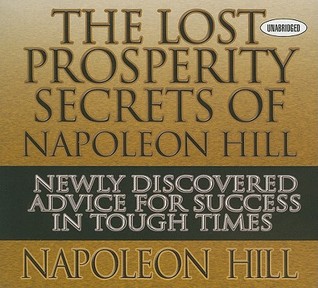
The Lost Prosperity Secrets of Napoleon Hill by Napoleon Hill

The Lost Prosperity Secrets of Napoleon Hill by Napoleon Hill

The Lost Prosperity Secrets of Napoleon Hill examines some of Hill’s lesser known newspaper essays. He writes about his life and the workings of the “unseen hand” of the universe within it. He dissects how a series of failures ultimately caused him to succeed.

And he writes about his studies of some of the most successful people of his time, what they have in common and what you can do to become one of them.

Photo by The Lazy Artist Gallery on Pexels.com

Some of these essays share powerful advice for inner transformation.

I particularly enjoyed Hill’s detailed description of the ’round table method’ that he used to change his personality. I think it is a fascinating mental exercise that can be customized for anyone.

But, at other points in this audiobook, his essays felt a bit heavy-handed in his declarations of his faith and belief in an organizing intelligence. But Hill’s faith seems to have been partially what he credited for his mammoth success… though not at first.

He freely admits that, early on in his career, he was obsessed with the accumulation of money to the cost of all else. It wasn’t until later on, that he realized money was nice, but there are other important goals that should be considered in one’s professional life. He talks about the golden rule and morality.

Photo by Karolina Grabowska on Pexels.com

And Hill talks about how you should treat someone who treats you poorly. He wasn’t alone in some of his most spectacular failures, but the people who used those low moments to get ahead in business did not do well afterwards. Again, Hill credited a higher power for that balance. Some would call it karma, but he did not.

If you liked Think and Grow Rich, you will probably enjoy this audio program.

Thanks for reading!

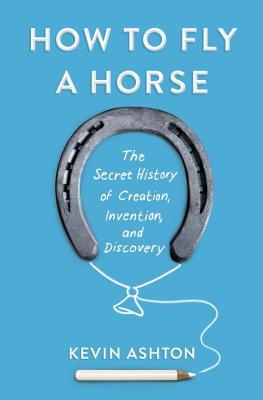
How to Fly a Horse: The Secret History of Creation, Invention, and Discovery by Kevin Ashton

How to Fly a Horse: The Secret History of Creation, Invention, and Discovery by Kevin Ashton

How to Fly a Horse takes many of the myths that I believed about creativity or the creative process and methodically takes them apart. Any perceived blocks are revealed for the fallacies that they are.

It is one of those great non-fiction books that educates the reader while simultaneously encouraging her to improve herself.

From the creation of a South Park episode to Coca-Cola, Kevin Ashton covers all sorts of ways the average person can, does, and should contribute to mankind through her own, innate creativity.

My biggest take-aways from this are Ashton’s descriptions and appropriateness of creativity (or lack of) within organizations. He writes about humanity’s need for the new while simultaneously pushing against it.

Here’s a quote about organizations that could be applied to any work place: “Organizations are made of rituals- millions of small, moments-long transactions between individuals within groups- and it is these rituals that determine how much an organization creates.” pg 225

Photo by Marc Mueller on Pexels.com

Be aware of these rituals and harness them to be more creative.

And, on humanity’s propensity to reject innovation, Ashton explains this is not unusual but is actually the normal response to expect when introducing new ideas into your work environment.

Don’t be discouraged; be prepared. Create anyway.

Photo by Pixabay on Pexels.com

I liked that he encouraged creation while also illuminating the many pitfalls, both internal and external, that one may encounter along the creative path.

Folks who enjoy How to Fly a Horse may also like Leonardo’s Brain: Understanding da Vinci’s Creative Genius or any of Malcolm Gladwell’s books. If you’re looking for another book about how to be more productive or creative in the workplace, I suggest Linchpin: Are You Indispensable?.

I received a free copy of this book through Goodreads First Reads. FTC guidelines: check!

Thanks for reading.

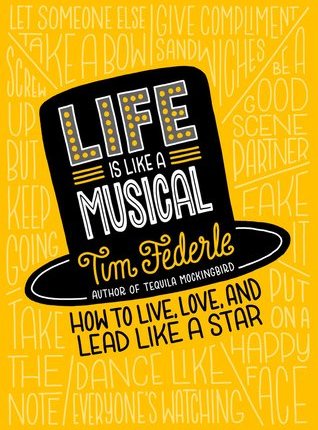
Life Is Like a Musical: How Broadway Can Help You Live Your Best Life by Tim Federle

Life Is Like a Musical: How Broadway Can Help You Live Your Best Life by Tim Federle

Life is Like a Musical is a cute, self-helpish book, full of the wisdom Tim Federle gleaned from years of experience on the stage.

“Basically, think of this book as ‘Don’t Sweat the Small Stuff’ with jazz hands.” Introduction.

Photo by Anastasiya Gepp on Pexels.com

Tim’s advice is common sense, but I appreciated it anyway. Make your weaknesses your strengths. Be nice to everybody. Pay attention. Don’t try to be a perfectionist, and so on.

He pairs these nuggets with his life stories. So, it’s part-memoir, part-self help.

“When Bob Fosse had a bald spot, he put on a stylish hat. Where’s your bald spot? Or blind spot? Or thing that you can barely accept about yourself? Go put a hat on it, and make it something wonderful.” pg 23. There’s nothing wrong with advice like that.

Photo by cottonbro on Pexels.com

First off, the key to approximately 90 percent of adulthood is appearing more interested in something than you actually are. Seriously.” pg 31.

Truth bombs, people.

Don’t give your power away. Remember who you are: “Please, never forget you’re the leading character in your own life. Read that sentence again: You aren’t the supporting cast. You’re it, baby.” pg 48.

And most importantly of all, have a sense of humor about the whole thing.

“Forgive yourself when you screw up. Develop a sense of humor that allows you to snort-giggle before anyone else can.” pg 139.

Photo by Tim Mossholder on Pexels.com

None of us are getting out of this thing called life alive. We may as well make the most of it.

I enjoyed this book. I was also a huge fan of his drink recipe book mixed with classic book titles: Tequila Mockingbird: Cocktails with a Literary Twist.

Recommended for people who are looking for a peppy voice to get them back on track and singing throughout the soundtrack of their own lives. This read will do the trick.

Thanks for reading!

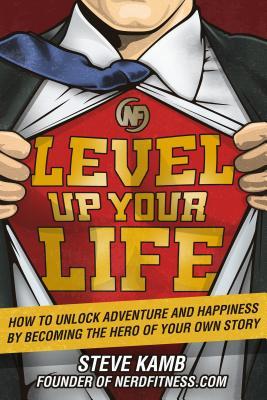
Level Up Your Life: How to Unlock Adventure and Happiness by Becoming the Hero of Your Own Story by Steve Kamb

Level Up Your Life: How to Unlock Adventure and Happiness by Becoming the Hero of Your Own Story by Steve Kamb
levelup

Steve Kamb, the creator of nerdfitness.com, offers behavioral games and community support to assist readers in becoming their best self. It’s the self help genre meets gamification.

Steve was addicted to video games, miserable at his job and disappointed with life. “I still love those games and movies and enjoy the entertainment they provide. They’re a part of who I am as a person. The problem was that they had become a way to avoid the unhappiness in my real life while also allowing me to continue doing nothing about it.” pg xi

The game that had him hopelessly hooked was EverQuest. “What had begun as a fun way to blow off some steam after school or work quickly became an addiction.” pg 5.

So, Steve took what he loved best about the game- the levels, the endless quests, the secrets- and created an online community in which the members support each other to become the best whatever-it-is you want to be through just those things.

Photo by RODNAE Productions on Pexels.com

Essentially, Steve takes the hero’s journey, as described by Joseph Campbell, and crafts a way to implement that into your life through your own preferences. “Life is meant to be lived on your own terms.” pg 23

I picked this up because I recently read a behavioral game book and I wanted to see what the theory would look like in action. Steve has done a solid job making his game completely customizable.

He provides examples between the chapters of people who have used his game to “level up” their lives. The results are impressive.

“The truth is that most people fear change. They, themselves, might want to change but don’t want to put forth the effort and energy to make it happen.”pg 57.

With Level Up Your Life, Steve gives readers the tools to make their lives into a game of their choosing. Recommended for gamers and the young at heart.

Thanks for reading!