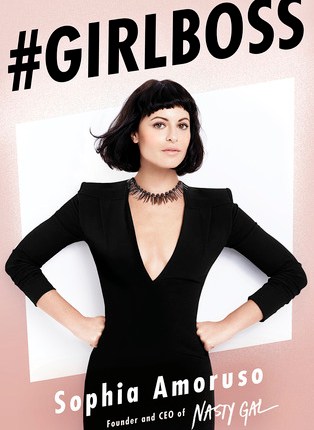
#GIRLBOSS by Sophia Amoruso

#GIRLBOSS by Sophia Amoruso

#GIRLBOSS is Sophia Amoruso’s story about her wild childhood, unlikely and extraordinarily successful business venture and her treatise on how to be yourself and bring what is unique to you to your professional life.

I googled Sophia after I finished this book and was dismayed to discover she has declared bankruptcy.

It seems she still has a successful motivational speaker program going on, but, for whatever reason, her business hasn’t worked out.

I suspect, she will land on her feet and start again. That is a large part of the philosophy contained in #GIRLBOSS.
Photo by Sam Lion from Pexels

“In about eight years, I went from a broke, anarchist ‘freegan’ dead set on smashing the system to a millionaire businesswoman who today is as at home in the boardroom as she is in the dressing room. I never intended to be a role model, but there are parts of my story, and the lessons I’ve learned from it, that I want to share.” pg 23, ebook.

Sophia believes in being yourself. Let your freak flag fly. Embrace your weirdness- because that is what ultimately makes you great.

“#GIRLBOSS is a feminist book, and Nasty Gal is a feminist brand in the sense that I encourage you, as a girl, to be who you are and do what you want. Being a Girlboss is as much about being the boss of your career as it is of your home.” pg 29, ebook.
Photo by Skylar Kang from Pexels

Between Sophia’s business tips and memoir, she includes quotations. Such as: “It was the straying that found the path direct – Austin Osman Spare.” pg 56

In her case, that was absolutely true. Sophia wanted a job where she didn’t have to work and could get paid for doing, essentially, nothing.

She found that job and surfed the internet most of the time. In doing so, she studied online communities like MySpace and eBay and concluded that she could network and sell items with the best of them.

And she did.

Photo by cottonbro from Pexels

Sophia is a believer in creating your own reality: “… there’s also the everyday kind of magic that we make for ourselves. And that’s really not magic at all. It’s just recognizing the fact that we control our thoughts and our thoughts control our lives. This is an extremely simple, totally straightforward concept, but for a lot of people, it’s so alien that it might as well be magic.” ebook, pg 109.

Sophia, like Obi Wan Kenobi, does not believe in luck. She believes in hard work, action and selective focus.

“Focus on the positive things in your life and you’ll be shocked at how many more positive things start happening. But before you start to think you just got lucky, remember that it’s magic, and you made it yourself.” ebook, pg 115.

Come bankruptcies and whatever else, I believe Sophia Amoruso will be just fine. Don’t you? 🙂

And have you watched the #GIRLBOSS series on Netflix? I did and it didn’t appeal to me as much as this book did. Not recommended.

Thanks for reading!

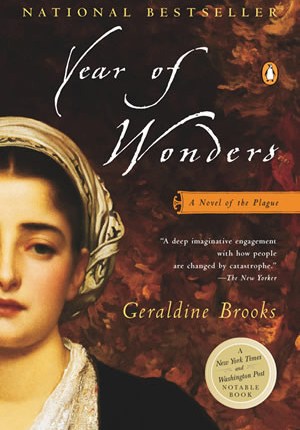
Year of Wonders: A Novel of the Plague by Geraldine Brooks

Year of Wonders: A Novel of the Plague by Geraldine Brooks
yearofwonders

Year of Wonders tells the story of Anna, a servant to a pastor, and how she emotionally and physically survives the plague while the majority of her village falls ill around her.

I was enthralled. I listened to the audiobook on my daily commute and it was fantastic.

You get the very real drama of life in a small village mixed with the the despair that must have accompanied the plague. There’s finger-pointing, people taking advantage of other’s need and, above all, the need to rationalize why all of the deaths were occurring.

My favorite part of this book was when Anna stopped in the middle of her hectic life to reconsider how she viewed God. She uses common sense reasoning to pick apart why a deity would allow such tragedy to occur and then wonders why the young are taken rather than the old.

She comes to the conclusion that what’s happening is a biological thing rather than a divine thing. Then, once she has that straight in her mind, she’s better equipped to handle everybody else’s irrational responses to the plague without being bogged down by her own.

Anna is a great heroine. She has her flaws- a flirtation with opium addiction to dull her grief and a crush on someone else’s husband- but she tries to be a good person. Mainly, she’s just overwhelmed by what’s going on and wants to feel loved and safe.

Photo by Nico Becker on Pexels.com

She cares for the ill, helps an orphaned child hold on to her family’s lead mine and tries to help her village keep body and soul together.

The ending of Year of Wonders was incredibly shocking to me, but in a good way. Geraldine Brooks stayed true to her characters but took the story in such an unexpected direction, that I had to turn it off for awhile to absorb what I had just heard.

Highly recommended for book clubs or people who love historical fiction. Year of Wonders is wonderous indeed.

Remodelista: The Organized Home by Julie Carlson

Remodelista: The Organized Home by Julie Carlson
remodelista

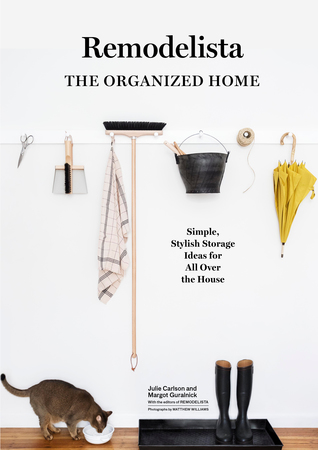
Remodelista is another de-cluttering book. This one encourages readers to utilize storage containers made out of natural materials, to hang items in unexpected places and to make your space functional and beautiful.

Maybe I’ve reached my limit on these types of books. For example, I loved The Life Changing Magic of Tidying Up, but that was one of the first books of this kind that I read.

I know not everyone responds well to Marie Kondo’s philosophy of considering the spirit of your stuff, but that clicked with me, for whatever reason. Must be a hippie thing.

I thought this one was a bit ridiculous. It just wouldn’t work for me in my real life with my crazy pets, busy family and serious amounts of stuff.

My main problem with this one is illustrated quite clearly on the cover. We’ve got two brooms, a towel, an umbrella, some string and a large bucket hung right over a cat drinking from a water bowl.

I can think of a hundred reasons why that wouldn’t work for me, but let’s start with three:

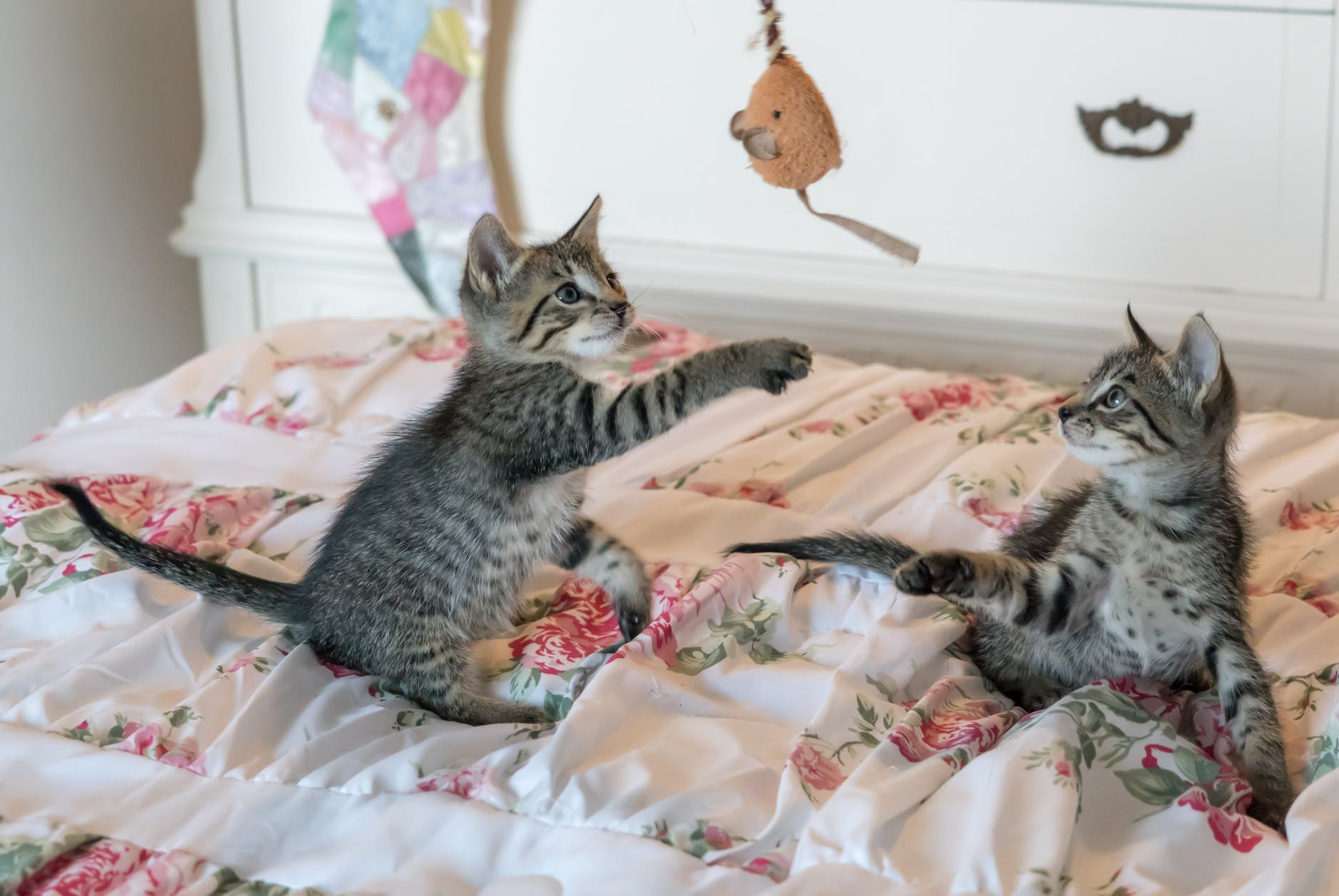
First of all, the kitties would think I was trying to kill them- hanging menacing items over the watering hole. And, let’s be honest, with my poor hanging-things-up skill, it just might.

Photo by Pixabay on Pexels.com

Second, putting string high up but visible is inviting a kitty disaster. They would hunt the heck out of that string, probably using the umbrella as a climbing wall to get to it, destroying my artfully arranged buckets and mops in the process.

Third, where would I put the rest of my family’s entryway stuff? We’ve got a lot more than that in just umbrellas, not even counting the brooms, swiffer mops, you-name-it.

The result: easy-to-maintain spaces that are both orderly and artful, personal and purposeful. Because, ultimately, the goal isn’t a flawless, impossible-to-maintain showcase. The aim is an unencumbered life in a house that makes you happy.” pg 9.

All of the rooms and cabinets in this book had like three things in them. It’s just not realistic.

Photo by Anastasia Shuraeva on Pexels.com

That being said, I did like the “Daily Rituals” on pg 18. The authors included “seven simple habits” to adopt every day to make your life easier. They include activities like making your bed and opening the mail.

I can handle that.

I also liked the ‘Herb and Spice Drawer’ suggestion on page 70. My spices are a jumble of bottles and sizes and it’s nearly impossible to find anything quickly.

Photo by monicore on Pexels.com

The authors suggest storing herbs and spices in: “Uniform glass jars- we like small paint jars from the art supply store.”Then, label the tops. It’s a simple solution but one that never occurred to me.

Only recommended for people who have calm cats and very few items. Other than the suggestions mentioned, I can’t see myself using very many of the tips from Remodelista.

Thanks for reading!

The Only Girl in the World: A Memoir by Maude Julien

The Only Girl in the World: A Memoir by Maude Julien
onlygirl

The Only Girl in the World is an extraordinary memoir about madness, control and the survival of horrific childhood abuse.

Maude Julien’s father Louis chose his future wife and mother of his child, Jeannine, when she was only six and he was 34. He became Jeannine’s guardian by promising her family that he would provide her with a quality education.

Then: “Twenty-two years after he took possession of Jeannine, Louis Didier decided the time had come for her to bring his daughter into the world… Louis Didier liquidated his assets, bought a house near Cassel, between Lille and Dunkirk, and withdrew to live there… to devote himself entirely to carrying out the project he had devised back in 1936: to make his child a superhuman being. That child was me.” loc 73, ebook.

Unfortunately, to “make his child a superhuman” involved leaving her alone in a dark, rat-infested basement, sleeping in a room without heat, eating stale bread, practicing music for 12 or more hours a day and being entirely separated from any other children her age.

That’s where Maude got the title of this memoir: The Only Girl in the World

I have not read a childhood account this disturbing since A Child Called It by Dave Pelzer.

Maude’s father was unhinged. “My father is convinced that the mind can achieve anything. Absolutely anything: it can overcome every danger and conquer every obstacle. But to do this requires long, rigorous training away from the impurities of this dirty world.” loc 247, ebook.

Photo by Marcelo Jaboo on Pexels.com

He asks Maude to do things he cannot do like perform somersaults or swim in freezing water. He shows no affection to either his child or his wife.

Louis makes the females of the house wait on him as if he is an invalid. He makes his child hold a chamber pot each morning while he empties his bladder.

He’s a controlling monster.

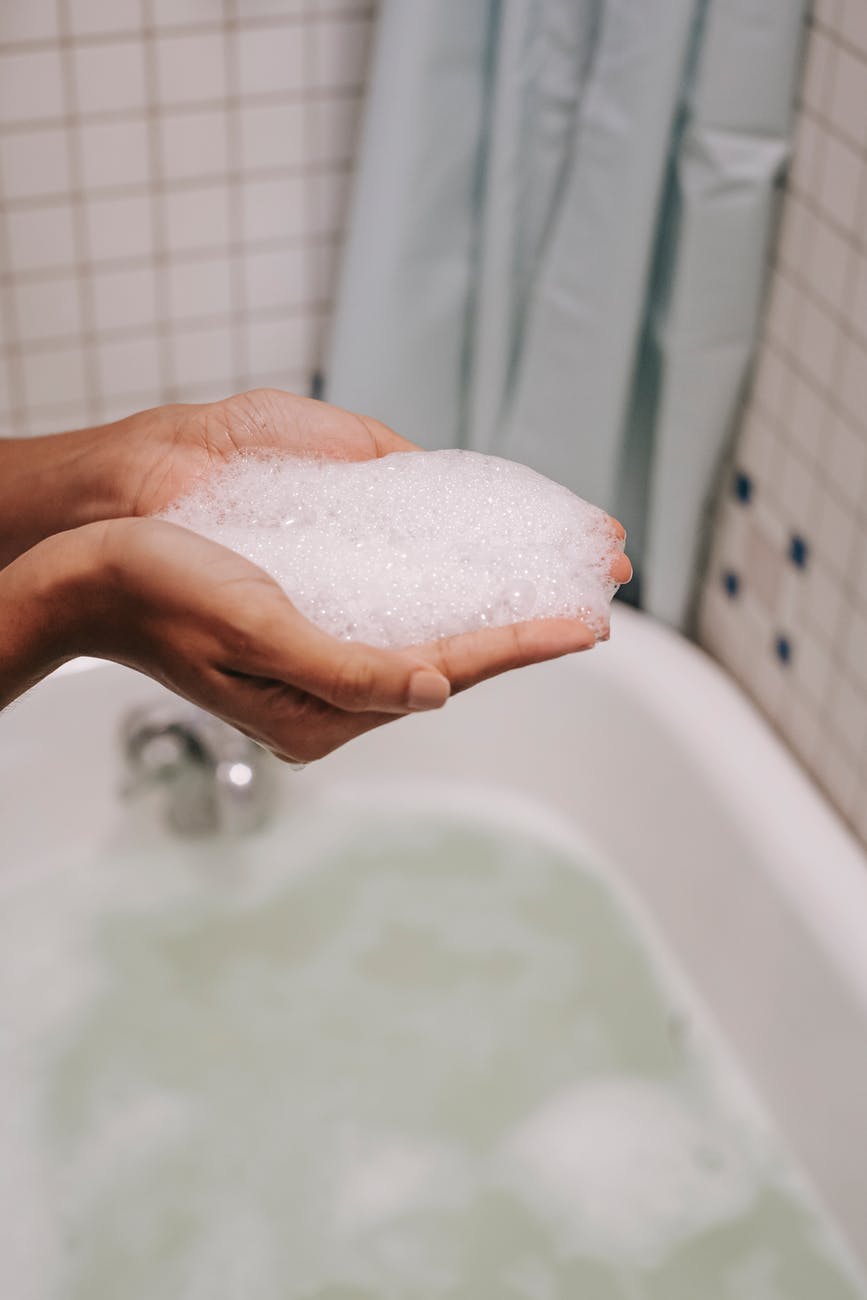
Louis has strange beliefs about water and soap removing the body’s immunities so he insists that Maude only bathes once a week or less. And, when she is finally given the opportunity to bathe, she must use his dirty bathwater to “take strength from him.”

Photo by Sora Shimazaki on Pexels.com

And she can’t count on protection from her mother, who was groomed by Louis to do anything he asks of her. Jeannine actually blames Maude for Louis taking them to live in the middle of nowhere. It is very sad.

Maude’s only friends are her pets, whom her father abuses as much as he hurts Maude. “Can an animal teach a person about happiness? In the depth of my despair, I am fortunate to have this incredible source of joy.” loc 685, ebook.

Even worse, Maude is abused by the few adults Louis allows in their lives. (Trigger warnings for those who were sexually or physically abused as children.)

Though incredibly disturbing, The Only Girl in the World is ultimately a story of survival against all odds. The human spirit is incredibly resilient as Maude’s tale illustrates.

Photo by Pixabay on Pexels.com

Perhaps she is more superhuman than even she realizes. Highly recommended.

Thank you to NetGalley for a free digital copy of this book.

Thank you for reading!

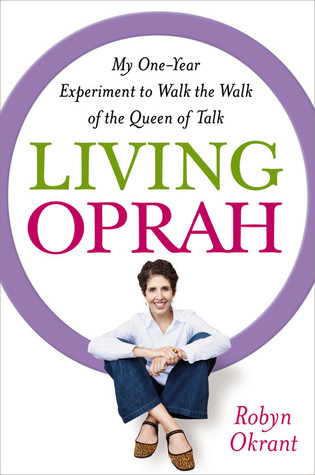
Living Oprah: My One-Year Experiment to Live as TV’s Most Influential Guru Advises by Robyn Okrant

Living Oprah: My One-Year Experiment to Live as TV’s Most Influential Guru Advises by Robyn Okrant
livingoprah

Living Oprah is Robyn Okrant’s account of how she spent one year conscientiously following the advice Oprah dishes out to millions of women across America.

If Oprah said to read a book or watch a film, Robyn did it. If she advised de-cluttering, new make-up tips or relationship work, Robyn was on-board.

For the most part, I enjoyed this quirky book, but I also found it to be slightly repetitive- similar to what Robyn found following Oprah to be after a few months.

She starts out with high hopes: “Could Oprah’s guidance truly lead a woman to her ‘best life,’ or would it fail miserable? Is it even possible to follow someone else’s advice to discover one’s authentic self?” pg 4.

We all discover the answer to be no. But, Robyn gives it a good run because: “It’s vitally important for women to question the sources of influence and persuasion in our lives. We are inundated with get rich/get thin/get married suggestions every time we turn on the TV or walk by the magazine rack. And sadly, we tend to judge ourselves against seemingly impossible standards.” pg 11.

I liked her thought process throughout the year. I also thought her reasoning for doing the experiment was excellent: “One of the reasons I was drawn to Oprah as a subject for this project was my continual search for new ways to manage my pain, keep my self-esteem from faltering, and ease the stress and fear associated with scoliosis.” pg 36. In some ways, Robyn was sort of Oprah’s target audience.

Photo by Jean van der Meulen on Pexels.com

My favorite part of this book was when Robyn was trying to follow Oprah’s advice to read Eckert Tolle’s A New Earth and live by its precepts, while still engaging in the consumerism and self improvement programs Oprah touts on her program each week.

“It’s also uncomfortable to enjoy a celebrity lovefest on Oprah after I’ve spent an hour competing my reading assignment for A New Earth. Oprah’s Book Club selection focuses on separating ourselves from our ego and learning to connect with people on an authentic level rather than a superficial one. I don’t see how a segment on the show glamorizing Mariah Carey’s lingerie closet supports the work Oprah’s asked us to do.” pg 72.

Robyn comes to the conclusion that if Oprah’s viewers followed all of Oprah’s advice, they quickly wouldn’t need her anymore to live their best lives. Part of Oprah’s draw is that she has viewers convinced there’s always something more to be improved upon, tweaked, de-cluttered or examined.

It is a never-ending process of evolution. That is why Oprah’s built her empire and also why women don’t stop watching.

And sometimes it’s the promise of ‘infotainment’ that keeps viewers coming back: “Oprah frequently reminds her guests and audience that her tell-all shows are not pulp entertainment, they are for our education. I do take her warning to heart but think that if this is something we must constantly be reminded about, maybe a different format is in order.” pg 57-58

I’ve never been a huge watcher of Oprah (or any tv for that matter), but I still enjoyed this book for it’s honest examination of hero worship, popular culture and the self improvement industry. I think Oprah viewers may enjoy this book even more.

Thanks for reading!

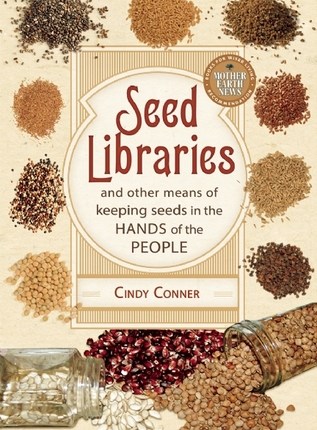
Seed Libraries: And Other Means of Keeping Seeds in the Hands of the People by Cindy Conner

Seed Libraries: And Other Means of Keeping Seeds in the Hands of the People by Cindy Conner
seed libraries

Seed Libraries gives readers the tools and know-how to set up their own seed distributing communities. The community could be through a public library, informal seed swap, or other location.

Cindy goes into enough detail about the specifics so that first timers or inexperienced gardeners can get an overview of what will be required, but not so much information so that the reader feels overwhelmed.

Even though I knew a bit about seed because I have an uncle who has owned his own seed company since the early 80’s, I found this book useful and informative.

Through his experience, I learned how seed producing mega-companies introduced hybrids into the supply that will only grow one season. This hurt the smaller, local seed companies (like my uncle’s) that processed seed for the farmers who grew it and then used it to plant the next crop.

He was forced to expand his company away from seed processing, which was once a major part of his enterprise, in order to stay in business.

Photo by Viktor Smith on Pexels.com

The farmers, who only purchased seed every couple of years and grew out their own plants to save money, were forced to buy seed every year. It was a huge shift in how planting and seeds were handled.

It also changed who controlled the food supply.

If there is a way that I can help get seed back into the hands of local people, I’m all for it.

The afterword to this book discusses a legal challenge presented by the state of Pennsylvania to a public library that wanted to start a seed library there. I was wondering what Illinois has to say about seed libraries.

Maybe I should look into it.

I’m very excited about the possibilities that Seed Libraries and Other Means of Keeping Seeds in the Hands of the People has sown in my mind. If you’re interested in starting one of these in your town, this text is definitely required reading.

I received a free copy of this book through Goodreads First Reads. FTC guidelines: check!

Thanks for reading.

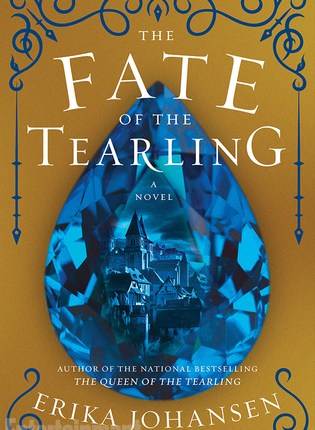
The Fate of the Tearling (The Queen of the Tearling, #3) by Erika Johansen

The Fate of the Tearling (The Queen of the Tearling, #3) by Erika Johansen

The Fate of the Tearling ties up the series nicely. All questions of the founding of Tearling, the shadow and Mort are answered.

And we also learn all of the secrets of the Fetch. Finally! “For three long centuries… William Tear’s dream sunk further and further into the mire. No one in the Tearling could even see Tear’s better world any longer, let alone muster the courage to dig for it.”pg 6, ebook.

The path isn’t easy. Kelsea questions herself every step of the way. “Maybe we aren’t capable of being satisfied, Kelsea thought, and the idea seemed to open a chasm inside her. Maybe utopia is beyond us.” pg 90, ebook.

But she is determined to see things through to the end: “We can’t simply stay here, hiding, while the kingdom burns. What sort of queen would I be?” pg 273.

Though Erika Johansen writes a thorough ending, I found myself dissatisfied with it. Read it and let me know what you think. I’m still thinking about it, even though I finished this book last week.

Photo by Pixabay on Pexels.com

From a lackluster start, I think The Queen of the Tearling series turned out to be fairly enjoyable. I would classify it as adult because of some of the themes, imagery and language.

It uses fantasy to examine the human condition, society and what happens to communes after a charismatic leader dies.

I think Kelsea is one of the strongest female characters I’ve read. Bravery-wise, she fits right in with Katniss Everdeen. She doesn’t quit and isn’t afraid to admit when she’s wrong.

Throughout the series, we see her grow from uncertain child to warrior queen. Bookish and introverted, Kelsea may appeal to those who wish they could be something more than they currently are.

Recommended for readers who are willing to invest some time in a series to enjoy it and for fans of fantasy/dystopian worlds. The Queen of the Tearling grew on me. It has heart.

Thanks for reading!

See my review of the first book here: The Queen of the Tearling (The Queen of the Tearling, #1) by Erika Johansen

Second book here: The Invasion of the Tearling (The Queen of the Tearling, #2) by Erika Johansen

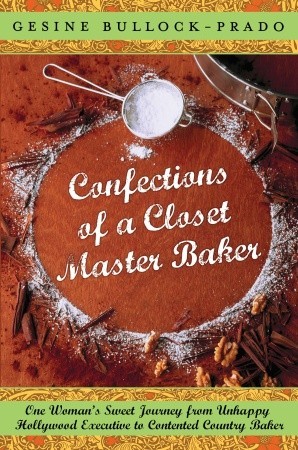
Confections of a Closet Master Baker: One Woman’s Sweet Journey from Unhappy Hollywood Executive to Contented Country Baker by Gesine Bullock-Prado

Confections of a Closet Master Baker: One Woman’s Sweet Journey from Unhappy Hollywood Executive to Contented Country Baker by Gesine Bullock-Prado
confections

Confections of a Closet Master Baker can be an abrasive, no-holds-barred memoir about the dark and impersonal underbelly of Hollywood, at times. At others, it is a poignant reminiscence and heartfelt cookbook by a woman who still mourns her mother.

I wouldn’t call it “hilarious.” This memoir is sarcastic and unapologetic about it.

“As a matter of fact, I have only two truisms that I apply to humanity. Never trust anyone who drives an Astro van. And never trust anyone who doesn’t drink beer or coffee unless they have a doctor’s note.” pg 17, ebook.

All the same, I felt privileged to be allowed a glimpse into the highly-introverted life of a woman who described herself as so socially adverse that she believes she’s “pathologically shy with severe misanthropic tendencies.” pg 24, ebook.

I saw the title of this ebook and checked it out of the online library without noticing the name of the author. She kept mentioning, “my famous sister” and “Sandy.” I thought, did Sandy Duncan have a sister? and then felt like an idiot when I enlarged the cover and saw the hyphenated last name. Duh, Heidi.

“Each year, I wrestled with the knowledge that no matter how well I did my job, no one looked at me as anything but “her sister” with nothing to offer but a fancy job title born of nepotism and access to a movie star.” pg 100, ebook.

Photo by Lisa Fotios on Pexels.com

Gesine carries some serious angst about her Hollywood experience. She needed a life change, so she moved to Vermont and opened a bakery.

“No road rage, no cell phones, no fake tits or tans, no prestige handbags, no billboards, no stoplights, no braking, no traffic, no nothing. Welcome to Vermont. Just heaven.” pg 13, ebook.

Serious bakers may find a lot to love as Gesine includes many of her customer favorite recipes after each chapter.

Personally, I loved learning about what it’s like to have an A-list sibling. Gesine’s story about baking Sandra’s wedding cake was my favorite.

Photo by Brent Keane on Pexels.com

She also includes personal details about her childhood and relationship with her mother. “I saw the devil at age three and he gave me chocolate. It changed my life forever.” pg 5, ebook.

A large part of the complicated relationship Gesine had with her mother was about food. Her mother was a German opera singer and a strict vegan. She adhered to a restrictive diet and ate foods that Gesine thought were disgusting.

Sadly, she died of colon cancer. Gesine is still devastated by that. Her mother did everything she could to exercise and eat right, and it didn’t seem to matter.

Gesine seemed to swing the other direction and celebrate sugar, butter and all manner of naughty baked goods. Part of that is because she was raised on such a strict diet as a child. The other part is, baking is what she loves to do and how she shows love to others.

Confections of a Closet Master Baker is not for the faint of heart. Don’t read it if you’re easily offended because she doesn’t hold back. I think Gesine would approve of this sentiment: if you can’t stand the heat, then get out of the kitchen.

Thanks for reading!

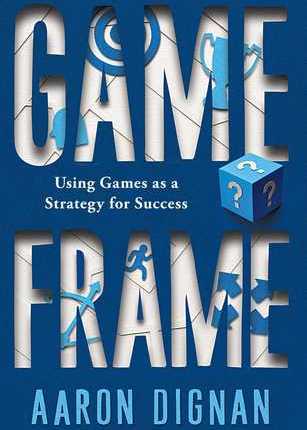
Game Frame: Using Games as a Strategy for Success by Aaron Dignan

Game Frame: Using Games as a Strategy for Success by Aaron Dignan

In Game Frame, Aaron Dignan outlines what games are, their components and how to create behavioral games to change your own and others behavior.

He clearly states his goals for the book in the introduction: “The truth is, we are born knowing how to play, and how to invent games where none exist. I’m convinced that there is a role for games and play in reshaping the world around us.” introduction, xiii.

Photo by lilartsy on Pexels.com

Dignan goes on to do just that. His detailed breakdown of the components of games and why we think they’re fun was particularly good.

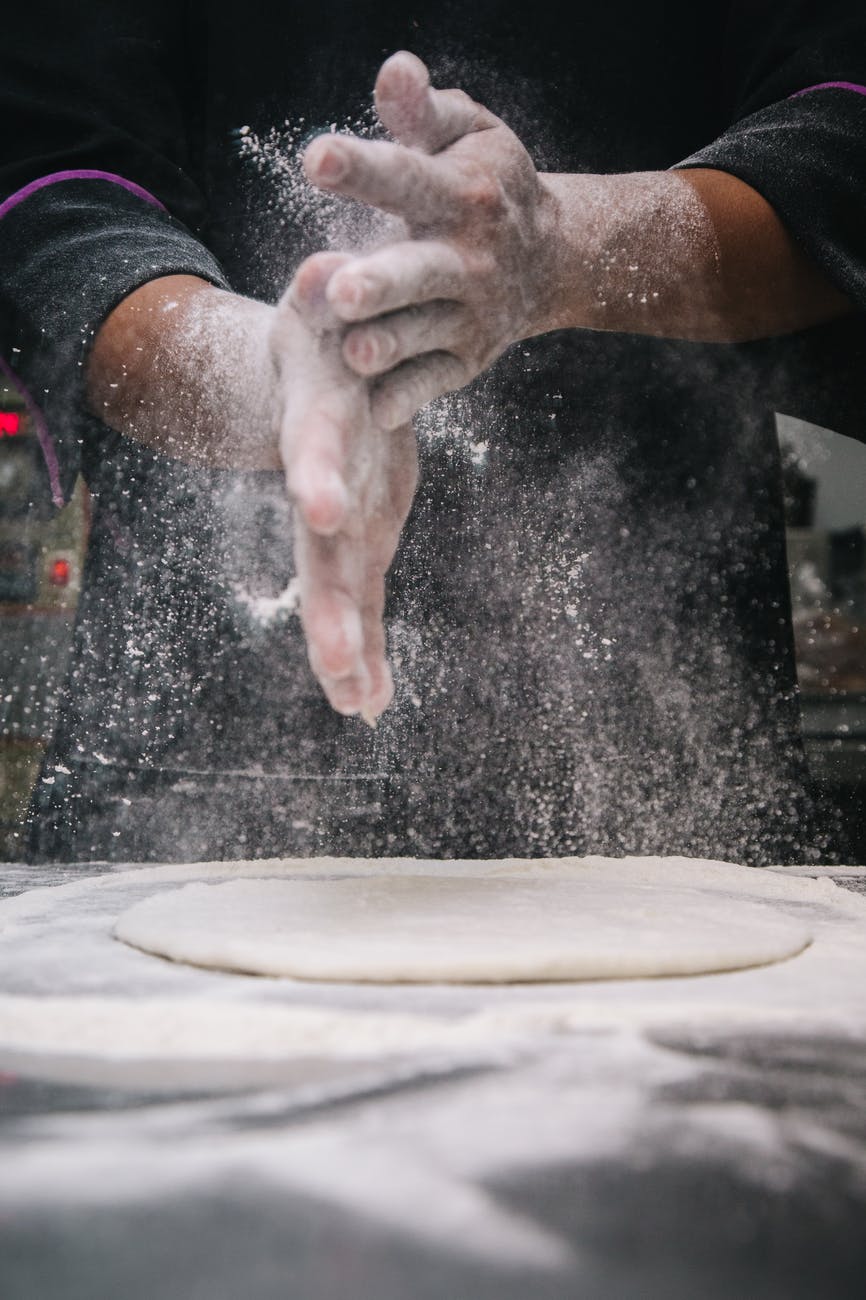
I also agreed with his assertion that “play is a state of mind”: “…when a chef cooks something new, it feels like play. When I cook something new, it feels like work. Both of us are making a meal, but we’re not experiencing the same thing. Play is a state of mind.” pg 26.

Photo by Malidate Van on Pexels.com

My quibble with this book is that he didn’t convince me that games are the best way to change behavior. In Level 5 (Chapter 5), Dignan describes a speech given by Professor Jesse Schell at the D.I.C.E. conference in 2010 that scared the crap out of me.

Essentially, Professor Schell outlines how businesses and the government could use behavioral games to create a dystopian world in which our every action is analyzed and nudged towards consumerism.

“You’ll get up in the morning to brush your teeth and the toothbrush can sense that you’re brushing your teeth. So hey, good job for you, 10 points for brushing your teeth. And it can measure how long, and you’re supposed to brush your teeth for 3 minutes. You did! Good job! … And who cares? The toothpaste company. The toothbrush company. The more you brush, the more toothpaste you use. They have a vested financial interest.” pg 58

Photo by Karolina Grabowska on Pexels.com

After that chapter, I couldn’t shake the feeling that Dignan is inviting us to open a Pandora’s box.

“My challenge to you is simple: I believe that a million behavioral games could change everything, but they must be imagined and realized soon.” pg 169.

Hypothetically, say I design a game with the best intentions, but then, at some point, it’s taken over by the government and forced on people. Suddenly, it stops becoming a game and ruins the world.

Who wants to take the risk to potentially be the person who destroys society because of an ill-conceived behavioral game? Not me.

Recommended only for the truly brave gamers.

Thanks for reading!