How Not to Be a Hot Mess: A Survival Guide for Modern Life by Craig Hase, Devon Hase

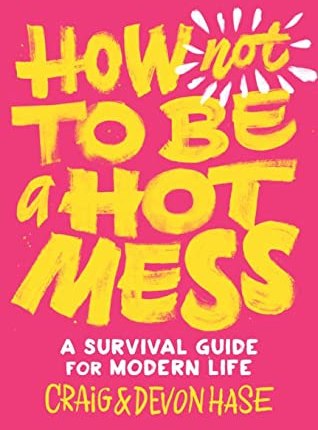
How Not to Be a Hot Mess: A Survival Guide for Modern Life by Craig Hase, Devon Hase

“(This book) draws on Buddhist advice because, believe it or not, Buddhism has been through it all before. It’s seen wars, plagues, oppression, and ten thousand terrible haircuts – and it has, along the way, developed dependable ways to stay steady in the roller coaster of family feuds, romantic vacillations, uncertain futures, and all the rest.” pg 9, ebook

How Not to be a Hot Mess was a timely read for me, though there was little in here that was “new”. Instead, it offers gentle reminders to meditate, tell the truth, be generous and take care of yourself – all things that help mitigate hot messiness in the day-to-day.

Photo by Marta Wave on Pexels.com

“So there are approximately one bajillion reasons why you should meditate. The top three reasons as I’ve just mentioned, are that you’ll be less stressed, more focused, and you might even stumble your way into slightly better humanhood.” pg 23, ebook

I used to meditate every day. But then, for whatever reason, I fell out of the habit. I’m going to be doing my best to bring it back because I think I was a calmer person and less reactive to things.

This book also reminded me about skillful speech.

“There are people out there- and I’ve met a lot of them now- who follow these guidelines of True, Kind, Timely, Helpful beautifully. And they all have some things in common: they have good friends, stable community connections, a sort of quiet confidence, and they kind of glow.” pg 53, ebook

I don’t tend to say a lot but I try to make what I say fit within those guidelines. This book reminded me of how important this can be. It’s like modern life makes me forget sometimes, in the mad crush and noise, what’s really important.

“You, too, can do this. It’s not just for fancy historical figures or people who write books and give TED talks and share wisdom from the mountaintops. You really can stay clear, say what’s true, give a little, make sex good, meditate occasionally, and be less of a jerk and more of a stable loving presence in your world. Right in the middle of everything.” pgs 84-85, ebook

Yes, I can do this. And so can you. Happy reading, friends.

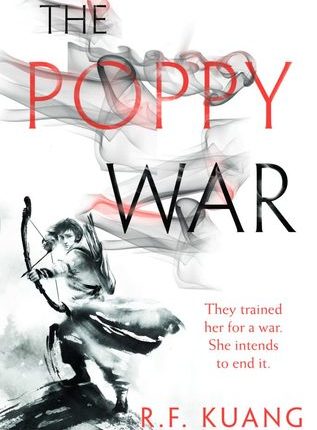
The Poppy War (The Poppy War, #1) by R.F. Kuang

The Poppy War (The Poppy War, #1) by R.F. Kuang

“Her destiny had not been written in the stars… She had made her choices fully and autonomously. pg 528 ebook

The Poppy War begins like other fantasy novels: an underprivileged young person fights her way into a school where she learns more than she ever imagined. But after that, things go in an entirely different direction with war and all of the darkness and misery that goes along with that.

Photo by Pixabay on Pexels.com

Despite friend’s reviews that this was a dark book, I didn’t expect it to go as far as it did. Don’t get me wrong, this is still a great story about human passions, shamanism, and war – it was just hard to read at times.

And it is a long book, which is great because it gives R.F. Kuang plenty of time to develop characters and flesh out her world. She does both very well.

My favorite parts of the book were Rin’s interactions with her fellow soldiers, the Cike, a group of shamans who all have different powers. Their comradery was refreshing in the midst of some very dark times.

This is not a young adult book, so librarians please classify it correctly. Highly recommended for readers who like their fantasy epic and dark.

Rogue Protocol (The Murderbot Diaries, #3) by Martha Wells

Rogue Protocol (The Murderbot Diaries, #3) by Martha Wells

“The good thing about pretending to be an augmented human security consultant instead of a construct SecUnit is that you can tell the humans to shut up.” pg 11, ebook

Murderbot is still on the case of GrayCris, a company it suspects is illegally mining materials from ancient alien civilizations. There are also humans who need help- as usual. Why can’t people just save themselves so our hero could get on watching its favorite entertainment vids?

“Actually, with my experience in security, anybody who wanted to hang around and live on a deteriorating terraforming facility worried me a lot more than raiders.” pg 40, ebook

Rogue Protocol though fun, didn’t live up to the quality of the first two books in this series. The plot was quite similar to the first book. Don’t get me wrong, it’s still a great read, but I think the first two books were better than this one.

I will be continuing on in the series, which I highly recommend for science fiction fans.

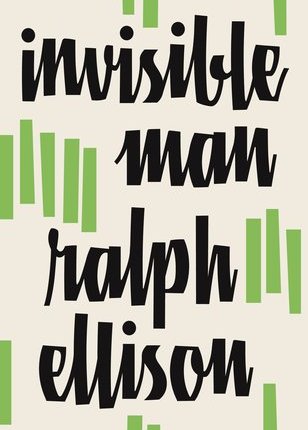
Invisible Man by Ralph Ellison

Invisible Man by Ralph Ellison

In Invisible Man, an unnamed narrator moves through a series of events that highlight racism and inequality both in the society and in the people within the system.

This is a book that is difficult to describe and may need to be experienced.

Photo by Anna Shvets on Pexels.com

The writing is powerful and builds like a punch in sections. I listened to the audiobook while on a walk through the woods so maybe that’s why I was so sensitive to the rhythms.

I’m not a black man and I’ve never walked a mile in his shoes, but this book gives a short sojourn into another person’s life.

The material is sobering and shocking, at times, lyrical and beautiful in others. Rather like life.

Photo by Zack Jarosz on Pexels.com

At the end of the book, I found myself hopeful for the narrator. Hopeful that he would move forward from all of the challenges that he faced into a new dawn of understanding and racial equality.

I’m always hopeful for improvement. Always.

I think society sometimes uses aspects of our lives (like gender, race, social status, level of education, sexual orientation) to place people into tidy boxes or make them invisible like the narrator in Ellison’s novel.

One way to combat this evil is to know that we’re not alone as we travel through life. We’re all in this together. We see each other and acknowledge each other’s strengths and weaknesses.

Photo by RODNAE Productions on Pexels.com

We are seen and appreciated for our uniqueness by the communities we create. It’s a big responsibility.

I read this classic because it is painted on the staircase of the library where I work. I’m trying to read all of the classics recorded there in an effort to become “classically” well-read.

What do I mean by classics? The most-tagged classics on Goodreads.com include such notable books as “1984” by George Orwell, “The Catcher in the Rye” by J.D. Salinger, and “Of Mice and Men” by John Steinbeck.

Of those three, dear readers, I’ve only read one.

Photo by Pixabay on Pexels.com

So, the next problem with this aspiration of mine is — Where do I start? Who is the definitive voice when it comes to choosing classics?

Who better than a library, I thought, literally.

I had the privilege of working at O’Fallon Public Library during the Great Renovation of 2015 to 2016. One of my favorite pieces of improved library space (other than the bubble wall!) are the book spines that were painted on our stairs.

I’d like to invite everyone to read along with me as I “climb the stairs” by reading the classics listed there. The goal is to share the books our community deemed important enough to preserve in our library space for all time.

The next title on the steps is Watership Down, another classic that I have not had the pleasure of reading. (Portions of this review first appeared on the O’Fallon Public Library’s blog.)

Thanks for reading!

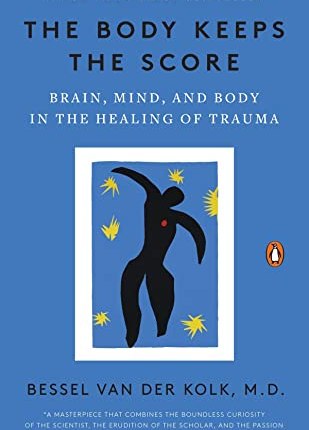
The Body Keeps the Score: Brain, Mind, and Body in the Healing of Trauma by Bessel van der Kolk

The Body Keeps the Score: Brain, Mind, and Body in the Healing of Trauma by Bessel van der Kolk

The Body Keeps the Score is a non-fiction book about how the body stores trauma and what you can do about it.

My most distressing take-away from this book was how common trauma is. Author Bessel van der Kolk discusses how people from all walks of life suffer from trauma.

Photo by Thiago Matos on Pexels.com

People suffering from these kinds of afflictions believe they’re the only ones. They try to numb the pain with drugs or alcohol and are easily triggered which brings back the pain of the traumatic events again and again.

This affects their lives, relationships and ability to trust others.

Kolk details how traumatic memories can be triggered by smells, touch and taste. He explains how powerful emotions remain behind, even after the logical mind has processed the event.

Photo by cottonbro on Pexels.com

He suggests you can’t think your way out of strong emotions.

What do we do about this?

Form a strong community around yourself with supportive relationships. Practice mindfulness and yoga- exercises that explore the mind and body connection.

Photo by Elina Fairytale on Pexels.com

Also, find a therapist who practices eye movement desensitization and reprocessing (EMDR). The author records amazing recoveries by sufferers who utilized this therapy.

Personally, I’ve practiced EMDR with a therapist and the results were astounding. I left the session feeling lighter than I have in years, having released trauma I didn’t realize I was carrying.

But, like others, I still struggle with powerful emotions stored in my body. It is a process, not a cure. And I’ve learned to take life one day at a time.

Highly recommended for readers looking for scientifically-proven ways to handle trauma.

Thanks for reading!

Or What You Will by Jo Walton

Or What You Will by Jo Walton

Or What You Will is a unique fantasy novel about a writer, one of her fictional characters, her real life, a final story she is writing, and her love affair with the city of Florence.

“I have been a character, and I have been a narrator, but now I don’t know what I am.” pg 8, ebook.

Photo by Tamara Velazquez on Pexels.com

Told from the point of view of a character inside another character’s mind and between flashbacks to real life and an on-going fictional story-within-the-story, Or What You Will sounds quite complex. But once I got into the flow of it, I enjoyed this quirky tale quite a lot.

“Readers remember you. So you’ll live on in the books. It’s the only form of immortality the real world has.” pg 53, ebook.

I loved learning about Sylvia (the fictional writer’s) life, loves, and writing process. Part of its charm is that this is a meta-filled book for readers who love the process of writing and the development of characters. It is also filled with surprising and entertaining tidbits of real history about Florence which appealed to the amateur historian in me.

Photo by Josh Hild on Pexels.com

There was plenty to enjoy in Or What You Will. My quibble with the book has to do with its ending.

After meticulously building an immersive world, or two, the author unceremoniously ends the story in a few paragraphs.

It was incredibly disappointing, especially when you consider the book is only 226 pages long (ebook). She had room to do more. In fact, I could have stayed in the world she created for twice as many pages.

That being said, the last few pages of the book made me cry. So, perhaps it was a satisfying ending in its way. I just wish it had been developed more fully.

Photo by Daria Shevtsova on Pexels.com

Other than the ending, this is a brilliant and totally unique story, unlike anything I’ve ever read. If you like Jo Walton’s other fantasies, you may want to give it a try.

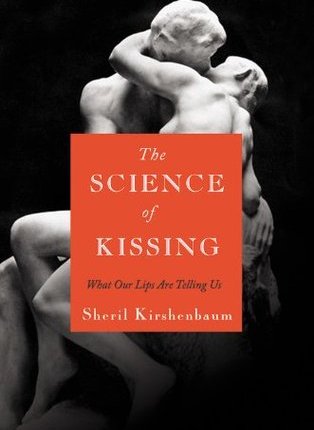
The Science of Kissing: What Our Lips Are Telling Us by Sheril Kirshenbaum

The Science of Kissing: What Our Lips Are Telling Us by Sheril Kirshenbaum

What do we know about the “science” of kissing? Researcher and author Sheril Kirshenbaum shows we know surprisingly little in The Science of Kissing.

“Kissing is a type of universal language, best interpreted by those involved in the exchange.” pg 209

Photo by Flora Westbrook on Pexels.com

To start, I didn’t know that humankind wasn’t the only species to demonstrate “kissing” behavior.

“Moose and ground squirrels brush noses. Manatees nibble at their partners. Moles rub snouts and turtles tap heads. Porcupines nuzzle noses – one of the few regions of their bodies that lack quills.” pg 29

Photo by Snapwire on Pexels.com

I also didn’t know, seems obvious in hindsight, that kissing wasn’t always a common behavior. It has spread throughout cultures and countries because of the way we’re interconnected with technology.

But that wasn’t always the case. Historians and anthropologists have recorded different attitudes towards kissing among various cultures for hundreds of years.

“… he noted that some Finnish tribes were not very interested in kissing, and observed that while the sexes would bathe together completely nude, a kiss on the lips was considered indecent.” pg 57

Kirshenbaum briefly covers a few different scientific studies into sexual behavior or kissing.

“In Alfred Kinsey’s 1948 report ‘Sexuality in the Human Male,’ for instance, kissing style was found to correlate with a person’s level of education. Seventy percent of well-educated men admitted to French kissing, while only 40 percent of those who dropped out of high school did.”

Photo by Pixabay on Pexels.com

However, I felt that the majority of this book was written anecdotally because there are so few rigorous studies that have been conducted. In fact, one of the chapters of this book consists of suggestions of studies that could be done with some of the information that Kirshenbaum compiled.

… only one in seven women answered that she would consider sex with someone she had not first kissed. Conversely, the majority of men reported that they would not be deterred.” pg 92

Despite what I perceived as a lack of hard science in here, I found the book amusing. Recommended for readers who are looking to be entertained, rather than enlightened, about kissing.

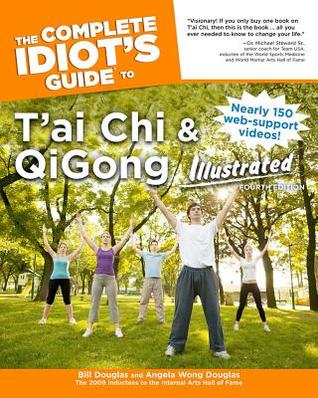
The Complete Idiot’s Guide to T’ai Chi & QiGong by Bill Douglas

The Complete Idiot’s Guide to T’ai Chi & QiGong by Bill Douglas

The Complete Idiot’s Guide to T’ai Chi & QiGong is a useful reference guide that I’ve been using in conjunction with online courses to dip my toes into the practice of both.

The first part of the book is the history of the martial and meditative arts as well as best practices. The second part is the movements.

Photo by Pixabay on Pexels.com

I liked that links to demonstrative videos are sprinkled throughout the text, somewhere over a hundred of them! It really helped the materials to come alive for me.

The way the author writes might be a little far out for readers who are looking for more scientific approaches to the practices. He touches on scientific studies that demonstrate health benefits, but doesn’t go too deeply into the science behind them. Readers who are looking for something like that may want to find a different book.

Photo by Craig Adderley on Pexels.com

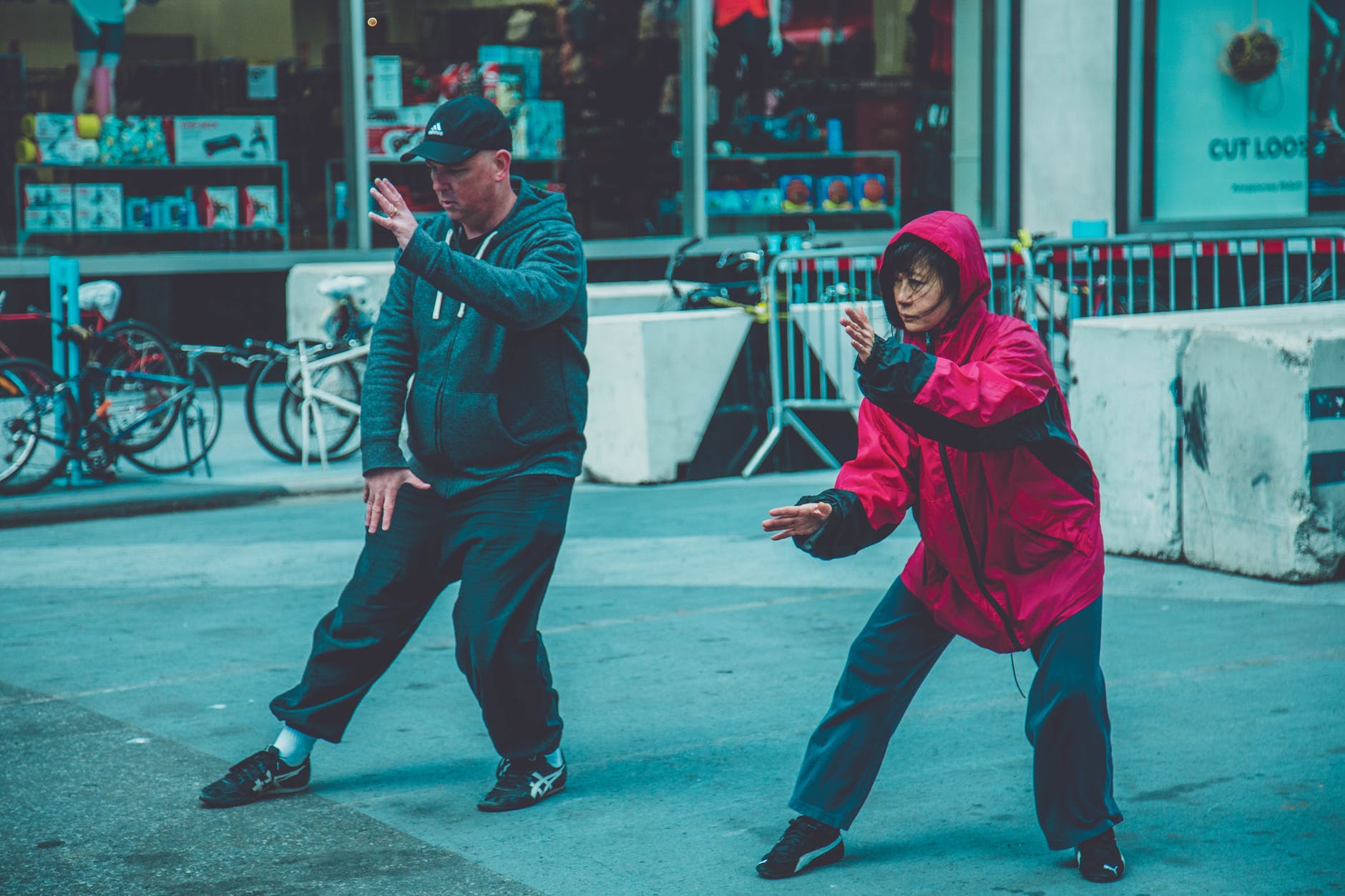
I’ve begun to incorporate both t’ai chi and qigong into my daily routine. It is a nice, restive break from the stressful day-to-day grind. As I move my body through the practices, my mind follows.

It is difficult to describe, but easy to experience if you attempt some of the movements yourself.

One of the most helpful online resources I discovered for qigong is “Qi Gong for Better Health and Wellness” by Lee Holden on Wondrium.

Highly recommended for readers at all levels of fitness. Namaste!

The Buddhist on Death Row by David Sheff

The Buddhist on Death Row by David Sheff

David Sheff examines the life and spiritual transformation of Jarvis Jay Masters, a man who has spent years on death row and in solitary confinement for a crime he says he didn’t commit.

“Even if Masters was innocent, I didn’t know what to think about the claims that he was, as his supporters described him, an enlightened Buddhist practitioner who had changed and saved lives.”

Photo by Donald Tong on Pexels.com

It is a powerful non-fiction account not only because Masters is honest and open about how he came to be where he is today, but because the spiritual lessons he has discovered throughout his experience are applicable for all of us. You don’t have to be sitting in a literal prison to feel like you’re locked in a cell and can’t get out.

The mind and heart can create suffering wherever in the world you are.

“Set in a place of unremitting violence, insanity, confusion, and rage, Masters’s story traverses the haunted caverns and tributaries of loneliness, despair, trauma, and other suffering- terrain we all know too well- and arrives at healing, meaning, and wisdom.”

Photo by Caroline Martins on Pexels.com

I don’t think you need to be a practitioner of Buddhism to appreciate the wisdom in this book. Spiritual lessons like the knowledge that can be found in self awareness and how to obtain freedom from suffering can be helpful for all of us.

I enjoyed the book so much that I read it in only a few sittings.

The lama wrote that all people have been sentenced to death- in that way, Jarvis wasn’t unique. … “We all live in a prison, and we all hold the key,” Chagdud Tulku wrote.

Photo by Pixabay on Pexels.com

Highly recommended for spiritual seekers of all types.

Thank you to NetGalley and the publisher for a free digital copy of this book.