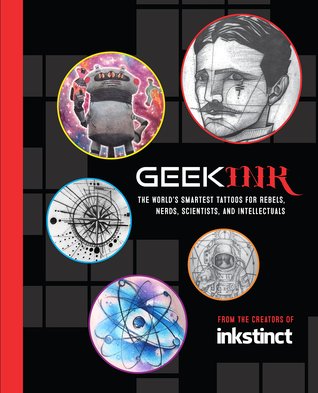
Geek Ink is a fairly representative book of “geek” culture tattoos with brief biographies of some of the tattoo artists.
I have to say though, there were far more Star Wars ideas in here than Star Trek. In that particular showdown, the Trekkies were not representing. I know there are major fans of the Star Trek franchise out there… where are you guys?! Not getting tattoos, I guess.
I was also disappointed in their collection of literary tattoos. Lord of the Rings, Harry Potter and The Little Prince were there, of course. There were a few science fiction themes. But nothing from other beloved classics like Where the Wild Things Are, or poetry, or various mythologies beyond a few generic-looking fairy tale castles.
Are book readers not into tattoos? This one is. 🙂 I was particularly drawn to the hyper-realistic tats of plants and animals.
Recommended for people looking for tattoo ideas or who appreciate gorgeous body art. Despite my quibbles, this is a beautiful book created by incredibly talented artists, and which would look great on your coffee table.
I’m not a reality tv watcher. I have no idea what show these two are from, but I’m not going to let that keep me from giving credit where credit is due.
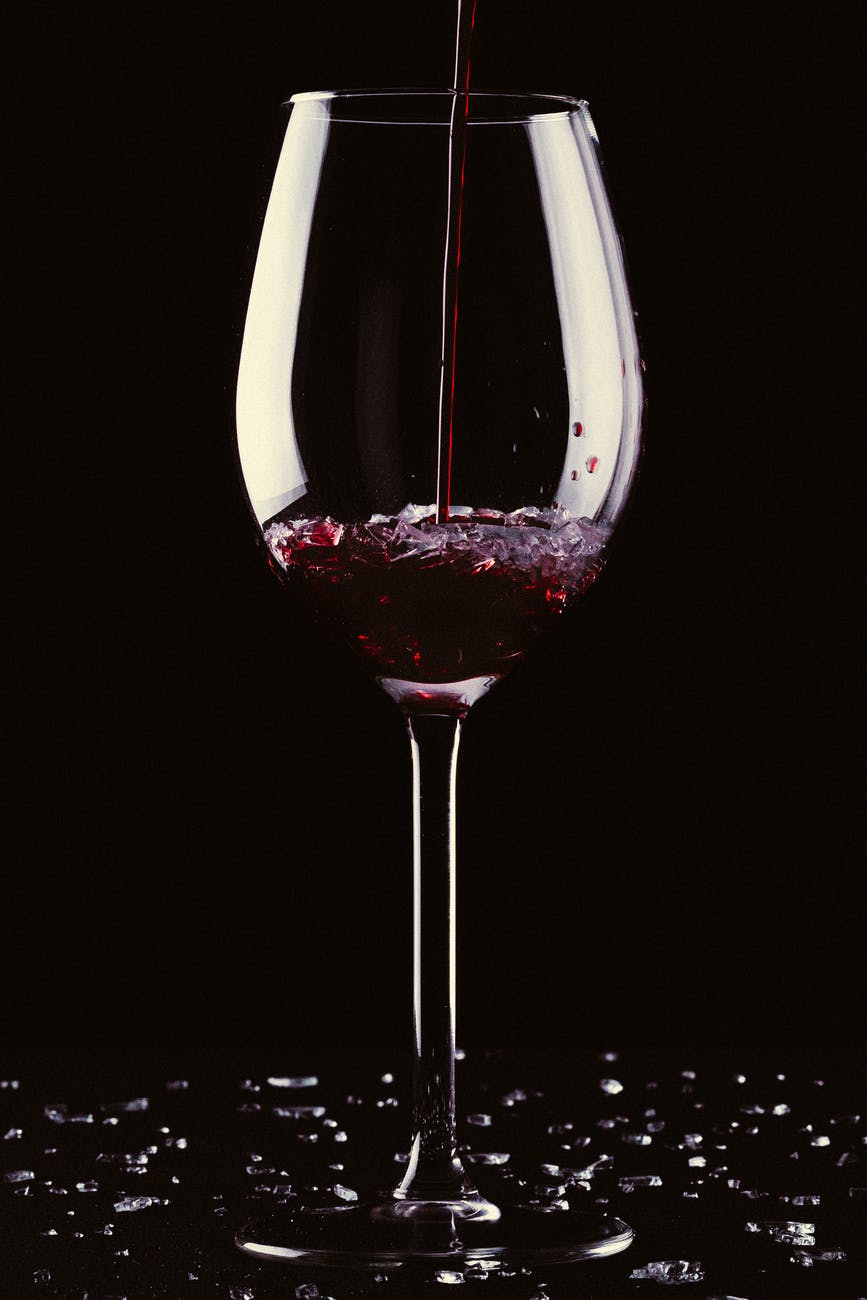
These folks know how to make a seriously fancy cocktail.
The sections of this book of drink recipes are divided into “classy,” “trashy,” “shots,” and “recovery,” which aren’t all that useful when it comes to drink classifications, but plays right into their reality show vibe.
The index at the back of the book that divides each cocktail by the spirit used in it is far more helpful and appealed to the librarian in me.
Brief autobiographical stories and recollections from the authors are included on nearly every page.
I imagine readers who have enjoyed the television show the authors feature on may enjoy it more, but I do enjoy a tell-all memoir. Of course it depends on who it’s about, but for some starlets or rock stars, I consider the tell-all memoir to be the book equivalent of mindless reality television.
The photography of Fancy AF Cocktails is a work of art. The authors are, in fact, quite fancy but the real stars of this book show are the drinks. I suggest page 95, “Salty New Yorker,” with its garnish of a caramel chocolate as exhibit one, closely followed by page 59, “Alchemy Rose,” and the hearts etched into its foam as exhibit two.
Highly recommended for readers looking to up their cocktail A-game. Thanks for reading!
“A clearly defined medieval book has a unique personality, and part of what we have been doing in our visits to collections has been to engage with manuscripts as individuals and to discover what they can tell us, which can be learned from nowhere else.” pg 569
Meetings with Remarkable Manuscripts is more than a scholarly look at medieval manuscripts. It is a book for anyone who appreciates the intersection of art, history, politics, religion, and the rediscovery of forgotten things.
Readers learn about the tremendous amount of materials and effort that went into creating the manuscripts as well as why they were created, and for whom. These details are incredibly revealing.
“The 1,030 leaves of the Codex Amiatinus would have utilized skins of 515 calves or young cattle.” pg 82
Christopher de Hamel attempts to trace the history of the books from their creation to the present. He visits libraries and museums across the world, relating stories of gorgeous buildings and caretakers both cautious and casual.
“The Book of Kells is so precious and so immediately recognizable that Bernard explained that it would be inappropriate to allow it into the reading-room.” pg 102
De Hamel has chosen twelve books from different centuries. As the reader progresses through time, the development of binding techniques, art, layout styles and more unfolds before her eyes. It is like viewing a series of snapshots about humanity, revealed through manuscripts.
A majority of the books are about religion, others war, and still others are concerned with the movement of the stars through the sky. Curiously, at least to this modern reader, the books weren’t necessarily created for the purpose of reading.
“Gospel was a work of art. It was a sacred object and a tangible symbol of divinity, enclosed in a cumdach, for sanctifying a church, for carrying in processions, for swearing oaths, and for veneration. … Mere reading was secondary.” pg 128
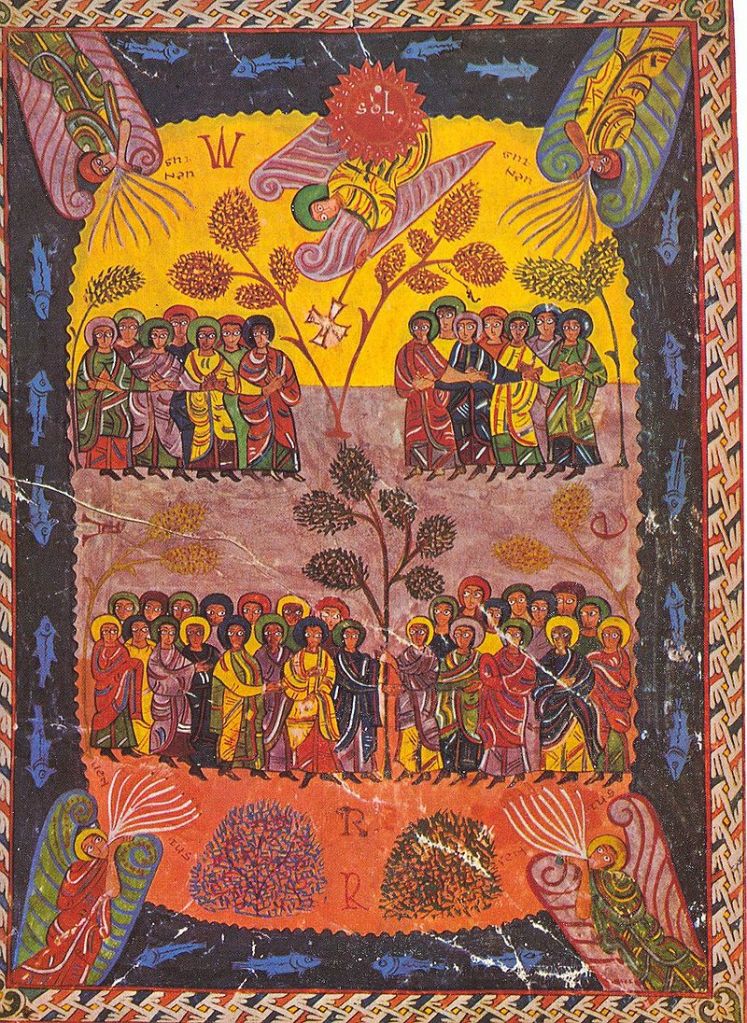
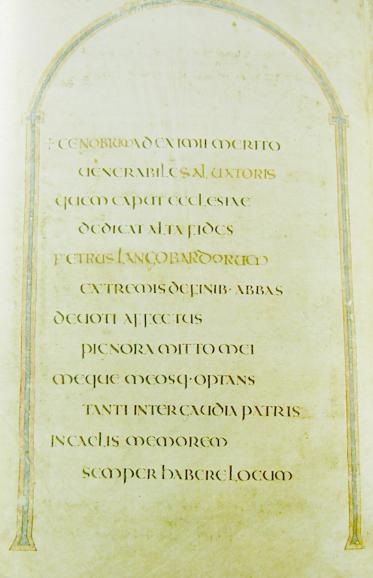
My favorite part of Meetings with Remarkable Manuscripts is the photo of the cover of each manuscript at the beginning of each chapter and the pictures of the pages scattered throughout the text.
“Those who meet famous people often remark afterwards how unexpectedly small the celebrated personage was in reality.” pg 17
This is a book that celebrates bibliophilia. The author lovingly describes what it feels like to handle the manuscripts, critiquing the art and admiring the meticulous calligraphy. He makes you feel like you were there too.
One small criticism, this is a dense read and though de Hamel does his utmost to make the topic accessible, occasionally it ventures into the niche, though fascinating, world of medieval manuscript scholarship. But he never veers too far from the path.
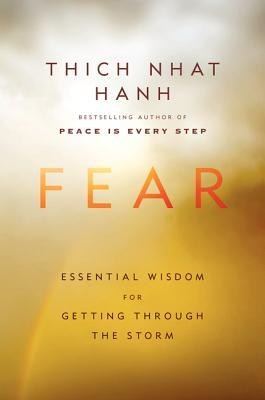
In Fear: Essential Wisdom for Getting Through the Storm, Thich Nhat Hanh simply and succinctly illuminates the Buddhist path beyond fear into an existence of freedom and joy.
“Nobody can give you fearlessness. Even if the Buddha were sitting right here next to you, he couldn’t give it to you. You have to practice and realize it yourself.” pg 6
This book is more than theory, parables and anecdotal stories. Hanh also includes various meditations to assist in the effort.
“When the Buddha was very old, just before he died, he said, ‘My dear friends, my dear disciples, don’t take refuge in anything outside of you. In every one of us there is a very safe island we can go to. … That is a place where you can take refuge whenever you feel fearful, uncertain or confused.'” pg 71
He dissects the various forms fear can take in our lives- from fear of death, grief, anxiety about the future to reconciling with painful emotions from the past.
My main takeaway from the book was, to deal with any kind of fear, we need only to approach it with mindfulness and compassion for ourselves and the suffering of others.
“We don’t try to grab on to the pleasant sensation, and we don’t try to push it away. We just acknowledge its existence. When a painful feeling comes, we do the same thing. … A feeling is just a feeling. And you are much more than that feeling.” pg 135
Hanh reminds readers that we are more than the temporary thoughts and feelings that cause so much havoc on their way through our minds and hearts. Our true nature is something else.
My favorite metaphor that Hanh employs to remind readers of this true nature is his comparison of a life to a wave.
“The wave is always water; it doesn’t ‘come from’ water, and it doesn’t go anywhere. It is always water; coming and going are just mental constructions. … Birth and death, coming and going, are just concepts. When we are in touch with our no-birth, no-death nature, we have no fear.” pg 50
I appreciated the reminders and found a lot of comfort in these pages. I hope other readers find the same.
Recommended for readers who are interested in learning and utilizing Buddhist philosophy and techniques to overcome any fear or other unpleasant emotion that may be in their lives.
Embrace Your Weird is a non-fiction and self help manifesto encouraging creativity and told in Felicia Day’s unmistakably humorous way.
I say “unmistakable” for any of her myriad fans who have watched her ground-breaking web series, “The Guild,” or read another of her books like You’re Never Weird on the Internet. Her tone and sense of humor remains the same.
And if you haven’t had the chance to enjoy any of Day’s other creations, I encourage you to give them a try. They’re light-hearted and fun.
“Aside from (over)sharing a lot of my opinions, I have filled this book with exercises designed to uncover the joy of creativity. To help people beat back the fear that keeps them from trying new things.” pg xi
On almost every other page, Day encourages readers to stop a moment and draw a picture, fill out a list, or write empowering messages over and over so that they’ll sink in. The act of reading this book is nearly a creative act in and of itself. (Sadly, I couldn’t do this because I was reading a library book. Suggestion for future readers: buy yourself a copy.)
“No, I don’t think creativity is a cure-all. But I do believe it could be a cure-most.” pg 29
Besides reminding readers that we have unique voices and viewpoints that the world needs to hear, Day loosely structures the rest of the book off of life viewed as a game. She asks us to remember our “hero-self,” identify “enemies” and “allies” of our creativity, and to view the steps we take towards creation as “quests.”
Day also shares moments in her life when she’s completed or failed attempting various pieces of this philosophy in her own life.
“I constantly hand my heart over to strangers to batter however they wish, and I wonder why I’m constantly wounded all the time, and this makes me reluctant to create. Good way to operate? NOT REALLY!” pg 143
As I said, the whole book has a definite Felicia Day vibe. And it’s fun!
“Playfulness is the root of all creation. All invention. All discovery. There is no reason NOT to feel joyous when we make things.” pg 206
She wasn’t afraid to tackle all sorts of hang-ups people might have in their creative process. Day nailed my biggest issue: finishing projects once they’re started.
“But we will never get anywhere if we don’t focus on one thing at a time. And then see that thing through before moving on!” pg 239
Message received. Now to put it into action…
Recommended for anyone looking to start or jump start their creativity. This book is an excellent place to begin. Thanks for reading!
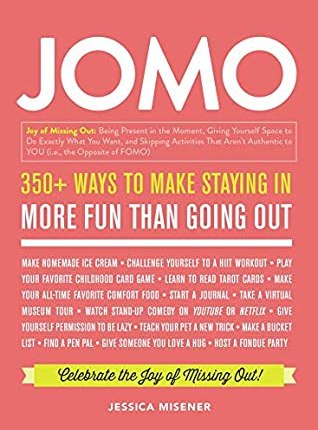
JOMO or “the joy of missing out” lists “350 plus ways to make staying in more fun than going out.” Unfortunately, a large number of these suggestions included books to read or programs to watch. In my mind, all of those fit into one of two categories, reading or watching television.
“Because skipping a night on the town doesn’t mean you’re missing out on life – you’re just missing out on someone else’s idea of what your life should look like.” pg 7
The rest of these seemed repetitive, as I mentioned, or uninteresting.
Perhaps this book would have been more enjoyable in the pre-COVID world, when I hadn’t been quarantining at home for months, disappointed with the state of the world and feeling stymied. Maybe I could have gotten into “make a homemade pizza” or “rearrange your furniture.” But things have moved beyond expecting the completion of simplistic tasks to hold the answers to life’s problems, at least for me.
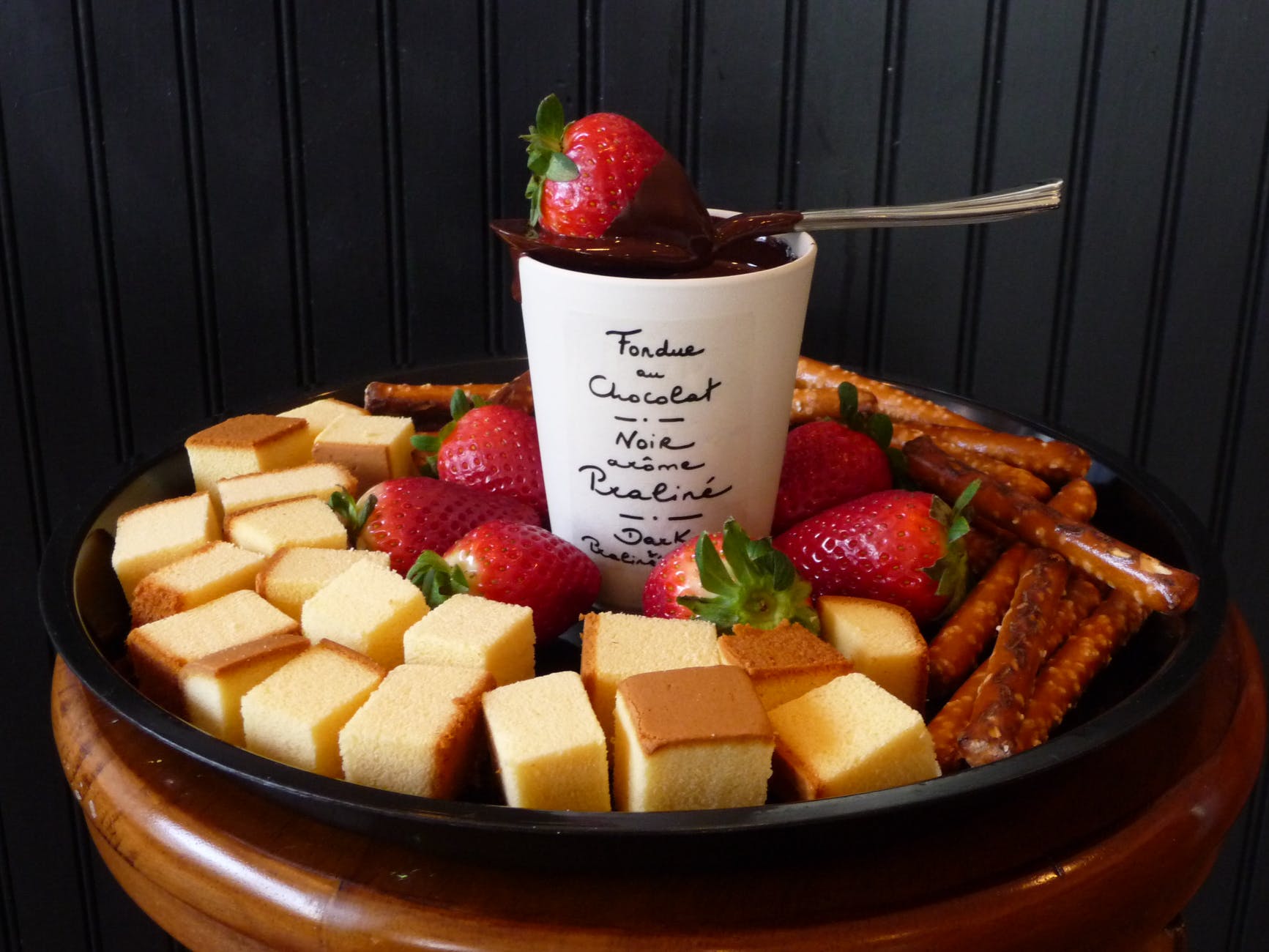
“Host a fondue party,” that appears on the cover of this book, seems like something that happened in another world. Will we ever get back there?
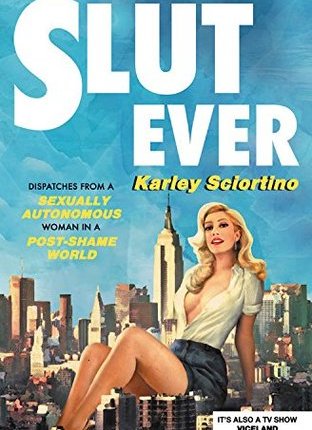
“Without question, if I weren’t a slutty as I am, my life thus far would have been far less interesting. … But my sluttiness has also been the cause of many existential bathroom-mirror moments.” pg 8, ebook
Karley Sciortino, sex blogger and author, has led a self-described colorful life. It certainly comes through in this tell-all memoir.
Through her experiences, Sciortino has proudly embraced her sexuality and her place in society as a woman who knows what she wants in the bedroom, and takes it. This hasn’t been a simple path.
Part of her struggles are society’s views and programming about “slutty” women.
“It’s a no-brainer that we’re influenced by the people and stories that make up the culture around us. And it’s difficult to cite an example, either real or fictional, of a happy, healthy, promiscuous person – let alone a woman.” pg 8, ebook
The rest of her difficulties seem to stem from a lack of self knowledge or awareness. Sciortino isn’t afraid to tackle any and all issues head on in her own unique way.
“…my goal isn’t to be good or normal or accepted. My goal is to be free. (And maybe also to troll society a bit in the process, for good measure.)” pg 12, ebook
It took me a couple chapters to get into this memoir. Sciortino’s writing style is frank to the point it sometimes feels abrasive, but it maintains an honest delivery throughout.
“My biggest revelation of the saga was that group sex is amazing for when you’re drunk, because you can just take a time-out whenever you’re bored or tired and someone else will literally take over for you. Genius.” pg 24, ebook
The early part of the book is fixated on sexual experiences and experimentation. As she delves deeper into her underlying motivations and psychology, Sciortino begins to get to the heart of matters. That’s when I felt this book became worth the read.
She had me asking myself some difficult questions: Why is sexuality such a complex issue? Why should people, in the privacy of their own homes and with proper consent, care what others think?
Why are there different standards for men and women?
And why is sexuality, which can play such a large part of the happiness in our lives, so difficult to talk about? (For some, not Sciortino, obviously.)
Recommended for mature readers who don’t mind a nearly stream-of-consciousness style of writing as well as a thick skin to push through Sciortino’s delivery to get to the meaning behind the words – because there is meaning to be found.
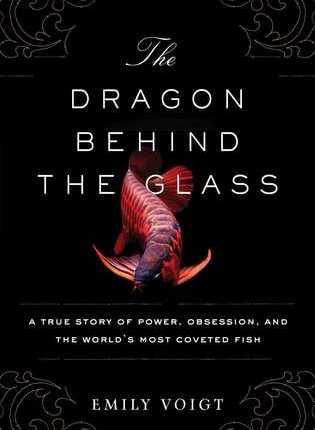
The Dragon Behind the Glass documents journalist Emily Voigt‘s descent down the rabbit hole of fish collecting, money, power, and scientific exploration in some of the most remote locations in the world.
“A pair of whiskers juts from its lower lip, and two gauzy pectoral fins extend from its sides, suggesting a dragon in flight. This resemblance has led to the belief that the fish brings prosperity and good fortune, acting as a protective talisman to ward off evil and harm.”
Though it starts off with a major hook, Voigt takes the reader to a crime scene where a pet store owner appears to have been killed for his shelf of rare fish, the book begins to meander after that and never gets back to the compelling pace of the opening.
That is not to say there aren’t some fascinating history and fish-related trivia tidbits. In fact, the majority of the book consists of that.
“… the keeping of pets reflects our hunger for status symbols, for what the philosopher Jean-Paul Sartre called the ‘carnal, clinging, humble, organic, milky taste of the creature,’ which underlies all luxury goods. The modern pet shop first appeared in American cities in the 1890s; and with it began the mass importation of exotic animals from Asia and South America.” pg 21, ebook.
Voigt explores the history of aquariums, pet-crazes throughout history, and the ascendance of the arowana as the pet fish of choice in the East. Complicating matters, the arowana has become incredibly rare in the wild, partially due to its desirability among collectors, but also because of the destruction of its native habitat.
“The most highly coveted – or at least the traditional favorite – is the legendary Super Red, native to a single remote lake system in the heart of Borneo. … As late as 2008, researchers with Conservation International reported that rural Cambodians were still eating greens, even as wild populations plummeted due to over-harvesting for the aquarium trade.” pg 30, ebook
Like other rare and precious commodities, the interest and money surrounding the arowana has led to some shady dealings. I wasn’t too surprised by the alleged criminal activity Voigt describes among collectors. But I was flabbergasted by the fierce competition among some scientists in the rush to catalog and name the increasingly rare fish.
Perhaps that’s naive of me. Scholars jockey for prestige as much as anyone else. I suppose I’ve never stopped to think about it.
I was also surprised by how many species are out there that science has not studied yet.
“When I first set out to report on the Asian arowana, I figured I would start by finding the researcher studying the species in the wild- only to realize no such person exists. The popular illusion that modern science has the entire living world covered, that there is an expert analyzing every crevice, is far from true.” pg 205, ebook
Recommended for readers who are interested in a detailed study of fish, travel and history. It’s a slow-paced adventure, and not for everyone, but there are some treasures to be found if you stick with it.
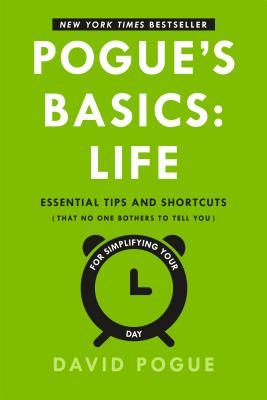
David Pogue and his team tested every suggestion in this book to verify that each works the way it is supposed to.
The result is a gem.
“… the morsels in this book describe features hidden right under our noses, features that lots of people don’t know about. As well as ‘Everyone’s been using it wrong’ insights. Plus tips that are clever, unexpected, and useful.” pgs 5-6
I knew some of the tips in these pages, but certainly not all of them.
When I’m done with this book, I’m going to gift it to my pre-teen, who thinks she knows everything but obviously doesn’t. I think she’ll find this incredibly handy in a few years.
Who knew? I didn’t. That’s one of the tips I’ve already used to make my life easier.
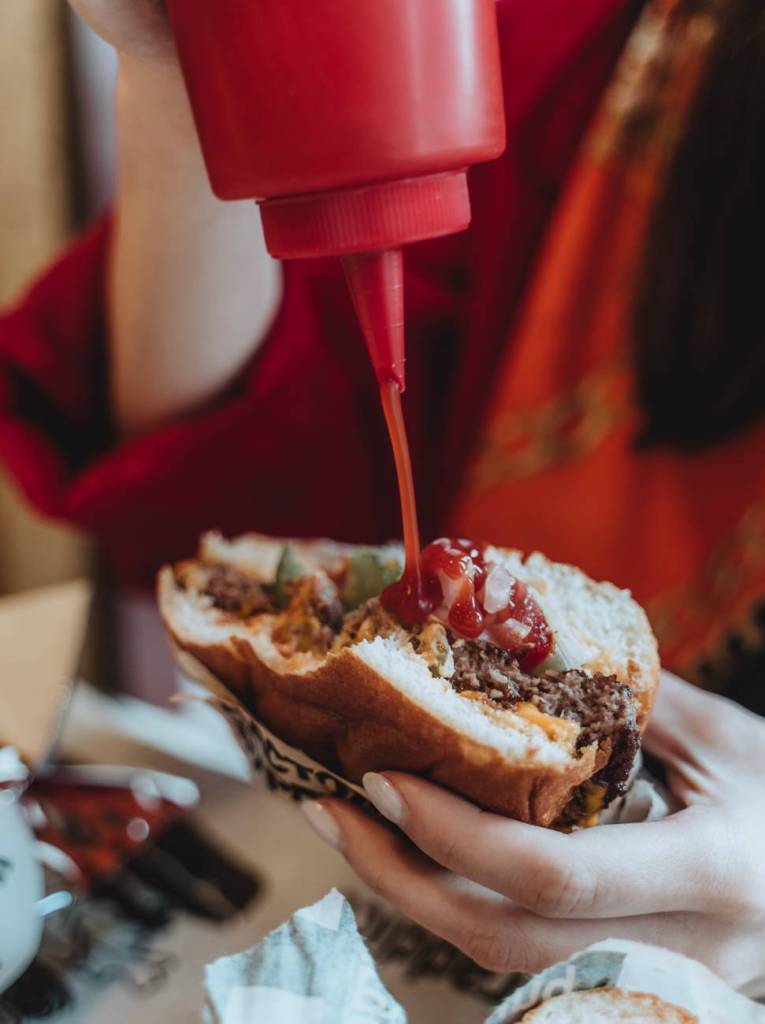
I’ve also utilized the tip for how to get ketchup out of the bottom of the bottle. And no, it’s not leaving it upside down and leaning against something for two hours though that does work. It is a much more immediate solution.
Some of the technology tips may be outdated, only because this book was printed in 2015. But I haven’t tested them all yet, so don’t hold me to it. It’s one small section in a stellar lineup of life “basics” that cover topics including the car, travel, food, clothes, your body, animals, house and home, and more.
Highly recommended for anybody who’s looking to make their lives a little bit simpler. Let’s be honest then, that’s everybody.




















 The Help Desk Book Blog