Passport to Magonia: On UFOs, Folklore, and Parallel Worlds by Jacques F. Vallée

Passport to Magonia: On UFOs, Folklore, and Parallel Worlds by Jacques F. Vallée

Jacques F. Vallee was one of the first scientists to closely study UFO phenomenon. He goes beyond a simple examination and compares it to the fairy religions and mythologies from the past. Passport to Magonia is one of his most well-known works.

Vallee also mentions, in the new preface that he wrote for the book in the early ’90s, of the difficulties that he had compiling the thousands of eyewitness accounts that are included in Passport to Magonia. I suppose with the easy connections to the internet that are available now, that I hadn’t considered how laborious it would be to gather all of that information together in the time before computers.

Photo by Cliford Mervil on Pexels.com

At the very least, Passport to Magonia can be admired for its thoroughness in the section: “A Century of UFO Landings.” It is approximately 150 pages of account after account of UFO encounters. The amount of information, types of witnesses and manner of UFO phenomena is truly mind-boggling.

Some of the standout examples for me are: Juan Diego’s tilma and the sky anchor that was left behind in 1211 a.d. at a church in Cloera, Ireland. And, Aleister Crowley’s run in with two gnomes or aliens.

Vallee cites the book, Magick Without Tears, for the Crowley experience. It makes me so curious- I may just have to look into it.

So many of these accounts are beyond belief, which makes for great reading, but which Vallee reminds the reader, cannot be taken at face value.

He reminds us of our inability to understand the accounts even as he seeks to understand them. Futility, thy name is Passport to Magonia?
Photo by Felix Mittermeier on Pexels.com

Readers who enjoy UFO literature will probably enjoy this classic book. Vallee doesn’t provide the answers, but he has crafted a framework for UFO exploration beyond the usual acceptance or denial of a puzzling and reoccurring phenomena.

Thanks for reading!

Ali in Wonderland: And Other Tall Tales by Ali Wentworth

Ali in Wonderland: And Other Tall Tales  by Ali Wentworth
aliinwonderland

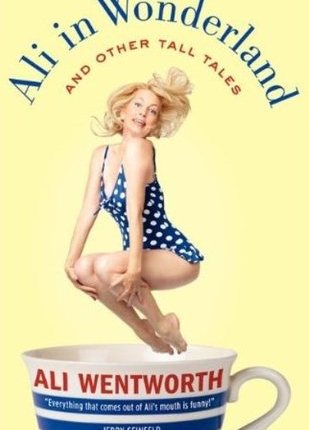
Ali in Wonderland is Ali Wentworth‘s collection of stories from her childhood in Washington D.C. with her mother and stepfather all the way to her marriage and becoming a mother herself.

Ali is at her best when she’s remembering teenage hi-jinks. Some of her memories with her sister and boarding school pals are hysterical.

Other stories are terrifying. Ali recounts walking to her car one night and being accosted by a gang. Or there was the time she hitched a ride with a man who was apparently very drunk.

But, once Ali moves from her childhood into adulthood, this memoir loses some of its luster.

The chapters about meeting her husband for the first time, barfing continuously during pregnancy and why her children are special don’t have the same draw as the rest of the tales.

Maybe she started to run out of ideas? I don’t know. But the last few chapters felt tacked on to me.

Only recommended for big fans of Ali Wentworth. Side note: the author reads the audiobook herself.

Thanks for reading!

#GIRLBOSS by Sophia Amoruso

#GIRLBOSS by Sophia Amoruso

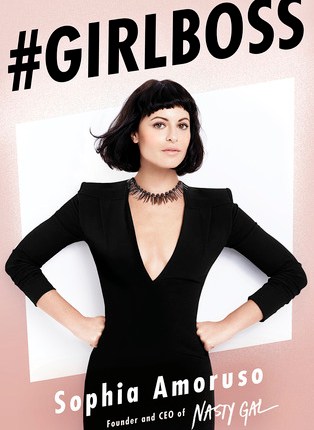
#GIRLBOSS is Sophia Amoruso’s story about her wild childhood, unlikely and extraordinarily successful business venture and her treatise on how to be yourself and bring what is unique to you to your professional life.

I googled Sophia after I finished this book and was dismayed to discover she has declared bankruptcy.

It seems she still has a successful motivational speaker program going on, but, for whatever reason, her business hasn’t worked out.

I suspect, she will land on her feet and start again. That is a large part of the philosophy contained in #GIRLBOSS.

Photo by Sam Lion from Pexels

“In about eight years, I went from a broke, anarchist ‘freegan’ dead set on smashing the system to a millionaire businesswoman who today is as at home in the boardroom as she is in the dressing room. I never intended to be a role model, but there are parts of my story, and the lessons I’ve learned from it, that I want to share.” pg 23, ebook.

Sophia believes in being yourself. Let your freak flag fly. Embrace your weirdness- because that is what ultimately makes you great.

“#GIRLBOSS is a feminist book, and Nasty Gal is a feminist brand in the sense that I encourage you, as a girl, to be who you are and do what you want. Being a Girlboss is as much about being the boss of your career as it is of your home.” pg 29, ebook.

Photo by Skylar Kang from Pexels

Between Sophia’s business tips and memoir, she includes quotations. Such as: “It was the straying that found the path direct – Austin Osman Spare.” pg 56

In her case, that was absolutely true. Sophia wanted a job where she didn’t have to work and could get paid for doing, essentially, nothing.

She found that job and surfed the internet most of the time. In doing so, she studied online communities like MySpace and eBay and concluded that she could network and sell items with the best of them.

And she did.

Photo by cottonbro from Pexels

Sophia is a believer in creating your own reality: “… there’s also the everyday kind of magic that we make for ourselves. And that’s really not magic at all. It’s just recognizing the fact that we control our thoughts and our thoughts control our lives. This is an extremely simple, totally straightforward concept, but for a lot of people, it’s so alien that it might as well be magic.” ebook, pg 109.

Sophia, like Obi Wan Kenobi, does not believe in luck. She believes in hard work, action and selective focus.

“Focus on the positive things in your life and you’ll be shocked at how many more positive things start happening. But before you start to think you just got lucky, remember that it’s magic, and you made it yourself.” ebook, pg 115.

Come bankruptcies and whatever else, I believe Sophia Amoruso will be just fine. Don’t you? 🙂

And have you watched the #GIRLBOSS series on Netflix? I did and it didn’t appeal to me as much as this book did. Not recommended.

Thanks for reading!

Remodelista: The Organized Home by Julie Carlson

Remodelista: The Organized Home by Julie Carlson
remodelista

Remodelista is another de-cluttering book. This one encourages readers to utilize storage containers made out of natural materials, to hang items in unexpected places and to make your space functional and beautiful.

Maybe I’ve reached my limit on these types of books. For example, I loved The Life Changing Magic of Tidying Up, but that was one of the first books of this kind that I read.

I know not everyone responds well to Marie Kondo’s philosophy of considering the spirit of your stuff, but that clicked with me, for whatever reason. Must be a hippie thing.

I thought this one was a bit ridiculous. It just wouldn’t work for me in my real life with my crazy pets, busy family and serious amounts of stuff.

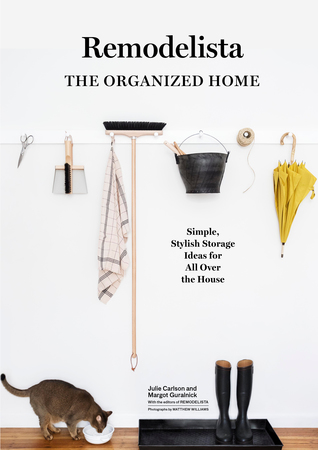
My main problem with this one is illustrated quite clearly on the cover. We’ve got two brooms, a towel, an umbrella, some string and a large bucket hung right over a cat drinking from a water bowl.

I can think of a hundred reasons why that wouldn’t work for me, but let’s start with three:

First of all, the kitties would think I was trying to kill them- hanging menacing items over the watering hole. And, let’s be honest, with my poor hanging-things-up skill, it just might.

Photo by Pixabay on Pexels.com

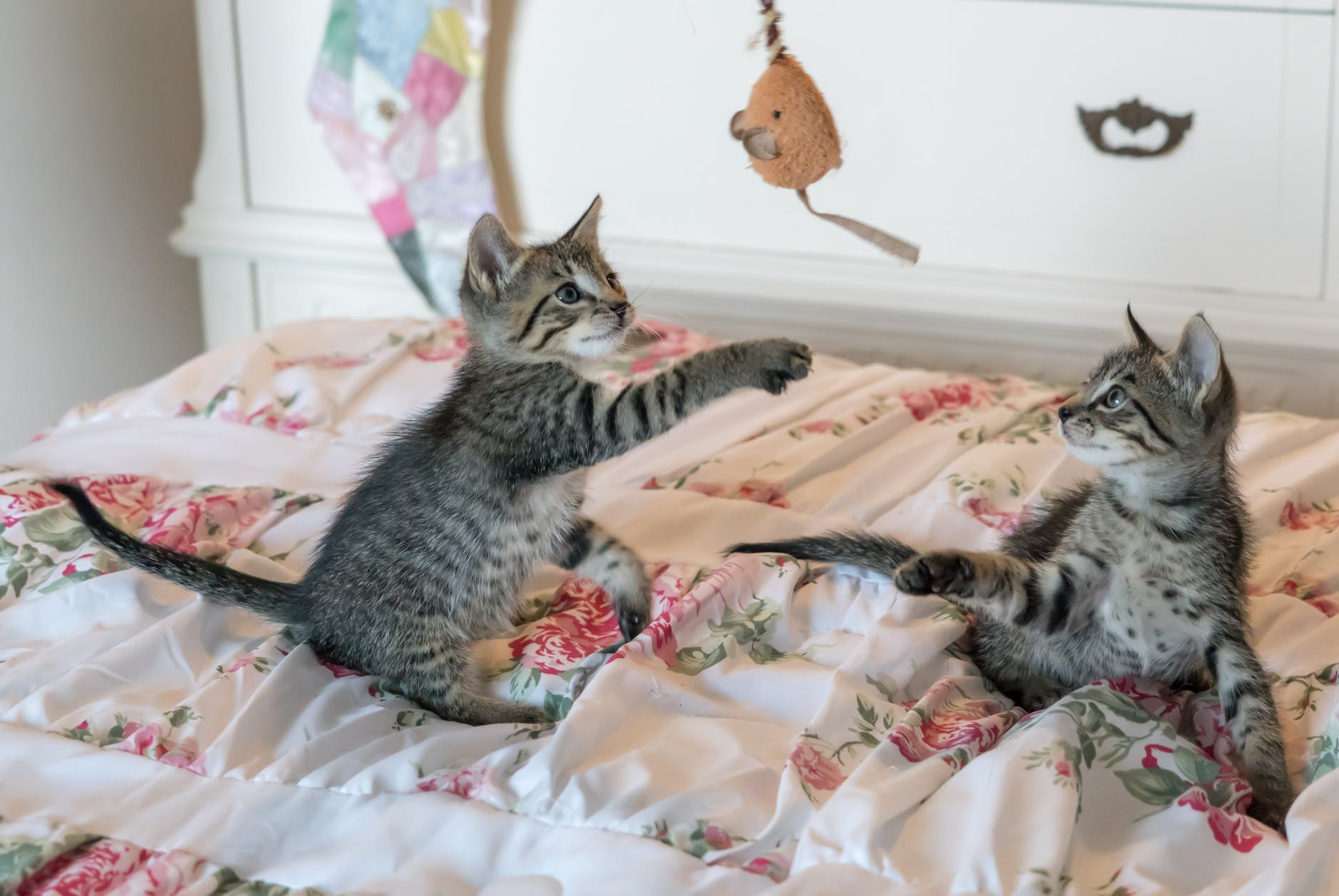
Second, putting string high up but visible is inviting a kitty disaster. They would hunt the heck out of that string, probably using the umbrella as a climbing wall to get to it, destroying my artfully arranged buckets and mops in the process.

Third, where would I put the rest of my family’s entryway stuff? We’ve got a lot more than that in just umbrellas, not even counting the brooms, swiffer mops, you-name-it.

The result: easy-to-maintain spaces that are both orderly and artful, personal and purposeful. Because, ultimately, the goal isn’t a flawless, impossible-to-maintain showcase. The aim is an unencumbered life in a house that makes you happy.” pg 9.

All of the rooms and cabinets in this book had like three things in them. It’s just not realistic.

Photo by Anastasia Shuraeva on Pexels.com

That being said, I did like the “Daily Rituals” on pg 18. The authors included “seven simple habits” to adopt every day to make your life easier. They include activities like making your bed and opening the mail.

I can handle that.

I also liked the ‘Herb and Spice Drawer’ suggestion on page 70. My spices are a jumble of bottles and sizes and it’s nearly impossible to find anything quickly.

Photo by monicore on Pexels.com

The authors suggest storing herbs and spices in: “Uniform glass jars- we like small paint jars from the art supply store.”Then, label the tops. It’s a simple solution but one that never occurred to me.

Only recommended for people who have calm cats and very few items. Other than the suggestions mentioned, I can’t see myself using very many of the tips from Remodelista.

Thanks for reading!

The Only Girl in the World: A Memoir by Maude Julien

The Only Girl in the World: A Memoir by Maude Julien
onlygirl

The Only Girl in the World is an extraordinary memoir about madness, control and the survival of horrific childhood abuse.

Maude Julien’s father Louis chose his future wife and mother of his child, Jeannine, when she was only six and he was 34. He became Jeannine’s guardian by promising her family that he would provide her with a quality education.

Then: “Twenty-two years after he took possession of Jeannine, Louis Didier decided the time had come for her to bring his daughter into the world… Louis Didier liquidated his assets, bought a house near Cassel, between Lille and Dunkirk, and withdrew to live there… to devote himself entirely to carrying out the project he had devised back in 1936: to make his child a superhuman being. That child was me.” loc 73, ebook.

Unfortunately, to “make his child a superhuman” involved leaving her alone in a dark, rat-infested basement, sleeping in a room without heat, eating stale bread, practicing music for 12 or more hours a day and being entirely separated from any other children her age.

That’s where Maude got the title of this memoir: The Only Girl in the World

I have not read a childhood account this disturbing since A Child Called It by Dave Pelzer.

Maude’s father was unhinged. “My father is convinced that the mind can achieve anything. Absolutely anything: it can overcome every danger and conquer every obstacle. But to do this requires long, rigorous training away from the impurities of this dirty world.” loc 247, ebook.

Photo by Marcelo Jaboo on Pexels.com

He asks Maude to do things he cannot do like perform somersaults or swim in freezing water. He shows no affection to either his child or his wife.

Louis makes the females of the house wait on him as if he is an invalid. He makes his child hold a chamber pot each morning while he empties his bladder.

He’s a controlling monster.

Louis has strange beliefs about water and soap removing the body’s immunities so he insists that Maude only bathes once a week or less. And, when she is finally given the opportunity to bathe, she must use his dirty bathwater to “take strength from him.”

Photo by Sora Shimazaki on Pexels.com

And she can’t count on protection from her mother, who was groomed by Louis to do anything he asks of her. Jeannine actually blames Maude for Louis taking them to live in the middle of nowhere. It is very sad.

Maude’s only friends are her pets, whom her father abuses as much as he hurts Maude. “Can an animal teach a person about happiness? In the depth of my despair, I am fortunate to have this incredible source of joy.” loc 685, ebook.

Even worse, Maude is abused by the few adults Louis allows in their lives. (Trigger warnings for those who were sexually or physically abused as children.)

Though incredibly disturbing, The Only Girl in the World is ultimately a story of survival against all odds. The human spirit is incredibly resilient as Maude’s tale illustrates.

Photo by Pixabay on Pexels.com

Perhaps she is more superhuman than even she realizes. Highly recommended.

Thank you to NetGalley for a free digital copy of this book.

Thank you for reading!

Living Oprah: My One-Year Experiment to Live as TV’s Most Influential Guru Advises by Robyn Okrant

Living Oprah: My One-Year Experiment to Live as TV’s Most Influential Guru Advises by Robyn Okrant
livingoprah

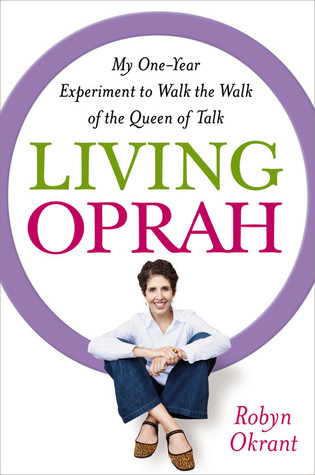
Living Oprah is Robyn Okrant’s account of how she spent one year conscientiously following the advice Oprah dishes out to millions of women across America.

If Oprah said to read a book or watch a film, Robyn did it. If she advised de-cluttering, new make-up tips or relationship work, Robyn was on-board.

For the most part, I enjoyed this quirky book, but I also found it to be slightly repetitive- similar to what Robyn found following Oprah to be after a few months.

She starts out with high hopes: “Could Oprah’s guidance truly lead a woman to her ‘best life,’ or would it fail miserable? Is it even possible to follow someone else’s advice to discover one’s authentic self?” pg 4.

We all discover the answer to be no. But, Robyn gives it a good run because: “It’s vitally important for women to question the sources of influence and persuasion in our lives. We are inundated with get rich/get thin/get married suggestions every time we turn on the TV or walk by the magazine rack. And sadly, we tend to judge ourselves against seemingly impossible standards.” pg 11.

I liked her thought process throughout the year. I also thought her reasoning for doing the experiment was excellent: “One of the reasons I was drawn to Oprah as a subject for this project was my continual search for new ways to manage my pain, keep my self-esteem from faltering, and ease the stress and fear associated with scoliosis.” pg 36. In some ways, Robyn was sort of Oprah’s target audience.

Photo by Jean van der Meulen on Pexels.com

My favorite part of this book was when Robyn was trying to follow Oprah’s advice to read Eckert Tolle’s A New Earth and live by its precepts, while still engaging in the consumerism and self improvement programs Oprah touts on her program each week.

“It’s also uncomfortable to enjoy a celebrity lovefest on Oprah after I’ve spent an hour competing my reading assignment for A New Earth. Oprah’s Book Club selection focuses on separating ourselves from our ego and learning to connect with people on an authentic level rather than a superficial one. I don’t see how a segment on the show glamorizing Mariah Carey’s lingerie closet supports the work Oprah’s asked us to do.” pg 72.

Robyn comes to the conclusion that if Oprah’s viewers followed all of Oprah’s advice, they quickly wouldn’t need her anymore to live their best lives. Part of Oprah’s draw is that she has viewers convinced there’s always something more to be improved upon, tweaked, de-cluttered or examined.

It is a never-ending process of evolution. That is why Oprah’s built her empire and also why women don’t stop watching.

And sometimes it’s the promise of ‘infotainment’ that keeps viewers coming back: “Oprah frequently reminds her guests and audience that her tell-all shows are not pulp entertainment, they are for our education. I do take her warning to heart but think that if this is something we must constantly be reminded about, maybe a different format is in order.” pg 57-58

I’ve never been a huge watcher of Oprah (or any tv for that matter), but I still enjoyed this book for it’s honest examination of hero worship, popular culture and the self improvement industry. I think Oprah viewers may enjoy this book even more.

Thanks for reading!

I Was a Child by Bruce Eric Kaplan

I Was a Child by Bruce Eric Kaplan
iwasachild

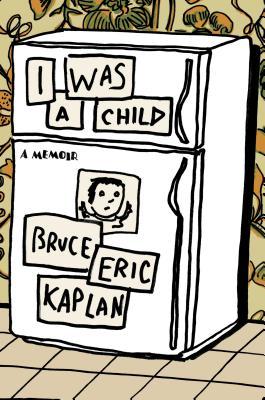
I Was a Child is Bruce Eric Kaplan’s (BEK) memoir and is written in a stream-of-consciousness style with small, hand-drawn cartoons interspersed throughout the text. Each blurb is a recollection of an event, time, television show, piece of furniture in the house, anything and everything from BEK’s childhood.

I’m not familiar with BEK’s work but his bio talks about his cartoons appearing in The New Yorker. I can see why he’s so popular.

The drawings are simple but somehow manage to convey a great depth of emotion and meaning.

They reminded me of the small drawings in Roald Dahl‘s books. I looked up the illustrator for those and Google tells me it’s Quentin Blake.

Both share a sparse, black-line look with no color to bright up the design. However, there’s something very powerful about the pictures… it’s hard to describe.

I Was A Child may be a book that one has to read to really experience what it’s all about.

I’m not as old as the author, but I connected with many of his memories because, despite what other people may tell you, we were all children once.

This memoir is quite unique but if you like it, you may want to try Today is the Last Day of the Rest of Your Life. It is more of a graphic novel than this, but it is also a memoir about growing up and change that is drawn with simplistic black and white panels.

I received a free advanced reader’s copy of this book through Goodreads First Reads. FTC guidelines: check!

Thanks for reading!

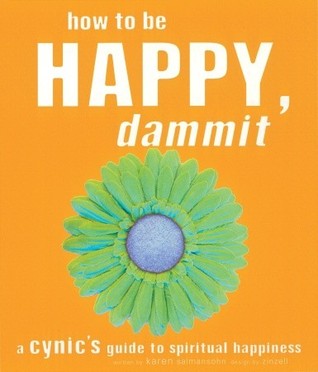
How to Be Happy, Dammit: A Cynic’s Guide to Spiritual Happiness by Karen Salmansohn

How to Be Happy, Dammit: A Cynic’s Guide to Spiritual Happiness by Karen Salmansohn

How to Be Happy, Dammit is a succinct, brightly colored treatise on enlightenment. Coming in around 230 pages with only a few words per page, this is a book that can be read over the course of a lunch hour or *ahem* during other short breaks in your life on a porcelain throne.

Photo by Andre Furtado on Pexels.com

It doesn’t use an abundance of coarse language (see title), but it does utilize a few words to get the point across.

The book is broken down into short life lessons that feed into the next. “Life Lesson 1: Pain exists. Life can hurt. Like a lot. Even when you’re good, you can get whacked. Without apology. Without explanation.” pgs 14-15.

That’s the life lesson about being born. Can’t really argue with that.

My child was born wailing before she was even entirely out. I was wailing too, for different reasons of course, but life can hurt. No doubt.

I found meaning in “Life Lesson 6: Never go shopping for kiwis in a shoe store. Some people just don’t have what you need. So why waste time, banging on their doors, ringing their bells, demanding service?” pgs 38-39.

Photo by PhotoMIX Company on Pexels.com

I think I’m still learning that one.

“Life Lesson 19: This is a world of duality: of good and bad, yin and yang, decaffeinated and caffeinated. So you must always be prepared!” pg 112. Decaffeinated? Poor souls…

In the chapter on self-programming, we get this wisdom: Life Lesson 27: The world is your mirror.” pg 174.

Photo by Mauru00edcio Mascaro on Pexels.com

I don’t think folks realize that either.

Recommended for people who are interested in spirituality, but don’t necessarily have a lot of time or patience for more touchy-feely books. How to Be Happy, Dammit delivers on its title. Now let’s all go be happy. Dammit. 🙂

Thanks for reading!

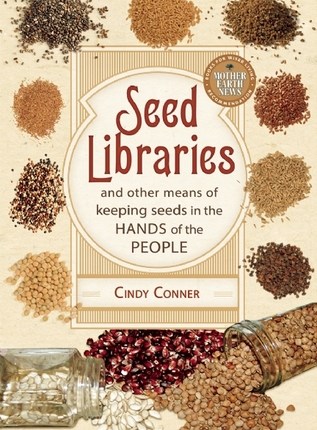
Seed Libraries: And Other Means of Keeping Seeds in the Hands of the People by Cindy Conner

Seed Libraries: And Other Means of Keeping Seeds in the Hands of the People by Cindy Conner
seed libraries

Seed Libraries gives readers the tools and know-how to set up their own seed distributing communities. The community could be through a public library, informal seed swap, or other location.

Cindy goes into enough detail about the specifics so that first timers or inexperienced gardeners can get an overview of what will be required, but not so much information so that the reader feels overwhelmed.

Even though I knew a bit about seed because I have an uncle who has owned his own seed company since the early 80’s, I found this book useful and informative.

Through his experience, I learned how seed producing mega-companies introduced hybrids into the supply that will only grow one season. This hurt the smaller, local seed companies (like my uncle’s) that processed seed for the farmers who grew it and then used it to plant the next crop.

He was forced to expand his company away from seed processing, which was once a major part of his enterprise, in order to stay in business.

Photo by Viktor Smith on Pexels.com

The farmers, who only purchased seed every couple of years and grew out their own plants to save money, were forced to buy seed every year. It was a huge shift in how planting and seeds were handled.

It also changed who controlled the food supply.

If there is a way that I can help get seed back into the hands of local people, I’m all for it.

The afterword to this book discusses a legal challenge presented by the state of Pennsylvania to a public library that wanted to start a seed library there. I was wondering what Illinois has to say about seed libraries.

Maybe I should look into it.

I’m very excited about the possibilities that Seed Libraries and Other Means of Keeping Seeds in the Hands of the People has sown in my mind. If you’re interested in starting one of these in your town, this text is definitely required reading.

I received a free copy of this book through Goodreads First Reads. FTC guidelines: check!

Thanks for reading.