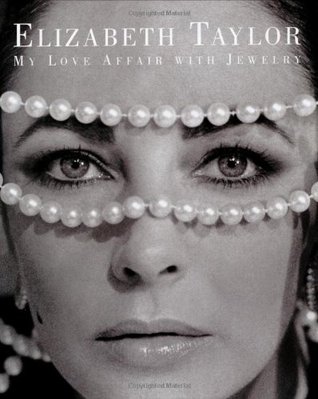
Elizabeth Taylor: My Love Affair with Jewelry by Elizabeth Taylor

Elizabeth Taylor: My Love Affair with Jewelry by Elizabeth Taylor

“I don’t want to be a sex symbol. I would rather be a symbol of a woman, a woman who makes mistakes, perhaps, but a woman who loves.” pg 53

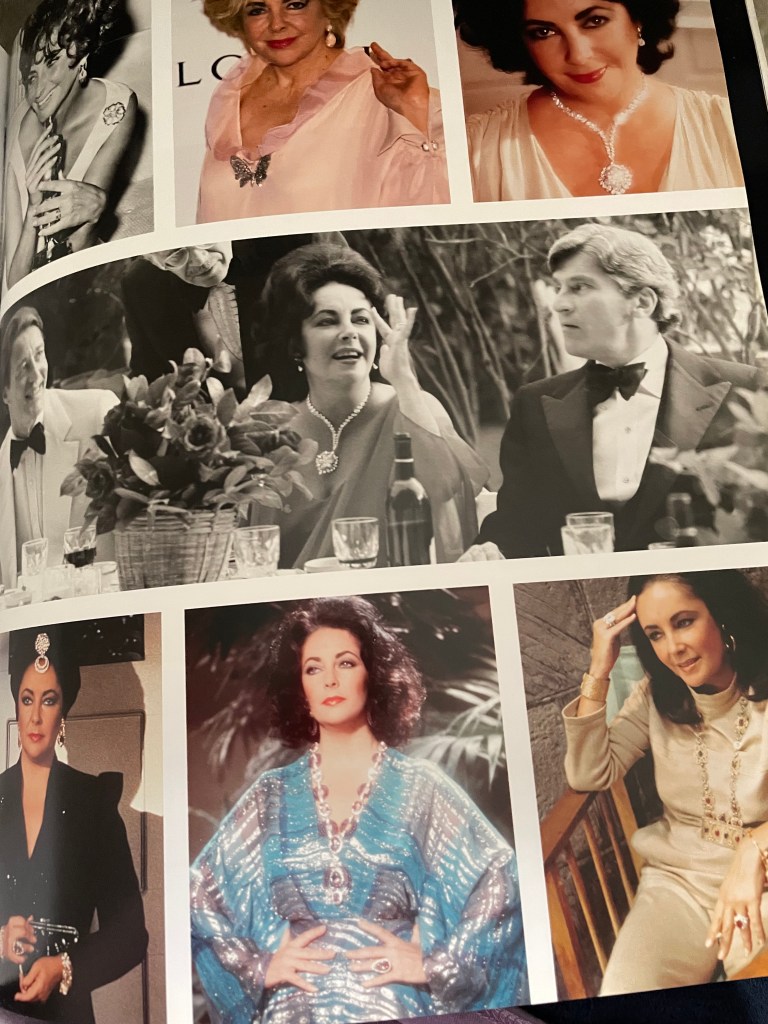
The incomparable Elizabeth Taylor shares anecdotes of her life between gorgeous photos of her personal jewelry collection.
My favorite parts are her memories about the tempestuous years between Richard Burton and herself. They’re just so drama-filled.

“Richard went to Van Cleef & Arpels and came back with this extraordinary heart and choker. The necklace tends to ‘roll,’ so you don’t see me wearing it much in photographs, but it’s one of my favorite pieces of jewelry because it was given with such love. That man knew how to make up!” pg 118

Meanwhile, there’s the jewelry… amazing stuff.

For example, there’s a pearl that is pictured with a series of European monarchs that her puppy tried to eat once upon a time. Can you imagine?

And Elizabeth received gifts for any and all reasons imaginable. Had a fight? Make up jewelry. Become a grandma? Not-at-all grandma jewelry. Just a regular Tuesday? Here’s some regular Tuesday jewelry.

It’s so over-the-top and I love it so much. Highly recommended for readers seeking coffee table books. You can’t get much more lovely than this.

Thanks for reading!

Cahokia: Mirror of the Cosmos by Sally A. Kitt Chappell

Cahokia: Mirror of the Cosmos by Sally A. Kitt Chappell

“The components of the future earth and of Monks Mound were once bits of matter, created in the cauldrons of exploding stars, moving with great, swirling gravitational forces, like the stars still forming near the Cone Nebula today.” pg xiv

Cahokia: Mirror of the Cosmos is a reference book about the historic site, Cahokia Mounds. Author Sally Chappell takes the reader from the Big Bang all way through to the present – an estimated 13 billion years.

To say it is an ambitious book is an understatement.

Photo by Alex Andrews on Pexels.com

“A major change in midwestern climate about 1250 may have caused considerable stress in Cahokia. The overall temperature of the region cooled during this infamous Pacific Climate Episode.” pg 72

That being said, once Chappell gets into the history of the site itself, it is an excellent look at a little-remembered place of forgotten significance.

Monks Mound is the largest earthen mound in North America, but so few people know about it.

Photo by Scott Webb on Pexels.com

The visitor’s center is currently closed for a much-needed update. I’ve been in there half a dozen times and it doesn’t do the site justice.

What Cahokia Mounds could really use is a team of historians, archaeologists, and a couple years worth of grants to properly study it.

And more books like Cahokia: Mirror of the Cosmos.

“By 1900 the Cahokia landscape was so changed by farming, canals, ditches, clear-cutting, railroad construction, housing, erosion, highways, streets, telephone lines, and rogue vegetation that only shadows of its past remained.” pg 151

Recommended for scholars who are interested in Cahokia Mounds. Chappell gives you a broad but ultimately helpful place to start your research.

Thanks for reading!

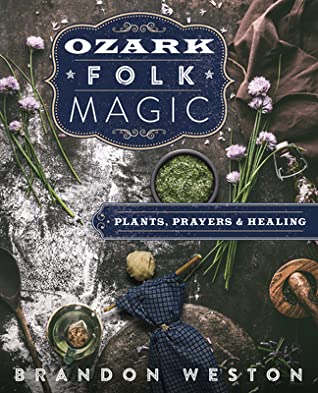
Ozark Folk Magic: Plants, Prayers & Healing by Brandon Weston

Ozark Folk Magic: Plants, Prayers & Healing by Brandon Weston

“There are many more folk beliefs unique to the Ozarks, some of which will be discussed in this work, but we also have to remember that much of what makes up this tradition can be traced to influencing factors from outside the region.” pg 16

Author and healer Brandon Weston takes readers through the varying histories and roles of Ozark folk magic. He discusses the different kinds of historical practices as well as following the evolution of Ozark traditions in the modern day.

Photo by Gaspar Zaldo on Pexels.com

“What worked was saved, treasured, and passed down through the generations. This process continues even today, and as a practitioner in the modern world, I’m constantly making these changes not only within my own work, but also for the culture as a whole.” pg 33

It is an illuminating look into a culture that remains fairly closed and secretive even today.

Brandon discusses the historical reasons for this secret keeping and doesn’t dismiss the darker portions of Ozark history such as racial tensions.

Also, he makes sure to talk about the dangers of overdosing on certain herbs or not seeking the help of western medicine when it is warranted. This book is fully of cautionary tales as well as educational ones.

Photo by lilartsy on Pexels.com

“There are many rituals that might be very interesting to look at but that aren’t worth using in a modern setting. Take, for instance, those rituals that involve the harming or killing of an animal, like the infamous black cat rite. I can’t stress enough that many traditions of the past need to be left in the past.” pg 247

My favorite part of this book was the chapter dealing with how different practitioners have reported receiving “the gift”. There were so many different ways and methods! It was fascinating to read Brandon’s take on all of it.

“Another unique road to power often found in the modern Ozarks comes in the form of receiving the gift through communion with nature. It might seem overly simplistic, but one of the beautiful aspects of Ozark healing is its simplicity.” pg 92

Highly recommended for anyone interested in the history and practices of Ozark folk magic.

Thanks for reading!

Making It: Radical Home Ec for a Post-Consumer World by Kelly Coyne, Erik Knutzen

Making It: Radical Home Ec for a Post-Consumer World by Kelly Coyne, Erik Knutzen

“Making It” is a collection of recipes and how-tos to create items from toothpaste to garden beds and everything in-between.

The dedication says it all: “To anyone who is in their kitchen, garden, or garage right now, making it.”

I picked this book up because I was curious about the processes listed in it. How does one forage? Or create drip irrigation for vegetables? Or create a variety salves? The topics go on and on in this book.

The recipes and instructions are divided by time – how long it will take you to complete the various projects.

I could see it being incredibly useful for homesteaders both experienced and not.

As for me, I’m not in a place right now where I can do much of this. But, I’m hopeful I will be in that place some day in the future.

Highly recommended.

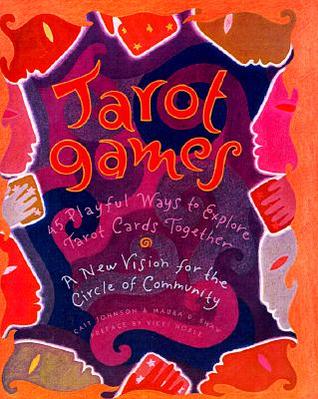
Tarot Games: 45 Playful Ways to Explore Tarot Cards Together; A New Vision for the Circle of Community by Cait Johnson

Tarot Games: 45 Playful Ways to Explore Tarot Cards Together; A New Vision for the Circle of Community by Cait Johnson

Tarot Games is a cute book about different tarot card layouts and how you can share these games with your loved ones in order to promote communication and the sharing of emotions.

“The wonderful thing about using these simple games and ‘reading layouts’ is that they catalyze the deeper processes taking place between people. This in itself is healing.” pg xii

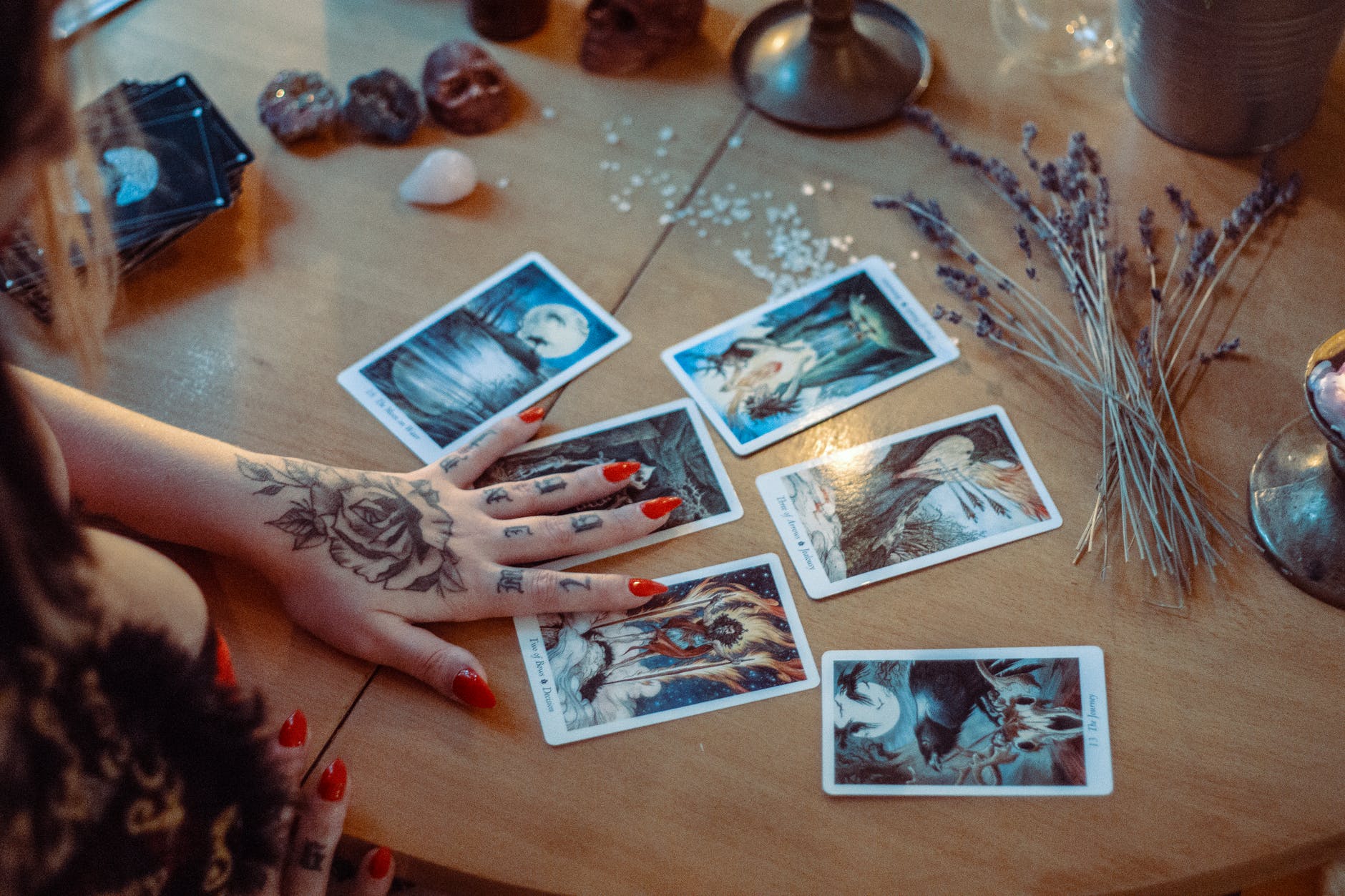
Photo by Alina Vilchenko on Pexels.com

Throughout the text, the author has sprinkled spiritual images and spirals. It makes for a relaxing read.

“Playing this game together gave both friends a sense of being supported, understood, and protected.” pg 27

I think people take tarot cards too seriously sometimes. This book is a good reminder to allow ourselves to play and share. It doesn’t have to be as dire as all that.

Highly recommended for beginners to advanced practitioners of tarot card reading.

Thanks for reading!

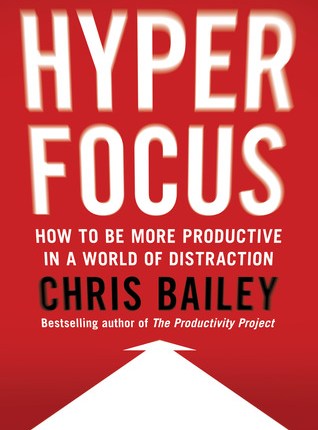
Hyperfocus: How to Be More Productive in a World of Distraction by Chris Bailey

Hyperfocus: How to Be More Productive in a World of Distraction by Chris Bailey

In Hyperfocus, author Chris Bailey describes different types of attention and gives methods to improve the quality of your attention each day.

He suggests attention is a limited resource and, as such, you should take control of when, where, and to what you give your attention to.

Photo by Pixabay on Pexels.com

Most of his advice on how to improve your focus was common sense: drink a cup of coffee, rid your environment of distractions, only check your email once an hour.

The brilliance of this book is his method of codifying attention. He compares two types of attention, hyperfocus and scatterfocus.

Hyperfocus is fairly self explanatory – you only focus on one thing and redirect your attention if it wanders.

Photo by Chevanon Photography on Pexels.com

Scatterfocus is the mode that most of us wander around in every day. But, Bailey says, you can harness this type of focus too.

Use this method of focusing when you’re trying to be creative or looking for connections between seemingly unrelated ideas. It is the focus that sometimes hits in the shower, a ah-ha moment that changes the way you view reality.

I feel like there’s no real way to control that type of focus, other than to be self aware while you’re in it. However, I found Bailey’s suggestion intriguing. Perhaps if I set aside time each day to consciously let my mind wander, I will have a different view on it.

I’m definitely game to give it a try.

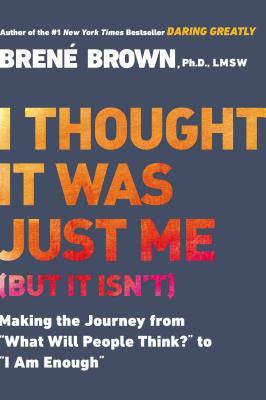
I Thought It Was Just Me (But It Isn’t): Making the Journey from “What Will People Think?” to “I Am Enough” by Brené Brown

I Thought It Was Just Me (But It Isn’t): Making the Journey from “What Will People Think?” to “I Am Enough” by Brené Brown

Researcher Brené Brown gives readers another self help title on how to handle the difficult emotion called shame.

“This book offers information, insight and specific strategies for understanding shame and building “shame resilience.” We can never become completely resistant to shame; however, we can develop the resilience we need to recognize shame, move through it constructively and grow from our experiences.” pg xiv

Photo by Kei Scampa on Pexels.com

It’s not easy to handle shame. In fact, it’s not that easy to read about it.

But Brown says the way through is sharing those uncomfortable feelings with others. One of the solutions to shame is empathy and another is self awareness.

Other attributes shared by those with high shame resilience are:

“The ability to recognize and understand their shame triggers. High levels of critical awareness about their shame web. The willingness to reach out to others. The ability to speak shame.” pg 67

Photo by Pixabay on Pexels.com

Part of her work in psychology has been to define what shame is. Brown writes everyone has different triggers based on unique childhood and adult experiences. Therefore, it is impossible to name universal shame triggers which can make it difficult to study shame.

Her studies have led her to believe the opposite of shame is self esteem, which was an interesting aspect I had never considered. Other aspects of shame include: feeling like you’re not good enough or don’t belong.

Brown has discovered another hurdle in her research- it can be difficult to speak about shame as words sometimes fail us when we experience visceral feelings.

“Sharing our shame with someone is painful, and just sitting with someone who is sharing his or her shame story with us can be equally painful.” pg 147

Photo by Tima Miroshnichenko on Pexels.com

On a more positive note, Brown writes everyone has experienced this at some point or another. She uses this universality of experience to issue a clarion call for change. To foster shame resilience, we should build networks of support and be kind to each other by showing our own vulnerability. We’re all in this together.

And I couldn’t agree more.

Recommended for anyone who has ever felt shame. That’s everybody.

Thanks for reading!

Big Book of Family Games: 101 Original Family Group Games that Don’t Need Charging by Brad Berger

Big Book of Family Games: 101 Original Family Group Games that Don’t Need Charging by Brad Berger

The title, Big Book of Family Games: 101 Original Family Group Games that Don’t Need Charging, pretty much says it all.

The games are divided into different categories: predictions, discovery, creativity, performance, deception, strategy, speed, memory, puzzle solving, and athletic. So, you can pick the game that the group is feeling like playing or is appropriate for your work, classroom, etc.

Others have gone on about the disconnected scourge of modern living, especially since the advent of this pesky virus. These games build bridges and help players get to know each other and themselves, if he or she is really honest about it.

Photo by Tima Miroshnichenko on Pexels.com

“What you have in your possession is a book of games that accomplishes three of my main goals when bringing people together: disconnection from technology… convenience… adaptability.” pg 6, ebook.

I’d like to add – this book of games only works if others are really into it. Otherwise, you just ask the question, which is most of these games, and get met with a blank stare.

I think one of the next challenges facing society after the pandemic will be reestablishing social conventions. Or perhaps we will all be forever changed. Here’s hoping it’s for the better.

Thanks for reading!

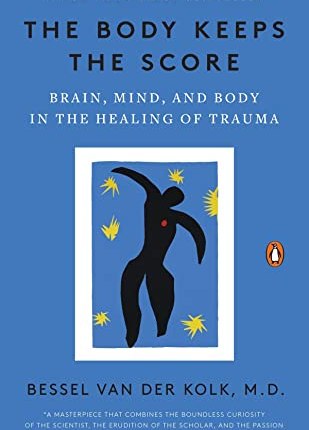
The Body Keeps the Score: Brain, Mind, and Body in the Healing of Trauma by Bessel van der Kolk

The Body Keeps the Score: Brain, Mind, and Body in the Healing of Trauma by Bessel van der Kolk

The Body Keeps the Score is a non-fiction book about how the body stores trauma and what you can do about it.

My most distressing take-away from this book was how common trauma is. Author Bessel van der Kolk discusses how people from all walks of life suffer from trauma.

Photo by Thiago Matos on Pexels.com

People suffering from these kinds of afflictions believe they’re the only ones. They try to numb the pain with drugs or alcohol and are easily triggered which brings back the pain of the traumatic events again and again.

This affects their lives, relationships and ability to trust others.

Kolk details how traumatic memories can be triggered by smells, touch and taste. He explains how powerful emotions remain behind, even after the logical mind has processed the event.

Photo by cottonbro on Pexels.com

He suggests you can’t think your way out of strong emotions.

What do we do about this?

Form a strong community around yourself with supportive relationships. Practice mindfulness and yoga- exercises that explore the mind and body connection.

Photo by Elina Fairytale on Pexels.com

Also, find a therapist who practices eye movement desensitization and reprocessing (EMDR). The author records amazing recoveries by sufferers who utilized this therapy.

Personally, I’ve practiced EMDR with a therapist and the results were astounding. I left the session feeling lighter than I have in years, having released trauma I didn’t realize I was carrying.

But, like others, I still struggle with powerful emotions stored in my body. It is a process, not a cure. And I’ve learned to take life one day at a time.

Highly recommended for readers looking for scientifically-proven ways to handle trauma.

Thanks for reading!