Cultish: The Language of Fanaticism by Amanda Montell

Cultish: The Language of Fanaticism by Amanda Montell

In Cultish: The Language of Fanaticism, author Amanda Montell examines groups, companies and individuals, and the way they use language to build communities, sometimes for harmless purposes and other times for more sinister.

“We need a more versatile way to talk about communities that are cult-like in one way or another but not necessarily connected to the supernatural. Which is why I like the word “cultish.” pg 39, ebook

Photo by Karolina Grabowska on Pexels.com

Before I read this book, I believed language was powerful. Montell showed me I had no idea about the life and death reality that carefully constructed words can have over people.

“Year after year, we ask: What makes people join cults like Jonestown and Heaven’s Gate? … Here’s where the answer starts: Using systematic techniques of conversation, conditioning, and coercion, with language as their ultimate power tool, Jones and Applewhite were able to inflict unforgettable violence on their followers without personally laying a finger on them.” pg 77, ebook

And the people affected by this language are not just vulnerable people, which is what some folks believe about the others who join cults. The targets of cultish organizations can be just like you and me.

Photo by Eva Bronzini on Pexels.com

“A common belief is that cult indoctrinators look for individuals who have ‘psychological problems’ because they are easier to deceive. But former cult recruiters say their ideal candidates were actually good-natured, service-minded, and sharp.” pg 96, ebook

It was rather scary thinking about how anyone might become prey to a cultish organization.

It was also eye-opening to see how common place this is as Montell talks about so many different organizations. There’s fitness groups, multi-level marketing groups, spiritual and new age groups, as well as more religious organizations. Once you know the tricks of language that are commonly used, you see this type of manipulation almost everywhere.

“A cult is like porn: You know it when you hear it.” pg 219, ebook

I picked up this read for my local book club- it wasn’t something that I would have necessarily chosen on my own. There’s plenty to talk about in here, from the different groups to the various types of language techniques they use.

After awhile, all of Montell’s examples begin to feel repetitive, which wasn’t that fun to read. Still, I’d recommend this book if you’re interested in cults or cultish language.

Thanks for reading!

Dream Yoga: Illuminating Your Life Through Lucid Dreaming and the Tibetan Yogas of Sleep by Andrew Holecek

Dream Yoga: Illuminating Your Life Through Lucid Dreaming and the Tibetan Yogas of Sleep by Andrew Holecek

“Just as my experience joined day and night, this book will continue the theme of unity as I join the wisdom of the East with the knowledge of the West in an attempt to bring this wonderous world of the night into the crisp light of day.” pg 17, ebook

Andrew Holecek utilizes techniques from both the Western traditions and Eastern Buddhist traditions in this book about how to lucid dream.

“This book is like a tour into your innermost self.” pg 24

It’s been awhile since I read a non-fiction book about dreaming. Years ago I read: A Field Guide to Lucid Dreaming: Mastering the Art of Oneironautics, which introduced me to practices that assist the dreamer in becoming lucid.

Photo by Ylanite Koppens on Pexels.com

Some of those appear in this book like doing dream checks where you jump up and down and if you float that obviously means you’re dreaming.

I’ve had mild success with those techniques. But because of my prior reading, the most interesting parts of this book were the Eastern techniques which I’d never been exposed to.

“In this book we’re going to talk about how to strengthen the world of dreaming as a way to weaken the world of daily appearance, so that worldly things don’t have as much power over us.” pg 33, ebook

In addition to meditations and visualizations into lucid dreaming, Holecek shares some practices that can be done while dying. I thought that was fascinating.

I haven’t had much success with either the Western or Eastern practices… yet. I’m hopeful that progress will come in time. Holecek suggests using techniques for weeks before going on to something else, which gives you time to master whatever you’re trying.

So, we’ll see. Until then, friends, happy dreaming!

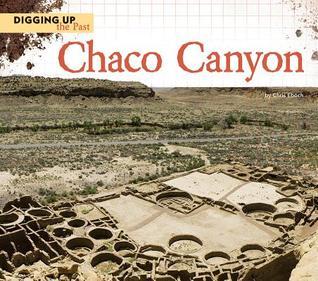
Chaco Canyon by Chris Eboch

Chaco Canyon by Chris Eboch

Chaco Canyon is among the most important archaeological sites in North America. pg 7

This non-fiction book for middle graders, part of the “Digging Up the Past” series, gives information about Chaco Canyon, a site that still holds mysteries to be discovered.

It was home to many people but at some point, it’s not clear exactly when, the population wandered away, leaving ruins behind.

According to one descendant, “They didn’t abandon this place. It is still occupied. We can still pray to the spirits living in these places from as far away as our pueblo.” pg 84

The book gives information about the history of digs at the site, which were not conducted with the care and documentation that such things require today. I found that part of the book quite sad. Imagine all of the history that has been lost.

It touches on the challenges researchers face today in their efforts to study Chaco Canyon. These include damage from the weather, large numbers of visitors, and looters.

Recommended for children interested in non-fiction.

Spare by Prince Harry

Spare by Prince Harry

“I love my Mother Country, and I love my family, and I always will. I just wish, at the second-darkest moment of my life, they’d both been there for me. And I believe they’ll look back one day and wish they had too.” pg 386

I didn’t know what to expect from Spare, Prince Harry’s memoir. In the days after its release, it seemed like readers were quickly scanning the pages, looking for the most shocking details to smear in headlines.

What they left out in favor of the more salacious details, in my opinion, were the tender and intimate moments that really mattered.

What do I mean?

I mean the countless, quiet and unremarkable moments Harry shared with his friends and family.

The fact that Harry struggled with mental health and chose to seek out treatments again and again in an effort to find healing and peace.

He paints the picture of not an out-of-touch prince, but as a flawed yet hopeful person trying to find his place in the world.

Harry’s grief for his mother and love for his family form the large part of his narrative. Almost the entire book is a beautiful dedication to them.

I liked how Harry took widely reported events and shared his own feelings about what happened – from an unfortunate costume choice to the rumors swirling around about his out-of-control behavior.

He takes responsibility for his actions and doesn’t seek to lay blame at the feet of others. Which, let’s be honest, he could have.

Some kinds of fame provide extra freedom, maybe, I suppose, but royal fame was fancy captivity. pg 199

Photo by Jimmy Chan on Pexels.com

Harry could have focused on the bubble he was raised in and put every decision he ever made into the hands of others. But, in this book, he doesn’t.

I came away from reading Spare with a new found respect for Prince Harry. I hope that his new life, away from the flashing lights, is everything that he hopes and dreams it will be.

Highly recommended for readers who enjoy memoirs. Thanks for reading!

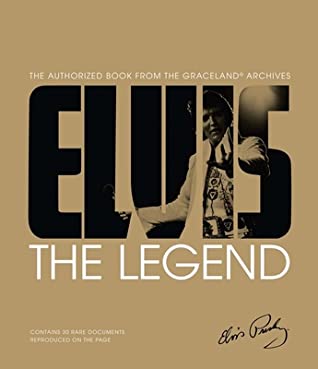
Elvis: The Legend: The Authorized Book from the Graceland® Archives by Gillian G. Gaar

Elvis: The Legend: The Authorized Book from the Graceland® Archives by Gillian G. Gaar

Elvis: The Legend shares facts and anecdotes about Elvis Presley’s life and career. Mixed in with the text, the book contains photos of Elvis and documents of interest like telegrams and receipts for his clothing.

The information is shared by topic rather than chronologically, which I found a little annoying, but I got over it.

“At the end of his set, Elvis had teasingly announced ‘Girls, I’ll see you all backstage,” then found himself being chased across the field by a pack of screaming teenage girls, who followed him into the locker room and tore off his jacket, shirt, and shoes.” pg 29

Readers will find nothing very controversial in this book- perhaps because it is the “authorized book from the Graceland archives”. I picked it up because I recently watched the Baz Luhrmann film about Elvis and I wanted to know if he had to enter military service because of a run-in with the police about his dancing, which the film implied.

That did not seem to be the case. But again, this book isn’t a true biography, so maybe I should look somewhere else.

A fact the film glossed over that this book shares is while Elvis was stationed in Germany, he met his eventual wife Priscilla Beaulieu when she was only 14 years old. They didn’t marry until she was a respectable 21, but I found that initial meeting surprising.

“Then, on September 24, 1959, Elvis met 14-year-old Priscilla Beaulieu, who had been brought to 14 Geothestrasse by a mutual friend.” pg 52

I suppose things were done differently back in the day.

Recommended for Elvis fans looking to know more about Presley. Those searching for a biography should look elsewhere.

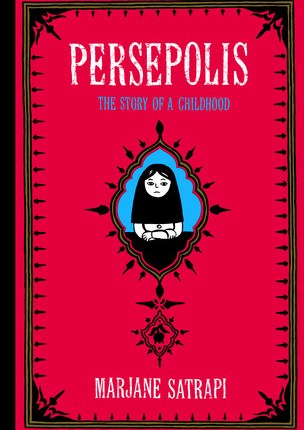
Persepolis: The Story of a Childhood (Persepolis, #1) by Marjane Satrapi

Persepolis: The Story of a Childhood (Persepolis, #1) by Marjane Satrapi

I’m doing a series at work (a library) where I’m reading the classics that are painted on the stairs. “Persepolis” is one of the titles featured there.

It is a modern classic about Marjane Satrapi’s childhood in Iran around the time of the revolution.

The story is told in black and white graphics which took a little getting used to, but by the end, I rather liked.

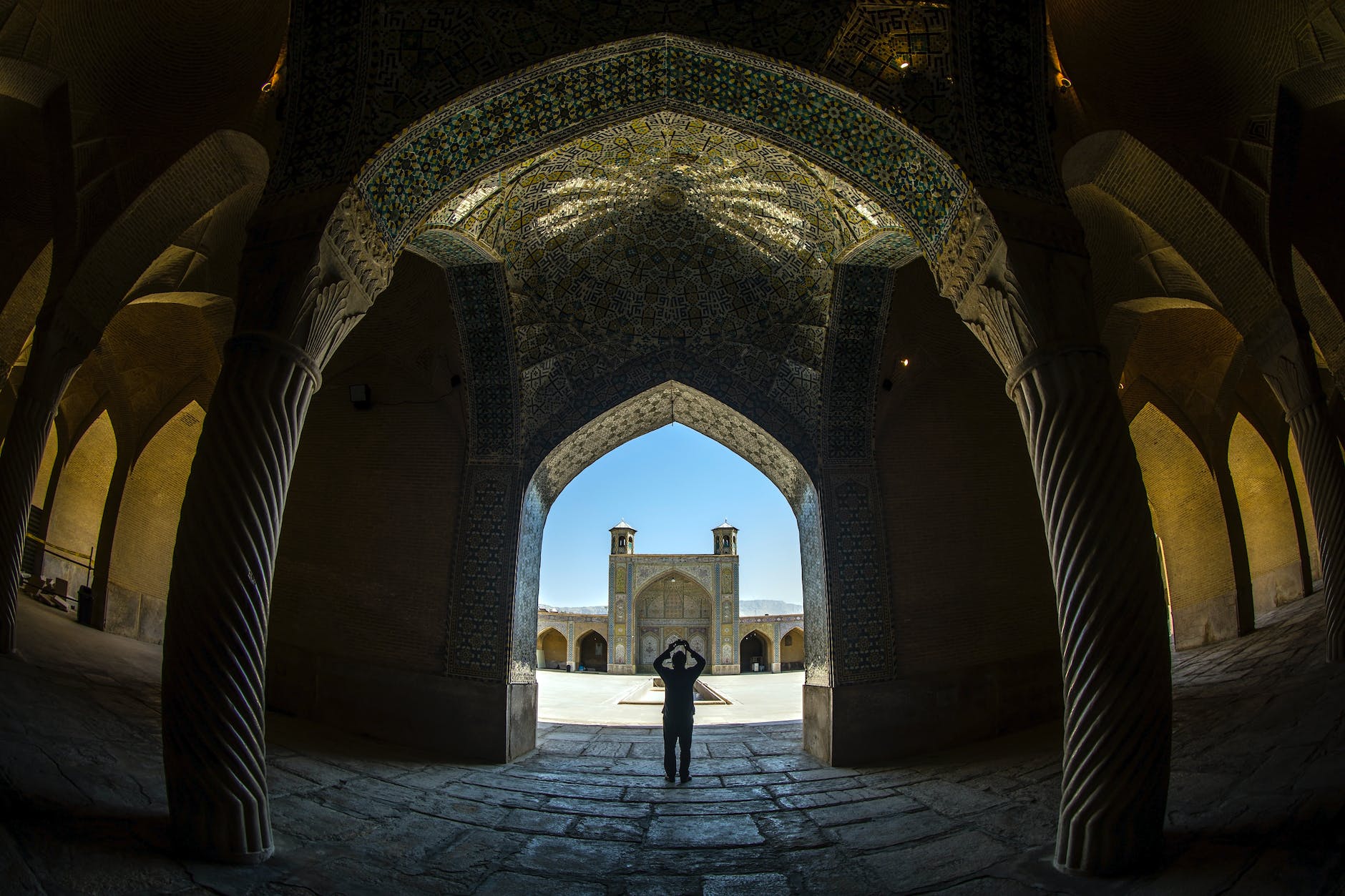
Photo by mostafa meraji on Pexels.com

Our heroine is so brave throughout this novel. She goes to protests, though people have been killed while protesting.

She has political beliefs that challenge the status quo, even though she has family members who have died for similar beliefs.

She likes to wear western clothes and listen to western music, even though such things could get her into serious trouble.

Photo by KoolShooters on Pexels.com

I liked Marjane a lot. But, having a daughter myself, I couldn’t help but empathize with her parents a little. They were trying to raise their daughter in such a challenging time- I can’t even imagine what that must have been like.

Even sending her out the door to school every day must have been a trial.

“Persepolis” has appeared on challenged or banned book lists in the past and I don’t understand why. I didn’t find anything offensive in these pages. The truth could be disturbing, but it is a good thing to put yourself in another person’s shoes for awhile.

It makes me realize what a charmed childhood I enjoyed.

Highly recommended.

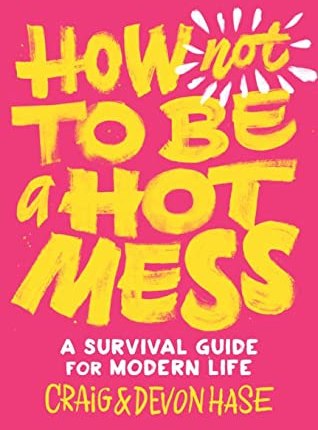
How Not to Be a Hot Mess: A Survival Guide for Modern Life by Craig Hase, Devon Hase

How Not to Be a Hot Mess: A Survival Guide for Modern Life by Craig Hase, Devon Hase

“(This book) draws on Buddhist advice because, believe it or not, Buddhism has been through it all before. It’s seen wars, plagues, oppression, and ten thousand terrible haircuts – and it has, along the way, developed dependable ways to stay steady in the roller coaster of family feuds, romantic vacillations, uncertain futures, and all the rest.” pg 9, ebook

How Not to be a Hot Mess was a timely read for me, though there was little in here that was “new”. Instead, it offers gentle reminders to meditate, tell the truth, be generous and take care of yourself – all things that help mitigate hot messiness in the day-to-day.

Photo by Marta Wave on Pexels.com

“So there are approximately one bajillion reasons why you should meditate. The top three reasons as I’ve just mentioned, are that you’ll be less stressed, more focused, and you might even stumble your way into slightly better humanhood.” pg 23, ebook

I used to meditate every day. But then, for whatever reason, I fell out of the habit. I’m going to be doing my best to bring it back because I think I was a calmer person and less reactive to things.

This book also reminded me about skillful speech.

“There are people out there- and I’ve met a lot of them now- who follow these guidelines of True, Kind, Timely, Helpful beautifully. And they all have some things in common: they have good friends, stable community connections, a sort of quiet confidence, and they kind of glow.” pg 53, ebook

I don’t tend to say a lot but I try to make what I say fit within those guidelines. This book reminded me of how important this can be. It’s like modern life makes me forget sometimes, in the mad crush and noise, what’s really important.

“You, too, can do this. It’s not just for fancy historical figures or people who write books and give TED talks and share wisdom from the mountaintops. You really can stay clear, say what’s true, give a little, make sex good, meditate occasionally, and be less of a jerk and more of a stable loving presence in your world. Right in the middle of everything.” pgs 84-85, ebook

Yes, I can do this. And so can you. Happy reading, friends.

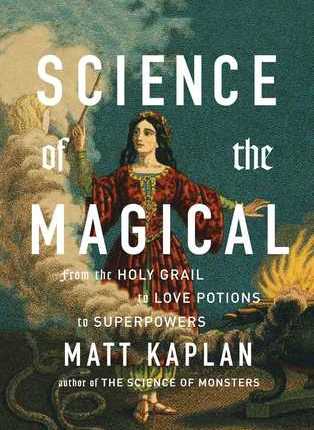
Science of the Magical: From the Holy Grail to Love Potions to Superpowers by Matt Kaplan

Science of the Magical: From the Holy Grail to Love Potions to Superpowers by Matt Kaplan

“Does knowing how something magical works make it into something other than magic?” pg 7

In Science of the Magical, science correspondent Matt Kaplan examines phenomena from prophecy to immortality and more, seeking the science behind the magic. The result is a compelling look at life and humanity’s beliefs around such things.

“Our ancestors had a magical worldview. … For the Viking berserkers, no biochemistry was behind their rage; Odin was casting a spell. For pilgrims visiting the oracle at Delhi, no ethylene vapors were creeping up the fault below the temple; the spirit of Apollo was coming to force the priestess to speak with his voice.” pg 212

Photo by cottonbro on Pexels.com

You would think these activities would lose their magical feeling under Kaplan’s microscope, but the opposite is true. I felt more wonder learning the studies about Buddhist monks who can sit wrapped in wet sheets and not freeze or the symbiotic relationship between ravens and wolves, which was immortalized in the stories about Odin.

“… Dr. Stahler suspects that because wolf kills are considerably larger than those made by coyotes, the birds have more food to feed on. The ravens seem to have the ability to differentiate between the animals and selectively follow only wolves.” pg 102

Photo by Pixabay on Pexels.com

Though I knew some of what Kaplan reports in these pages, other ideas were totally new to me. Highly recommended for readers who enjoy non-fiction.

Thanks for reading!

First, We Make the Beast Beautiful: A New Story About Anxiety by Sarah Wilson

First, We Make the Beast Beautiful: A New Story About Anxiety by Sarah Wilson

Author Sarah Wilson shares anecdotes and anxiety-busting methods from her life experience.

“One of the dear, dear things about getting older, is that it does eventually dawn on you that there is no guidebook. One day it suddenly emerges: No one bloody gets it! None of us knows what we’re doing. pg 5, ebook

Through her research and personal experiences, Wilson shares the best, and the worst, of the treatments and latest scientific advances. Even though we don’t have the treatments for anxiety nailed down yet, it helps to know that sufferers are not alone in their struggles.

Photo by Pixabay on Pexels.com

“We’re told that globally one in thirteen people suffer an anxiety-related illness. Some studies tell us that one in six of us in the West will be afflicted with an anxiety disorder at some stage in our lives, making it the most common officially classified mental illness.” pg 14, ebook

I liked Wilson’s definition of anxiety: she sees it as a separation of self from something larger and more meaningful. The anxiety makes us reach for this something, but we don’t know what we’re reaching for and it hurts.

Photo by Daniel Torobekov on Pexels.com

“Anxiety is a disconnection with this Something Else. As I say, the doctors and scientists can call it all kinds of things, but I believe it all comes down to this disconnect.” pg 44, ebook

Wilson excels at the physical descriptions of anxiety and bipolar disorder. She captures the raw edges of the experience and how life can feel painful because all the stimulation coming in when you’re having a panic attack or a manic episode.

She includes a couple exercises to help bring yourself down when you’re experiencing anxiety. But not too many, because: “I don’t plan on filling this book with too many exercises that people like me skim over to get to the meaty theory. I’ll just include the ones that suit people like you and me.” pg 57, ebook

Highly recommended for anxiety sufferers or their loved ones who want to know what it’s like to be inside the experience.