
Michael Kimmelman, art critic for the New York Times, gives art trivia and philosophic insights in The Accidental Masterpiece.
… I have come to feel that everything, even the most ordinary daily affair, is enriched by the lessons that can be gleaned from art: that beauty is often where you don’t expect to find it; that it is something we may discover and also invent, then reinvent, for ourselves; that the most important things in the world are never as simple as they seem but that the world is also richer when it declines to abide by comforting formulas.” pg 5

Though, at times, I felt as if he was getting too deep into the art “appreciation” portions, I learned a great deal about not just unconventional forms of art, but how art can be found in your every day life. It is all a matter of adjusting how you view reality.
There were some historical tidbits I particularly enjoyed. For example, did you know that when Kodak film was invented and made the art of photography available to the general public, that some professional photographers believed the medium was doomed?
“The placing in the hands of the general public a means of making pictures with but little labor and requiring less knowledge has of necessity been followed by the production of millions of photographs,” wrote Alfred Stieglitz in 1899. “It is due to this fatal facility that photography as a picture-making medium has fallen into disrepute.” pg 32

Wonder what Stieglitz would have made of Instagram.
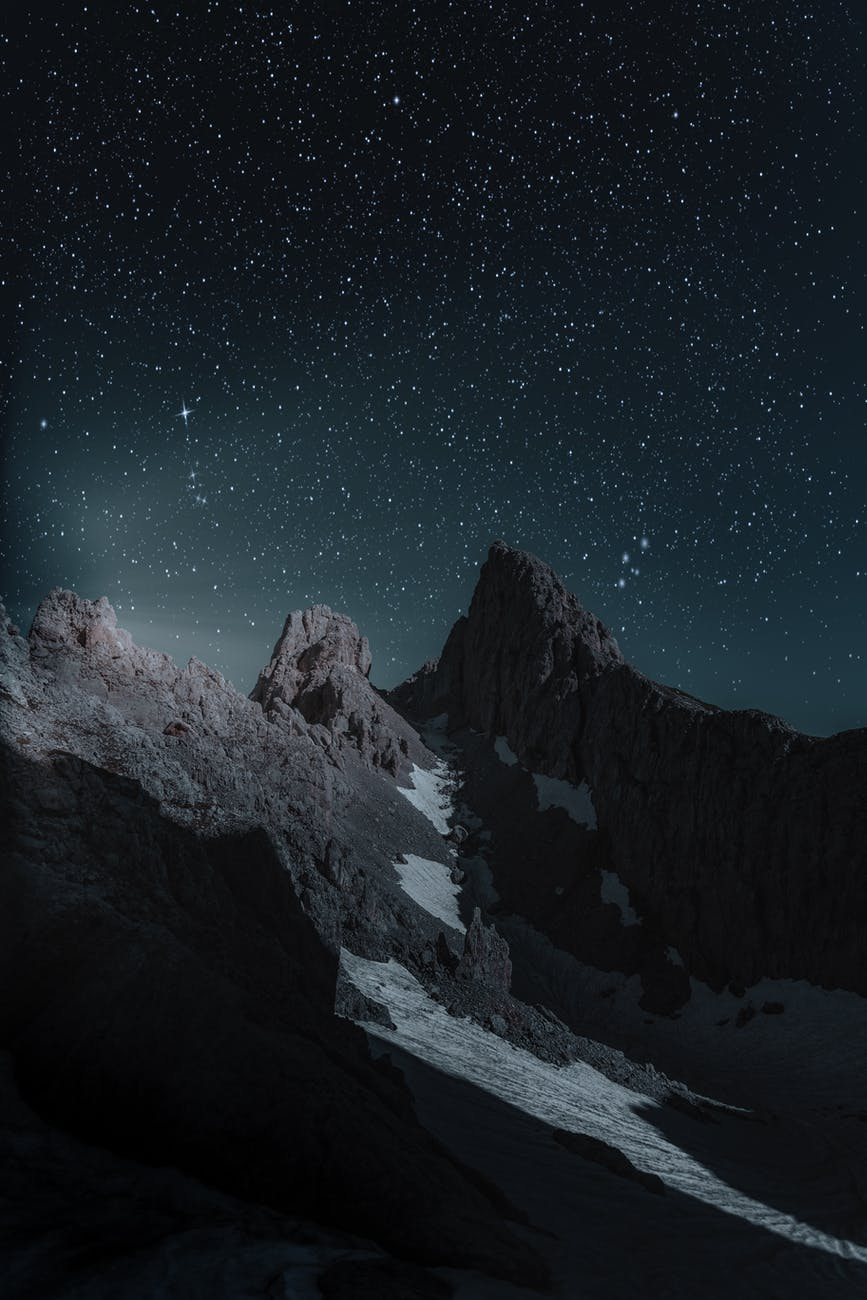
Or this other bit of trivia, which seemed particularly apropos with the news reporting today that so many people are climbing Mount Everest that they’ve become a danger to themselves and others: humankind didn’t always find mountains beautiful or worthy of appreciation. The Romans hated the mountains — they were difficult to maneuver armies across and also enemies had a nasty habit of popping out of them. (Think Hannibal.)
Here’s a young Thomas Hobbes’ view of mountains:
“Behind a ruin’d mountain does appear
Swelling into two parts, which turgent are
As when we bend our bodies to the ground,
The buttocks amply sticking out are found.” pg 55
Hilarious. And now we highly value mountain views and the sublime feeling of ascending a mountain’s peak.
“The evolution of the whole modern worldview, including the notion of beauty, you might even say, is exemplified by the evolution of our feelings toward mountains.” pg 56
I also enjoyed Kimmelman’s thoughts on the art of collecting objects, every day and otherwise. I live with someone who has serious collecting tendencies — notably a large military hat collection. It made me appreciate my husband even more when I found out there are people in the world who collect things like light bulbs to the extent where they’ve set up light bulb-themed museums. In their own homes.
We’ve agreed (so far) to keep the collection in one room. So, comparably, I’m doing pretty well. 🙂
Recommended for readers who enjoy non-fiction reads about art, philosophy and a curious mix of the two.
- The Ballad of a Small Player: a Metaphysical Movie Review
- Otherwhere: A Field Guide to Nonphysical Reality for the Out-Of-Body Traveler by Kurt Leland
- Psychic Dreamwalking: Explorations at the Edge of Self by Michelle Belanger
- Archetypes on the Tree of Life: The Tarot as Pathwork by Madonna Compton
- The Goddess and the Shaman: The Art & Science of Magical Healing by J.A. Kent



 The Help Desk Book Blog