Ariadne by Jennifer Saint

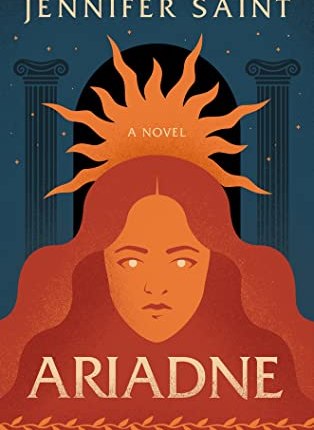
Ariadne by Jennifer Saint

Jennifer Saint writes the mythological story of Ariadne from her and her sister Phaedra’s points-of-view.

“I took that story with me in the coming days and turned it over, like the stone in a ripe peach: the sudden, unexpected hard shock in the center of everything.” pg 14

Like CirceAriadne gives the female figures in the classic tale a voice, something they have never had in the original telling.

“The cold green of his eyes. Like the shock of the chill waters when the seafloor drops away unexpectedly beneath your feet and you realize that you have swum out far beyond your depth.” pg 34

For those not familiar with the myths, Ariadne was in charge of the Minotaur’s labyrinth on Crete. Theseus relied on her for help when he confronted the monster, who was also Ariadne’s half-brother.

Photo by Tiff Ng on Pexels.com

What happens next is the main part of this story. The labyrinth encounter is finished in the first 100 pages, which surprised me. I expected it to be longer.

Saint touches on the unfair nature of many of the classic myths towards women, which includes the story of Medusa and any number of Zeus’s mortal lovers. Zeus took lovers again and again, and his wife visited all sorts of nasty revenges upon them. But that didn’t stop Zeus’s prowling.

Ariadne is somewhat empowered in this story- she realizes the unfair treatment- but at the same time she isn’t able to do much to change her own fate, or the fate of her beloved sister Phaedra.

The gods and goddesses are bound by fate as well. This is most easily seen in some of the stories Dionysus tells about his time among mortals. I could see book clubs having a great time discussing the roles of fate and free will in this story.

I think Saint could have gone a little further in her interpretation of the myths, she stays pretty close to the original telling. It still makes for a beautiful story, but it could have been even better.

Recommended for readers interested in Greek and Roman mythology.

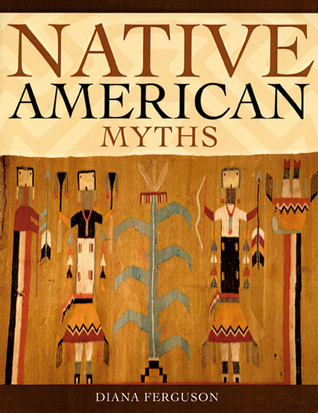
Native American Myths by Diana Ferguson

Native American Myths by Diana Ferguson

Native American Myths is an excellent collection of stories from different cultures gathered into a few categories: “How the world was made,” “Tricksters and Culture Heroes,” “Earth Sea and Sky,” “Quests and Sacred Gifts,” and “Ghosts and the Supernatural”.

“In the beginning, people lived at peace with the Earth and all her creatures. The Great Spirit had said that it should be so.” pg 34

One of my favorite stories from the collection is “The Buffalo Skin Sky” which tells the tale of a buffalo skin saving humanity from drowning in a great flood. It reminded me of the Biblical tale of Noah and the ark.

“Coyote stood alone, holding the sacred gift of fire. But he had no one to give it to, so he passed it to the nearest tree.” pg 50

I also enjoyed the stories that had the trickster Coyote in them. There were a couple different cultures who shared tales about him. He must have tricked a lot of people to have such a reputation… 🙂

Recommended for anyone who enjoys mythology. This book would be a wonderful choice for bedtime story reading.

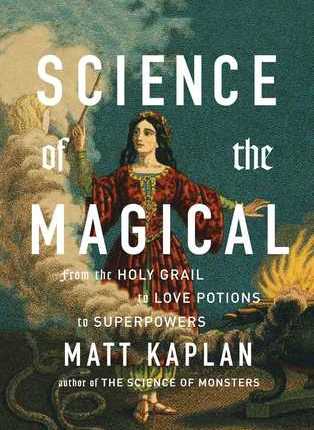
Science of the Magical: From the Holy Grail to Love Potions to Superpowers by Matt Kaplan

Science of the Magical: From the Holy Grail to Love Potions to Superpowers by Matt Kaplan

“Does knowing how something magical works make it into something other than magic?” pg 7

In Science of the Magical, science correspondent Matt Kaplan examines phenomena from prophecy to immortality and more, seeking the science behind the magic. The result is a compelling look at life and humanity’s beliefs around such things.

“Our ancestors had a magical worldview. … For the Viking berserkers, no biochemistry was behind their rage; Odin was casting a spell. For pilgrims visiting the oracle at Delhi, no ethylene vapors were creeping up the fault below the temple; the spirit of Apollo was coming to force the priestess to speak with his voice.” pg 212

Photo by cottonbro on Pexels.com

You would think these activities would lose their magical feeling under Kaplan’s microscope, but the opposite is true. I felt more wonder learning the studies about Buddhist monks who can sit wrapped in wet sheets and not freeze or the symbiotic relationship between ravens and wolves, which was immortalized in the stories about Odin.

“… Dr. Stahler suspects that because wolf kills are considerably larger than those made by coyotes, the birds have more food to feed on. The ravens seem to have the ability to differentiate between the animals and selectively follow only wolves.” pg 102

Photo by Pixabay on Pexels.com

Though I knew some of what Kaplan reports in these pages, other ideas were totally new to me. Highly recommended for readers who enjoy non-fiction.

Thanks for reading!

Lore Olympus: Volume One (Lore Olympus, #1) by Rachel Smythe

Lore Olympus: Volume One (Lore Olympus, #1) by Rachel Smythe

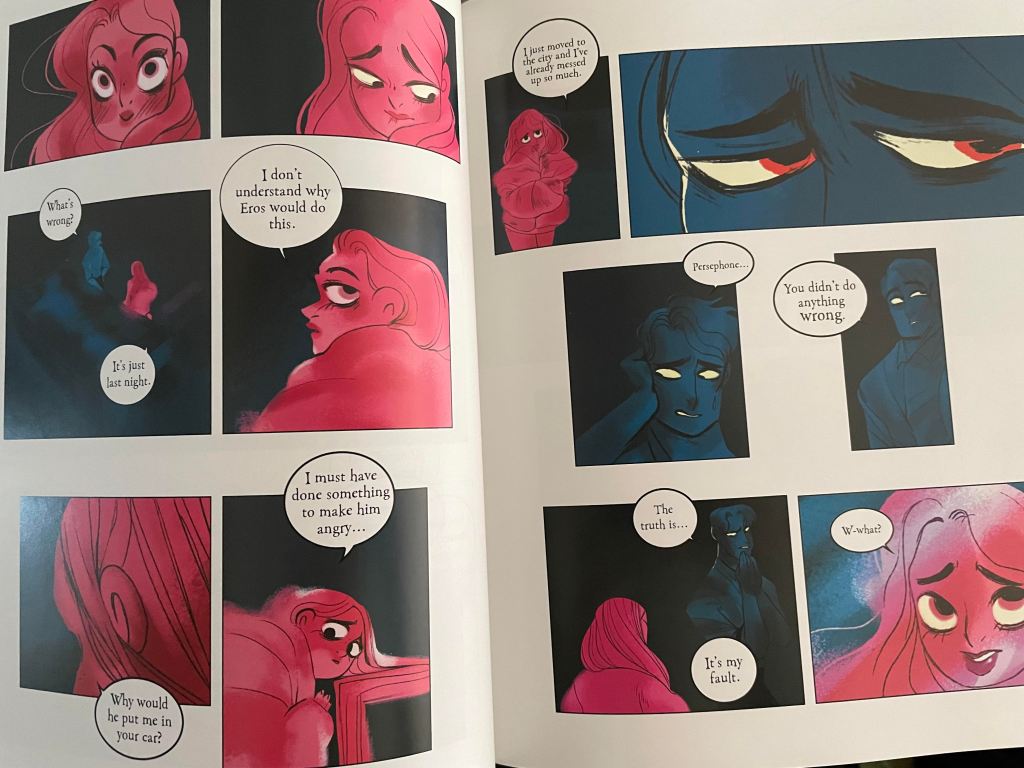
Rachel Smythe has created a cotton-candy colored, contemporary re-telling of Hades and Persephone. It is a very pretty creation but, like the start of most graphic novel series, lacks a little in the storytelling.

I also had trouble telling some of the characters apart. In some panels their features were so blurred that it was impossible to tell who was who.

That being said, I’m not sure that I am the intended audience for this work. The bright colors and quick pacing make me think this may be more appropriate for young adults.

It is shelved with the adult selections at my library, but nothing in the story is inappropriate for teens 14+.

I enjoyed the artwork more than the story itself. It is very pretty and stylized with flourishes and smooth edges.

Recommended for readers who enjoy their mythology being told with a fresh new voice and perspective.

Thanks for reading!

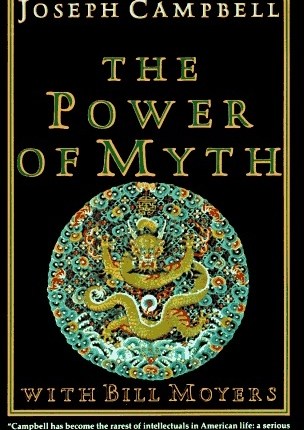
The Power of Myth by Joseph Campbell

The Power of Myth by Joseph Campbell

Though a bit rambling at times, The Power of Myth is a great introductory text on archetypes found within all world mythologies from almost every time period.

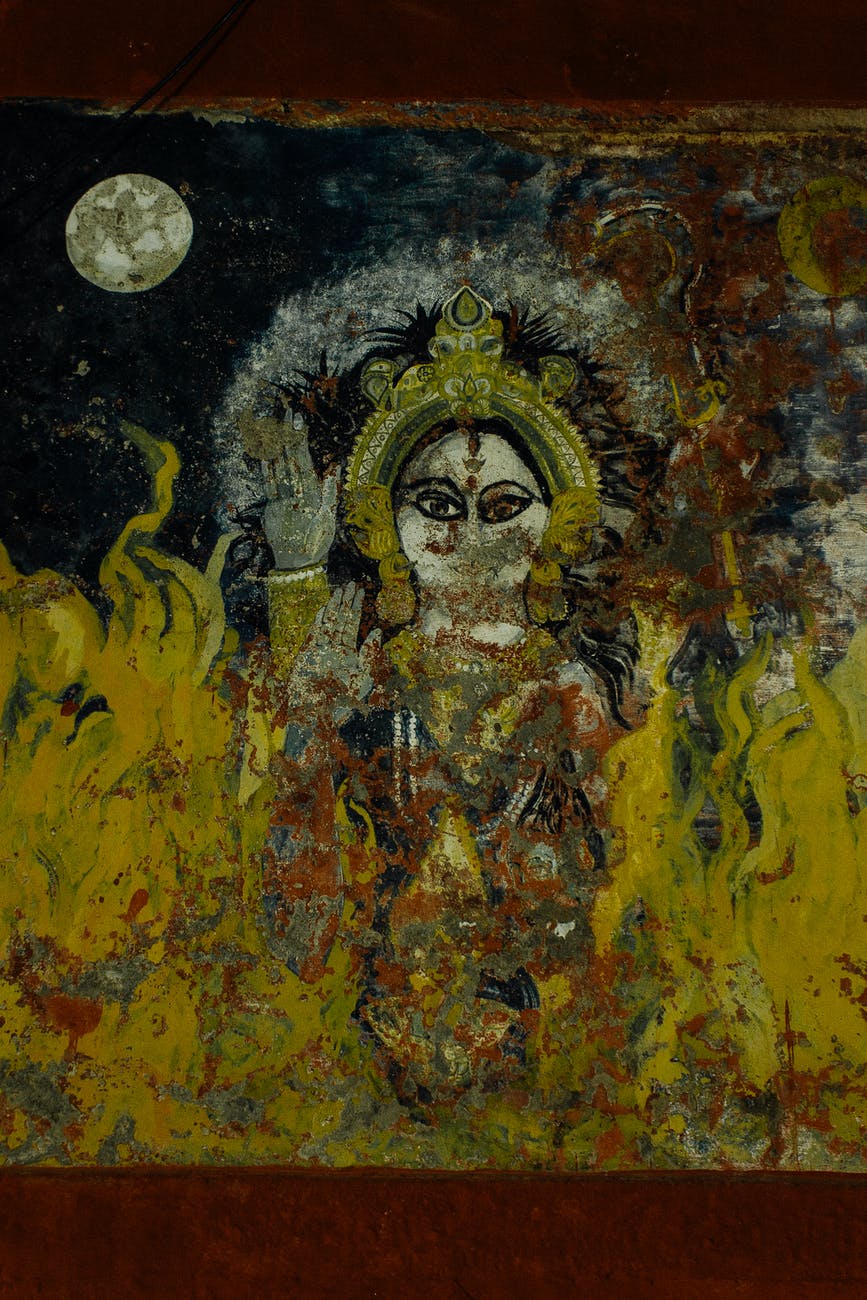
Photo by Plato Terentev on Pexels.com

In it, Joseph Campbell explains why the underlying stories are the same from all over the world and what they mean in both cultural, personal, and world contexts.

He breaks down some of the major archetypes like the sacrificed god and resurrection, virgin births, goddesses, trees, snakes, and more. As someone who has studied tarot and The Tree of Life extensively, I found it to be an illumination.

Photo by Alex Conchillos on Pexels.com

I particularly liked learning about the mythology of Star Wars. With the release of the new film, that particular series is back in the top of the pop culture charts. I think that The Power of Myth explains why it has such enduring appeal.

If you liked The Power of Myth, you may want to try Hero with a Thousand Faces or Pathways to Bliss: Mythology and Personal Transformation, both of which are also by Joseph Campbell.

Or pick up any of the many books about mythology from any country you’d like. If you immerse yourself in enough of the stories, you will pick up on the reoccurring patterns yourself.

I believe that one of the many purposes of mythology, beyond its entertainment value, is to teach us about what we have in common with each other, and also, the hidden dimensions of ourselves.

As the doorway to the Delphic Oracle said, “Know Thyself.” And, really, that is the greatest power there is. Mythology helps you do that.

Thanks for reading!