Aware: The Science and Practice of Presence by Daniel J. Siegel

Aware: The Science and Practice of Presence by Daniel J. Siegel

Daniel Siegel, MD, psychiatrist and author, shares his research into neuroscience and a meditation practice he has developed called the “Wheel of Awareness“.

“The Wheel practice is a way to open awareness and cultivate a larger, more expansive container of consciousness. People who participate in the practice seem to be strengthening their minds.” pg 9
Photo by Polina Tankilevitch on Pexels.com

The practice uses focused attention on the senses, bodily sensations, mental activities and interconnectedness, in order to encourage the mind to become more integrated. When this integration happens, the mind gives off certain brainwaves that Siegel and other researchers have measured coming from experienced meditation practitioners such as monks.

Basically, Siegel is using western science in an effort to measure and replicate meditation practices.

The science portions of Aware are not very accessible to the non-scientists readers and I could see that being off-putting. However, if you are interested in the intersection of neuroscience and meditation practice, this book could be incredibly useful to you.

“Where attention goes, neural firing flows, and neural connection grows.” pg 19
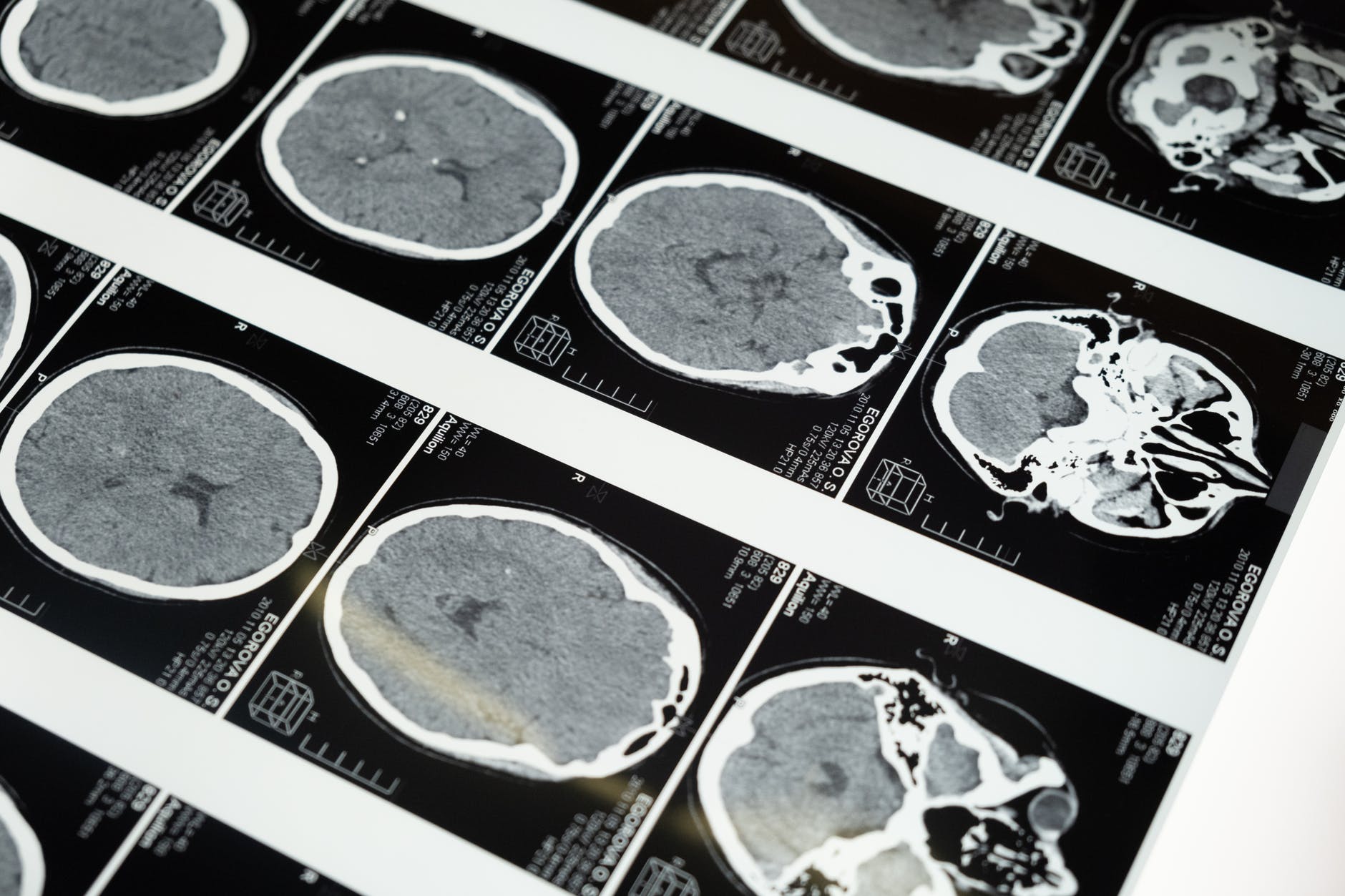
Photo by cottonbro on Pexels.com

I found the implications of Siegel’s research to be fascinating. He claims, through focused attention, one can change the neural patterns and behavior of the brain. Meditation affects biology in a physically measurable way.

There have been countless studies on the positive benefits of meditation practice, but, I think, fewer on the changes in the function and integration of the mind. The rewards of such can be profound.

“When our minds wander unintentionally, we are not present, we are not receptively aware, we are not mindful, and studies suggest, we inhibit being happy — even if we are daydreaming about exciting things. … Presence cultivates happiness.” pg 49

Besides the Wheel of Awareness portion, the part of Aware I found most helpful was a discussion about the proper cultivation of empathy, the ability to put yourself in another’s place to feel and share what they are feeling.

Photo by Anastasia Shuraeva on Pexels.com

Tania Singer, in a presentation to the Dalai Lama, had this advice: “… we need to place empathy in the larger space of altruistic love and compassion. This space will act like a buffer for empathic distress. Since altruism and compassion are positive mental states, they reinforce our courage and give us the resources to deal with the suffering of others in a constructive way.” pg 86

I liked the visual of that and think it will come in handy in the future.

Recommended for non-fiction readers interested in the science behind meditation and the development of presence. Spiritual seekers looking for different meditation methods may want to look for that in another, less technical, book.

Thanks for reading!

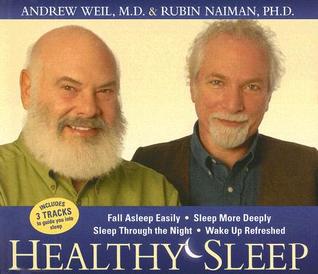
Healthy Sleep by Andrew Weil, Rubin R. Naiman

Healthy Sleep by Andrew Weil, Rubin R. Naiman

Doctors Andrew Weil and Rubin Naiman have created an audiobook to help cure the various troubles one may have while falling to sleep.

I liked their multimodality approach to a problem that everybody seems to have. They start with an exercise to help you figure out what type of sleep problem you may be facing. They discuss the differences between “rest” and “sleep”, which I had never considered. They also talk about how to structure your bedroom to give yourself the best opportunity for sleep.

Photo by Ketut Subiyanto on Pexels.com

Dr. Weil gives some natural suggestions for sleep like maintaining a consistent diet and exercise routine, going to sleep the same time every night, realigning your body with the natural rhythms of the outdoors, and more. He also discusses holistic remedies and the doses he recommends to his patients with potential side effects.

There are also multiple meditations to assist with relaxation and then sleep. As Dr. Naiman points out in the program, one does not truly “go to” sleep as it’s not a location or something you can “catch”. Sleep is more about stepping back and allowing your body to naturally do its thing.

The doctors also go into the importance of dreaming for the health of the psyche. If you’re not sleeping, there’s some underlying issues that your consciousness may not have time to deal with during the waking day. Managing your sleep is more than a benefit for your health, it is also vitally important for your mental health too.

Photo by Vecislavas Popa on Pexels.com

In addition to sleep for individuals, they talk about sleeping with a partner and the special challenges that can bring. I could see this being particularly helpful for sleep-challenged couples and is another aspect of the sleep environment that I hadn’t necessarily considered before.

Highly recommended for people who are looking to increase or improve the quality or quantity of their zzz’s.

Thanks for reading!

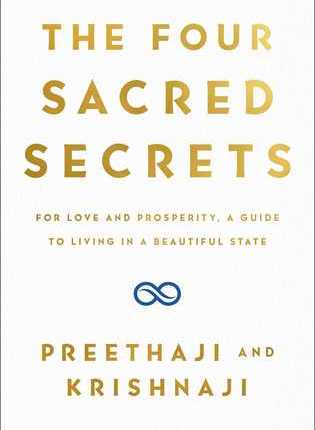
The Four Sacred Secrets: For Love and Prosperity, A Guide to Living in a Beautiful State by Krishnaji, Preethaji

The Four Sacred Secrets: For Love and Prosperity, A Guide to Living in a Beautiful State by Krishnaji, Preethaji

In The Four Sacred Secrets, Krishanaji and Preethaji, a husband and wife team, help readers understand four principles for spiritual living. Each section of the book is divided into an explanation of the principle or secret and then details corresponding transformational journeys the readers can undertake to help them internalize and live each one.

“Our goal is to help you awaken to a power that is much greater than any technique you can master — a power that is available to each and every one of us. We need only unlock it. It is the power of a transformed consciousness.” pg 2

Photo by Karan Shah on Pexels.com

The secrets aren’t really “secret” in that they’ve been discussed in spiritual texts throughout human history. But each speaks to how someone’s consciousness can move away from one’s primal state of beauty. The authors believe there are two states in life — this beautiful state of oneness or not being in this state.

The simplicity of this method of teaching is that it is easy to tell if you are in a beautiful state or not. You can feel it. You simply know. It is the state that children walk in. They are themselves, unconditioned by worldly expectations or concerns. It is a state that points to oneness with life itself.

“I want us to be free from the idea that we are separate from one another. Free from the war we feel within ourselves and the world around us. Free from the suffering that makes our lives feel small and meaningless. I knew a beautiful life lived in a beautiful state of being was everyone’s destiny.” pg 12

Photo by Jonathan Petersson on Pexels.com

The secrets include living your spiritual vision, discovering your inner truth, awakening universal intelligence and practicing right action. The journeys to these secrets are all different, but I think a similar thread runs throughout — observation of current conditions without judgment. If you can figure out where you are and then you can see clearly what’s holding you back.

“Our society places a premium on doing, with very little care to our inner state of being. Few of us truly make creating a beautiful inner experience a priority in our lives, choosing instead to live as though our career, performance, appearance, status, or financial security is all that matters.” pg 23

This book contains all of the tools one would need to completely transform their inner world, including meditation instructions and mythological allegories.

The authors also share the real-life stories of many of their students, some of whom didn’t even realize they were in a state of suffering until they stopped a minute and observed themselves. The type of freedom from suffering that seems to follow these students’ transformations is astonishing. If only we could all feel that way, what a different world this would be.

Photo by Alex Green on Pexels.com

“So many of us have been taught that we must solve our problems if we want to be free of suffering. But the truth is the inverse: If you want to become free of your problems, start by allowing your suffering to dissolve.” pg 62

Recommended for spiritual seekers who aren’t sure where to start. The Four Sacred Secrets is a good place to start looking.

Thank you to the publisher for a free advance reader’s copy of this book. The brief quotations I cited may change in the final version of the book. Expected publication date is August 2019.

Thanks for reading!

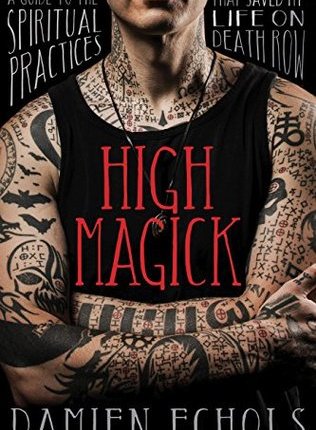
High Magick: A Guide to the Spiritual Practices That Saved My Life on Death Row by Damien Echols

High Magick: A Guide to the Spiritual Practices That Saved My Life on Death Row by Damien Echols

“Magick was out there in the world, and I could learn and practice it! That realization was like a bomb going off inside me. From that moment on, I pursued magick as if my life depended on it (and, in fact, later it did).” pg 11, ebook.

Damien Echols has penned a part-memoir/part-magic primer and, I believe, established himself as a new major voice in the Western Golden Dawn tradition. Many are familiar with Echols’ life. He was sentenced to die for a crime he didn’t commit. In High Magick, Echols shares the meditations and practices he used to keep his sanity and advance his spiritual development while behind bars.

Photo by RODNAE Productions on Pexels.com

It is a powerful book, not just because it is written in simple language and easy to understand, but because Echols is living proof that these techniques worked for him.

“Magick was the only thing in prison that gave my life purpose and kept me sane. Magick was the only thing I had to protect myself with. And that’s what this book is about — the practices that kept me alive for nearly two decades on death row.” pg 12

He shares some of the most basic practices like the Middle Pillar and Lesser Banishing Ritual of the Pentagram and, beyond the simple instructions of it, he gives the theory behind them. That’s helpful. Most of these kinds of books I’ve read don’t bother to go into the why’s. They’re too obsessed with the “how”.

“Every person on this earth is born with an entire universe of potential in them. Most people never cultivate the seeds of that potential, so the seeds go to waste and the people go through life wondering what went wrong, or blaming the world for everything that did go wrong. Magick waters those seeds to make that potential stir, grow, and flower.” pg 16, ebook.

Photo by Any Lane on Pexels.com

Echols avoids most “loaded” terms with an eye on appealing to every manner of reader. For example, he uses the term “energy” to describe the force behind the rituals he’s describing. I’ve heard it called many things and that particular word is a good one, I think.

He makes no unfounded promises. He simply offers a way to experience something that worked for him.

“Magick is both an art and a science. Some techniques are known for providing specific effects, but results vary, as they say.” pg 21, ebook.

An interesting side story: One of the librarians at my local library said “these types of books” (spiritual, nature-based, or “magic”) have been in high demand lately. She said there’s something of a renaissance going on in those who come to the library. They’re looking for something. It’s unique to each person, but she said libraries are purchasing more and more of this type of book in an effort to fill that need.

Photo by Matheus Bertelli on Pexels.com

“My grandfather used to say, “There’s more than one way to skin a cat.” I think most of you are familiar with the phrase, or at least an axiom with a similar message. It’s a curious way to remind ourselves that there’s more than one path to a particular destination…” pg 112, ebook

If you’re a reader looking for “this type of book”, I hope you find the right fit for you. Echols’ book should appeal to those looking for an introduction to the western occult tradition or simply the curious.

Thanks for reading!

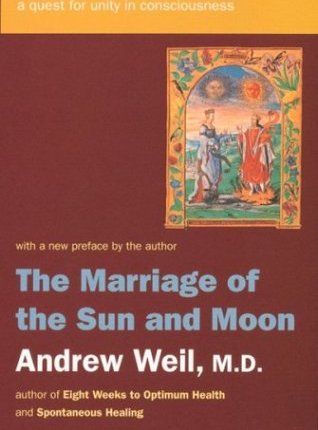
The Marriage of the Sun and Moon: A Quest for Unity in Consciousness by Andrew Weil

The Marriage of the Sun and Moon: A Quest for Unity in Consciousness by Andrew Weil

Andrew Weil travels around the world taking conscious-altering drugs or participating in mind-altering experiences (like a solar eclipse) to see what happens.

And to think, I assumed this book would be about meditation. 🙂

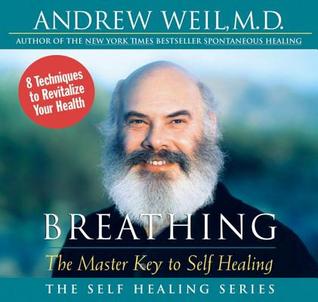
I recently read Weil’s Breathing: The Master Key to Self Healing and I really liked the way he presented Eastern teachings and techniques for a Western audience. I also like his mind-set, that practical knowledge is better than mere theory.

“I must emphasize at the outset my prejudice that the experience of an altered state of consciousness is intrinsically more valuable than any amount of theorizing about it, unless the theory helps individuals to make more and better use of the states available to them.” pg 241

Andrew Weil
Photo by Pixabay on Pexels.com

Similar to Tim Ferriss (the self help/improvement guru who brought us such works as The 4-Hour Body: An Uncommon Guide to Rapid Fat-Loss, Incredible Sex, and Becoming Superhuman), Weil is focused on collecting actual experiences and he uses his own body and mind as a test subject.

This book is a collection of newsletters that Weil wrote for the Institute of Current World Affairs. They offered him a fellowship after the publication of his book The Natural Mind: A Revolutionary Approach to the Drug Problem, to further test his theories about consciousness in the real world. I think his results are fascinating.

All of the chapters converge toward the idea of unifying consciousness. pg 5

Photo by Jonas Ferlin on Pexels.com

The dual consciousness Weil is talking about is the active mind, represented in ancient alchemy by the sun, and the subconscious mind, represented by the moon. Within each of us, both minds operate more or less in balance. Though many of his studies involve the conscious use of drugs to achieve that balance, Weil promotes natural methods above all else. He believes that though drugs may be used ritualistically and responsibly, that any state they reveal was already a latent potential in the mind.

Basically, you can get there without the drug.

The highs of altered states of consciousness such as those of trance and meditation are similarly related to the focusing of awareness. When we learn to bring about this kind of concentration at will, we can be independent of external triggers for highs, whether drugs, sex or mangoes. pg 26

Yes, according to Weil, mangoes, the fruit, have been used by mystics for millennia to unify the conscious and subconscious minds through a type of ecstasy of the mouth. Who knew?

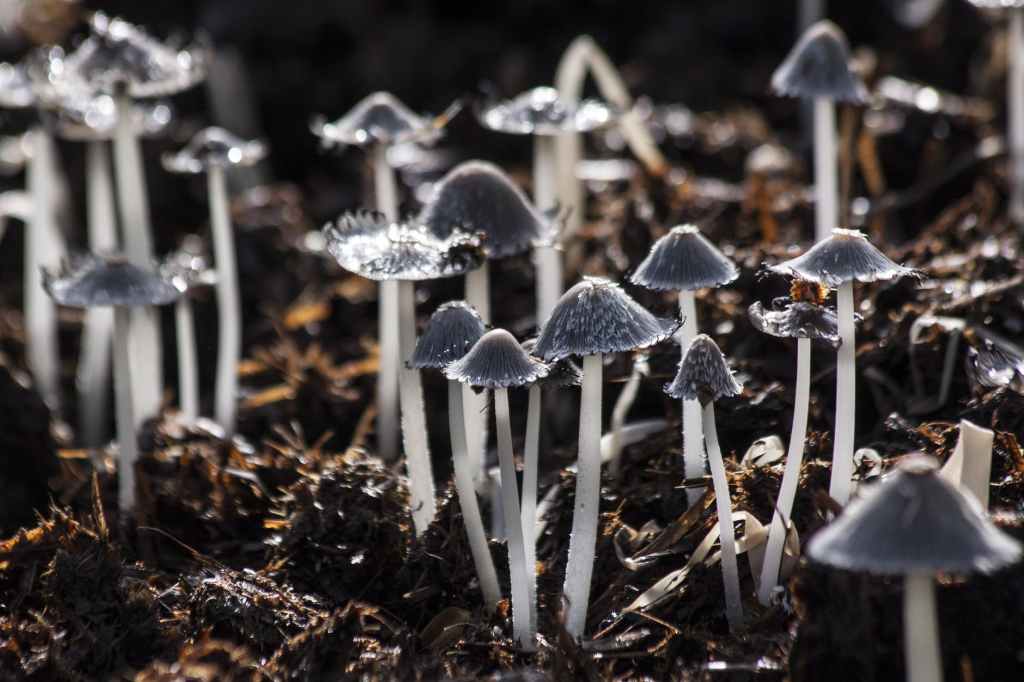
Weil exposes himself some far out stuff. He has three different chapters about his experiences with mushrooms.

“In other words, there is no line between poisonous and psychedelic mushrooms. Mushrooms are a pharmacological continuum, from the white cultivated variety that has no action as a drug to species like the Death Cup that can easily kill. If one likes to get high by eating mushrooms, he can choose species over a wide range of toxicity.” pg 47

Photo by Pixabay on Pexels.com

In addition to all kinds of drugs, there’s consciousness altering through purposeful vomiting in Mexico, chili eating, personally observing Uri Geller doing his metal-bending thing and more.

This book is perfect for readers who are interested in varying states of consciousness but, for whatever reason, aren’t able to make the trips or take the risks themselves. And there are risks because not everything that Weil tries is safe. At one point, he’s riding waves of nausea in the rain in the middle of the jungle while his friend vomits again and again an arm’s length away and there’s nothing he can do about it. Certainly doesn’t sound like something I’d want to attempt.

Though these newsletters were written in the ’70s and this book was published in 1980, I feel that it still has applicable uses for today. Just look at all of the states that are legalizing marijuana (and our Canadian friends!). Questions about altered states of consciousness and addiction are going to crop up that society, after decades of avoidance, is going to have to answer.

“Sooner or later we will learn that plants with effects on the body and mind, such as marijuana, are what we make of them. Used intelligently and carefully they can help us. Used irresponsibly they can harm us.” pg 98

Good thing we have trailblazers like Weil showing us a middle way.

Thanks for reading!

Breathing: The Master Key to Self Healing by Andrew Weil

Breathing: The Master Key to Self Healing by Andrew Weil

Andrew Weil presents pranayama, Eastern breathing techniques for health and well being, for a Western audience. If you have never tried meditation or deep breathing before, this would be a good place to start.

Weil talks about how breathing is one of the only bodily functions that can be performed both consciously and automatically. That unique control allows for a bridge to be made between the conscious and subconscious minds. Ever notice how people who are upset breathe faster? There’s reasons for that.

Photo by Karolina Grabowska on Pexels.com

The first disc of this audiobook is almost unbelievable in Weil’s claims of healing mental and physical disorders through simple breathing, but I don’t think he’d lie about it. I guess our culture has always put so much belief in Western healing through the use of medicines and concrete therapies, that we haven’t always entertained other types of healing.

Of particular interest to me was Weil’s testimony about a patient of his with anxiety disorders that were so severe that they were causing heart palpitations. His patient was given medications to suppress the anxiety, but after awhile they stopped working and Weil’s patient was forced to find something else. He approached all manner of doctors and psychologists, but didn’t see any movement forward on his problems until he began to practice Weil’s breathing techniques.

I know a few people in my own life who might find that story interesting too. Couldn’t we all use tools to increase our inner peace and decrease those pesky anxieties?

Photo by Harry Cooke on Pexels.com

The second disc is half a dozen or so different breathing exercises. They’re all fairly simple and you can do them in minutes.

I listened to this audiobook years ago and, honestly, forgot everything I learned. But I explored it again last week and realized that it was never too late to get back on track. Recommended self help book for anybody who breathes. 🙂

Thanks for reading!

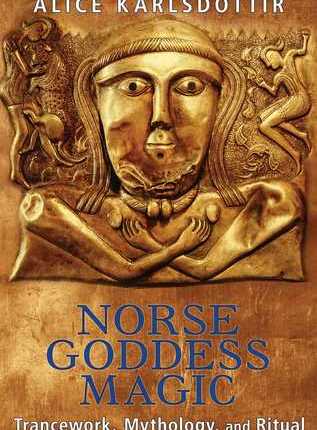
Norse Goddess Magic: Trancework, Mythology, and Ritual by Alice Karlsdóttir

Norse Goddess Magic: Trancework, Mythology, and Ritual by Alice Karlsdóttir

This is a new age, non-fiction book about trance work, which can loosely be described as deep meditation. I practice a type of meditation called “pathwalking” which is basically just another word for the same kind of practice. This book is about someone who focuses on the Norse religion exclusively.

I read Norse Goddess Magic not for the details about the Norse pantheon (which admittedly I know very little about, so it was very interesting and educational) but mainly for the author’s experience in trance work. To my disappointment, she spends pages and pages explaining what going into trance is, how she does it, and then only a few paragraphs in each chapter detailing an actual trance.

Photo by Lucian Potlog on Pexels.com

I wanted the book to be mainly trance work. That is what made it unique and original- her personal sojourns into “another world” and what she brought back. The rehashing of all of the old mythologies were, as I said, interesting, but if I wanted to read them, I could have picked up any book about Norse mythology.

I also felt like Alice spent a lot of time explaining why trance work is a valid method of information gathering and defending her opinion on why she believes that. I agreed with her completely so I just read through the pages thinking- preaching to choir, get to the trances! So, that was a frustration.

A part of the book that I disagreed with was Alice’s assertion that it is “difficult” to go into trance. In my experience, if you believe something is difficult to do be that hypnosis, meditation, whatever- you’re putting stumbling blocks on your path that don’t need to be there. Going into trance is as simple as watching your breath flow in and out. If you breathe, you can go into trance. I felt like she did a disservice to beginners with that particular teaching.

Photo by Daisa TJ on Pexels.com

I felt like Alice’s trances were so closely focused on one goddess or aspect of the goddess, that she didn’t really get all that she could out of her trance work or interactions in the other worlds. She read all of this information to prime her subconscious mind and then… it felt like not much happened.

To be fair, she did see the person she was looking for, describe their physical characteristics, express the emotion that they evoked in her, and then, maybe, have a brief interlude with them. In my personal trance work, there’s more interaction in the world itself but that could be the difference of our focus.

Alice said from the start that she wanted to know more about these different goddesses and form a working relationship with them whereas I’m just curious to see what’s out there. I’ve run into Roman gods and goddesses, Native American figures, Tibetian locations, some Egyptian and Hindu gods… but again, I’m not focused on one or another of the world religions. With an open mind, it’s incredible the types of things that you see.

Photo by carol wd on Pexels.com

So, I don’t believe in priming your mind with symbols before you do your work. Pick where you’re going or who you want to see, and just go. Personally, I use the symbols on the Tree of Life or tarot cards. Believe that you can do it. Figure out what works for you. And do it.

Then write it down so that I can read it. 🙂 Because I will.

Thanks for reading!

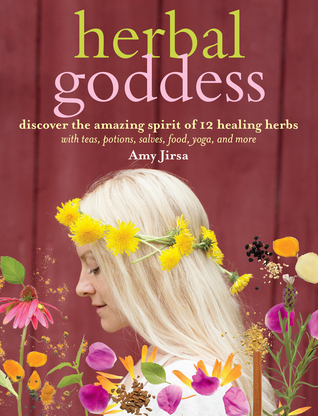
The Herbal Goddess Guide: Create Radiant Well-Being Every Day with Herb-Inspired Teas, Potions, Salves, Food, Yoga, and More by Amy Jirsa

The Herbal Goddess Guide: Create Radiant Well-Being Every Day with Herb-Inspired Teas, Potions, Salves, Food, Yoga, and More by Amy Jirsa

The Herbal Goddess Guide is a beautiful little reference book in which 12 different herbs are examined for physical, mental and spiritual healing purposes.

Amy Jirsa provides recipes, yoga poses, crafts and more to utilize the healing power of the plants in various ways.

Photo by Tim Douglas on Pexels.com

This book may not be for everyone as it has a very new age feel. Jirsa discusses magical traditions, honoring a plant’s spirit and more.

However, if you’re into tapping your inner goddess, this may be the perfect book for you.

If you read it and you enjoy it, you may want to purchase The Herbal Goddess Guide for your personal collection because Jirsa suggests “getting to know” each plant for a month and there is a chapter devoted to each.

It could take you awhile to thoroughly digest the information in these pages. (And to try everything!)

My favorite chapter, probably because it is my favorite herb, is lavender. Did you know it is a member of the mint family?

Photo by Palo Cech on Pexels.com

While lavender is known for being relaxing, it can, in some cases, be stimulating, so be sure to check in with your mind, your mood, and your energy level after each recipe.” pg 131.

Some of the yoga poses Jirsa outlines are rather advanced, but she offers modifications for each. If your flexibility isn’t up to snuff, no worries.

Highly recommended for the open-minded reader and non-traditional healers.

For similar, new age/self help books I’ve reviewed, check out:

How to Be Happy, Dammit: A Cynic’s Guide to Spiritual Happiness by Karen Salmansohn

The Four Agreements: A Practical Guide to Personal Freedom by Miguel Ruiz

Trance Dancing with the Jinn by Yasmin Henkesh

And thanks for reading!

Be Here Now by Ram Dass

Be Here Now by Ram Dass

A classic exploration of spirituality and consciousness by the former Harvard professor turned drug-fueled, then clean, spiritual seeker, Ram Dass.

What a strange book.

The first part is Ram Dass‘s life story.

Photo by Alesia Kozik on Pexels.com

He has trouble relating exactly how his guru changed his life. He also has trouble expressing his life changing spiritual insights.

This could perhaps be because of all the LSD he experimented with, but no judgement here.

I think Dass could have added another couple hundred pages to the first part and still probably not fully described his experience.

The next section of the book is block text printed on, what seems to be, brown paper bags. Monty Python-esque photos are drawn in, and sometimes behind, the text.

Photo by Giftpundits.com on Pexels.com

It reads like a stream-of-consciousness, path to enlightenment, how-to lecture.

Some of it is worthwhile, but I can’t sugarcoat it: It’s pretty far out there.

My description doesn’t really do it justice. Perhaps Be Here Now is one of those books that needs to be “experienced” rather than read.

The last section was a “cook book” on how to live an enlightened lifestyle.

Photo by Mikhail Nilov on Pexels.com

If you have a question about how an enlightened person lives, it’s probably included in there.

Dass elucidates how he believes you should eat, sleep, breathe, interact with others, think, meditate, raise a family, form a commune and so on.

I didn’t like it because it felt too brain-washy, cult-ish.

Dass attempts to put the reader’s mind at ease to all of the strictures. He mentions that one needn’t be concerned about family or social responsibilities because, once you reach the ultimate level, you’ll realize that none of those things are real anyway.

Looking back on my review, it seems as if I don’t like Ram Dass, but I do.

I rather enjoyed his Polishing the Mirror: How to Live from Your Spiritual Heart and a documentary that I saw about him once called Fierce Grace.

I too have had life experiences that have led me to the belief that human kind is here to “be high” and not just to “get high.”

Photo by Tim Gouw on Pexels.com

I don’t buy into the idea that life has to be lived a certain way to get certain results.

And, perhaps because I haven’t personally had the experience yet, I don’t get the whole guru relationship thing. I know it’s my western background speaking, but there you have it.

Recommended for spiritual seekers, but don’t forget to trust your own inner guidance.

Thanks for reading!