
Madeline Miller brings her incomparable talent for rewriting ancient myths for the modern audience to the tale of the Greek hero, Achilles, and his lover, Patroclus.
“For many years now, Achilles, I have urged companions on you and you have turned them away. Why this boy?” … “He is surprising.” pg 26, ebook

Readers don’t have to be familiar with the mythology behind the story to enjoy it. In addition, Miller includes a helpful guide of figures from classical myth at the back of the book in case you are in need of a refresher course.
Here’s a brief summary: Helen, the most beautiful woman in the world, is kidnapped (or leaves of her own accord, it’s unclear) and taken to Troy. Warriors around the globe gather to fight on one side or another because of this inciting incident, and the gods do as well.
As told in The Illiad, it is a struggle between mortals, immortals, and those who stand inbetween those two- the demi-gods, children of both worlds.
Among this special group, there is the son of Thetis, a sea nymph, and Peleus, the king of a small Grecian country. His name is Achilles. There is a prophecy, a couple in fact, about Achilles and that plays a large part in the story that follows.

The part of the story that has not been told before, and that Miller illustrates with such brilliance, is the life of Patroclus, the man whose death is so central in the myth but who is rather ancillary to the other heroes in the original telling.
“This was more of the gods than I had ever seen in my life. He made it look beautiful, this sweating, hacking art of ours.” pg 32, ebook
Miller also brings attention to the shadowy figure of Thetis, Achilles’ mother. Her role in the story was marginalized as well, but in The Song of Achilles she comes to the forefront.
Like parents throughout history, she wants her son to succeed to the best of his ability. In this particular case, she thinks he should shed his mortality take his place among the gods.
To do so, he has to achieve godlike status on earth. Falling in love with a mortal does not fit into Thetis’ plan for Achilles’ future.

“There is no law that gods must be fair, Achilles,” Chiron said. pg 55
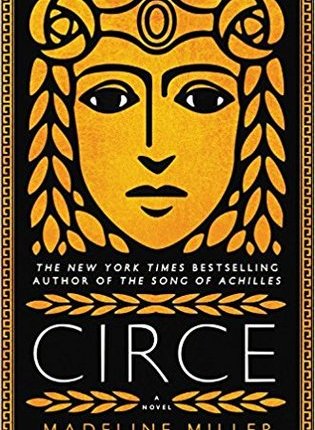
I read Miller’s Circe prior to this story and so wasn’t surprised that I enjoyed this tale as much as I did. As I mentioned before, she excels at taking old themes and making them feel new again.
This cultural development is important for humanity, as I recently read in Antigone Rising: The Subversive Power of the Ancient Myths. There is power in the stories we tell and the manner in which we tell them. It helps to shape the future.
Highly recommended for readers who enjoy mythology or a simply well-told tale.
Thanks for reading!
- The Ballad of a Small Player: a Metaphysical Movie Review
- Otherwhere: A Field Guide to Nonphysical Reality for the Out-Of-Body Traveler by Kurt Leland
- Psychic Dreamwalking: Explorations at the Edge of Self by Michelle Belanger
- Archetypes on the Tree of Life: The Tarot as Pathwork by Madonna Compton
- The Goddess and the Shaman: The Art & Science of Magical Healing by J.A. Kent




 The Help Desk Book Blog