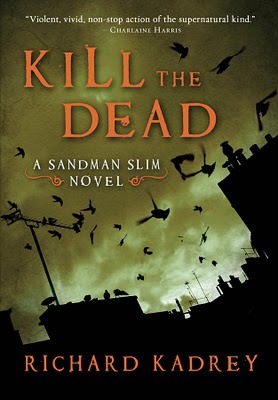
Kill the Dead (Sandman Slim, #2) by Richard Kadrey

Kill the Dead (Sandman Slim, #2) by Richard Kadrey

“Subtle hunting, acting like a grownup, I really miss Hell sometimes.” pg 4

First of all, don’t read the Goodreads description of Kill the Dead before you read it. It gives far too much away!

Here’s a Heidi-no-spoilers blurb that should serve you just as well: James Stark, the half-angel, half-human and one hundred percent pissed off anti-hero is back. Keeping an apartment in Los Angeles doesn’t pay for itself, so Stark is on the hook for contract work for a variety of agencies including Vigil (a super secret department of Homeland Security) and Lucifer, yes that Lucifer.

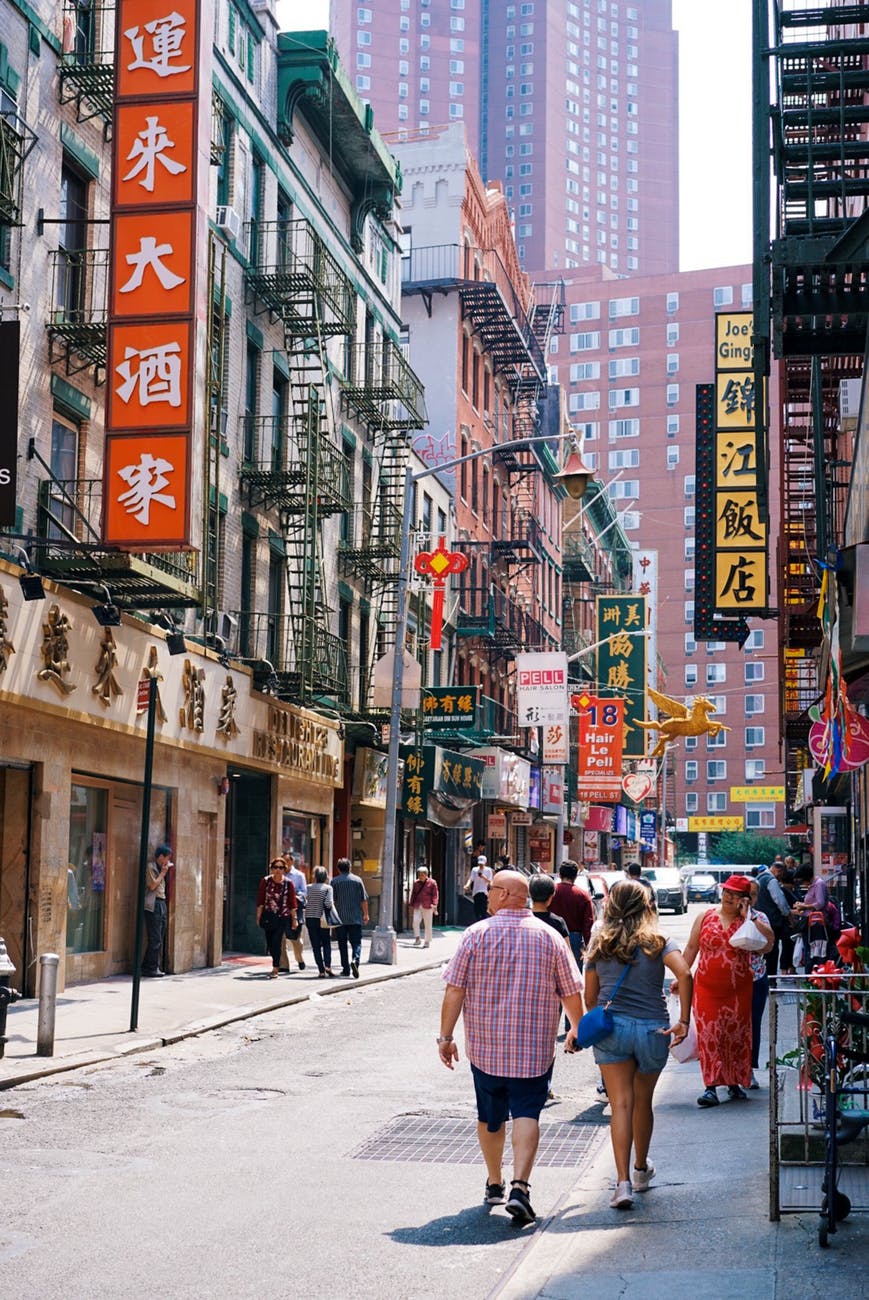
Photo by ROBERTO ZUNIGA on Pexels.com

Because of a small saving-the-world situation in the last book, Stark has become an underground local celebrity, which has its ups and downs. Part of the perks includes a upsurge in customers at the Bamboo House of Dolls, Stark’s favorite local dive.

“It’s good to have one thing that hasn’t changed much. We need a few anchors in our lives to keep us from floating away into the void. Like Mr. Muninn said the one time he came in. “Quid salvum est si Roma perit?” What is safe if Rome perishes?” pg 28

Trouble brews when people start to go missing in Los Angeles’ underground and some of the members of its leading magical families turn up dead. Looks like Stark is going to have to save the day again and he’s not happy about it.

“I didn’t save anyone. I just killed the bastards who needed killing. Get it? I don’t save good people. I murder bad ones.” pg 39
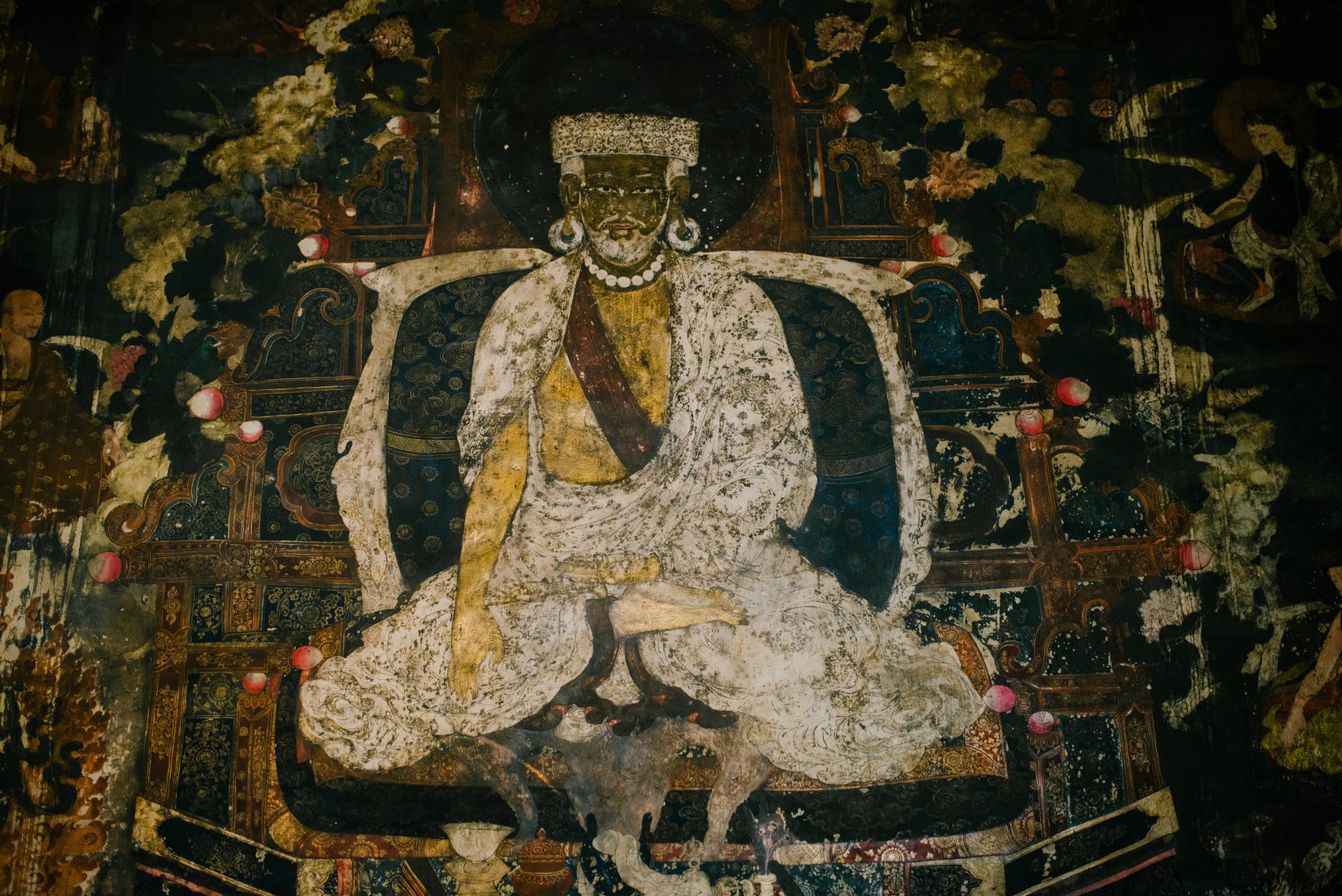
Photo by Julia Volk on Pexels.com

Why can’t the world just save itself? Hasn’t Stark suffered enough? But what’s a nephilim to do if not save the world while holding tightly to his fracturing sanity with both hands.

“You came back to get the people who hurt you and Alice and you did it. Great. Now you need to find the next thing to do with your life.” “Like learn the flute or maybe save the whales?” pg 57

Suffice to say, Stark finds a few new motivational factors in this book and we are treated to some fairly serious zombie action.

I enjoyed the second entry in the Sandman Slim series, but less than the first book. To start, I felt it was less focused. There’s a heck of a lot going on in Stark’s life and he doesn’t stop to ponder things. He’s always on the go. It makes for a book that you can’t put down, because if you do, you’ll forget who is doing what.

We see less of some of my favorite side characters, which was another bummer. Stark is so intense. He needs more comic relief than just his literal talking head roomie who is perpetually drunk and watching garbage on his computer.

Photo by Photography Maghradze PH on Pexels.com

“I know whose side I’m on. Mine.” pg 236

And there’s the darkness factor. Again, this is urban fantasy with a heavy dose of pessimism. No one is coming to save our intrepid hero. There may be angels in heaven but they couldn’t care less about what goes down on earth. At least Lucifer can be bothered to visit and throw some cash around to his favorites. How depressing is that.

That being said, of course I’m going to pick up the next volume. This is a revenge story primarily, but it is also a love story. I feel like, somewhere in the cosmos, Stark is going to find his Alice and they’re going to get the time together that he was denied. Won’t he be pleasantly surprised…

Thanks for reading!

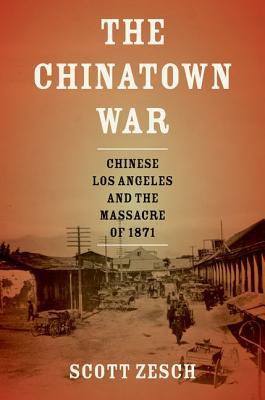
The Chinatown War: Chinese Los Angeles and the Massacre of 1871 by Scott Zesch

The Chinatown War: Chinese Los Angeles and the Massacre of 1871 by Scott Zesch

The Chinatown War is an outstanding examination of a little remembered event in Los Angeles history. One terrible night in 1871, racial tension boiled over in what was later labeled “the Chinese Massacre” and what the people of Los Angeles at the time called “Black Tuesday” or “the night of horrors”.

Scholars can’t even agree on how many people were murdered that night in October 1871. Scott Zesch, the author of The Chinatown War, believes it was around 18.

“Most Angelenos do not even know what happened that night, for the city’s fathers decided to put the incident behind them shortly after it occurred, and the victims were not people of consequence. They were ordinary immigrants whose American dream ended in a nightmare.” prologue

Photo by Roberto Nickson on Pexels.com

Public opinion was driven by resentment and distrust of Chinese immigrants. While often portrayed as a working class complaint over jobs, the hatred towards the Chinese was a thinly veiled racism against a people who were hated largely because their ways and culture were different.

“Contrary to popular belief, the earliest Chinese immigrants to America did not come to build the transcontinental railroad in the 1860s. Instead, it was the California Gold Rush of 1849 that brought the first large wave of Chinese to the West Coast.” pg 6

I learned so much from this book.

For example, Chinese immigrants in Los Angeles were often members of social groups called huiguan – commonly called “companies” in the newspapers of the time, although that translation is not exactly correct. Huiguan were social groups formed to help Chinese immigrants in their new lives in America. Members would sign up for the huiguan based on the location they immigrated from in China.

Also, though it is now one of the most populous cities in the U.S., in 1871 Los Angeles only had a population of around 6,000 people. Unfortunately, this massacre is one of the events that brought Los Angeles to the attention of the rest of the world.

“One of the city’s early historians, Charles Dwight Willard, characterized Los Angeles as ‘undoubtedly the toughest town of the entire nation’ during the 1850s and 1860s. He claimed that it had a larger percentage of miscreants than any other American city and, for its size, also had the highest number of fights, murders, and robberies.” pg 23

Photo by Pixabay on Pexels.com

Policing this rough and tumble western town wasn’t easy. This was compounded by the fact that the police department was too small.

Los Angeles’s early police department was too small, and was staffed by men too inexperienced or indifferent to their responsibilities, to be very effective in keeping order.” pg 53

The riot itself is difficult to read about, even now that nearly 150 years have passed since that night. Innocent people were dragged from their homes, brutalized and murdered.

“One eyewitness reported that the ‘stark, staring corpses hung ghastly in the moonlight,’ while ‘others, mutilated, torn and crushed, lay in our streets.'” pg 150

Not all of the citizens of Los Angeles participated in the massacre. Some tried to shame the mob into stopping or hid the terrified Chinese in their own homes to protect them.

“Baldwin quickly realized that the crowd’s sentiment was very much against him. As he said later, ‘I might as well have spoken to a cyclone.'” pg 145

Photo by Megan Markham on Pexels.com

A man named William H. Gray concealed several people in his home. In the years following the massacre, he received anonymous gifts in thanks for his actions that night.

Zesch examines the whole incident from the beginning to the trials following and how it affected (or didn’t) Los Angeles afterwards. His research and scholarship really is astonishing. He gives context and history not only of the city but also of the Chinese immigrant community at that time.

Highly recommended for anyone who wants to learn about an event in Los Angeles history that should never be forgotten.

Thanks for reading!

Here’s the History Guy episode I wrote about this event: