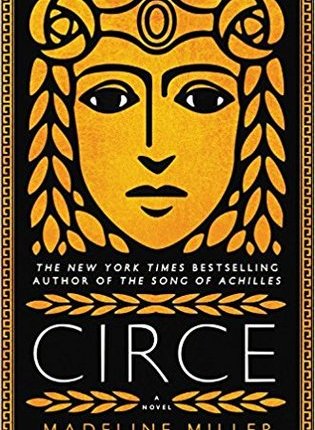
Circe by Madeline Miller

Circe by Madeline Miller

Circe is an epic fantasy that reads like a historical fiction novel, based on the Greek mythology of the witch of Aiaia, the daugher of a Titan- Circe.

I minored in the classics at university and one of my favorite classes was mythology. I love taking apart stories that mirror humanity’s foibles and try to explain the origin of some of life’s harder truths.
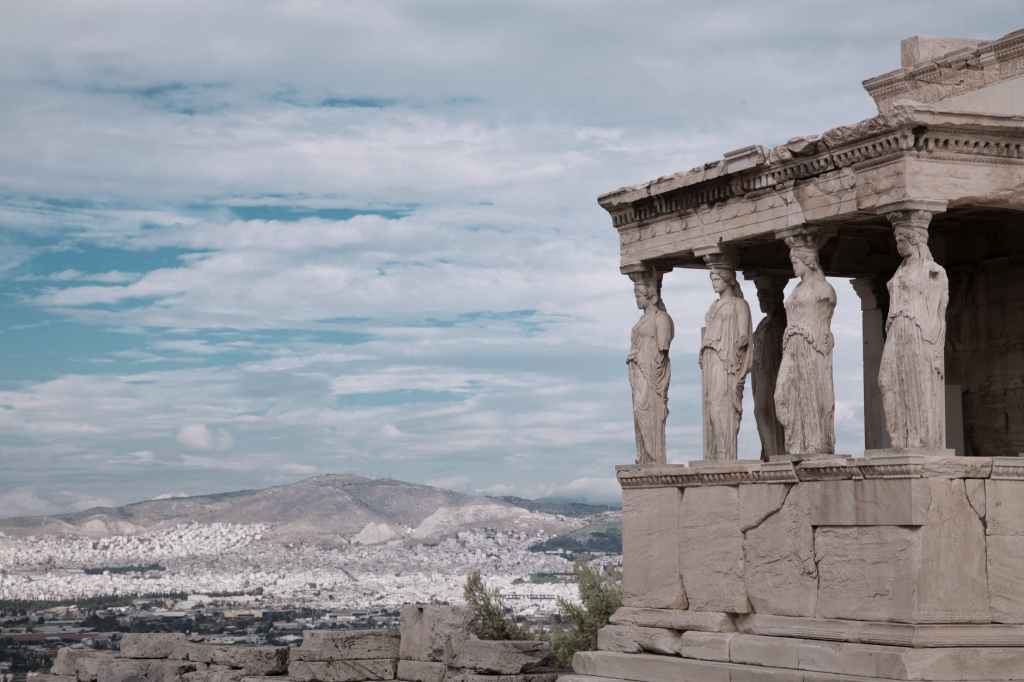
Photo by jimmy teoh on Pexels.com

In the war between the Titans and the Olympians, a creation story that could be interpreted to mean the ascension of modern culture over more ancient superstitions, the Olympians triumph. But the Titans are not wiped off the face of the earth.

“Beneath the smooth, familiar face of things is another that waits to tear the world in two.” loc 272, ebook.

Some of the Titans’ powerful and mysterious children play central roles in the great mythological stories. Circe is one of those.

“They called me nymph, assuming I would be like my mother and aunts and cousins. Least of the lesser goddesses, our powers were so modest they could scarcely ensure our eternities. We spoke to fish and nurtured flowers, coaxed drops from the clouds or salt from the waves.” loc 102, ebook.

Photo by ArtHouse Studio on Pexels.com

She began her life in the halls of Helios, a Titanic deity who was a god of the sun, much like Apollo.

“At my father’s feet, the whole world was made of gold. The light came from everywhere at once, his yellow skin, his lambent eyes, the bronze flashing of his hair. His flesh was as hot as a brazier, and I pressed as close as he would let me, like a lizard to noonday rocks.” loc 158, ebook.

Compared to her great father and gorgeous, manipulative mother, Circe was nothing- one of the many faceless children of the greater gods, whose future was destined to be a wife and then mother to more godlings.

Circe’s future is not as simple as all that.

She, and her brothers and sister, have a unique power that no other gods possess. They have the ability to harness the plants and power of the earth, to create potions and salves with miraculous effects. They call it: pharmakeia.

Photo by Daria Shevtsova on Pexels.com

Modern readers can recognize the roots of the word “pharmacy” in the name.

“Pharmakeia, such arts are called, for they deal in pharmaka, those herbs with the power to work changes upon the world, both those sprung from the blood of gods, as well as those which grow common upon the earth.” loc 909.

It is a power no one understands and, because of its mysteriousness, it makes even the gods afraid.

There is more to Circe’s story than pharmakeia. She also interacts with Hermes, Daedalus and Odysseus. She creates a god and a monster. She shakes the foundation of the oceans.
Photo by Kevin Menajang on Pexels.com

Highly recommended for those who enjoy mythology or historical fiction. It will transport you to a world where gods and goddesses walk the earth and humanity can do nothing but tremble in their shadows.

Thank you to NetGalley and Little, Brown and Company for an advance, digital copy of this book.

Thanks for reading!

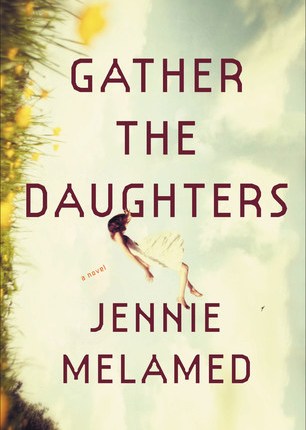
Gather the Daughters by Jennie Melamed

Gather the Daughters by Jennie Melamed

Gather the Daughters is about a small community that lives with no electricity or modern conveniences on an island. They have a church made of stone that sinks into the ground and a holy book written by “the ancestors.” These ancestors are saint-like founders who, according to tradition, fled the wider world to preserve the human race during an apocalypse.

Traditions are dark and strange on the island, but not questioned because they were written by the ancestors.

Photo by Ingo Joseph on Pexels.com

The tale is told from the viewpoint of four girls: Vanessa, Caitlin, Janey and Amanda.

From the fires of wickedness we grew forth, like a green branch from a rotten tree,” he reads. “From the wastelands of want came the hardworking men of industry and promise. From the war-stricken terror came our forefathers to keep us safe from harm.” Like everyone else, Vanessa mouths the words along with him. loc 122, ebook.

Because of the small number of people on the island, everyone has an assigned job- that they keep for life. Reproduction, meetings and courtships are also controlled by tradition.

Sometimes the way things are done seem irrational or cruel, but the community does not change. Take the perpetually sinking church: “Every ten years or so, when the roof is almost level with the ground, all the men on the island gather to build stone walls on top of it, and the roof becomes the new floor. Vanessa asked Mother why they couldn’t just use wood, but Mother said it was tradition, and it would be disrespectful to the ancestors to change it.” loc 229, ebook.

Photo by Zac Frith on Pexels.com

Similar to The Handmaiden’s Tale, Gather the Daughters is ultimately about what happens when society dictates and controls relationships, sexuality and education through religious doctrine. It is also examines the male/female balance of power.

Gather the Daughters is a gripping read. But not mysterious. It was fairly clear in my mind from the start where this story was headed, but I cared about the main characters. They have heart and I couldn’t help but want them to live in a better world than the one they were born into.

I could see this being a great choice for book clubs. There’s plenty to talk about, especially with character motivations and the structure of society.

Photo by David Bartus on Pexels.com

Reader warnings: survivors of childhood sexual abuse could be triggered by this read. There are also some domestic violence scenes.

Thank you to NetGalley and Little, Brown and Company for a free advance reader’s copy of this book. Reminder: the short quotations that I pulled for this review may vary in the final printed version.

Thanks for reading!

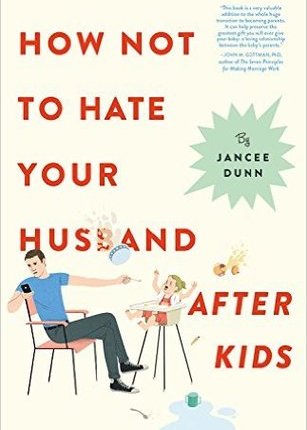
How Not to Hate Your Husband After Kids by Jancee Dunn

How Not to Hate Your Husband After Kids  by Jancee Dunn

This book gave me so many “ah-ha” moments that after a hundred pages I started to feel like an idiot. Why did I assume that so many of these little “life after baby” marital frustrations had only ever happened to me?

How Not to Hate Your Husband After Kids made me feel like I was part of a larger group called ‘mothers who try to do it all and feel secretly guilty that they can’t and wonder how everybody else does it.’ What a relief to know it wasn’t just me.

Photo by Andreas Wohlfahrt on Pexels.com

Dunn weaves her personal stories in with interviews from experts in fields as diverse as couples’ counseling to organizational gurus on a quest to save her sanity and her marriage from the hole that it had fallen into post-baby.

She is largely successful and gives plenty of tips that readers can incorporate immediately into their lives.

But, I was bothered by the, what I interpreted as, straight-up manipulation of her husband. Yes, Dunn is simply following expert advice, but reading about her self-satisfied crowing as she changes some of his more irritating behaviors felt disrespectful.

I mean, husband Tom is going to read this book.

I would feel devastated if my spouse wrote those sorts of things about me for millions of people to read and dissect. Granted, he was clued in that things were being recorded in a tell-all book, but still.

Photo by Public Domain Pictures on Pexels.com

“When I was six months pregnant with my daughter, I had lunch with a group of friends, all of whom were eager to pass along their hard-won scraps of parental wisdom. … ” … get ready to hate your husband,” said my friend Lauren. … Wrong, I told her calmly… But my friend Lauren was right.” locs 115-140 ebook.

We joke about how babies change lives but it’s not really funny, is it. It is a legit problem that marital happiness decreases because of less sleep, less money, less time, less sex… no need to go on.

Dunn begins her efforts to change her situation when she realizes that she’s reached a breaking point.

“Our daughter is now six, and Tom and I still have endless, draining fights. Why do I have the world’s tiniest fuse when it comes to the division of childcare and household labor? I am baffled that things have turned out this way.” loc 158.

In cringe-inducing honesty, Dunn admits to being verbally abusive to her spouse. My stomach actually churned when I read the sorts of things that she’d call him during fights.

Photo by cottonbro on Pexels.com

That part of the memoir made me very glad that she decided she didn’t want to live like that because I know that I wouldn’t have wanted that either.

I learned a lot about “maternal gatekeeping,” a pernicious practice where a mother discourages fathers from interacting with their children because of an internal belief that she knows better how to do EVERYTHING. And also, I learned about the importance of blocking time on weekends for personal rejuvenation and rest.

“And must we be compulsively busy every second of the day, briskly doing something “useful”? Nonstop activity can be addictive, but it’s a mistake, warns the University of Houston’s Brene Brown, a mom of two.” loc 1697.

Word. Everybody needs to chill out, calm down and unwind.

We also need to appreciate each other more.

At the end of the day and on the other side of all of the experts, Dunn comes to a dozen important realizations. One of which, appreciation, seems to be the magic bullet for most of her formerly-insurmountable marriage woes. It isn’t a new message but it is one that is worth repeating.

Photo by Magda Ehlers on Pexels.com

Recommended for parents of all ages, How Not to Hate Your Husband After Kids contains wisdom for just about every troublesome situation that one may find themselves in after children. Let’s hope the book can live up to its title.

Thank you to NetGalley and Little, Brown and Company for a free digital copy of this book. And thank you for reading!

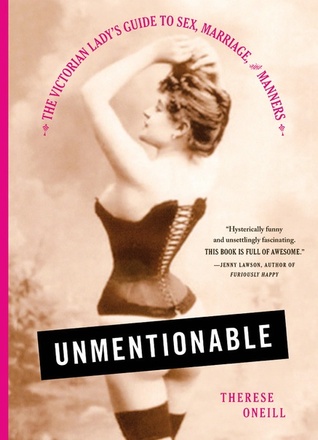
Unmentionable: The Victorian Lady’s Guide to Sex, Marriage, and Manners by Therese Oneill

Unmentionable: The Victorian Lady’s Guide to Sex, Marriage, and Manners by Therese Oneill
unmentionable

Unmentionable made me truly appreciate how good I have it compared to my female ancestors.

This clever little book examines the gross, disturbing, and, at times, hilarious “unmentionable” facets of a Victorian woman’s life and also, their powerlessness in society when compared to their male counterparts.

The women’s rights portion sounds grim, but Oneill’s writing keeps it light. I learned so much and was entertained too.

For example, I don’t consider modern cities to be very clean, but Oneill explains in her book, that they are shining examples of cleanliness compared to what came before: Some would argue that the nineteenth century was one of the filthiest times in all of Western history, particularly in any urban, developed area. … Ankle deep in filth, I said, but forgive me, I was inaccurate. You will wish the filth terminated at your ankles. Foulness is everywhere. Grime and rot cling to the very air, the buildings, the people; even the soap is made out of lard and poison.” pg 20, ebook.

All that dirt, but bathing was considered bad for your health and even, depending upon your religious upbringing, immoral! I’ve never read a historical fiction that describes the foul stench of the streets or the crowd upon it… now, I know better. Thanks Unmentionable!

Make up and other personal care products used to be either oily goop or filled with poisonous substances that could kill you or permanently wreck your face.

Photo by Rita Rebeca on Pexels.com

With this in mind, Oneill gives us a new take on the story of Jezebel: “She painted her face, and tired her head [fixed her hair], and looked out at a window.” “Some think this means Jezebel planned to seduce her way out of this problem; others think she was facing death with composure and dignity. At any rate, her eunuchs saw that they were on the wrong team and shoved her out the aforementioned window, and dogs ate her face. Which reinforces the assumption that her face was coated in sinfully delicious animal fat.” pgs 67-68, ebook.

Because women really had no other choice, being the ideal wife and mother was no laughing matter: “Your only job now that you are a nineteenth-century wife is to do everything within your power during every waking moment to make his life so sweet and full that he will literally dread the glory of Christ’s return, if only because it will mean parting from your secret strudel recipe and the unmatched craftsmanship of your trouser hemstitch.” pg 130, ebook.

So, unreasonable expectations of perfection abounded at home.

Photo by Pixabay on Pexels.com

Women, especially single, unmarried ones, weren’t supposed to go anywhere alone: “Etiquette for Ladies reminds us that no woman has any business being alone in a museum, a library, or any other such den of unwholesomeness. Wherever you are going, your behavior once you arrive should remain every bit as self-aware-but-pretending-not-to-be as when you were in transit.”pg 165, ebook.

The library is a “den of unwholesomeness”… ha!

But the worst of the era, in my opinion, was the medical community’s attitude towards women. At that time, we hadn’t figured out how the female body worked and didn’t connect the idea that people need intellectual stimulation and purpose for a life well lived.

That lead to the lumping of every female complaint under the title, “Hysteria”: “First I would like to tell you what hysteria actually was. Which is incredibly difficult. Because the only honest definition I can give you is “a misdiagnosis.” Epilepsy, diabetic shock, neural disorders, post-traumatic stress disorder, postpartum depression, and bipolar disorders do not necessarily cause similar symptoms, but they were all commonly diagnosed as hysteria.” pg 173, ebook. So, pretty much, everything then.

Photo by Vie Studio on Pexels.com

Oneill reminds the reader that many of the rights, and indoor plumbing, and personal care products that we enjoy today are because of the demands for a better life by women who lived during the Victorian era.

I am so very grateful and humbled for their contributions to society and the sufferings that they endured so that their children’s children’s children would have it better. Some further (non-humorous) reading: Spinster: Making a Life of One’s Own or Artemis: The Indomitable Spirit in Everywoman.

Thank you to Netgalley and Little, Brown and Company for a digital copy of this book & thanks for reading!

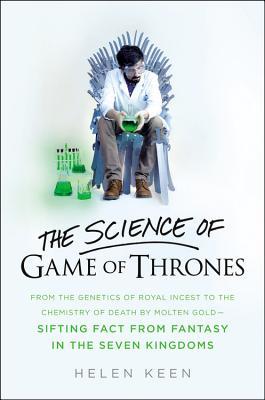
The Science of Game of Thrones: From the genetics of royal incest to the chemistry of death by molten gold – sifting fact from fantasy in the Seven Kingdoms by Helen Keen

The Science of Game of Thrones: From the genetics of royal incest to the chemistry of death by molten gold – sifting fact from fantasy in the Seven Kingdoms by Helen Keen
thescienceofgameofthrones

Readers beware: there are major spoilers contained within the pages of The Science of Game of Thrones. Do not read it (or this review) unless you’ve read all of the books that are currently out or have watched all of the seasons of the HBO show!

That being said: if you are a fan of the Game of Thrones, in any format, you simply must read this book.

From dragons to the effectiveness of female body armor, poisoning to the real possibilities of our world ending in ice or fire, Keen takes us on a scientific examination of all things related to George R.R. Martin’s epic series and what a trip it is.

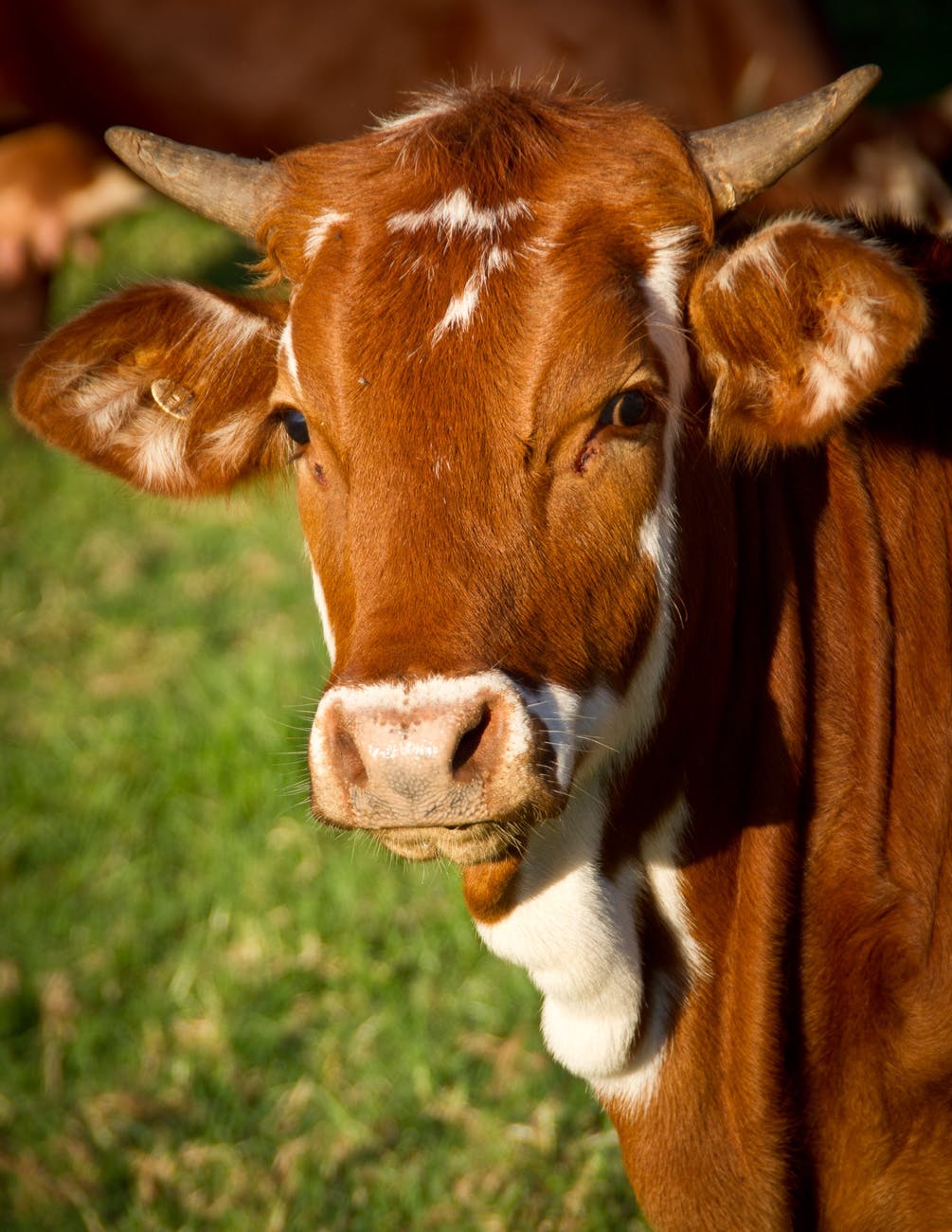
My favorite part was a discussion about how dragons would breathe fire in real life and how that relates to the explosive capabilities of cows: “A cow can produce between 250 and 500 litres of highly flammable methane a day… In 2013 it was reported that a build-up of methane from a particularly afflicted dairy herd, coupled with an accidental spark of static electricity, ‘nearly blew the roof off [the] barn’ in Rasdorf, Germany… After a lot of genetic tinkering, a Danearys Targaryen in our world will be able to ride valiantly into battle to claim what’s hers on the back of a genetically modified fire-breathing heifer.” loc 235, ebook.

Can you picture it? I can!

Photo by Pixabay on Pexels.com

The potential positive effects of inbreeding: “… there’s evidence that, over time, inbreeding can actually purge a population of the effects of harmful recessive gene variants. These ‘bad’ genes are way more likely to show their effects, so, ultimately, the lines of the carriers are more likely to die off. Thus while the results of successive generations inbreeding is generally bad for the particular individual, it’s often good for the population as a whole.” loc 328, ebook.

So, the Lannisters can continue paying their debts as long as they’re not carrying harmful recessive gene variants. Good to know.

The Hodor question: “For a long time we were wondering what happened to Wyllis to cause his ‘hodoring’ behaviour. Perhaps he suffered a stroke or a tumour, or even a blow to the head. … Extensive damage to Broca’s area is also sometimes caused by malnutrition, but that seems unlikely in Wyllis’s case, given his enormous girth. Whatever the story, one thing is clear: Wyllis is clearly exhibiting a severe type of ‘expressive aphasia’. He can understand what other people are saying and respond, but he struggles to produce more than a single word.” loc 882-895, ebook. Hodor, hodor… hodor! Hodor.

Prior to a wonderful examination of the actual existence of dire wolves, Keen has this to say about the Starks and their pets: “The Stark children.. find a litter of orphaned dire wolf puppies and are desperate to keep them- like all children everywhere when confronted with the cute, mewling faces of slavering ferocious death beasts in their juvenile form. Their father Ned gives them a lecture worthy of any parent in Pets R Us along the lines of ‘Ok then but you’ll have to walk them yourselves even if it’s raining’.” loc 1160, ebook. Ha!

Photo by Brenda Timmermans on Pexels.com

And, finally, I enjoyed learning about crows. Apparently, they’re actually extremely smart and have very good memories: “Previous research has shown that crows not only remember a threatening face, they share that knowledge within their community, so that the individual is remembered and scolded by the crows, even after a gap of several years. Young crows, it seems, are even taught to recognise and scold the ‘villain’ by their parents.” loc 1357, ebook. Yikes. Don’t bully crows, friends.

There’s a bit of language in The Science of Game of Thrones and some juvenile humor, but, overall, it is much tamer than the source material. Recommended for ages 14+. Some further reading: What If?: Serious Scientific Answers to Absurd Hypothetical Questions by Randall Munroe or Loch Ness Monsters and Raining Frogs: The World’s Most Puzzling Mysteries Solved by Albert Jack.

Thank you to NetGalley and Little, Brown and Company for a free digital copy of this book! And, thank you for reading.

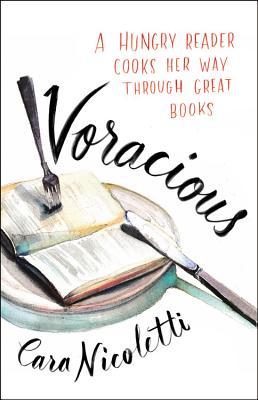
Voracious: A Hungry Reader Cooks Her Way through Great Books by Cara Nicoletti

Voracious: A Hungry Reader Cooks Her Way through Great Books by Cara Nicoletti
voracious

Voracious is so much fun. It is a foodie’s honest and open-hearted memoir in which she weaves literary themed recipes each chapter and gives a brief summary of the novel that included it.

Pair this with Tequila Mockingbird: Cocktails with a Literary Twist and you’ve got the makings of a bookworm’s dream feast!

The chapters from Cara’s childhood were some of my favorites because they were so relatable. “I cooked and read my way through awkward middle school years, first love, devastating heartbreaks, loss, and change. As I grew older, though, reading and cooking became the forces that broke me out of my shell, allowing me to form strong relationships and connect to the world around me.” pg 5, ebook.

Or this part, when she and her friends find Grimm’s Fairy Tales in the attic: “We were heavily into mysteries and ghost stories at the time, and when we found the book we were certain that we had discovered some dark secret that my parents had tried to keep under lock and key.” pg 13, ebook.

I know that feeling- when I was ten or eleven, I found a copy of Alfred Hitchcock’s Mystery Magazine that Grandma had loaned to my mother and I had read half of it before Mom discovered me, contently turning pages in the summer sun.

She took it away saying, “This is too old for you.” Some humbug mothers, hmph. I learned to hide when I was reading anything that I thought she wouldn’t want me to. Can’t keep a bookworm down.

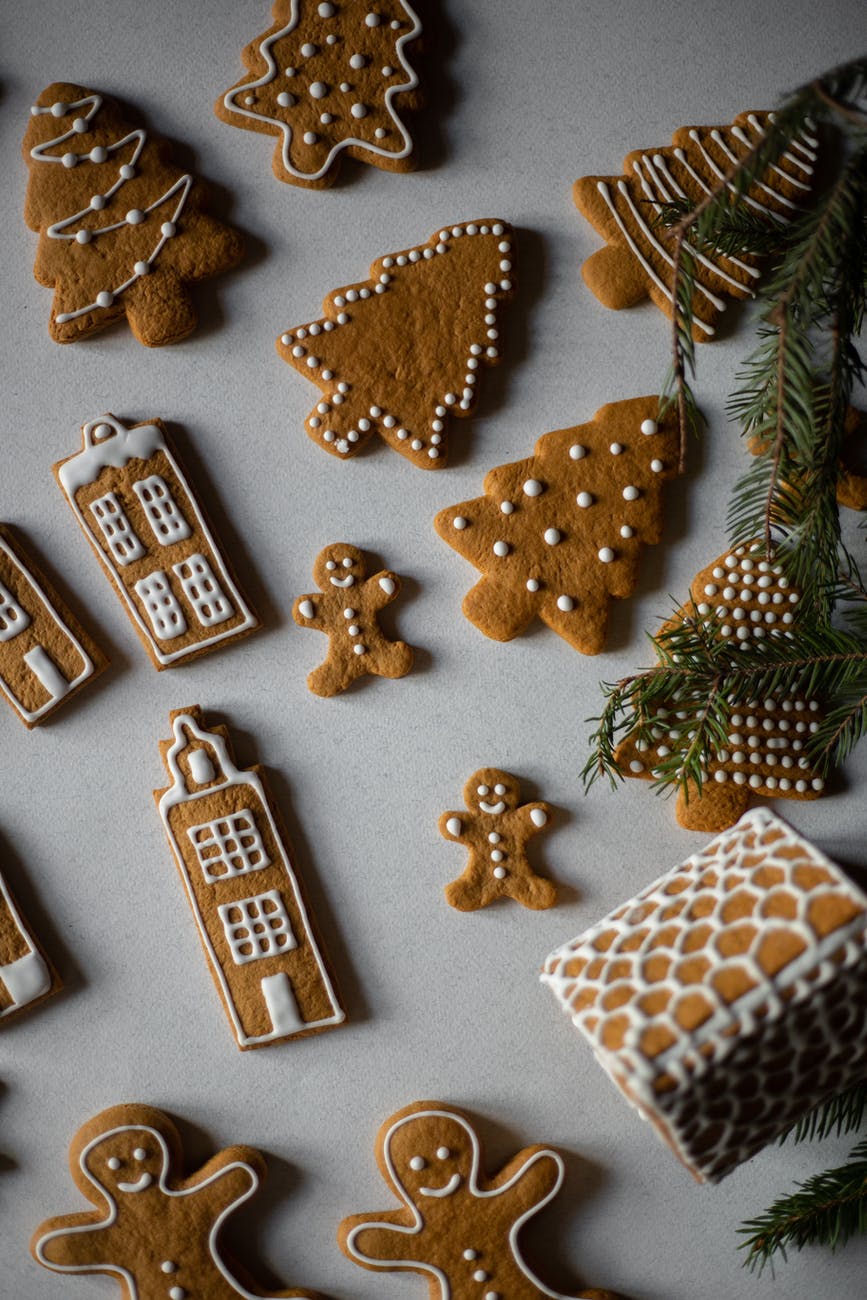
In this passage, Cara talks about the culinary conundrum of gingerbread houses: “You toil and sweat, smelling good smells and touching sticky dough and mixing sweet icing for hours and your only reward is visual. It seems so wrong.” pg 15, ebook. I’ve always thought that too!

Photo by EKATERINA BOLOVTSOVA on Pexels.com

If I try any of the recipes in here, it’s going to be: If You Give a Mouse a Cookie- Brown Butter Chocolate Chip Cookies (pg 34, ebook) or To Kill a Mockingbird: Biscuits with Molasses Butter (pg 93, book).

I think that some of the huge list of offerings in this book are only for “brave” kitchen people. Cara includes recipes for homemade doughnuts, ice cream, chocolate eclairs… things that I don’t think I’ll ever gear myself up to attempt. But, she makes me want to try and I suppose that is half of the battle.

Highly recommended for anybody who likes to eat, read, or do both at the same time. I would guess that’s pretty much everybody.

Thanks for reading!