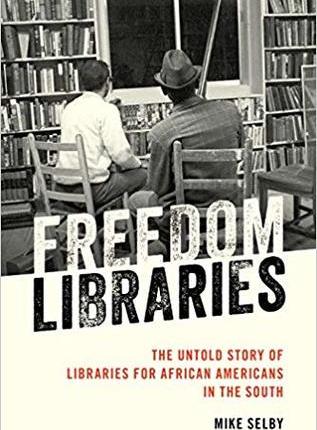
Freedom Libraries: The Untold Story of Libraries for African Americans in the South by Mike Selby

Freedom Libraries: The Untold Story of Libraries for African Americans in the South by Mike Selby

In Freedom Libraries, Mike Selby remembers and honors the volunteers and patrons of the numerous libraries set up to serve black populations mainly in the southern states during the civil rights era and later.

During that period of history, the institutionalized racism of many southern towns extended to library services. Books and learning programs were specifically curated at whites-only libraries in order to propagate the disgusting ideology of white supremacy in addition to keeping the black population illiterate and subjugated.
Photo by marco allasio on Pexels.com

“Pattie Mae McDonald operated a “Freedom Library” out of two rooms of her modest home. This was enough to earn her and her family terror and attempted murder.”

The volunteers and anyone who was brave enough to visit the freedom libraries, set up in private homes and wherever a semi-safe space could be found, were subject to shootings, harassment and arrest by local authorities, and even fire bombings. Some gave not only of their time but also their lives to keep the freedom libraries going. It is a frightening and dark moment in library history that, I feel, has been largely forgotten, until now.

“The right to vote would be everything for African Americans. The right to read would be something else entirely. Voting would make them citizens; libraries would make them free.”
Photo by Oladimeji Ajegbile on Pexels.com

In addition to remembering the bravery and sacrifice of those involved with the freedom libraries, this book illustrates some of the particular problems of librarianship that came along with the creation of the libraries.

Sadly, the American Library Association did little, if anything, to assist in the creation of freedom libraries, even though their written policies were against segregation. Very few of the volunteers who ran the organizations knew anything about cataloging and maintaining library collections. There was no money for curating books or creating community programs. Yet, somehow, the freedom libraries persevered in both expanding their collections and offering a wide variety of enriching and educational programming in the midst of life-threatening situations.

This perseverance may have had something to do with the uniquely fluid characteristics of libraries themselves.

As Selby points out, after the firebombing of the McComb Freedom House: “With the building still smoldering, the after-school youth just waited on the ground outside. The children somehow knew what many adults in the twenty first century have difficulty grasping: the fact that a library is a service, not a collection. A library exists for the librarians and patrons, not the other way around.”
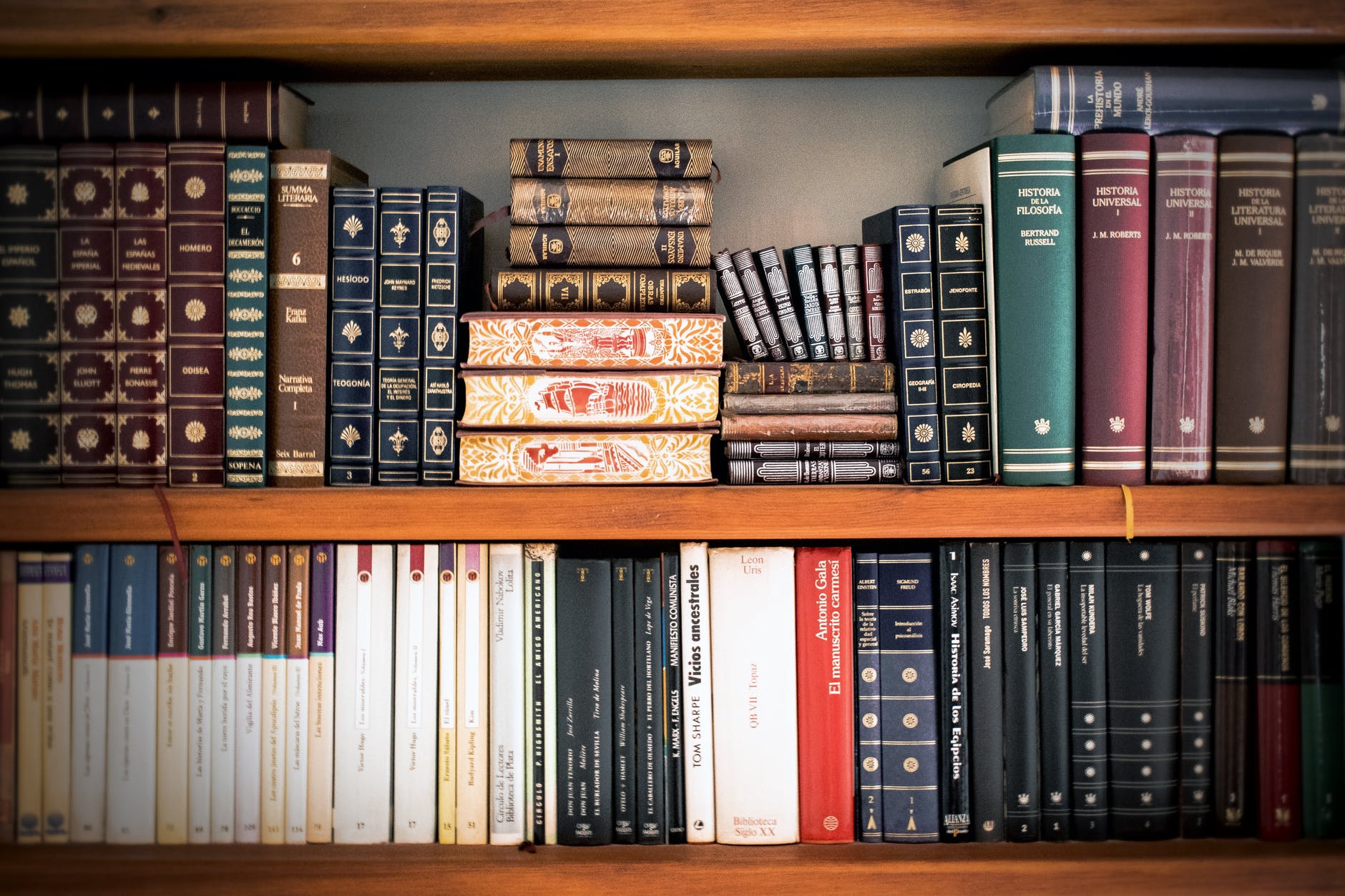
Photo by Pixabay on Pexels.com

Highly recommended for readers who like to remember forgotten moments in history and for anyone who knows, or would like to learn more about, the power and life-changing reality of public libraries.

Thank you to NetGalley and the publisher for a free digital copy of this book. And thank you for reading.

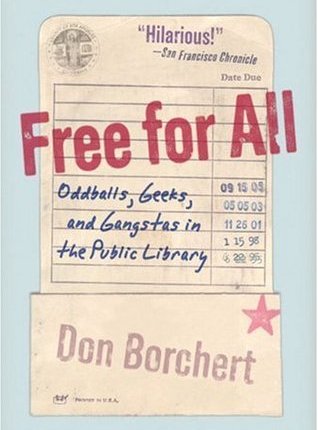
Free for All: Oddballs, Geeks, and Gangstas in the Public Library by Don Borchert

Free for All: Oddballs, Geeks, and Gangstas in the Public Library by Don Borchert

Free for All is an accurate depiction of life as a librarian in a public library.

Sometimes, the job is funny. Other times, it’s incredibly sad. If you’ve never worked in a library system, this book will reveal some of the secrets of a librarian’s day-to-day life.

Photo by Pixabay on Pexels.com

Before I worked at a public library, I thought it was a quiet, organized mecca for students and bookworms. Now, that I’ve spent some time on the librarian-side of the desk, I know better. My idea of a library was far too simple.

It is a study hall, archive, playroom, home for the homeless, kitchen, bank, movie theater, video game store, newspaper kiosk and so much more. I guess the appropriate question is: what doesn’t a library do?

And a public librarian is so much more than just a librarian. She is a counselor, a computer wizard, a curator of excellent and free entertainment.

She talks to the lonely, uplifts the lost and helps the public navigate the dangerous waters of the internet.

Librarians are my heroes.

Photo by Element5 Digital on Pexels.com

If I ever cease writing for a living, look for me at the library. Odds are, I’ll end up back there.

Perhaps some of the policies at Don Borchert’s library have changed, but at the time that he wrote this book, they charged 50 cents to put a hold in for a patron. This policy shocked me, as my library always offered that service for free.

Borchert cheerfully documents the difficulties with summer reading people vs the school year regulars. It’s a real problem.

If Borchert’s book is too edgy for you- he uses rough language and doesn’t hold back on some of his opinions- read Gina Sheridan’s I Work at a Public Library: A Collection of Crazy Stories from the Stacks.

Both are excellent and realistic non-fiction books about the trials, tribulations, and, sometimes, life-enhancing satisfaction of working at the library.

Thanks for reading!

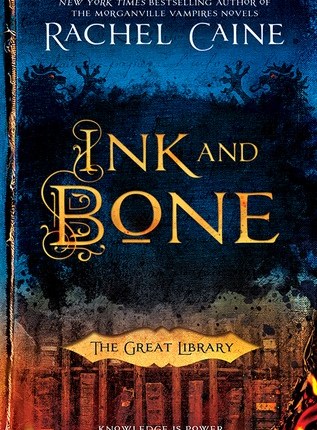
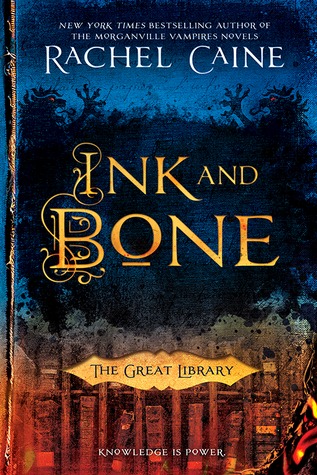
Ink and Bone (The Great Library #1) by Rachel Caine

Ink and Bone (The Great Library #1) by Rachel Caine
inkandbone

In Ink and Bone, knowledge and power is the name of the game.

“The Library holds itself to be the keeper of both knowledge and wisdom, but it is not true. So much should never be held in the hands of so few, for it is a natural, venal habit of men to hold to power. And knowledge is the purest form of power.” pg 51

Printed books, called originals, are now highly prized and illegal to own without a dispensation from the Library. The Library is an entity without borders as powerful as the church or a country, with soldiers and animated machines called automatons, protecting its buildings, holdings and librarians.

Not everyone follows the Library’s restrictions and a black market has formed for books. Jess and his family of smugglers runs and sells books at great threat to life and limb. Other factions also resist the Library. They’re called Burners and they destroy books with Greek fire, a dangerous and deadly concoction that burns flesh as easily as paper.

“The original scroll had been destroyed by a Burner at the Alexandrian Library ages ago, but there had been one copy made. … Owning it carried a death penalty. When you steal a book, you steal from the world, the Library propaganda said, and Jess supposed it might be true.” pg 22, ebook.

Jess’ smuggler father decides that he needs eyes and ears on the inside of the most powerful institute in the world, so he arranges an opportunity for Jess to join the Library. And that is where this story really begins.

The beginning of Ink and Bone bothered me because of its obvious parallels to Harry Potter. A promising young boy on his way to a magical school boards a train and meets a slightly bumbling, shy boy and the smartest girl in his class. But after that cliche “train introduction”, the story improves.

While reading this story, I was reminded of the divide between those who love holding traditional books in their hands and ebook readers. The Library has discovered a magical method to use tablets and change the words on the page, very similar to ebooks: “Do you agree it should be wrong to own original works?” Of course, Jess knew he ought to say; it was the standard answer. The Library was never wrong. But something made him say, “I’m not sure.” That woke a glint in Wolfe’s eyes. “Why not?” “I’d like to hold one,” Jess said, quite honestly. “To feel the weight and history of it in my hands. A blank can’t be the same, sir.” “No,” Wolfe agreed. “A blank is a poor, pale imitation, though the words are arranged in precisely the same order; it is the difference between an idea and a physical thing.” pg 61, ebook. I enjoy both books and ebooks, but I can see why a reader would prefer one over another.

I enjoyed the general ideas of this book, but between the warring factions, actual wars, magic, alchemy, Library history, twin brother, character backgrounds, book burners or eaters, teenage romance and angst, the story lost its cohesiveness. Caine could have written three different stories with the material contained in one.

Beyond simplifying the story elements, I just couldn’t get over the fact that the librarians weren’t good guys. Yes, I’m biased. 🙂 But every librarian I’ve ever known has been a guardian of knowledge, not gate-keeping tyrants.

Recommended for readers who enjoy their young adult fantasy a little scattered and who are open to the idea of sinister librarian-types.