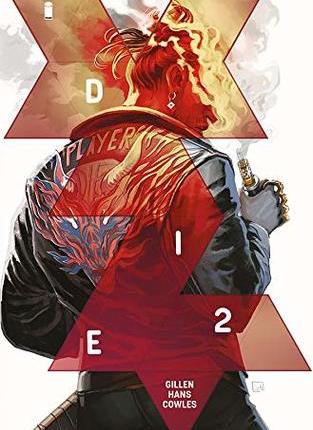
Die #2: Split the Party by Kieron Gillen, Stephanie Hans (Artist)

Die #2: Split the Party by Kieron Gillen, Stephanie Hans (Artist)

Now that the main characters from Die, Vol. 1: Fantasy Heartbreaker are back in the fantasy gaming world of Die, they are struggling to make their way back to the real world.

Part of that struggle involves delving into the past and decisions made by their teenage selves. There are lost loves, old enemies and even a few descendants to contend with- not to mention old hurts that they’ve carried for years between members of their own party.

Which is a particular problem for our intrepid heroes. They all have to agree that they want to leave “Die” in order to do just that. And they don’t all want to leave anymore.
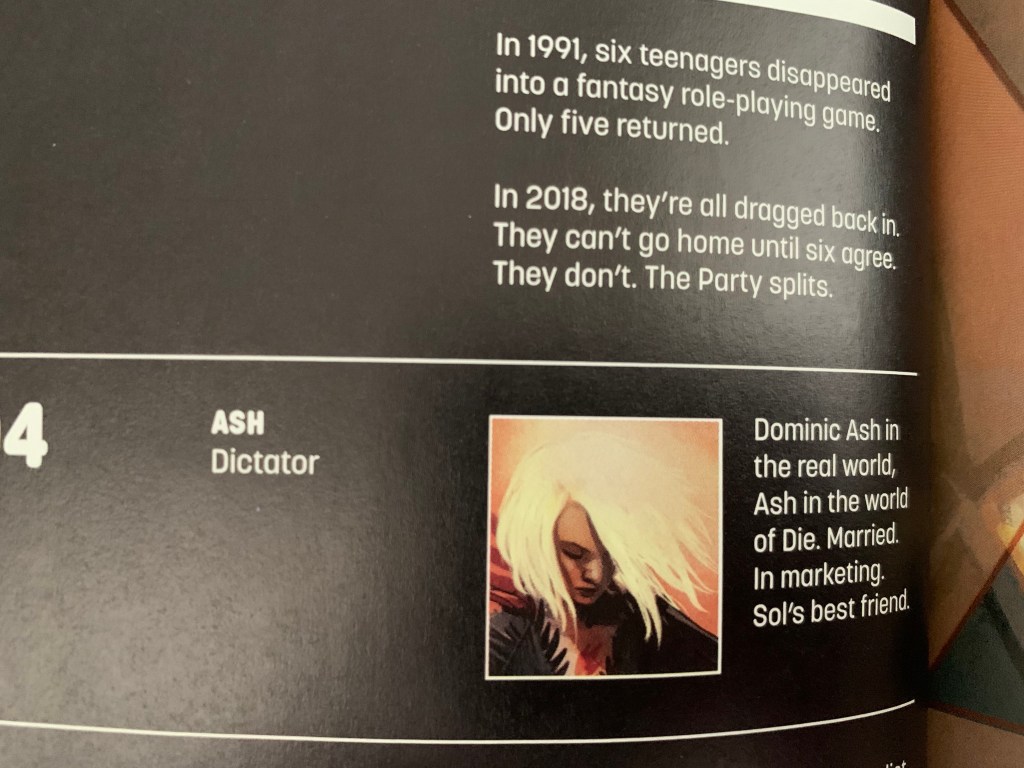
Like most sequels, at least in my experience, the follow up to the first issue wasn’t as strong. Now that readers are in the character development section of the story, action moves a little slower and it reads less like a fantasy adventure and more like a drama.

I think the character with the most potential for growth is Ash, the Dictator, who is a man in the real world, but a woman in the world of Die, and controls people’s emotions with her voice. But all of the movers and shakers in this drama have some growing to do.
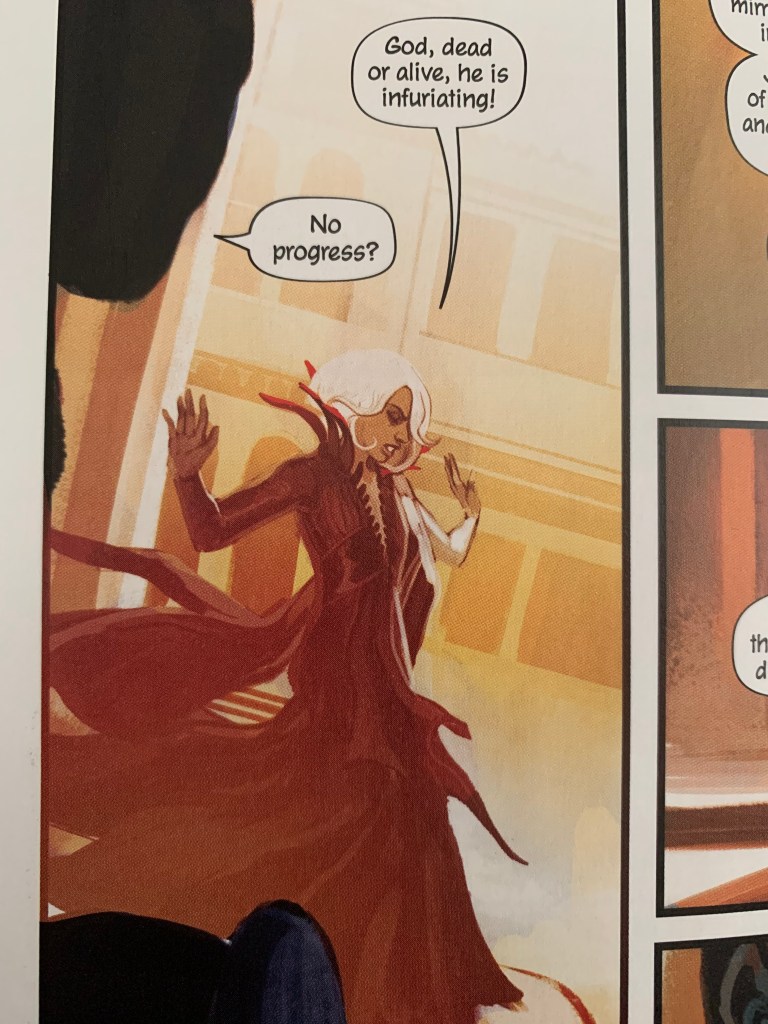
Ash from “Die #2”

There’s Ash’s sister Angela who plays a cyberpunk named Neo. In order to power her electronics, she uses ‘fair gold’, something which readers get to learn a little more backstory about in this issue.

My favorite character is Matt, the Grief Knight, whose power is fueled by his depression and despair. Of everyone in this story, I’m rooting for him to get home the most because of the unshakable love and devotion he has for his family.

He’s also, I think, the most relatable of the group. Who among us hasn’t felt the sting of the pain and sadness that life occasionally dishes up and wishes for a way to harness that power for the greater good?
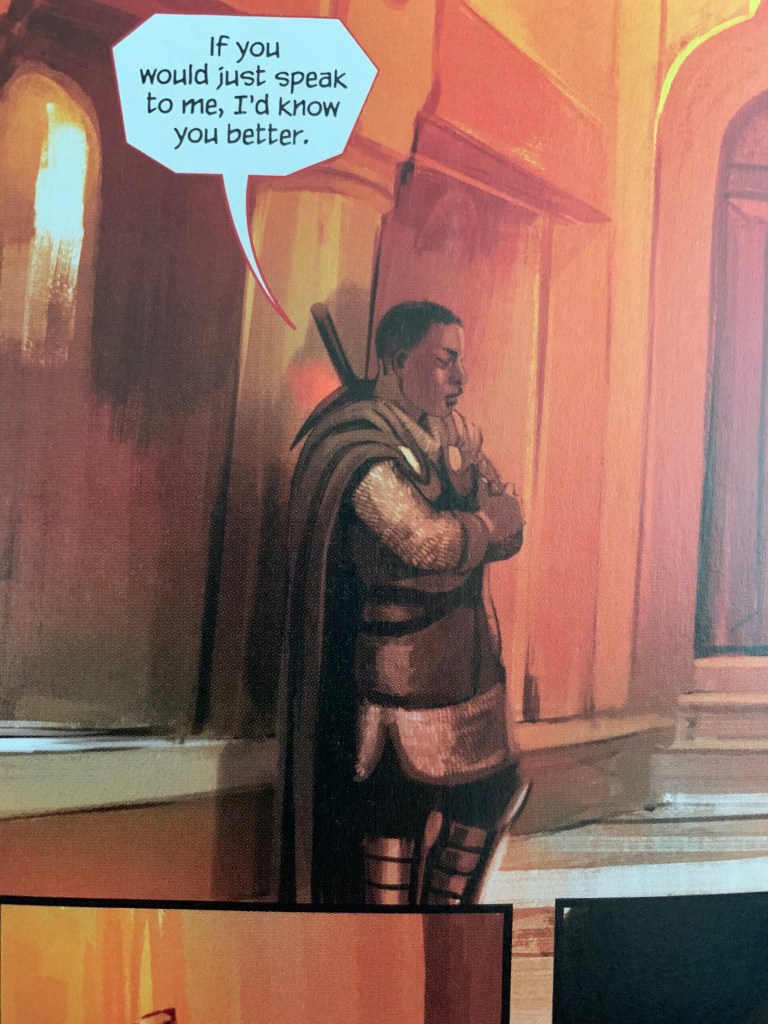
Matt, The Grief Knight

In this issue, readers get to learn about the origins of Matt’s magical sword, the outer representation of that inner voice that whispers to him about his failings and secret anxieties.

We also brush on the mysteries of Sol’s resurrection, Chuck’s astounding conflict avoidance and the awesome extent, as well as limitations, of Isabelle’s godbinding powers.
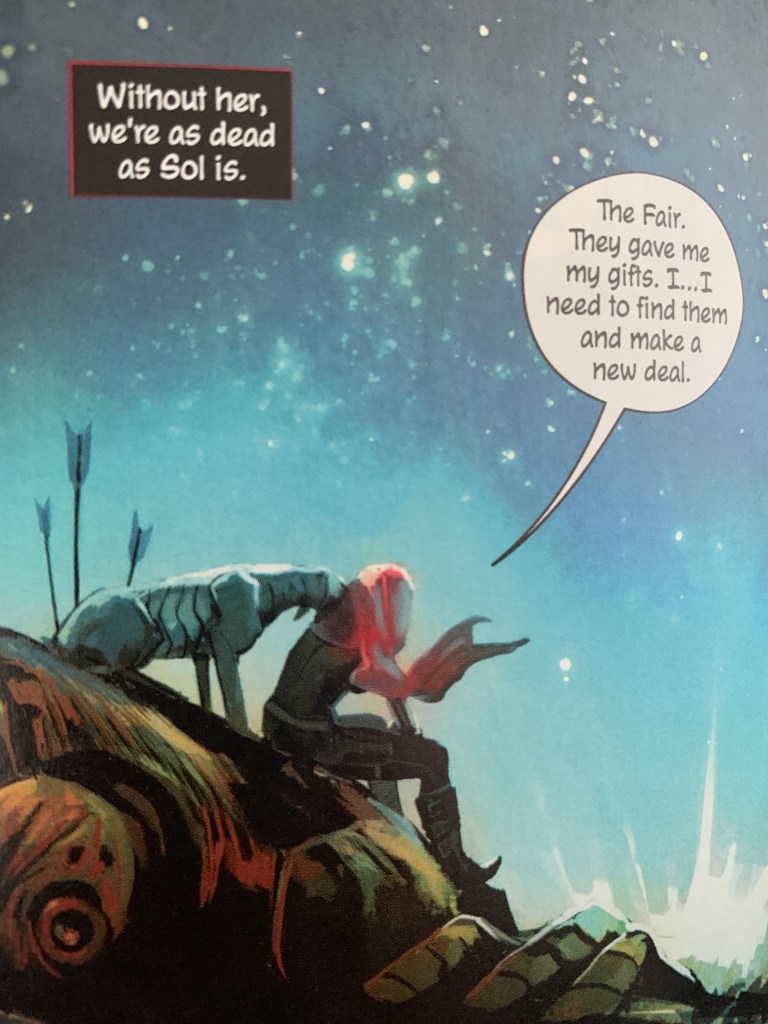
Neo the Cyberpunk from “Die #2”

I’m interested to see where the story goes next. Highly recommended for readers who enjoy fantasy and horror-tinged graphic novels.

Thanks for reading!

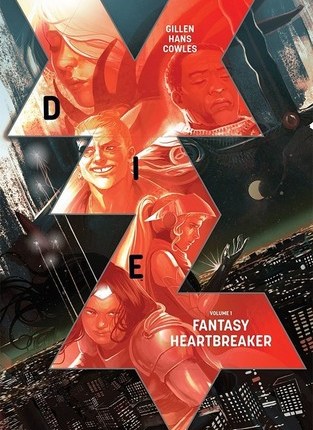
Die, Vol. 1: Fantasy Heartbreaker by Kieron Gillen, Stephanie Hans

Die, Vol. 1: Fantasy Heartbreaker by Kieron Gillen, Stephanie Hans

In Die, six teens enter a fantasy role-playing game, disappearing from the mundane world for two years. When they reappear, they are missing one of their members and carrying scars, both physical and emotional, from their ordeal.

Fast forward twenty five years, and a blood stained die shows up on someone’s birthday, mirroring the date when they last entered the game. The group has to face the fantasy world that has given them nightmares for decades in order to put the past to rest. But some things are easier said than done.

Readers of this series seem heavily divided on its quality. I thought it was brilliant.

Photo by Armando Are on Pexels.com

This isn’t because of the fantasy elements which, as many have noted, rely heavily on tropes and the established world building of touchstone series like The Lord of the Rings and The Chronicles of Narnia.

What I loved was the character development and its relatability for aging gamers.

The author shares a series of essays in the back of the graphic novel about the development of the story and characters as well as their associations with classic rpgs. He nails the reasons why I loved the book so much:

“… the simple idea of six forty-something adults contrasting their teenage fantasies with the realities of where their lives ended up. It’s a pure midlife crisis scream of a book. And the bit that got me? The idea that maybe part of me did disappear into a fantasy world at the age of sixteen and never came out.”

In the hero’s journey, we venture forth into trials and return changed but bearing gifts from the experiences we went through. That format- there and back again- seems so clear cut and simple in many of the “through the looking glass” fantasy stories.

Photo by Thiago Matos on Pexels.com

It is not so simple in this one.

In Fantasy Heartbreaker, the journey isn’t finished when the characters return to where they started and they aren’t bearing gifts, but a curse. It is only through the natural passage of time and the development of the adolescent into the adult, that the heroes in this story can finish their journey or, unbeknownst to them, begin an entirely new one.

This delayed emotional development speaks to any manner of gamers, both video or tabletop, who may find themselves, for a variety of reasons, gaming with a dysfunctional group of people over and over again each week. Perhaps this is because there are only a few people in their lives who love to game as much as they do.

For whatever reason, from the outside, such intense and conflict-prone relationships can seem confusing at best or borderline abusive at worst. But from inside the group itself, the bonds created through the traversing of realms of the imagination and overcoming obstacles as a team are real and important.

Photo by Plato Terentev on Pexels.com

The members of the group form a family of sorts- one that they chose rather than one they were born with. It can be beautiful but bewildering. Something that one has to experience to truly understand.

Sort of like visiting a different world, and never really coming home again.

In addition to the peek into gamer culture, the artwork in Fantasy Heartbreaker is gorgeous, one of the most beautiful I’ve ever seen in a comic.

Highly recommended for readers, and gamers, who like fantasy graphic novels.