The Blue Salt Road by Joanne M. Harris

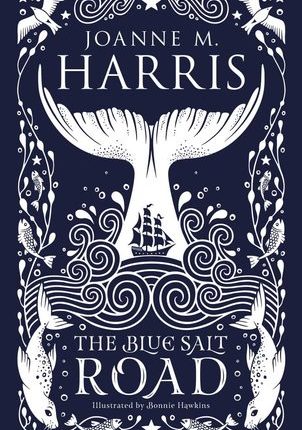
The Blue Salt Road by Joanne M. Harris

The Blue Salt Road is where the selkies dwell as kings and queens of the deep. When a young woman named Flora needs to find a husband, she despairs of choosing any of the men on the small island where she lives. They’re hardened by work on the whaling ships and unrefined.

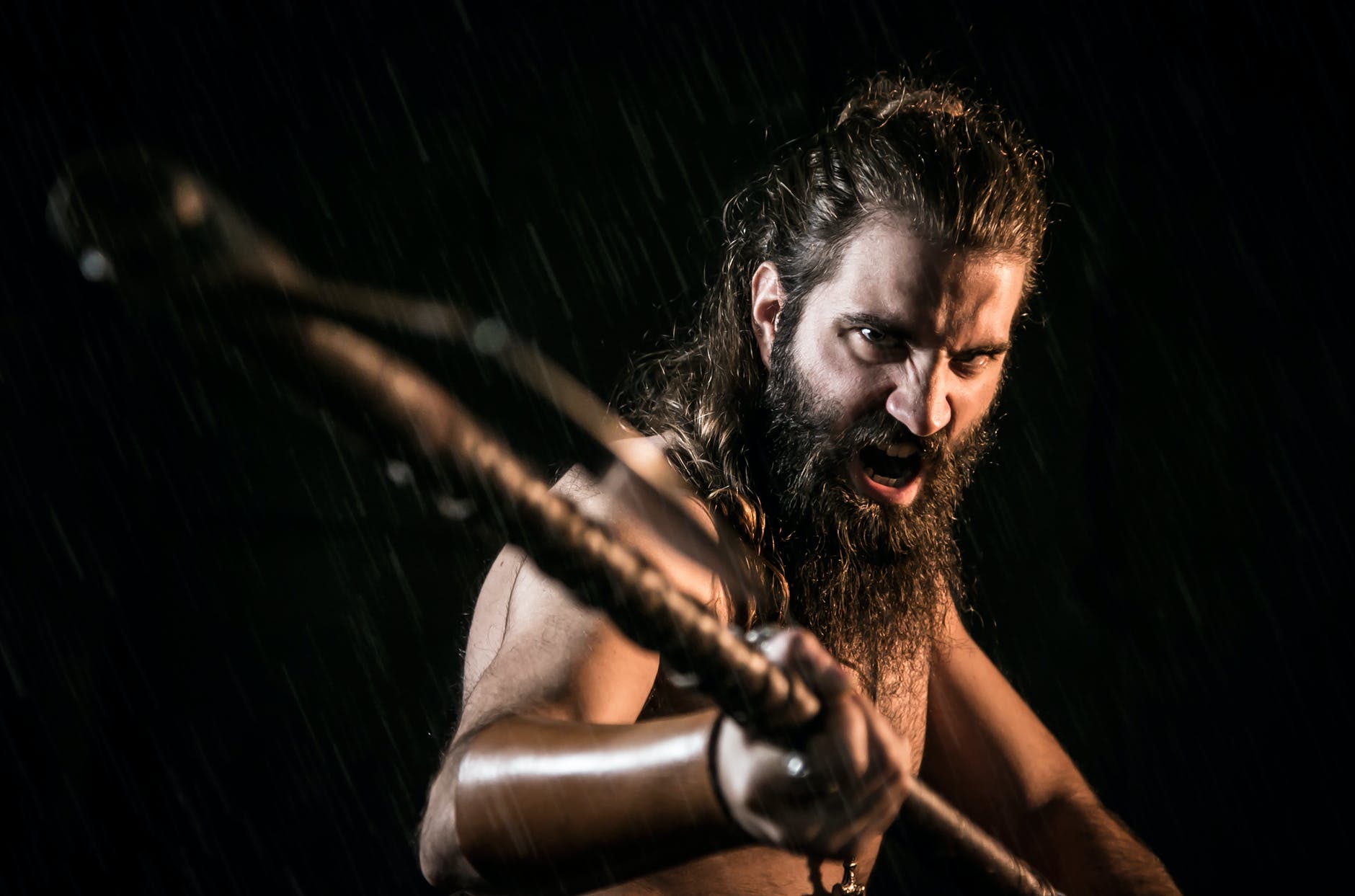
Photo by Andre Estevez on Pexels.com

But when Flora’s grandmother teaches her a secret about mysterious beings called the selkies, she knows her search will soon be over.

“In tears he was summoned, salt as the sea,
In silver was his binding. In blood and betrayal, his calling he found.
In cedar, his salvation.”
 pg 87

Unlike other selkie stories I’ve read, like Sealskin, the person summoned from the waves is male, not female. I’m sure the fairytale has been told both ways, but it’s a nice change from other versions.

Joanne Harris writes interesting and nuanced fantasy in which she takes a look at older stories and puts her own spin on them. If you haven’t had a chance, you may want to read her duology about the Norse god, Loki. (The Gospel of Loki and The Testament of Loki)

“This is my story. The story of the land-folk and the seal-folk, and of treachery, and of the call of the ocean.” pgs 4-5

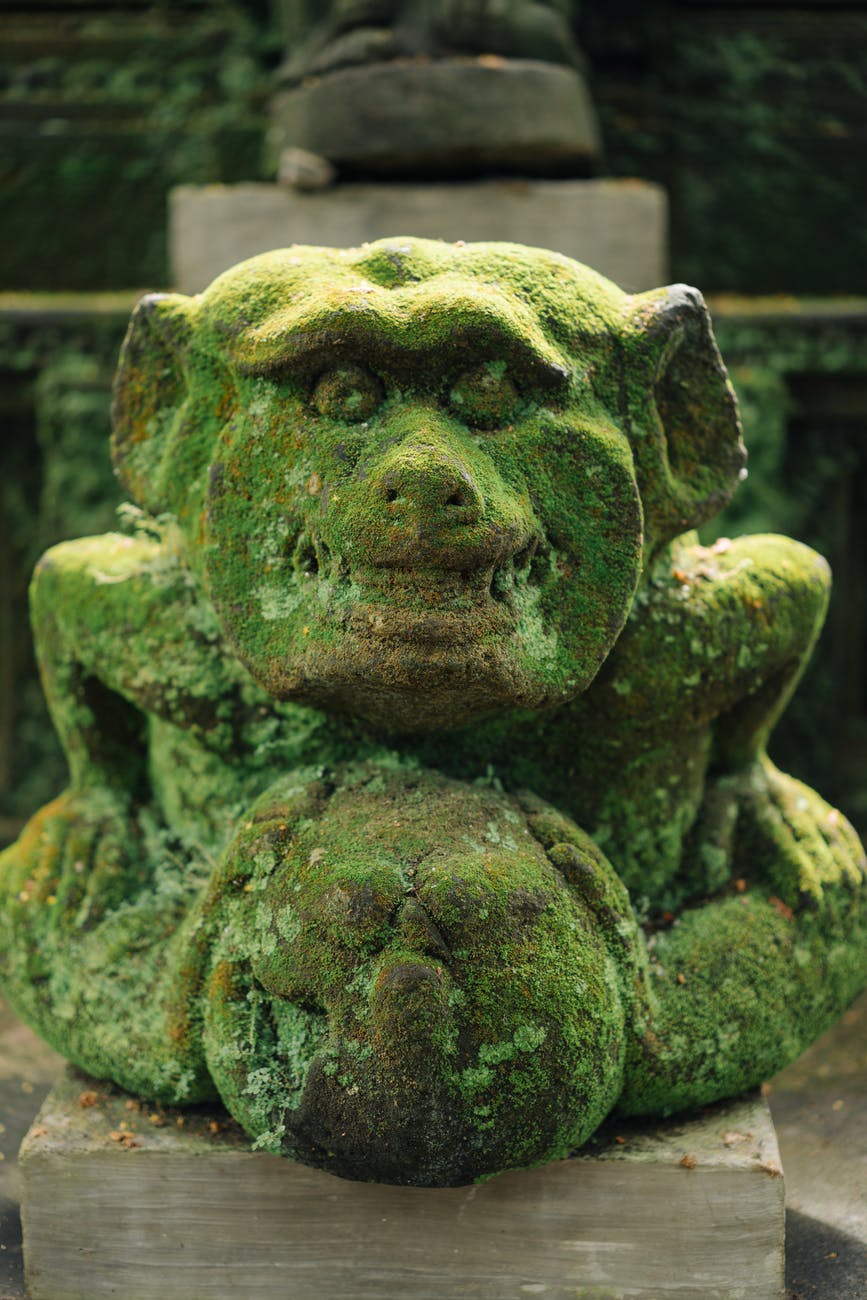
Photo by Skitterphoto on Pexels.com

There’s quite a lot to unpack in the symbols of The Blue Salt Road and the selkie myth. (Warning, spoilers ahead for those unfamiliar with the selkie myth.) In Jungian psychology and dream interpretation, water is a common symbol for the subconscious mind. What floats or comes to the surface is what you’re aware of. Swimming about in the depths of the ocean, are the feelings or situations you’re perhaps unwilling to confront.

In the sad fairytale of the selkie, the fairytale creature emerges from the ocean as a free being, but then is prevented from returning to the depths where it belongs. He or she forced to live a life on land unless she can find the magical item, her sealskin, that allows her to return to the waves.

The added twist to the tale, sometimes, is the selkie has a child that either gets abandoned when he eventually returns to his home or he takes the child with him and the land-bound parent never gets to see the child again.

Photo by Simon Clayton on Pexels.com

So, we have a fairytale examining the complex relationship between men, women, and how people handle having a child together. In addition, it looks at the loss of freedom some experience when a single person adopts a life with a family and how some people can’t deal with it.

It also speaks to the individual ways that people deal with growing up and choosing a trade or growing old and growing apart from the people and things they used to cherish.

In Joanne Harris’ version, there’s a family component with the secret passed between mothers and daughters, grandmothers and grandchildren.

“I told you that within the year I should catch myself a prince, and bear him a pretty princeling,” she said. “Now I shall be the envy of all the maids on the island, and all the young men who missed their chance will curse their evil fortune.” pg 44

Photo by Ruvim Miksanskiy on Pexels.com

These secrets that we carry are unique as well and help create cultures among family groups. Sometimes, the spouses we choose to add to the mix don’t adapt well to these cultures and eventually leave, not because there’s a loss of love, but because they are never truly accepted into the family group.

All of this is symbolic goodness is packed into a story that is appropriate for young adults to read. There is nothing overly graphic in here, just layers of complexity that a tween might not be able to grasp.

Highly recommended for young adult and adult readers of fantasy fiction and mythology.

Thanks for reading!

The Testament of Loki (Loki, #2) by Joanne M. Harris

The Testament of Loki (Loki, #2) by Joanne M. Harris

“Once more the Wolf at Hel’s gate greets Asgard’s heroes, one by one. Battle rages, Worlds collide. Stars fall. Once more, Death has won.” pg 5

Ragnarok has come and gone. It didn’t end well for any of the gods, goddesses or, everyone’s favorite Chaos demon, Loki. He begins this story in the same place we left him in the last one — a dungeon in the world of Chaos, wishing and dreaming for light.

Photo by Athena on Pexels.com

What happens next is surprising and told in only the way that Joanne Harris can do it.

“Stories can do so many things. Build empires, topple kings. They can even raise the dead. I should know; they raised me.” pg 10

This wholly unique tale is more along the lines of what I had expected from The Gospel of Loki, but didn’t get. In the previous book, Harris rewrites Norse mythology in much the same way as it has always been told. I get it, she was giving us context. But, it wasn’t very much fun to read… just rehashing old stories.

In this entry, we see Loki in a whole new light with modern characters and his typical problems. It makes for a more cohesive and, in my opinion, entertaining story.

“You know, ‘crazy’ is such a negative word. I prefer ‘disordered.’ Order’s so dull. Chaos is where the party is.” pg 25

Photo by Anni Roenkae on Pexels.com

What has an immortal trickster god learned over his long lifetime? In The Gospel of Loki, he learned the only person he could trust in the world is himself. He learned what it was to be hated for what you were, rather than any actions that one may take. (Though, perhaps, he didn’t always behave in a way to endear himself to others. Not that Loki would ever admit that, of course.)

He learned that prophecies are tricky things and can be bent to be of use to those who deliver them.

“The Prophecy promised us new runes, new gods, a new beginning. And I mean to find those new runes with whatever resources this World can provide.” pg 68

Is it too late for Loki to learn new tricks?

It’s been awhile since I read Harris’ other fantasy series Runemarks, but from what little I can remember of it, I think this book leads perfectly into that one. Which is a curious thing, because Runemarks was published years before this.

Oh, that Joanne Harris. She’s so sneaky. I wonder if she planned that or was embracing a bit of chaos in her writing career. If there’s anything I’ve learned from this book and the last one, it’s that a little chaos can be a good thing.

Thanks for reading!

The Gospel of Loki (Loki #1) by Joanne M. Harris

The Gospel of Loki (Loki #1) by Joanne M. Harris

Joanne M. Harris treats readers to episodes from Norse mythology from Loki’s point of view.

“No doubt about it, I told myself. These bastards really don’t like me.” pg 27

Born from literal Chaos and tricked into joining Odin’s forces of Order, Loki is perpetually a child of both worlds. From his first moments out of the world of Chaos, Loki is disliked by the other gods. That leads to some initial unpleasantness and he vows, no matter how long it takes, to get his revenge.

Photo by Gioele Fazzeri on Pexels.com

“Till then, I bided my time, and smiled as sweetly as my scarred lips would allow, until the day I would take my revenge and bring the gods down, one by one.” pg 67

And it is a long game. Through schemes, tricks and straight up cons, Loki weaves disorder throughout the worlds.

There’s the memorable time he convinces Thor to dress up as a bride in order to sneak into the home of their enemies: “I’ll be your handmaid, Thor,” I said. “Don’t worry, I won’t steal your thunder. You’ll make a gorgeous bride.” Thor growled. pg 118

As he becomes famous for his trickery, it becomes more difficult for Loki to pull off his tricks. He’s pushed into marriage by Odin, but it doesn’t fit who he is. It isn’t in his nature to settle.

“I began to see that celebrity wasn’t all hot girls and free beer. It’s also the curse of expectation — and the bitterness of falling short.”pg 141

Photo by Little Visuals on Pexels.com

We all know where the story is headed, but it’s a train wreck you can’t quite look away from.

My quibbles with this book included a disjointed feel to the overall story. Loki and company run from one disaster to the next. I realize that the source material is probably the reason for this, but it just doesn’t coalesce into something more than its parts.

Odin’s gods, the gods of Order, come off as rather one note. It’s interesting how Odin was able to see potential in Loki, enough so that he calls him from Chaos to begin with, but the other immortals share none of his vision.

Other than a few notable exceptions, they never extend an olive branch or give Loki the smallest chance to prove himself. In my mind, it’s easy to see why he wants them to fall. Who wouldn’t wish that on the people who are mistreating you?

Photo by Nick Bondarev on Pexels.com

I’ve read a few of Joanne Harris’ other books, and I remember they contained delightful twists in them, so that the plot wasn’t so straight forward. She’s somehow stuck in telling conventional mythology in this book.

If only she could have used this book to tell aspects of the story we haven’t heard before, or even imagined, using the voice of one of the most interesting of the gods to do so. That would have been something I may have enjoyed even more.

Recommended for readers who adore Loki. There’s plenty of him in here, and that’s it.