
Things are not what they seem, Aomame repeated mentally. “What do you mean by that?” she asked with knitted brows. pg 28, ebook
Yes, what do you mean by that, I found myself asking over and over throughout 1Q84, my first foray into Haruki Murakami’s fictional works.
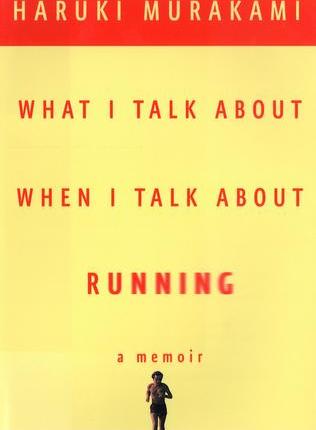
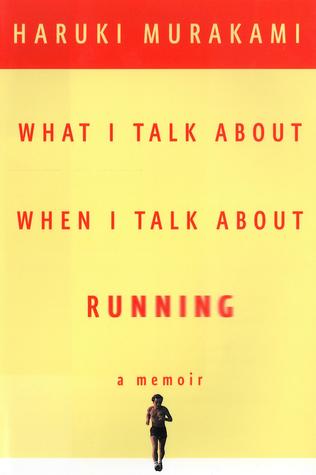
A few years ago, I read and enjoyed Murakami’s What I Talk About When I Talk About Running, a non-fiction book about the author’s creative process and long distance running habit. The way his mind works is fascinating.
He talks about how writing a novel is like participating in a marathon. It takes effort and discipline to go from page one to the end. In addition, the break throughs that he makes in his writing he attributes, in part, to the flow state he experiences during his physical exertions.

This creates a detail-filled and highly introspective world in his novels that some readers can’t get enough of.
But that approach didn’t appeal to me in this book.
The story develops slowly, so so slowly. We are in the characters’ minds for nearly every thought. We learn their eating and drinking habits, sleeping problems, past history, sexual preferences ad infinitum.
The magical realism portions of the story, my favorite parts by the way, were fleeting and infuriatingly uninformative. This is another draw, or so I have gathered, for some readers who like having major unanswered plot points by the end of the story.
This could lead to some interesting book club meetings, but I’m not one of those readers. If you’re going to tell a story, for heaven’s sake, tell the story.

On one hand, the introspective nature of the storytelling gives deep insight into the characters. By the time you’re through, you feel like you could write what Tengo and Aomame are going to do next. It is introversion to the extreme. On the other hand, it crushed my interest in caring what was going to happen next.
Why? Personal preference, I suppose.
Legions of readers love this book. I’m curious as to why, but it might be as simple as how readers like to experience and absorb stories.
Final note: Trigger warnings for domestic violence and sexual abuse.
- The Ballad of a Small Player: a Metaphysical Movie Review
- Otherwhere: A Field Guide to Nonphysical Reality for the Out-Of-Body Traveler by Kurt Leland
- Psychic Dreamwalking: Explorations at the Edge of Self by Michelle Belanger
- Archetypes on the Tree of Life: The Tarot as Pathwork by Madonna Compton
- The Goddess and the Shaman: The Art & Science of Magical Healing by J.A. Kent

 The Help Desk Book Blog