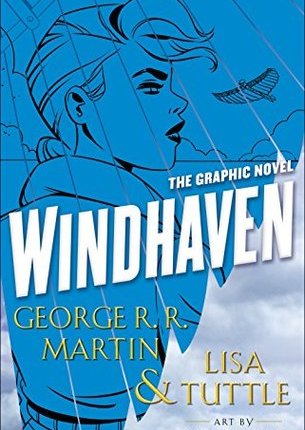
Windhaven: the Graphic Novel by George R.R. Martin, Lisa Tuttle

Windhaven: the Graphic Novel by George R.R. Martin, Lisa Tuttle

Windhaven is a world of small islands, connected by messengers who fly with intricate metal wings. The culture of the “flyers” is a closed one, with wings handed from messenger to his or her first born child.

Maris is not the child of a flyer, but that’s not going to keep her from joining their world.

“You don’t bother me. Maybe when you grow up, you can help the flyers like my friends here. Would you like that?” “No.” ” No? What then.” “I want to fly.”
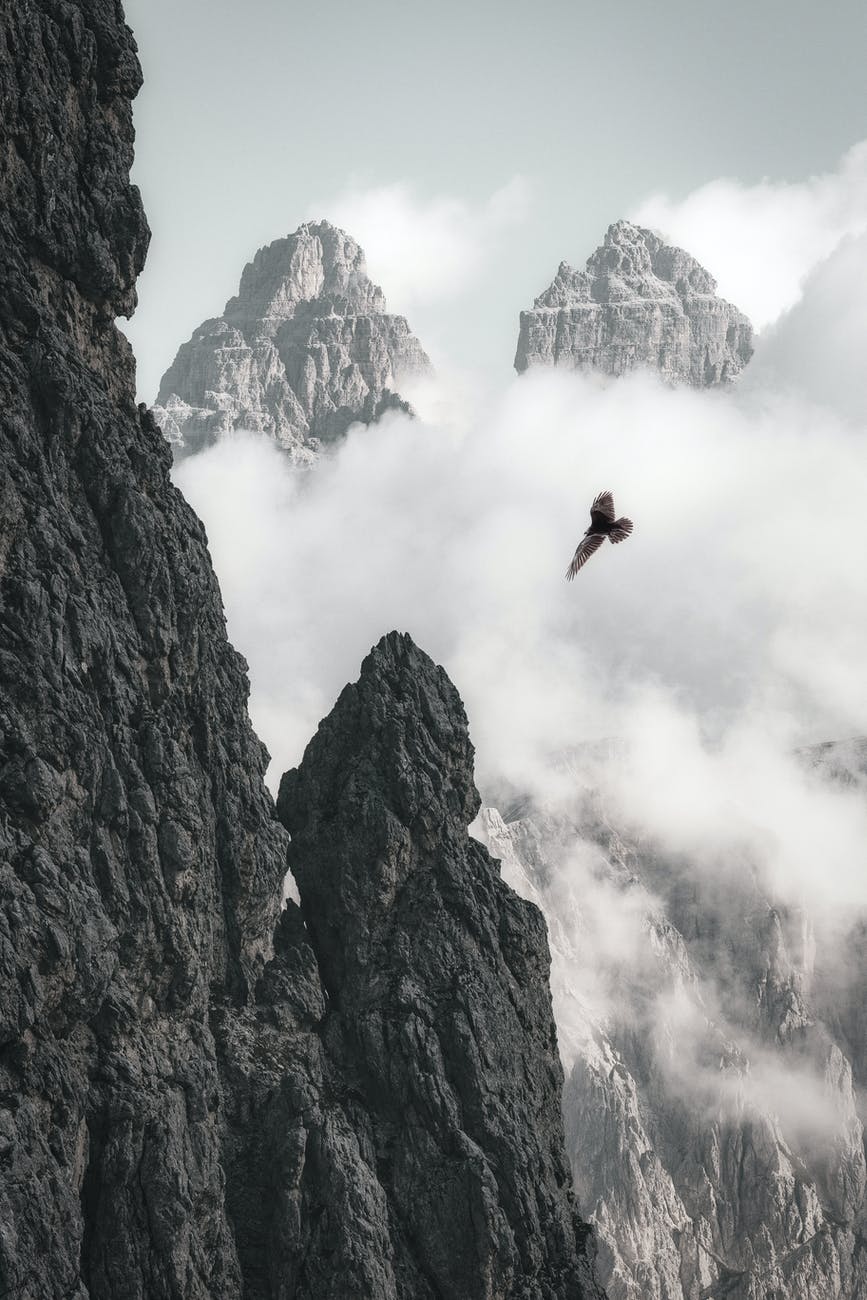
Photo by eberhard grossgasteiger on Pexels.com

And when she does, things will never be the same.

This graphic novel was based off of Windhaven, the first book in a fantasy series by George R.R. Martin and Lisa Tuttle. Readers get a “Game of Thrones”-ish feeling from this book in the political machinations between the flyers and those they call the “land bound.” But it lacks the intricacy and extraordinary cast of characters that is “Game of Thrones”.

Having never read anything by Tuttle, I’m not sure how she and Martin blended their visions.

“Don’t waste your time on foolish dreams! I won’t have my daughter be a woodwings!”
Photo by Wendy Wei on Pexels.com

The artwork by Elsa Charretier is pretty and I enjoyed how she aged Maris throughout the book.

The scenes of the flyers themselves, especially a few of the chase scenes, must have been difficult to draw. Charretier had to make the characters look like they were in motion for it work. I think she did well, but the wings look kind of chunky in some of the pages, rather than the slick, technological wonders I pictured in my mind.

As for the story itself, I was surprised by the actions of some of the characters, but for the most part, it all seemed inevitable. Maybe that’s what the authors were going for — Maris’ fate was more destiny than choice.

Thanks for reading!

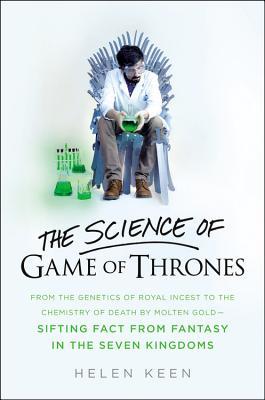
The Science of Game of Thrones: From the genetics of royal incest to the chemistry of death by molten gold – sifting fact from fantasy in the Seven Kingdoms by Helen Keen

The Science of Game of Thrones: From the genetics of royal incest to the chemistry of death by molten gold – sifting fact from fantasy in the Seven Kingdoms by Helen Keen
thescienceofgameofthrones

Readers beware: there are major spoilers contained within the pages of The Science of Game of Thrones. Do not read it (or this review) unless you’ve read all of the books that are currently out or have watched all of the seasons of the HBO show!

That being said: if you are a fan of the Game of Thrones, in any format, you simply must read this book.

From dragons to the effectiveness of female body armor, poisoning to the real possibilities of our world ending in ice or fire, Keen takes us on a scientific examination of all things related to George R.R. Martin’s epic series and what a trip it is.

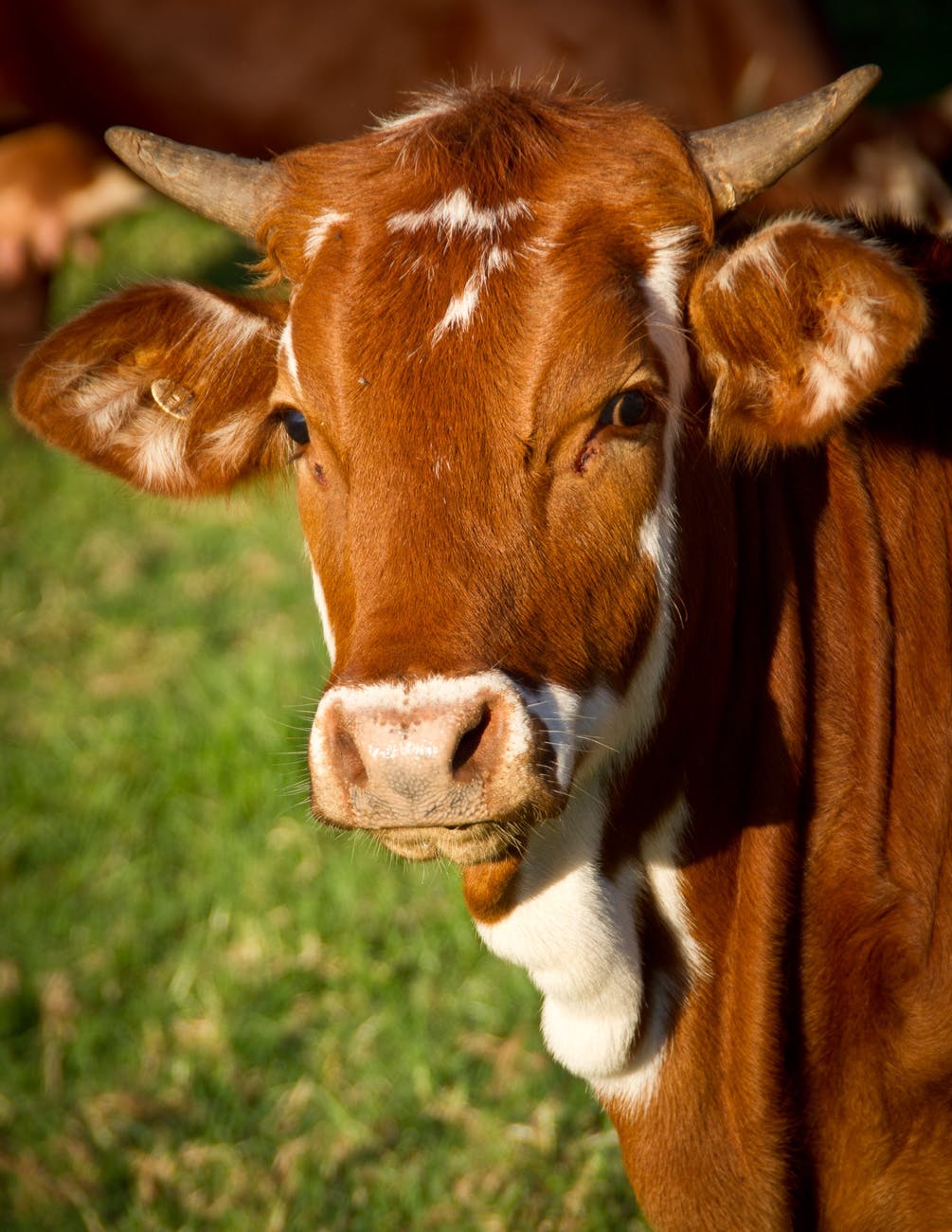
My favorite part was a discussion about how dragons would breathe fire in real life and how that relates to the explosive capabilities of cows: “A cow can produce between 250 and 500 litres of highly flammable methane a day… In 2013 it was reported that a build-up of methane from a particularly afflicted dairy herd, coupled with an accidental spark of static electricity, ‘nearly blew the roof off [the] barn’ in Rasdorf, Germany… After a lot of genetic tinkering, a Danearys Targaryen in our world will be able to ride valiantly into battle to claim what’s hers on the back of a genetically modified fire-breathing heifer.” loc 235, ebook.

Can you picture it? I can!

Photo by Pixabay on Pexels.com

The potential positive effects of inbreeding: “… there’s evidence that, over time, inbreeding can actually purge a population of the effects of harmful recessive gene variants. These ‘bad’ genes are way more likely to show their effects, so, ultimately, the lines of the carriers are more likely to die off. Thus while the results of successive generations inbreeding is generally bad for the particular individual, it’s often good for the population as a whole.” loc 328, ebook.

So, the Lannisters can continue paying their debts as long as they’re not carrying harmful recessive gene variants. Good to know.

The Hodor question: “For a long time we were wondering what happened to Wyllis to cause his ‘hodoring’ behaviour. Perhaps he suffered a stroke or a tumour, or even a blow to the head. … Extensive damage to Broca’s area is also sometimes caused by malnutrition, but that seems unlikely in Wyllis’s case, given his enormous girth. Whatever the story, one thing is clear: Wyllis is clearly exhibiting a severe type of ‘expressive aphasia’. He can understand what other people are saying and respond, but he struggles to produce more than a single word.” loc 882-895, ebook. Hodor, hodor… hodor! Hodor.

Prior to a wonderful examination of the actual existence of dire wolves, Keen has this to say about the Starks and their pets: “The Stark children.. find a litter of orphaned dire wolf puppies and are desperate to keep them- like all children everywhere when confronted with the cute, mewling faces of slavering ferocious death beasts in their juvenile form. Their father Ned gives them a lecture worthy of any parent in Pets R Us along the lines of ‘Ok then but you’ll have to walk them yourselves even if it’s raining’.” loc 1160, ebook. Ha!

Photo by Brenda Timmermans on Pexels.com

And, finally, I enjoyed learning about crows. Apparently, they’re actually extremely smart and have very good memories: “Previous research has shown that crows not only remember a threatening face, they share that knowledge within their community, so that the individual is remembered and scolded by the crows, even after a gap of several years. Young crows, it seems, are even taught to recognise and scold the ‘villain’ by their parents.” loc 1357, ebook. Yikes. Don’t bully crows, friends.

There’s a bit of language in The Science of Game of Thrones and some juvenile humor, but, overall, it is much tamer than the source material. Recommended for ages 14+. Some further reading: What If?: Serious Scientific Answers to Absurd Hypothetical Questions by Randall Munroe or Loch Ness Monsters and Raining Frogs: The World’s Most Puzzling Mysteries Solved by Albert Jack.

Thank you to NetGalley and Little, Brown and Company for a free digital copy of this book! And, thank you for reading.