Feng Shui for Today was a fairly simple and succinct beginner’s guide to the art of feng shui.
What is feng shui?
“This book is concerned with the Chinese folk art of arranging objects to enhance harmony and good luck, called feng shui. This ancient knowledge enables us to seek peace and new growth through our relationship with the objects around us…” pg 11
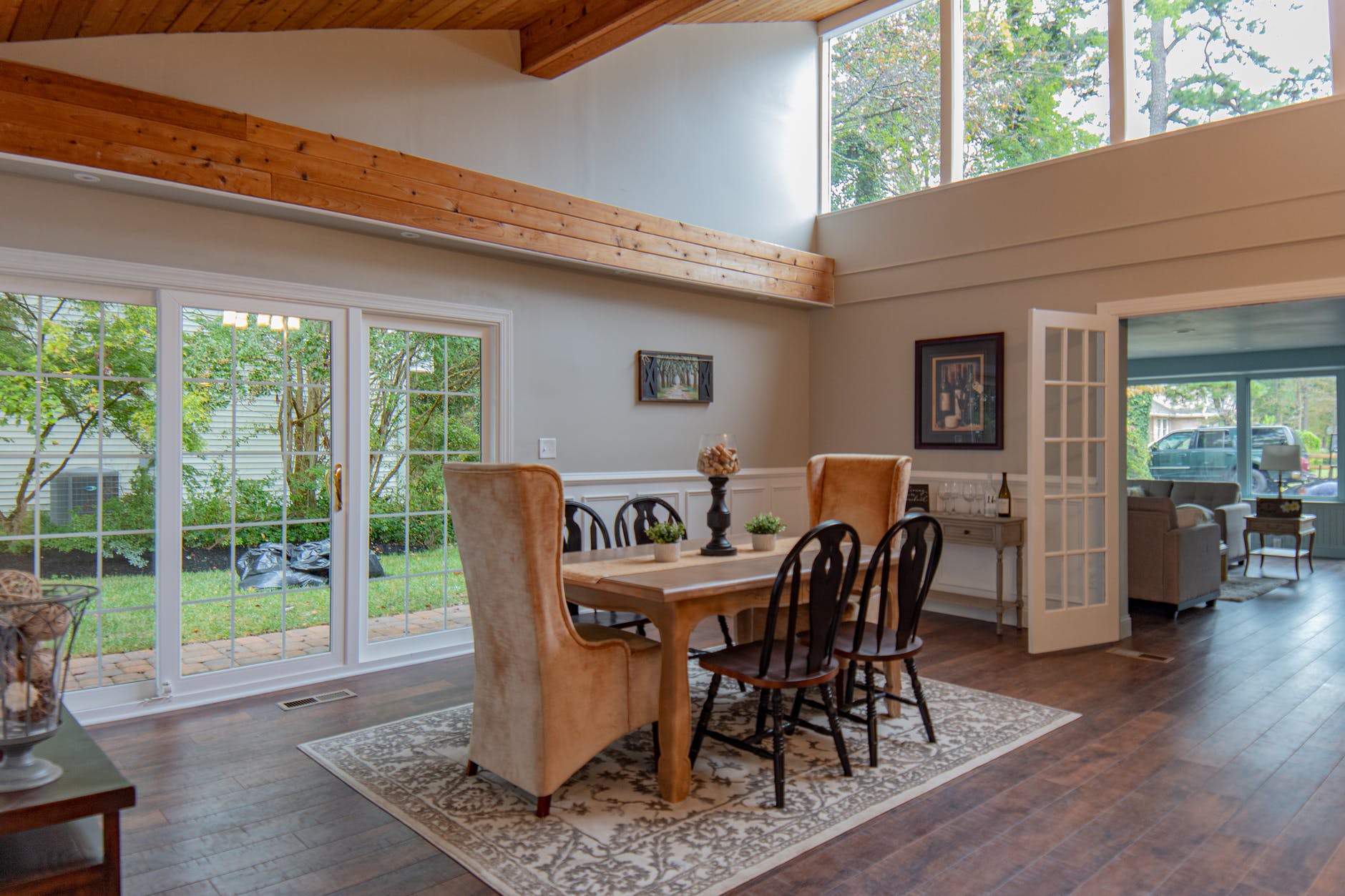
When was this art form started? No one knows! As the author points out in the section entitled, ‘A brief history of feng shui’:
“… (feng shui’s) close association with the ancient Chinese lodestone compass has led some to think it may have begun around the time the compass was invented, an accomplishment traditionally credited to the Yellow Emperor, the great mythological hero-priest-ruler of ancient China, who is supposed to have lived around 2700 b.c. There is no historical proof for this attribution…” pg 17
Despite not knowing its origins, historians can tell the art has been around for so long because so many buildings were built facing the south which is considered the “most auspicious direction.”

“Traditional Chinese walled cities, temples, and other important structures were usually oriented to face the south. The Forbidden City is Beijing was built on a precise north-south axis, with all its major halls facing the south.” pg 34
Kwan Lau goes on to explain feng shui’s ties to mythology, the elements of traditional Chinese medicine, the four directions, and the stars.
It was surprisingly complex.
“Readers should not be dismayed by the complex interplay of all these symbols and associations. The folk art of feng shui draws information from a wide range of sources and a rich tradition of ancient cosmological thought, and for this reason it can be daunting for the beginning practitioner.” pg 48
There’s way too much to incorporate all of the information I learned in this book all at once. I think the aspect of feng shui I’ll start with in my own life is furniture placement.
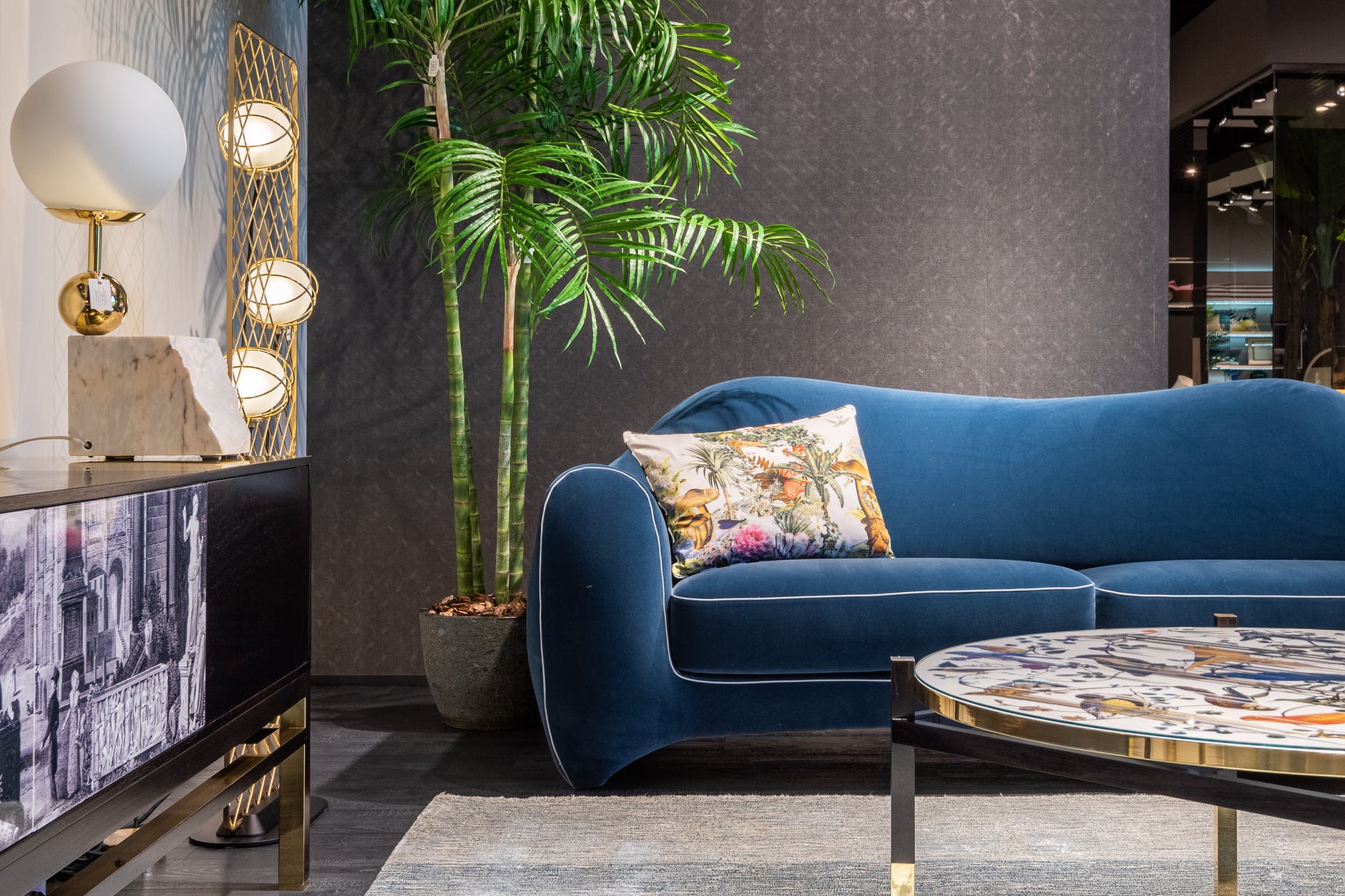
I was dismayed to discover the couch I was sitting on while reading this book was in the “death” region of the feng shui layout of my front room. However, on a positive note, it faces south, which is very good and has a wall instead of a window behind it.
Perhaps some furniture moving is in order.
The world is a less threatening place with a happy, well-balanced home at the center of it. And sometimes, moving your furniture can change your life.” pg 108
Recommended to readers interested in the art- both newcomers to the topic as well as practitioners who want a reference book on the ‘Nine Stars, Eight entrances, and Bagua Combination Method’ of feng shui.
Thanks for reading!
- The Ballad of a Small Player: a Metaphysical Movie Review
- Otherwhere: A Field Guide to Nonphysical Reality for the Out-Of-Body Traveler by Kurt Leland
- Psychic Dreamwalking: Explorations at the Edge of Self by Michelle Belanger
- Archetypes on the Tree of Life: The Tarot as Pathwork by Madonna Compton
- The Goddess and the Shaman: The Art & Science of Magical Healing by J.A. Kent

 The Help Desk Book Blog