
Christopher Benfey has written a masterful biography of Rudyard Kipling’s years in the United States. It is a little-remembered period from the life of the youngest ever Nobel Prize winner for literature.
“At this remove, it is difficult to recover the sheer depth of reverence once accorded Kipling. “He’s more of a Shakespeare than anyone yet in this generation of ours,” wrote the great American psychologist William James.”

He was friends with Mark Twain. One of Kipling’s books, The Jungle Book, was in Sigmund Freud’s top picks for important books in his life. He has inspired generations of authors and readers with his Just So Stories and poetry.
My husband used to quote some of his poetry to me from memory when we were first dating. Rudyard Kipling is a giant of literature.
Yet he’s also a complex historical figure. “With the rise of postcolonial theory — a view of literature that assesses the human cost of colonial arrangements —Kipling is often treated with unease or hostility in university literature departments, as the jingoist Bard of Empire, a man on the wrong side of history.”
And there’s reasons for this distrust. Kipling penned “The White Man’s Burden”, asking the United States to take up Great Britain’s colonial interests.
So when Benfey examines the life of Kipling, it’s not all hero worship. He is aware of and acknowledges Kipling’s failings, but doesn’t take it out of the context of Kipling’s life and times.
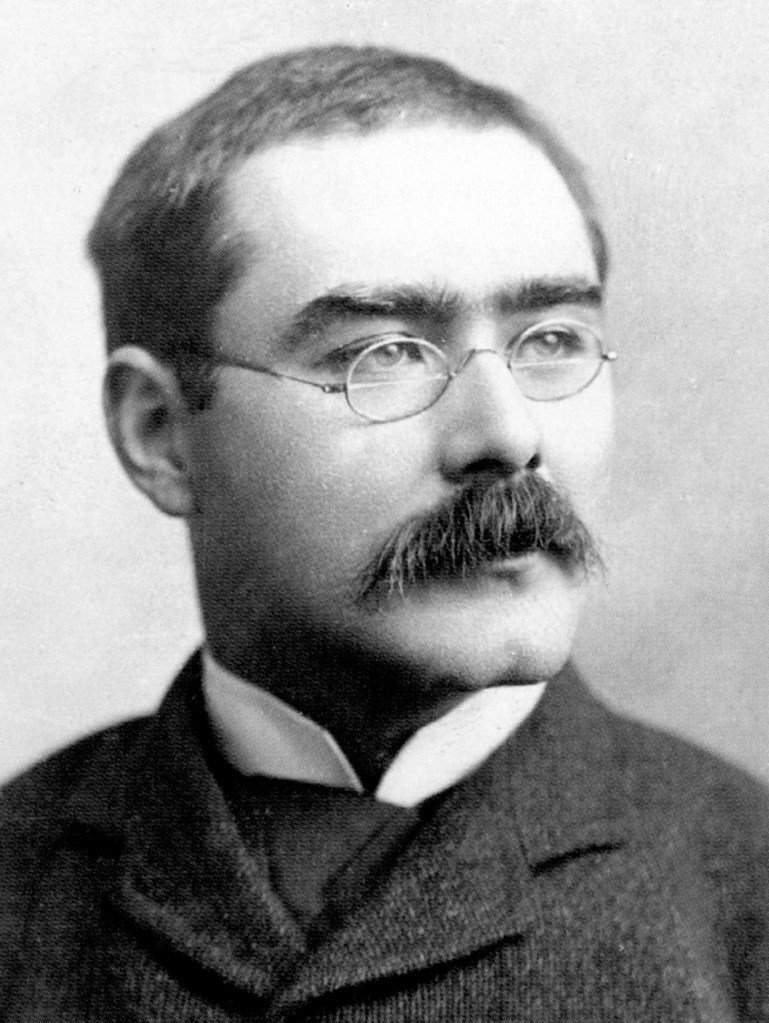
If brings to light previously unknown portions of Kipling’s life and legacy. Some new poetry and personal papers have recently been discovered that Benfey uses to paint a more complete picture of Kipling than perhaps ever before.
Readers learn of the friendships Kipling had with some of the political giants in the United States. We also get to peek into Kipling’s private life and share some of the intense sorrows he experienced in his own childhood and with his children.
There’s an examination of how opium use affected Kipling’s writings. We travel with Kipling to Japan on his honeymoon. And we learn about the great writer’s obsession with, of all things, beavers.
This most interesting part of all of it is, though he lived in the Gilded Age, how similar Kipling’s times were to today.
“It was an era, like our own, of vast disparities between rich and poor, of corruption on an appalling scale, of large-scale immigration and rampant racism, of disruptive new technologies and new media, of mushrooming factories and abandoned farms, of vanishing wildlife and the depredation of public lands.”

So, despite his astonishing literary genius, Kipling was just a man. He had his flaws and his dark side. And after his death, he left behind a treasury of written works that carry his legacy into the unknowable future. A future that, if we try, perhaps we can make more than one man’s limited imagination could contain.
Recommended for readers who enjoy forgotten history in all its imperfections and glory.
Thank you to NetGalley and the publisher for a free digital advance reader’s copy of this book. The brief quotations I cited in this review may change or even be omitted in the final version.
Here’s the History Guy’s take on Rudyard Kipling that I wrote the script for and thanks for reading!:
- The Ballad of a Small Player: a Metaphysical Movie Review
- Otherwhere: A Field Guide to Nonphysical Reality for the Out-Of-Body Traveler by Kurt Leland
- Psychic Dreamwalking: Explorations at the Edge of Self by Michelle Belanger
- Archetypes on the Tree of Life: The Tarot as Pathwork by Madonna Compton
- The Goddess and the Shaman: The Art & Science of Magical Healing by J.A. Kent
 The Help Desk Book Blog