
Author Brooke Bolander takes two unrelated historical events and ties them together in an effort to make a statement about the inherent darkness in humanity. Historically speaking, an elephant named Topsy was actually put to death by electrocution. The radium dial painters, whom you can read about in The Radium Girls: The Dark Story of America’s Shining Women, actually existed.
In this science fiction/alternative history story, elephants are a sentient race, forced to work where the radium girls once worked. And to bear the same lethal doses of radiation. It leads to a sad conclusion.
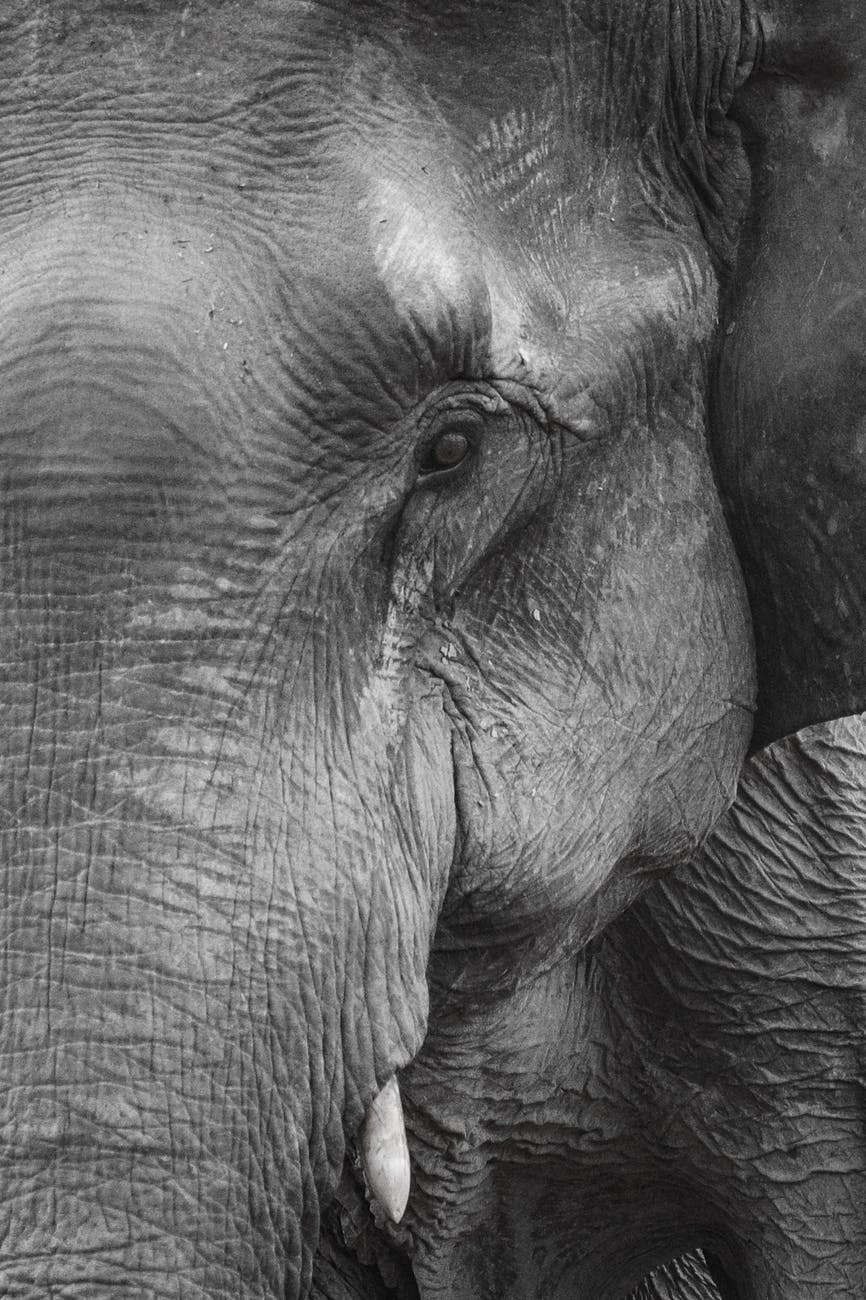
“The ‘greater good’, as you put it, was also used to justify the use of my people in your radium factories during the war, was it not? To save costs. To save your own from poisoning.” pg 32
This new history is reflected in a future narrative that takes place between the historical portions of the story. (You’ve got three stories being told from three different narrators. I didn’t find it confusing once I figured out that the author switched stories after each break on the page. But prior to that, I was grasping at straws.)
In this new future, the government is looking for a way to warn humankind away from nuclear waste sites. They decide to ask the elephants if they can alter their DNA, to make them glow in a version of a living “keep away” sign.
And so here Kat sits, tie straightened, hair teased heaven-high, waiting to meet with an elephant representative. Explaining the cultural reasons why they want to make the elephant’s people glow in the dark is going to be an exercise in minefield ballet…” pg 12
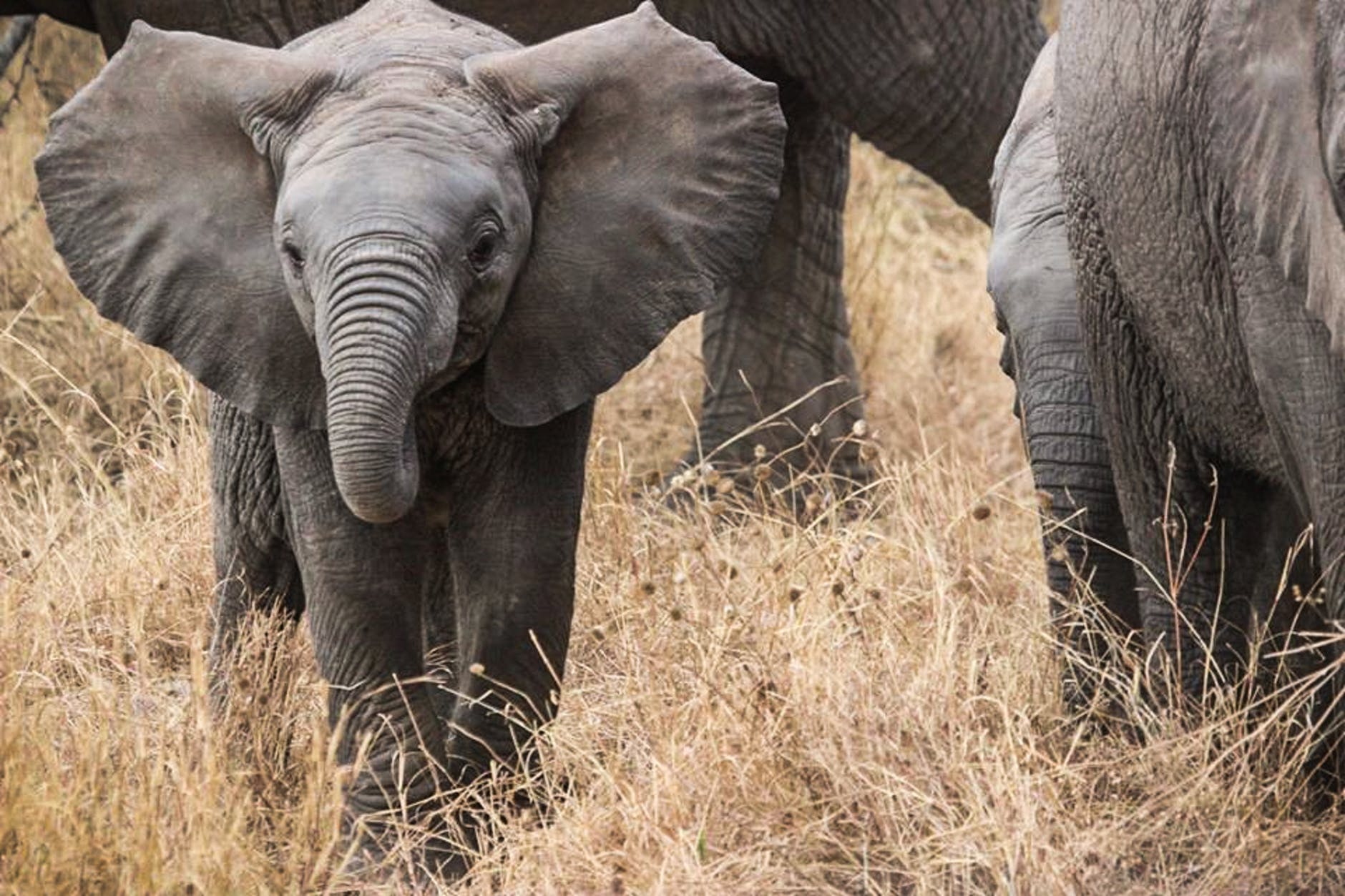
I felt like this book lessened each historical event rather than making them stronger by tying them together. They were both awful, yes, and sentient elephants deserve their own story. The women who suffered and died because no one shared the dangers of radiation with them, deserve their own story. Something far more than the simplistic alternative future Bolander gives them in which, yet again, elephants were about to be abused by human beings and confined to a nuclear wasteland.
“They will see how we shine, and they will know the truth.” pg 59
In some ways, it all reminded me of what was done to the Native American tribes. Which was also awful. And also deserves its own write-up.
Another quibble I had with this story, Bolander takes aim at the males of both species, painting them as both stupid and addicted to violence.
“The bull rolled one red eye to look up at her. He laughed with malice and with scorn, but most of all with madness. As is the way with bulls. … Furmother looked at him with sadness — because then as now We pitied the bulls, our Sons and Fathers and occasional Mates.” pgs 30-31

Can you imagine if those pronouns were reversed? “The Furmother rolled one red eye to look up at him. She laughed with malice and with scorn, but most of all with madness. As is the way with Furmothers…” I don’t believe in hurling hate or blame from either end of the spectrum. We’re all in this together.
On a more positive note, the curious collective intelligence of the elephants that the author hinted at was fascinating, as well as their different methods of communication. But this short story format doesn’t allow for an in-depth examination of this aspect of the story.
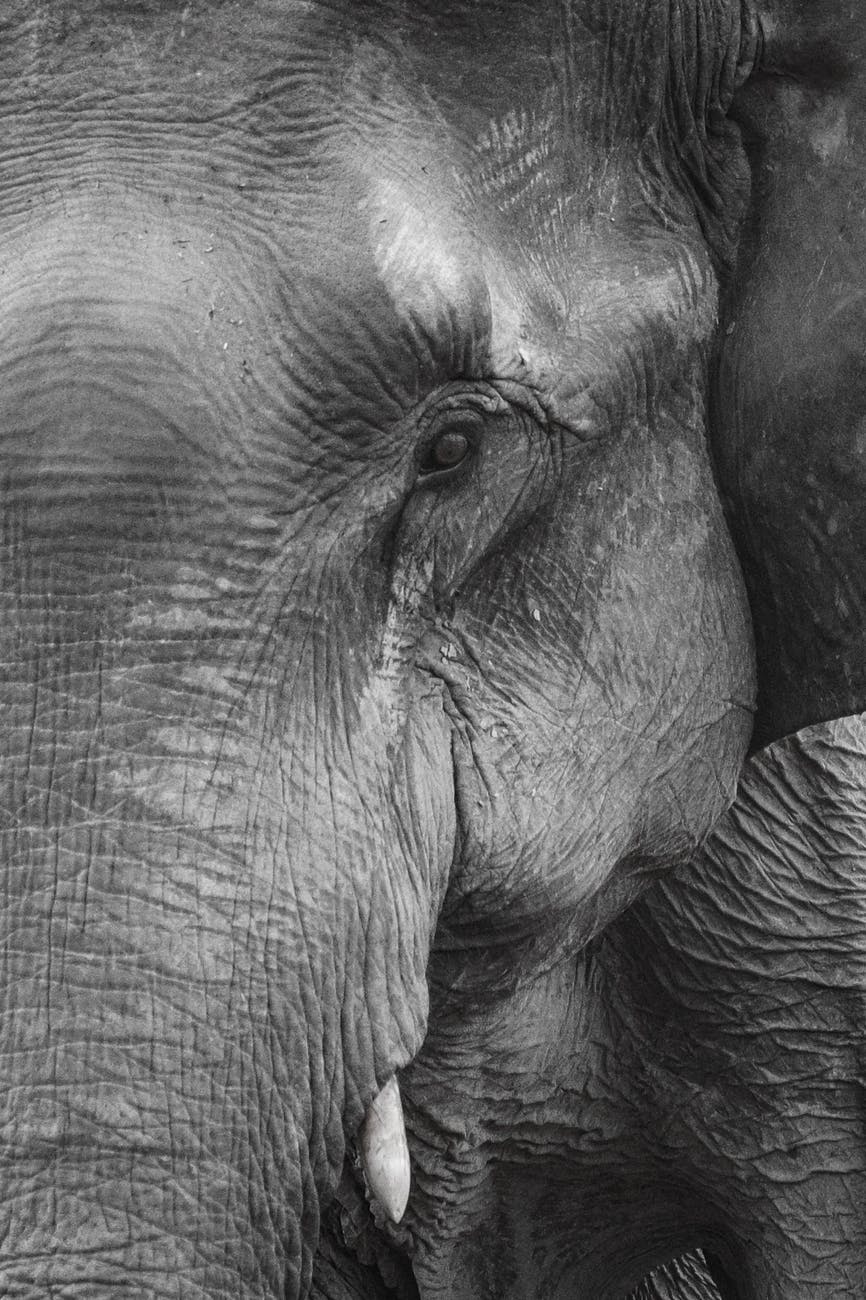
“They had blown raw red holes through the Many Mothers, hacked away their beautiful tusks, and the sky had not fallen and she had not mourned the meat. She was She — the survivor, the prisoner, the one they called Topsy — and She carried the Stories safe inside her skull, just behind her left eye, so that they lived on in some way.” pg 14
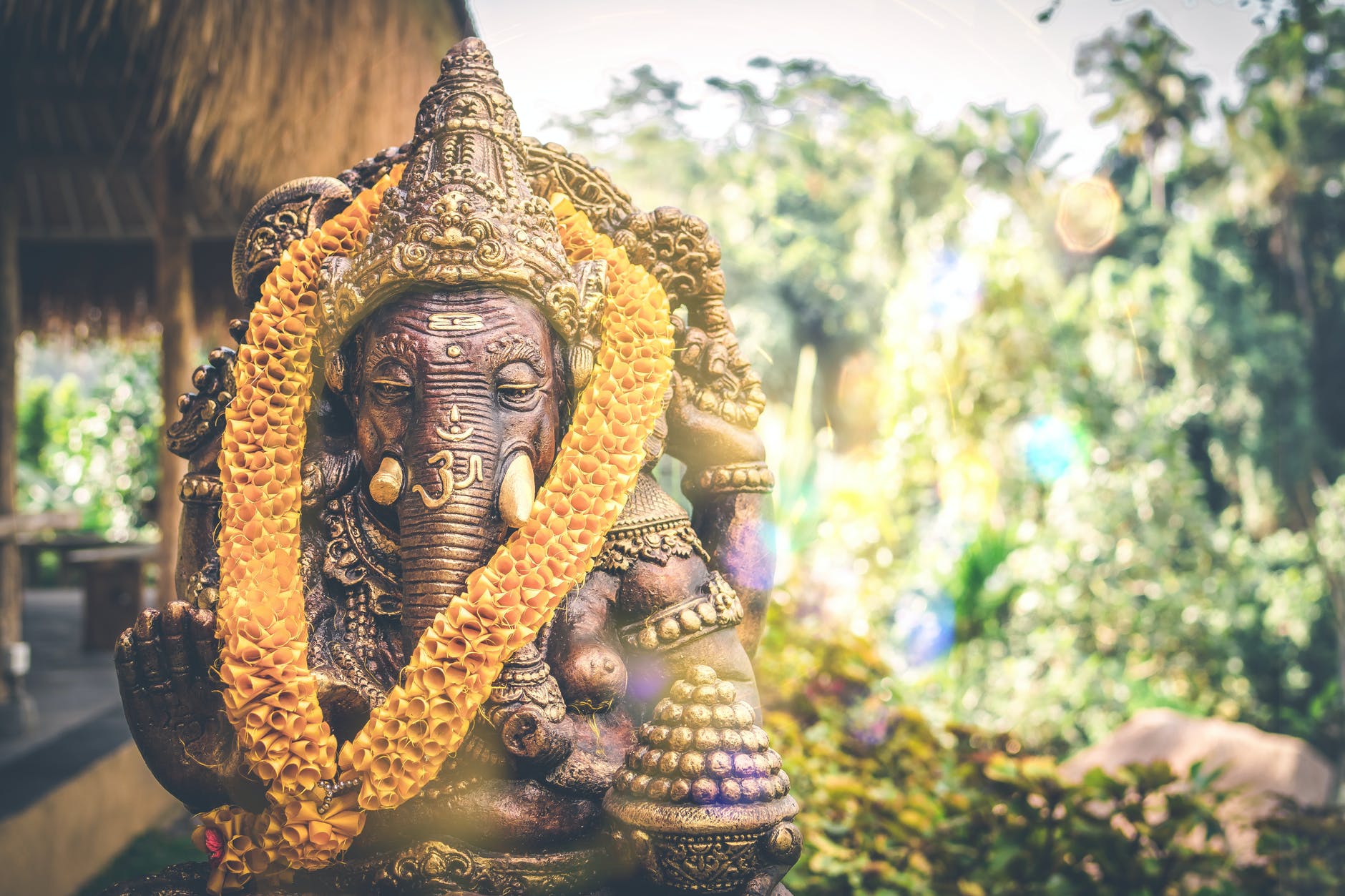
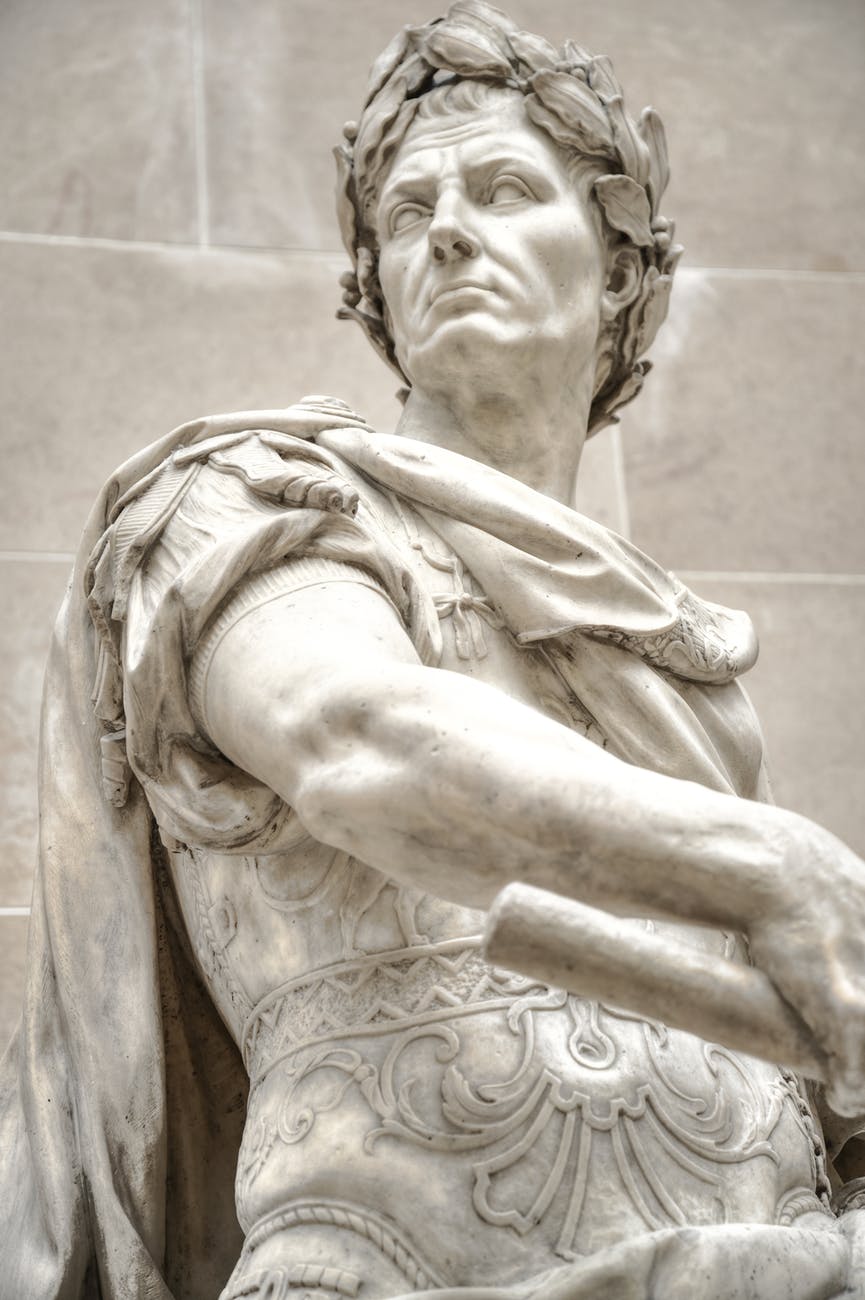
Elephants are something special. I’m reminded of the Romans and how they loved to kill people and all manner of animals in the Coliseum, except elephants. They banned killing elephants because they couldn’t stand to look the creatures in the eye as they died. There was something too sad to be borne that was communicated in the moments before an elephant’s death, something that crossed species lines.
That’s why I wanted this story to work. And, sadly, I just didn’t connect with it.
Thank you for reading!
- The Ballad of a Small Player: a Metaphysical Movie Review
- Otherwhere: A Field Guide to Nonphysical Reality for the Out-Of-Body Traveler by Kurt Leland
- Psychic Dreamwalking: Explorations at the Edge of Self by Michelle Belanger
- Archetypes on the Tree of Life: The Tarot as Pathwork by Madonna Compton
- The Goddess and the Shaman: The Art & Science of Magical Healing by J.A. Kent
 The Help Desk Book Blog