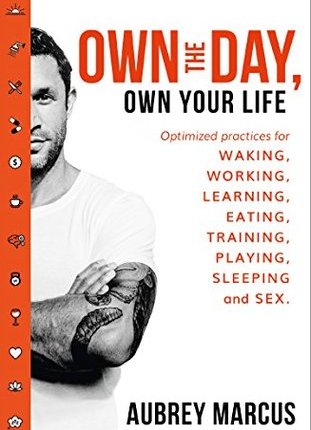
Own the Day, Own Your Life: Optimised practices for waking, working, learning, eating, training, playing, sleeping and sex by Aubrey Marcus

Own the Day, Own Your Life: Optimised practices for waking, working, learning, eating, training, playing, sleeping and sex by Aubrey Marcus

Aubrey Marcus shares different life hacks in an effort to improve your day. Because, as he reminds us: “To live one day well is the same as to live ten thousand days well. To master twenty-four hours is to master your life.” pg 7, ebook

There’s not a lot of new information here, especially not for aficionados of the self help genre. But there are some interesting strategies to try that I enjoyed.

One is to use your commute time to listen to a book or a podcast. As Aubrey points out, if you’re going to be spending the time anyway, you may as well use it to invest in yourself.

“These minutes are precious things. They are the only currency we spend every day whose value fluctuates wildly. Spend your minutes investing in your future self, filling your emotional coffers, and building value and enjoyment, or spend minutes depleting your emotional bank account.” pg 82, ebook
Photo by Stas Knop on Pexels.com

Nothing new, as I said, and also it doesn’t take too much encouragement to get me to read. 🙂 But for anybody who hasn’t tried it yet, I highly recommend incorporating this into your morning commute.

Another strategy suggested in Own the Day, Own Your Life that I attempted to hilarious, yet effective, results was a method for waking yourself up. Basically, you practice deep breathing and then stand under cold water in your shower.

The basic principle behind it, if I understand it correctly, is that our bodies have evolved to handle stress in ways that are completely outdated in the modern world. We react to an emotional email or digital comment as if a tiger was running at us. But it’s not.

All of those chemicals go into us and have no where to go, leading to chronic stress and all of the symptoms that go along with that. The deep breathing and cold water cause a stress reaction too, but it’s one that you control and can switch off at will. The exposure teaches your body how to handle it when you can’t switch it off.

Photo by Gratisography on Pexels.com

In addition to these other supposed benefits, it wakes you the heck up. I can vouch for that. Come on, Heidi, I can hear you say. You really needed a book to tell you to take a cold shower? Well, apparently I did. And that part really works as promised.

If you’ve already got your diet and exercise routines locked down, you’re already well on your way to living your best life and probably don’t need this book. But, for anybody looking for a few pointers or are willing to try new things, this could be the book you’re looking for.

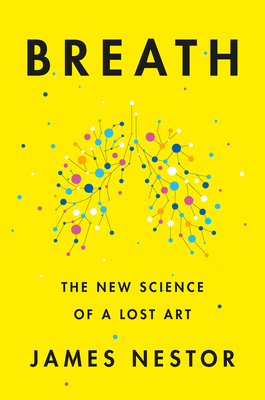
Breath: The New Science of a Lost Art by James Nestor

Breath: The New Science of a Lost Art by James Nestor

James Nestor takes a deep dive into the fascinating and surprisingly mysterious world of breathing. “How mysterious could it be, Heidi?” I hear you ask. It’s something everyone does without thinking literally a few times every minute every day of their lives.

Photo by Daisa TJ on Pexels.com

Well, there’s a lot of mysteriousness, as Nestor discovered through his journey from terrible breathing to consciousness-shifting, bone-building, better breathing.

“I do as instructed, and listen as the rushing wind that was pouring through my lungs suddenly stops and is replaced by pure silence, the kind of jarring quietude a skydiver feels the moment a parachute opens. But this stillness is coming from inside.” pg 143, ebook

He talks to researchers and mystics from around the globe to access both cutting edge research as well as ancient teachings from such exalted texts as The Upanishads.

What he’s discussing here isn’t new, but it feels new, perhaps because of the chronic disconnect between the mind and body that seems to haunt modern humanity.

Photo by Craig Adderley on Pexels.com

From breathing slower to exhaling more, the dangerous of mouth breathing and the astonishing connection carbon dioxide inhalation has to panic attacks, there’s a lot to explore.

And, despite all of the observed benefits and ten years of extensive research, Nestor doesn’t forget to mention that breathing isn’t a panacea. I appreciated that part as well.

“… what I’d like to make clear now, is that breathing, like any therapy or medication, can’t do everything. Breathing fast, slow, or not at all can’t make an embolism go away. … No breathing can heal stage IV cancer. These severe problems require urgent medical attention.” pg 184-185, ebook

Photo by Daria Shevtsova on Pexels.com

I bookmarked all of the exercises Nestor gathers together from the text and lists at the end of the book. Each has similar yet slightly different affects according to practitioners of the methods. I may have to try every one to see for myself.

Highly recommended.

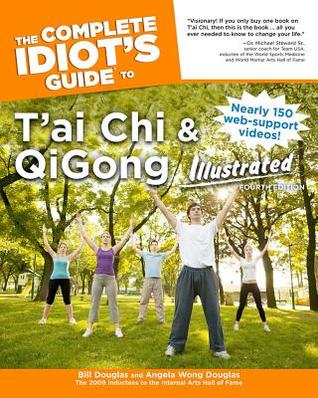
The Complete Idiot’s Guide to T’ai Chi & QiGong by Bill Douglas

The Complete Idiot’s Guide to T’ai Chi & QiGong by Bill Douglas

The Complete Idiot’s Guide to T’ai Chi & QiGong is a useful reference guide that I’ve been using in conjunction with online courses to dip my toes into the practice of both.

The first part of the book is the history of the martial and meditative arts as well as best practices. The second part is the movements.

Photo by Pixabay on Pexels.com

I liked that links to demonstrative videos are sprinkled throughout the text, somewhere over a hundred of them! It really helped the materials to come alive for me.

The way the author writes might be a little far out for readers who are looking for more scientific approaches to the practices. He touches on scientific studies that demonstrate health benefits, but doesn’t go too deeply into the science behind them. Readers who are looking for something like that may want to find a different book.

Photo by Craig Adderley on Pexels.com

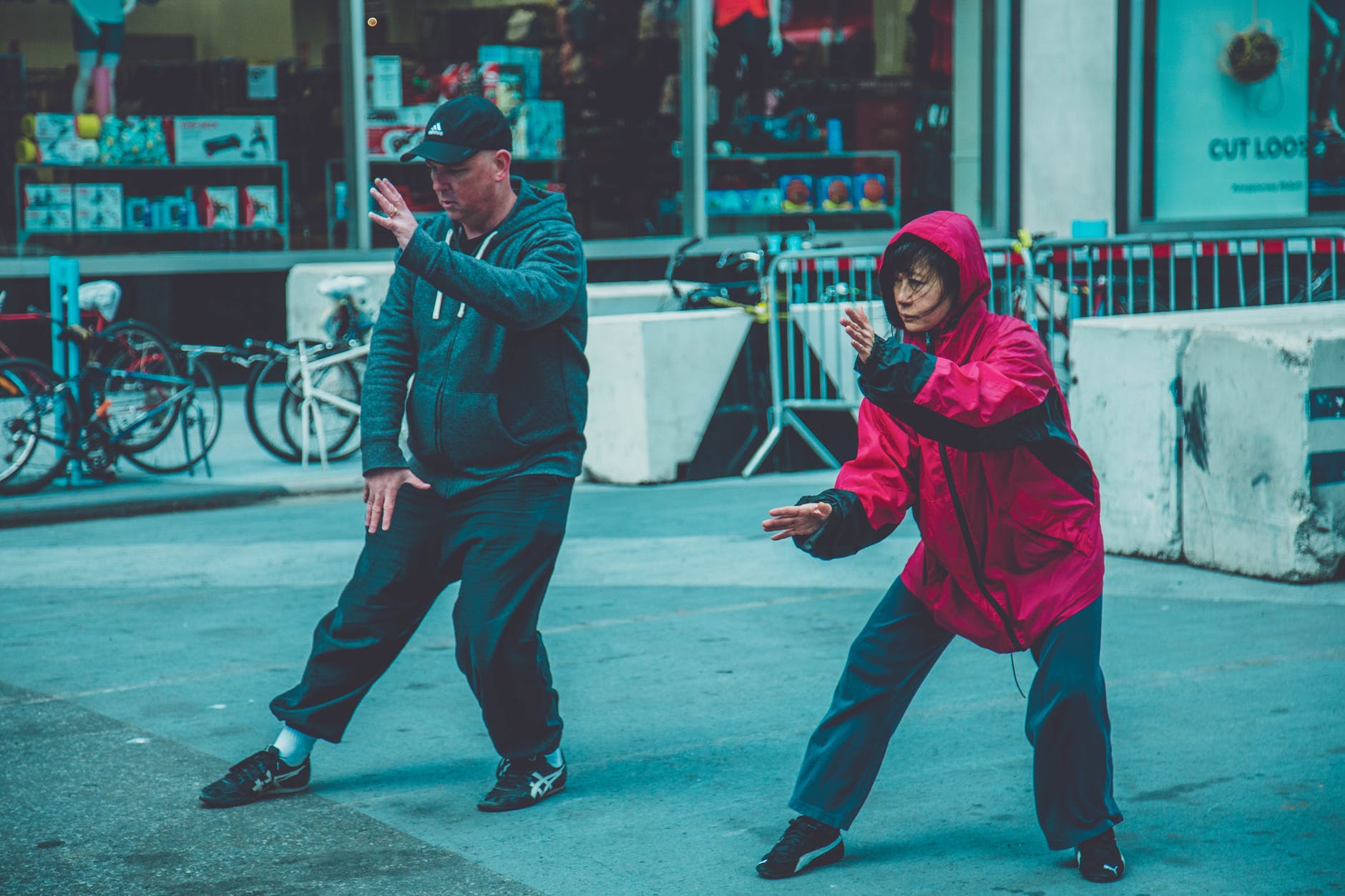
I’ve begun to incorporate both t’ai chi and qigong into my daily routine. It is a nice, restive break from the stressful day-to-day grind. As I move my body through the practices, my mind follows.

It is difficult to describe, but easy to experience if you attempt some of the movements yourself.

One of the most helpful online resources I discovered for qigong is “Qi Gong for Better Health and Wellness” by Lee Holden on Wondrium.

Highly recommended for readers at all levels of fitness. Namaste!

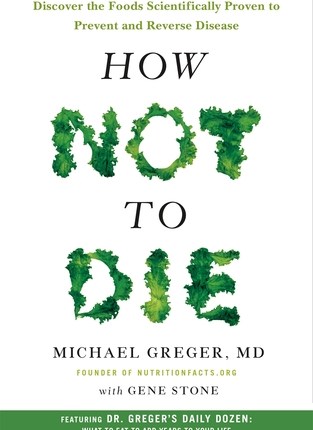
How Not to Die: Discover the Foods Scientifically Proven to Prevent and Reverse Disease by Michael Greger

How Not to Die: Discover the Foods Scientifically Proven to Prevent and Reverse Disease by Michael Greger

I think everybody is aware that your diet has an enormous impact on your health. This book is another reminder that this is true.

Photo by Trang Doan on Pexels.com

Though everyone will one day die, Michael Greger gives some tips to help you live as long and as healthily as possible.

I’m not going to debate the merits of different diets which seem to change as quickly as fads. I think everybody should try to incorporate healthy habits that are right for them as they are able.

How Not to Die is packed with ideas on that front.

Photo by Pixabay on Pexels.com

I think the most interesting part of this book are the effects that various foods have on the body. But you don’t have to take Greger’s word for it, experiment and see what works for you.

Happy eating 🙂