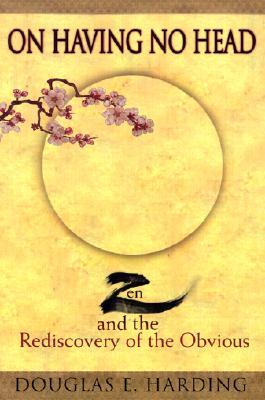
On Having No Head: Zen and the Rediscovery of the Obvious by Douglas E. Harding

On Having No Head: Zen and the Rediscovery of the Obvious by Douglas E. Harding

Douglas Harding had a strange experience when he was a young man. As he was hiking in the Himalayas, Harding had a moment he would later describe as of “no thought”, and where he perceived his body as having no head. In addition, he had a vision of his body as a house with a single window, but inside the house, there was nothing looking out at the world.

That nothingness is where Harding envisioned his consciousness resides.

Trippy, I thought. If that had happened to me, I might have been pretty freaked out.

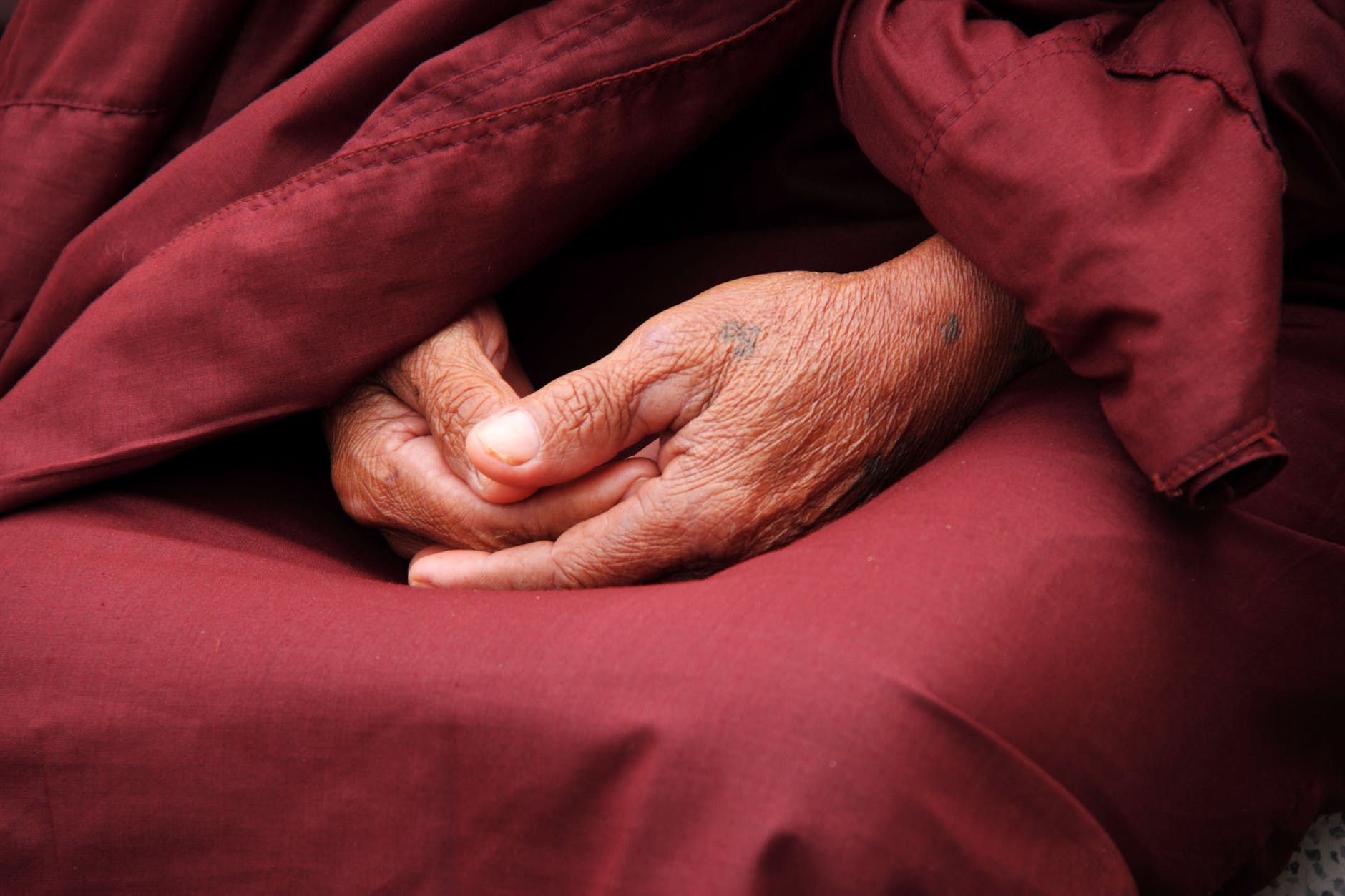
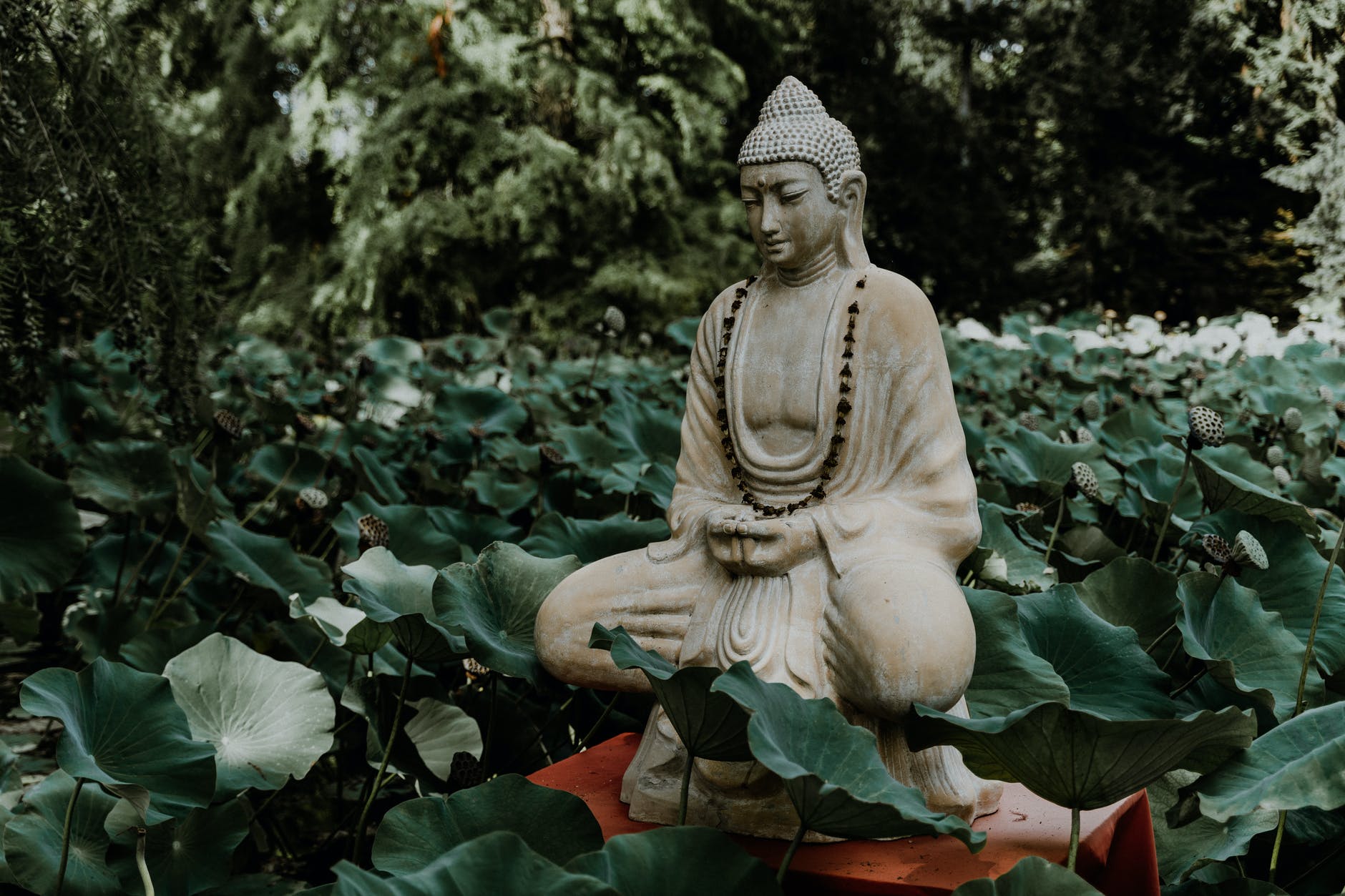
Photo by Asep Syaeful Bahri on Pexels.com

Not necessarily so for Harding, who described the experience as incredibly peaceful and enlightening. When he came back from this experience, he applied his insight to various Eastern schools of philosophy, notably Zen.

The result is this book- a discussion of not only what happened to him, but an examination of consciousness itself. Where does consciousness reside? Where is the ‘me’ of our constant thoughts and emotions?

It’s somewhat of a winding path to get there, but Harding eventually points to the idea that consciousness is space in which reality is perceived.

When I first hopped into this book, I thought, how ridiculous. We all have heads attached to our necks. We can see them and feel them. Not only that, we can see and feel the heads of other people if we really wanted to.

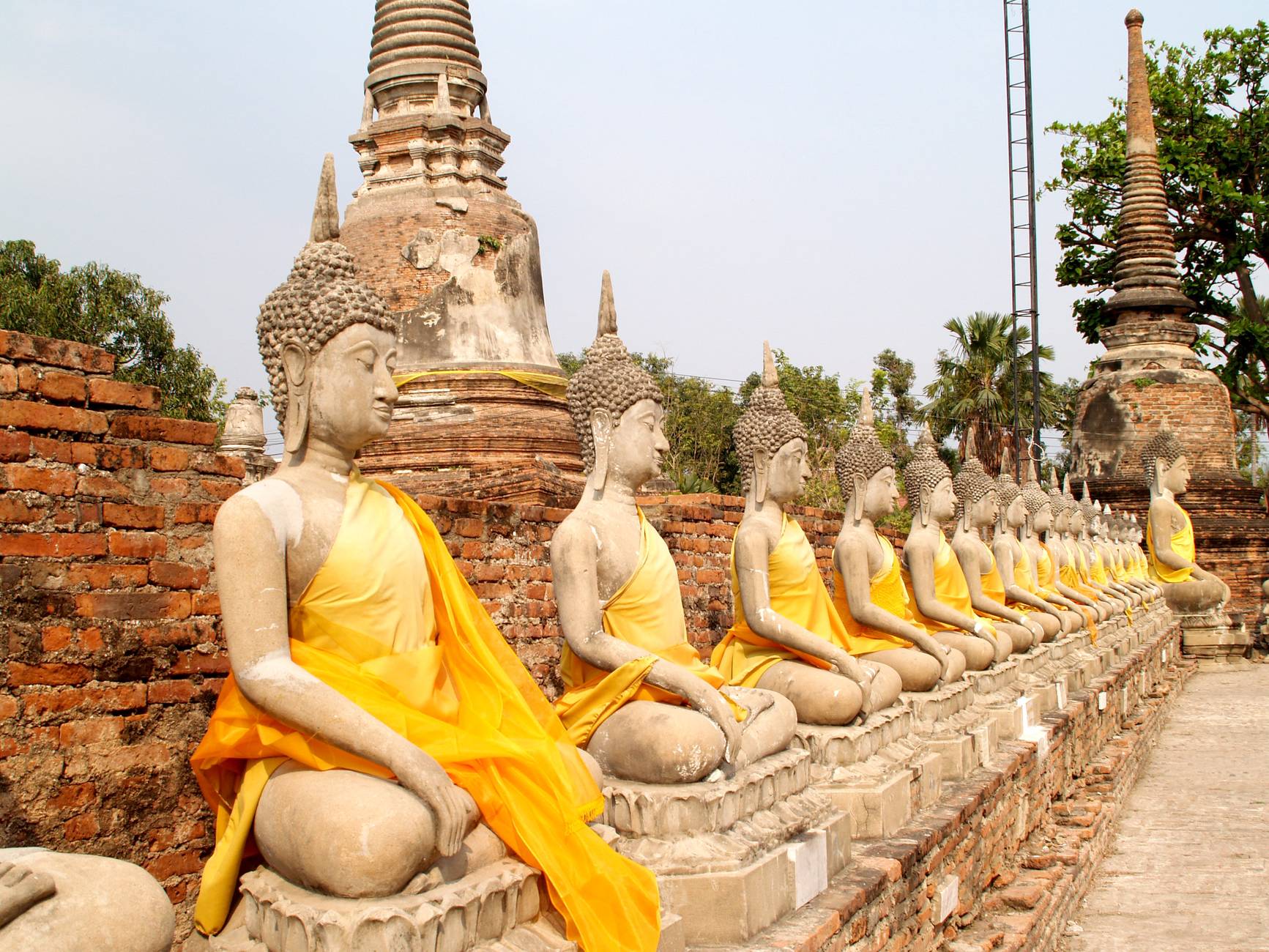
Photo by Gabby K on Pexels.com

Harding takes this idea of ‘seeing’ and ‘touch,’ and questions what it is that people actually perceive. Yes, he says, you can see your head in a mirror. But that is a reflection of your head and not the head itself.

Everybody says these constructs are the thing itself. However, as Harding points out, they’re not really, are they? If you look down your own face, you can usually ‘see’ your nose as a series of splotches and shapes. Is that your nose though, or just splotches?

And he goes on from there.

By the end of the book, I was nodding my head a little and felt like I could understand something of what he was saying. But now that I’m trying to write a portion of it down, it just sounds like nonsense.

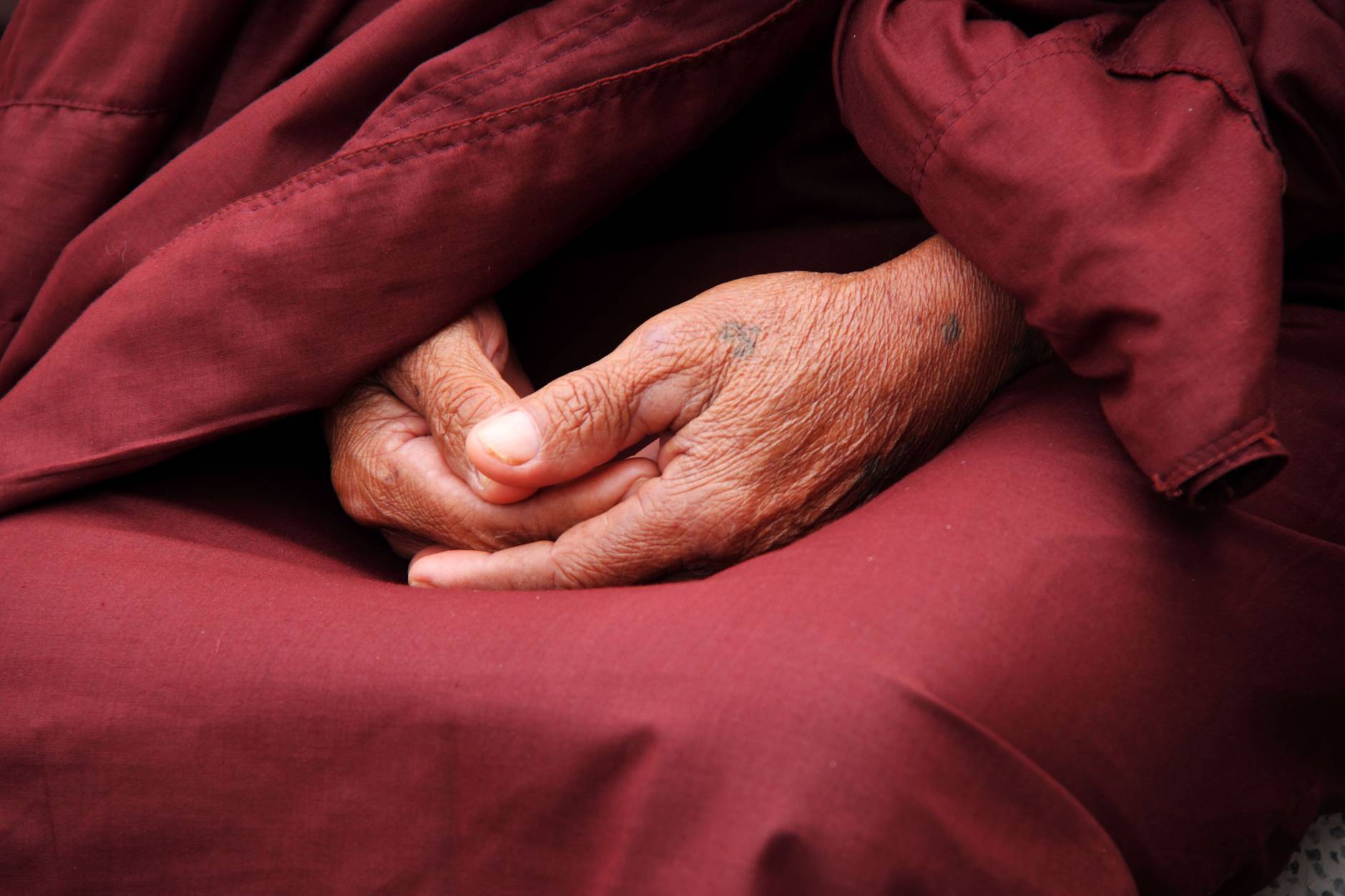
Photo by Olya Kobruseva on Pexels.com

Perhaps this is a book to be experienced rather than described. Rather, I might humbly suggest, like consciousness itself?

Recommended for spiritual seekers or anybody who enjoys pondering koans.

Thanks for reading!

The Buddhist on Death Row by David Sheff

The Buddhist on Death Row by David Sheff

David Sheff examines the life and spiritual transformation of Jarvis Jay Masters, a man who has spent years on death row and in solitary confinement for a crime he says he didn’t commit.

“Even if Masters was innocent, I didn’t know what to think about the claims that he was, as his supporters described him, an enlightened Buddhist practitioner who had changed and saved lives.”

Photo by Donald Tong on Pexels.com

It is a powerful non-fiction account not only because Masters is honest and open about how he came to be where he is today, but because the spiritual lessons he has discovered throughout his experience are applicable for all of us. You don’t have to be sitting in a literal prison to feel like you’re locked in a cell and can’t get out.

The mind and heart can create suffering wherever in the world you are.

“Set in a place of unremitting violence, insanity, confusion, and rage, Masters’s story traverses the haunted caverns and tributaries of loneliness, despair, trauma, and other suffering- terrain we all know too well- and arrives at healing, meaning, and wisdom.”

Photo by Caroline Martins on Pexels.com

I don’t think you need to be a practitioner of Buddhism to appreciate the wisdom in this book. Spiritual lessons like the knowledge that can be found in self awareness and how to obtain freedom from suffering can be helpful for all of us.

I enjoyed the book so much that I read it in only a few sittings.

The lama wrote that all people have been sentenced to death- in that way, Jarvis wasn’t unique. … “We all live in a prison, and we all hold the key,” Chagdud Tulku wrote.

Photo by Pixabay on Pexels.com

Highly recommended for spiritual seekers of all types.

Thank you to NetGalley and the publisher for a free digital copy of this book.

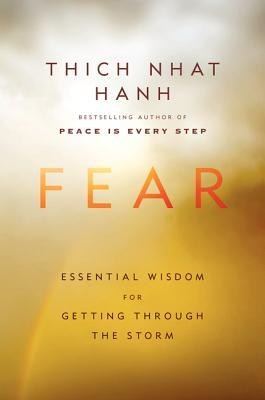
Fear: Essential Wisdom for Getting Through the Storm by Thich Nhat Hanh

Fear: Essential Wisdom for Getting Through the Storm by Thich Nhat Hanh

In Fear: Essential Wisdom for Getting Through the Storm, Thich Nhat Hanh simply and succinctly illuminates the Buddhist path beyond fear into an existence of freedom and joy.

“Nobody can give you fearlessness. Even if the Buddha were sitting right here next to you, he couldn’t give it to you. You have to practice and realize it yourself.” pg 6

Photo by Aleksandar Pasaric on Pexels.com

This book is more than theory, parables and anecdotal stories. Hanh also includes various meditations to assist in the effort.

“When the Buddha was very old, just before he died, he said, ‘My dear friends, my dear disciples, don’t take refuge in anything outside of you. In every one of us there is a very safe island we can go to. … That is a place where you can take refuge whenever you feel fearful, uncertain or confused.'” pg 71

He dissects the various forms fear can take in our lives- from fear of death, grief, anxiety about the future to reconciling with painful emotions from the past.

Photo by David Bartus on Pexels.com

My main takeaway from the book was, to deal with any kind of fear, we need only to approach it with mindfulness and compassion for ourselves and the suffering of others.

“We don’t try to grab on to the pleasant sensation, and we don’t try to push it away. We just acknowledge its existence. When a painful feeling comes, we do the same thing. … A feeling is just a feeling. And you are much more than that feeling.” pg 135

Hanh reminds readers that we are more than the temporary thoughts and feelings that cause so much havoc on their way through our minds and hearts. Our true nature is something else.

My favorite metaphor that Hanh employs to remind readers of this true nature is his comparison of a life to a wave.

“The wave is always water; it doesn’t ‘come from’ water, and it doesn’t go anywhere. It is always water; coming and going are just mental constructions. … Birth and death, coming and going, are just concepts. When we are in touch with our no-birth, no-death nature, we have no fear.” pg 50

Photo by Emiliano Arano on Pexels.com

I appreciated the reminders and found a lot of comfort in these pages. I hope other readers find the same.

Recommended for readers who are interested in learning and utilizing Buddhist philosophy and techniques to overcome any fear or other unpleasant emotion that may be in their lives.

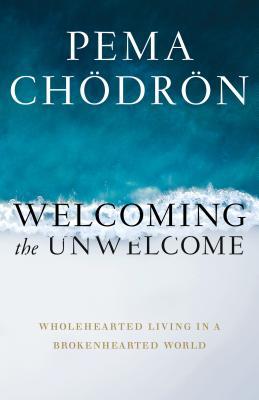
Welcoming the Unwelcome: Wholehearted Living in a Brokenhearted World by Pema Chödrön

Welcoming the Unwelcome: Wholehearted Living in a Brokenhearted World by Pema Chödrön

“We are at a time when old systems and ideas are being questioned and falling apart, and there is a great opportunity for something fresh to emerge. I have no idea what that will look like and no preconceptions about how things should turn out, but I do have a strong sense that the time we live in is a fertile ground for training in being open-minded and open-hearted.” pg 28

The incomparable Buddhist nun and teacher, Pema Chödrön, interprets the dharma and applies it in the various challenging circumstances of modern life. From polarization to living in the now, comfort zones and boredom, Chödrön challenges practitioners to question their deeply entrenched beliefs by applying new lenses of perception. Change within, she says, and you will see changes in the world.

Photo by icon0.com on Pexels.com

“Trungpa Rinpoche said that the way to arouse bodhichitta was to “begin with a broken heart.” Protecting ourselves from pain – our own and that of others – has never worked. Everybody wants to be free from their suffering, but the majority of us go about it in ways that only make things worse.” pg 4

Remembering this shared struggle to find relief from suffering is one of the many ways Chödrön breaks down the problematic mindset of us vs. them. She gives plenty of tips for remembering the sacred within oneself and everyone else. One of the simple ones that stuck with me was, when you see someone suffering, say to yourself, “just like me.”

Stuck in traffic but don’t want to be? Everyone around you is too. They’re just like you. Irritated by developments on the world stage? There are others who are just like you. Have a cold and just want to get some uninterrupted sleep? Think of the thousands out there who are just like you.

“… if we gradually increase our capacity to be present with our pain and the sufferings of the world, we will surprise ourselves with our growing sense of courage. In our practice of cultivating a broken heart, we can incrementally build the strength and skill to handle more and more.” pg 6

Photo by Pixabay on Pexels.com

What I like most about Chödrön’s books is that she isn’t afraid to talk about how she has stumbled with the various teachings in her own life. She takes a clear look at her foibles and, instead of hiding them where no one else can see them, she uses her failings to propel herself and others forward.

For example, Chödrön relates how, when she first became the director of an abbey in Nova Scotia, she thought the kitchen was a disaster. She put all of these rules in place to organize and clean the kitchen, yet it was never good enough. She confesses going down to the kitchen at night after everyone was asleep in order to organize the drawers without their knowledge. Yet even with all of those struggles, the kitchen remained as it was.

So, instead of fighting it further, she relaxed into the belief that the problem was not with the kitchen or anyone in it, but her own perception of the kitchen.

“I said to myself, “I don’t care if the whole place is a mess. I’m going to work on my propensity to label things in negative ways, such as ‘dirty’ and ‘disorganized.’ I’m going to pay more attention to how I project my own version of reality onto the world.” pg 74

Photo by Mike on Pexels.com

And this self examination altered her view of reality. “Instead of my whole being going into a knot of contraction, I felt relaxed and happy in there. It was a miracle.” pg 74

What sorts of things do you view as disorganized kitchens in your own life?

Highly recommended for readers interested in Buddhist teachings or improving the world around them by change from within.