 Warning: minor spoilers ahead! Read with caution.
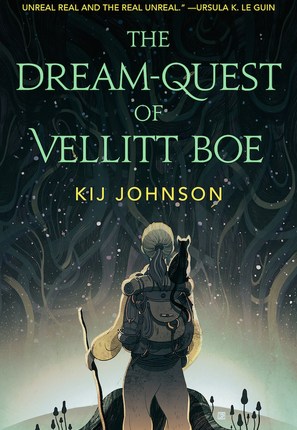
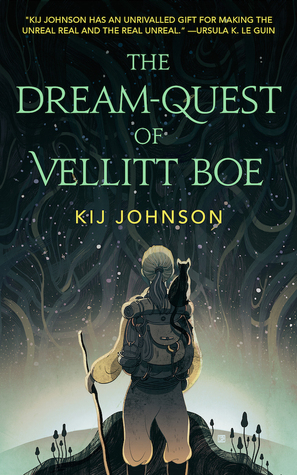
Weird and wonderful short tale of a university professor who is looking for a missing student. I hadn’t read any of Lovecraft’s stories but I still enjoyed this very much.
First of all, I learned what a group of cats is called: “A clowder had congregated with the quad, as well; they ceased whatever was their business and watched as Vellitt and Oure passed, and one, a small black cat, separated itself from the rest and followed them into Jurat’s stairwell.” pg 15. A clowder, how cool is that. I nearly have a clowder of cats at my house. Also, this story has a bit about talking to cats: “In her far-travelling days, Vellitt had known a dreamer who claimed to understand the speech of cats, but of all the cats she had ever met in Ulthar- a town crammed with them- none had ever spoken to her, nor anyone else; none that she knew, anyway.” pg 43, ebook.
Besides all of the cat things, there is an awesome twist to this story:“When Vellitt Bow was young, she had been a far-traveller, a great walker of the Six Kingdoms, which waking-world men called the dream lands.”pg 29 If I had read a Lovecraft novel, I wouldn’t have been so surprised about this aspect of the world. So, happy accident for me. 🙂
There’s also a silly bit about librarians that I have to include because, well, you know: “She reopened the book and began to read, but an aged man in violet robes so old they had faded to lavender entered the room and castigated her for touching the books. Despite the differences in language, age, and sex, his tone was a mirror of that of Uneshyl Pos, the librarian at the Women’s College; for all librarians are the same librarian.” pg 55. Pretty much.
The criticism of the original work, that I only caught because it hit me like a ton of bricks, was the sexism built into it. Like I said, I wouldn’t known, having not read it, but read this passage: “Women don’t dream large dreams,” he had said, dismissively. “It is all babies and housework. Tiny dreams.” pg 71. Well, we all know that’s not right. Thank you, Kij Johnson, for writing a version of the world that I really enjoyed.
Recommended for readers who enjoy adventure, horror, and fantasy fiction. You also may appreciate it more if you read the original text, but as you can see from my review, that’s not required.
Thanks for reading.

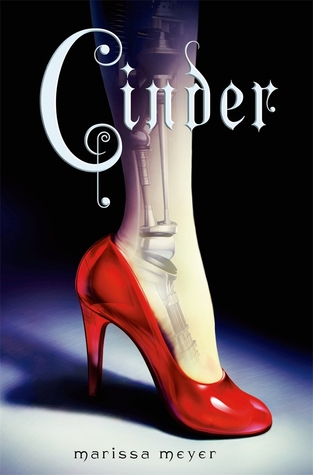 Typical young adult fantasy in that the ‘big twist’ was obvious from the start, but this story still has some charm. Cinder is a cyborg mechanic who wants to go to the ball, but she doesn’t have the time or money to do so. She lives in a world where cyborgs are despised, but tolerated. Humankind is suffering from a plague, one which strikes without warning and leaves the affected dead within days. There’s a draft for cyborgs to be tested upon in order to find a cure for this disease but Cinder is lucky in that her number hasn’t been drawn yet.
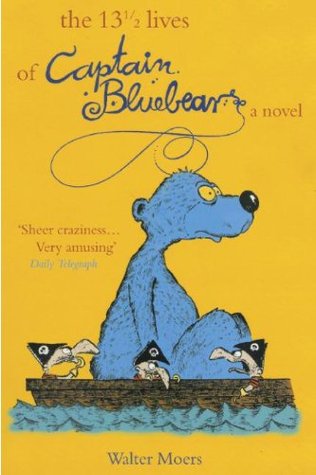 This book was very strange. It reminded me of Charlie and the Great Glass Elevator by Roald Dahl. Moers writes page after page of strange creatures, worlds, and circumstances that are only connected because Bluebear passes through them. And, like in Dahl’s book, I felt like the author was always hinting about a greater truth behind the story, as if The 13 1/2 Lives of Captain Bluebear was more a gigantic allegory than a children’s book. I enjoyed the fantastic nature of it but I didn’t like the long lists of creatures that read more like crazy encyclopedic entries than an actual story with characters.
 Sometimes life kills you before you die. It’s not a death of the body but a slow wearing away of the spirit that you carried from your birth through your childhood until wherever it is that time finds you now. That flickering flame of beliefs and dreams that you somehow knew was a true vision of reality but you had no real reason to believe so, except that inner feeling in your chest that would incline its head in quiet acknowledgment when you consult it. I thought that life had devoured my romantic streak but then this little book of poetry made me cry and I realized that my flame still burns. Some things can never be lost. That’s what this collection made me feel. I suppose all good poetry should make you feel like that.
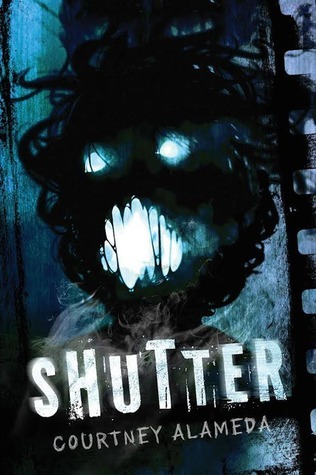 Micheline Helsing is the last of the line of Van Helsings, of monster slaying fame. In this version of the tale, Micheline slays ghosts and otherworldly beings by capturing their visages on film, thereby taking away their power and banishing back to the realms where they belong.
 The Help Desk Book Blog