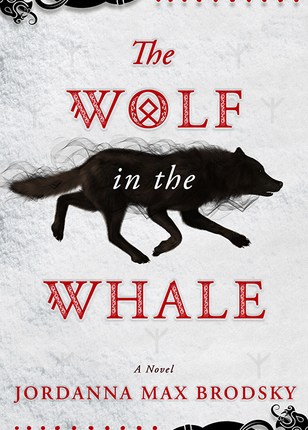
“You still have much to learn,” he agreed. “But you already carry a power in you that I can’t match.” pg 31, ebook
Omat is learning to become an angakkuq, a shaman for her tribe. This is a role that is traditionally filled by a male, so Omat considers herself a man for a long time.
“I drifted into dreams and visions for much of those three days, and soon I could not tell reality from imagination. Perhaps, I reasoned, in the end they are one and the same.” pg 70, ebook

After repeated tragedies strike her tribe and Omat is captured by a vengeful hunter, her world changes. She goes on a quest to save her brother and best friend as well as herself.
This quest brings her into contact with gods and goddesses as well as the spirits of various arctic animals.
“Stories are ever changing, just like the gods. Assuming you understand either is a grave mistake.” pg 295, ebook

I very much enjoyed this adventure tale. The main character, Omat, is quite complex in the way she communicates with others and grows throughout the story.
In the afterward, the author talks about the research into Inuit culture she completed to write this book and her work shows. I felt like Omat’s shamanistic journeys and methods could have actually happened the way she described- it’s that well written.
There is darkness in this story and I nearly stopped reading at first because I was afraid it was going to be too depressing. But I kept on and I’m so very glad I did.
“That which is dead can always come back. Men live in many worlds at once. So do gods.” pg 431, ebook
I enjoyed the fantasy elements of the gods and goddesses in this book. It reminded me of The Odyssey in some ways. The supernatural tries to control the world of humans and it results in a grand adventure.
Highly recommended for readers who like their historical fiction mixed with fantasy elements.
- The Ballad of a Small Player: a Metaphysical Movie Review
- Otherwhere: A Field Guide to Nonphysical Reality for the Out-Of-Body Traveler by Kurt Leland
- Psychic Dreamwalking: Explorations at the Edge of Self by Michelle Belanger
- Archetypes on the Tree of Life: The Tarot as Pathwork by Madonna Compton
- The Goddess and the Shaman: The Art & Science of Magical Healing by J.A. Kent
 When I picked up The Collector of Lost Things, I expected an adventure-filled historical fiction. The audiobook delivered a heavy-handed treatment of man vs. nature with some truly disturbing scenes of mass animal slaughter. Not for the faint of heart or stomach.
 The Help Desk Book Blog