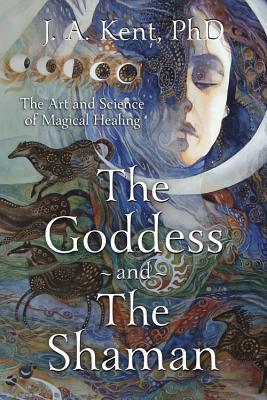
The Goddess and the Shaman: The Art & Science of Magical Healing by J.A. Kent

The Goddess and the Shaman: The Art & Science of Magical Healing by J.A. Kent

“I discovered the presence of a mystical and magical tradition that was largely concealed within our culture that had its roots in ancient pre-Christian Paganism, alchemy, Hermetic philosophy, the holy Qabalah, and elements of Greek, Egyptian, and Gnostic mysticism. It is generally referred to as the Western magical tradition. I tend to see it as the lost shaman tradition of the West.” -From the Preface

J.A. Kent, PhD, examines various occult and healing practices from a variety of traditions by interviewing practitioners as well as providing case studies of her own patients in order to present, what I can only call, her doctoral thesis of her personal magical paradigm. Her paradigm is the title of her book, The Goddess and the Shaman.

“There are strong social and medical pressures in Western-style thinking that regard those who have psychic experiences to be either fraudulent or psychotic.” pg 16

Let me briefly explain this paradigm, though I highly recommend reading the book to get it in Kent’s own words.

“The Goddess” is another name for what Kent calls the “Elphame,” essentially the other non-physical worlds that exist either alongside or on top of (depending upon who you speak to) our normal every day world. “The shaman” are the lightworkers and healers who explore these realms for various reasons including healing others of sicknesses both of the body and spirit.

I think it took a great deal of bravery to write a book like this, especially with the prevailing worldviews at work today. Well done, J.A. Kent!

The world is an enchanted, mysterious, and magical place that will reveal its many secret powers and energies to those who have the persistence and determination to unlock them.” pg 64

The trouble with spiritual healing or any type of work in the Elphame, Goddess, or whatever you want to call it, is that the practitioner exits the consensual reality of the every day world and enters non-consensual reality- the abode of the dreamers, lovers, poets, musicians, mad, etc. I have come to believe that the Western world, Western medicine especially, is not kind to those who venture outside the bounds of the normal.

Kent discusses this in depth in multiple places of this book. Suffers who could find no mundane explanation for their troubles turn to her in order to find some relief. And, encouragingly, many found healing.

“Ultimately they rejected the reductionist psychiatric explanation and embarked on their own magical journey of healing.” pg 159

Recommended for therapists and spiritual healers who are looking for more ideas about how to assist those who come to them seeking help. I enjoyed this book very much.

Thanks for reading!

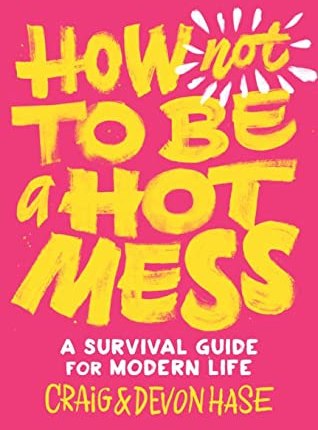
How Not to Be a Hot Mess: A Survival Guide for Modern Life by Craig Hase, Devon Hase

How Not to Be a Hot Mess: A Survival Guide for Modern Life by Craig Hase, Devon Hase

“(This book) draws on Buddhist advice because, believe it or not, Buddhism has been through it all before. It’s seen wars, plagues, oppression, and ten thousand terrible haircuts – and it has, along the way, developed dependable ways to stay steady in the roller coaster of family feuds, romantic vacillations, uncertain futures, and all the rest.” pg 9, ebook

How Not to be a Hot Mess was a timely read for me, though there was little in here that was “new”. Instead, it offers gentle reminders to meditate, tell the truth, be generous and take care of yourself – all things that help mitigate hot messiness in the day-to-day.

Photo by Marta Wave on Pexels.com

“So there are approximately one bajillion reasons why you should meditate. The top three reasons as I’ve just mentioned, are that you’ll be less stressed, more focused, and you might even stumble your way into slightly better humanhood.” pg 23, ebook

I used to meditate every day. But then, for whatever reason, I fell out of the habit. I’m going to be doing my best to bring it back because I think I was a calmer person and less reactive to things.

This book also reminded me about skillful speech.

“There are people out there- and I’ve met a lot of them now- who follow these guidelines of True, Kind, Timely, Helpful beautifully. And they all have some things in common: they have good friends, stable community connections, a sort of quiet confidence, and they kind of glow.” pg 53, ebook

I don’t tend to say a lot but I try to make what I say fit within those guidelines. This book reminded me of how important this can be. It’s like modern life makes me forget sometimes, in the mad crush and noise, what’s really important.

“You, too, can do this. It’s not just for fancy historical figures or people who write books and give TED talks and share wisdom from the mountaintops. You really can stay clear, say what’s true, give a little, make sex good, meditate occasionally, and be less of a jerk and more of a stable loving presence in your world. Right in the middle of everything.” pgs 84-85, ebook

Yes, I can do this. And so can you. Happy reading, friends.

First, We Make the Beast Beautiful: A New Story About Anxiety by Sarah Wilson

First, We Make the Beast Beautiful: A New Story About Anxiety by Sarah Wilson

Author Sarah Wilson shares anecdotes and anxiety-busting methods from her life experience.

“One of the dear, dear things about getting older, is that it does eventually dawn on you that there is no guidebook. One day it suddenly emerges: No one bloody gets it! None of us knows what we’re doing. pg 5, ebook

Through her research and personal experiences, Wilson shares the best, and the worst, of the treatments and latest scientific advances. Even though we don’t have the treatments for anxiety nailed down yet, it helps to know that sufferers are not alone in their struggles.

Photo by Pixabay on Pexels.com

“We’re told that globally one in thirteen people suffer an anxiety-related illness. Some studies tell us that one in six of us in the West will be afflicted with an anxiety disorder at some stage in our lives, making it the most common officially classified mental illness.” pg 14, ebook

I liked Wilson’s definition of anxiety: she sees it as a separation of self from something larger and more meaningful. The anxiety makes us reach for this something, but we don’t know what we’re reaching for and it hurts.

Photo by Daniel Torobekov on Pexels.com

“Anxiety is a disconnection with this Something Else. As I say, the doctors and scientists can call it all kinds of things, but I believe it all comes down to this disconnect.” pg 44, ebook

Wilson excels at the physical descriptions of anxiety and bipolar disorder. She captures the raw edges of the experience and how life can feel painful because all the stimulation coming in when you’re having a panic attack or a manic episode.

She includes a couple exercises to help bring yourself down when you’re experiencing anxiety. But not too many, because: “I don’t plan on filling this book with too many exercises that people like me skim over to get to the meaty theory. I’ll just include the ones that suit people like you and me.” pg 57, ebook

Highly recommended for anxiety sufferers or their loved ones who want to know what it’s like to be inside the experience.

Making It: Radical Home Ec for a Post-Consumer World by Kelly Coyne, Erik Knutzen

Making It: Radical Home Ec for a Post-Consumer World by Kelly Coyne, Erik Knutzen

“Making It” is a collection of recipes and how-tos to create items from toothpaste to garden beds and everything in-between.

The dedication says it all: “To anyone who is in their kitchen, garden, or garage right now, making it.”

I picked this book up because I was curious about the processes listed in it. How does one forage? Or create drip irrigation for vegetables? Or create a variety salves? The topics go on and on in this book.

The recipes and instructions are divided by time – how long it will take you to complete the various projects.

I could see it being incredibly useful for homesteaders both experienced and not.

As for me, I’m not in a place right now where I can do much of this. But, I’m hopeful I will be in that place some day in the future.

Highly recommended.

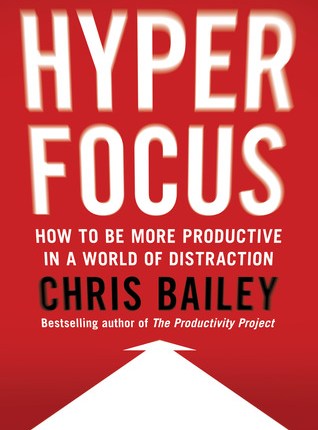
Hyperfocus: How to Be More Productive in a World of Distraction by Chris Bailey

Hyperfocus: How to Be More Productive in a World of Distraction by Chris Bailey

In Hyperfocus, author Chris Bailey describes different types of attention and gives methods to improve the quality of your attention each day.

He suggests attention is a limited resource and, as such, you should take control of when, where, and to what you give your attention to.

Photo by Pixabay on Pexels.com

Most of his advice on how to improve your focus was common sense: drink a cup of coffee, rid your environment of distractions, only check your email once an hour.

The brilliance of this book is his method of codifying attention. He compares two types of attention, hyperfocus and scatterfocus.

Hyperfocus is fairly self explanatory – you only focus on one thing and redirect your attention if it wanders.

Photo by Chevanon Photography on Pexels.com

Scatterfocus is the mode that most of us wander around in every day. But, Bailey says, you can harness this type of focus too.

Use this method of focusing when you’re trying to be creative or looking for connections between seemingly unrelated ideas. It is the focus that sometimes hits in the shower, a ah-ha moment that changes the way you view reality.

I feel like there’s no real way to control that type of focus, other than to be self aware while you’re in it. However, I found Bailey’s suggestion intriguing. Perhaps if I set aside time each day to consciously let my mind wander, I will have a different view on it.

I’m definitely game to give it a try.

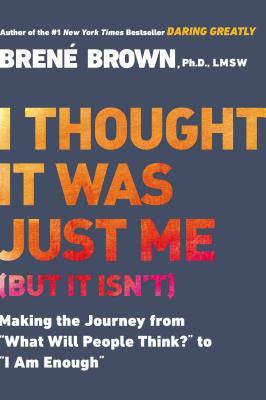
I Thought It Was Just Me (But It Isn’t): Making the Journey from “What Will People Think?” to “I Am Enough” by Brené Brown

I Thought It Was Just Me (But It Isn’t): Making the Journey from “What Will People Think?” to “I Am Enough” by Brené Brown

Researcher Brené Brown gives readers another self help title on how to handle the difficult emotion called shame.

“This book offers information, insight and specific strategies for understanding shame and building “shame resilience.” We can never become completely resistant to shame; however, we can develop the resilience we need to recognize shame, move through it constructively and grow from our experiences.” pg xiv

Photo by Kei Scampa on Pexels.com

It’s not easy to handle shame. In fact, it’s not that easy to read about it.

But Brown says the way through is sharing those uncomfortable feelings with others. One of the solutions to shame is empathy and another is self awareness.

Other attributes shared by those with high shame resilience are:

“The ability to recognize and understand their shame triggers. High levels of critical awareness about their shame web. The willingness to reach out to others. The ability to speak shame.” pg 67

Photo by Pixabay on Pexels.com

Part of her work in psychology has been to define what shame is. Brown writes everyone has different triggers based on unique childhood and adult experiences. Therefore, it is impossible to name universal shame triggers which can make it difficult to study shame.

Her studies have led her to believe the opposite of shame is self esteem, which was an interesting aspect I had never considered. Other aspects of shame include: feeling like you’re not good enough or don’t belong.

Brown has discovered another hurdle in her research- it can be difficult to speak about shame as words sometimes fail us when we experience visceral feelings.

“Sharing our shame with someone is painful, and just sitting with someone who is sharing his or her shame story with us can be equally painful.” pg 147

Photo by Tima Miroshnichenko on Pexels.com

On a more positive note, Brown writes everyone has experienced this at some point or another. She uses this universality of experience to issue a clarion call for change. To foster shame resilience, we should build networks of support and be kind to each other by showing our own vulnerability. We’re all in this together.

And I couldn’t agree more.

Recommended for anyone who has ever felt shame. That’s everybody.

Thanks for reading!

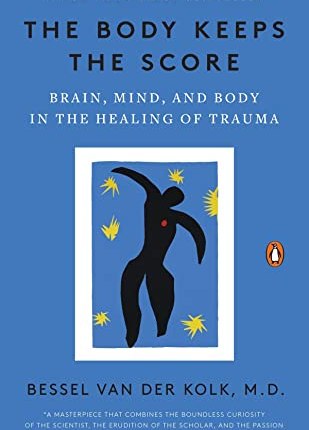
The Body Keeps the Score: Brain, Mind, and Body in the Healing of Trauma by Bessel van der Kolk

The Body Keeps the Score: Brain, Mind, and Body in the Healing of Trauma by Bessel van der Kolk

The Body Keeps the Score is a non-fiction book about how the body stores trauma and what you can do about it.

My most distressing take-away from this book was how common trauma is. Author Bessel van der Kolk discusses how people from all walks of life suffer from trauma.

Photo by Thiago Matos on Pexels.com

People suffering from these kinds of afflictions believe they’re the only ones. They try to numb the pain with drugs or alcohol and are easily triggered which brings back the pain of the traumatic events again and again.

This affects their lives, relationships and ability to trust others.

Kolk details how traumatic memories can be triggered by smells, touch and taste. He explains how powerful emotions remain behind, even after the logical mind has processed the event.

Photo by cottonbro on Pexels.com

He suggests you can’t think your way out of strong emotions.

What do we do about this?

Form a strong community around yourself with supportive relationships. Practice mindfulness and yoga- exercises that explore the mind and body connection.

Photo by Elina Fairytale on Pexels.com

Also, find a therapist who practices eye movement desensitization and reprocessing (EMDR). The author records amazing recoveries by sufferers who utilized this therapy.

Personally, I’ve practiced EMDR with a therapist and the results were astounding. I left the session feeling lighter than I have in years, having released trauma I didn’t realize I was carrying.

But, like others, I still struggle with powerful emotions stored in my body. It is a process, not a cure. And I’ve learned to take life one day at a time.

Highly recommended for readers looking for scientifically-proven ways to handle trauma.

Thanks for reading!

The Science of Storytelling by Will Storr

The Science of Storytelling by Will Storr

In The Science of Storytelling, Will Storr reminds readers our brains are hard-wired for stories and how best to utilize this in our own writing endeavors.

Through the use of various writing tools based on scientific research, Storr demonstrates how to appeal to an audience, keep them hooked and connected to the characters.

Photo by Suzy Hazelwood on Pexels.com

For example, Storr writes the use of change in storytelling grabs readers’ attention because human beings are always on the look out for it. Change can be good or bad- it’s life itself. Our brains look for change as a survival mechanism and this trait can be used to entice readers so they come back for more story.

“This is what storytellers do. They create moments of unexpected change that seize the attention of their protagonists and, by extension, their readers and viewers.” pg 13, ebook

Photo by Cameron Casey on Pexels.com

Change is also something that people try to control (they can’t but they try). This universal pattern is called, ‘the theory of control’. When readers see traits they share with characters in stories, they become invested in the outcome which keeps them reading. Or when readers see traits they don’t believe they have, but do, they’re hooked.

There’s a lot of hooking going on, which is a good thing when you’re writing a story. 🙂

“A character in fiction, like a character in life, inhabits their own unique hallucinated world in which everything they see and touch comes with its own unique personal meaning.” pg 41, ebook

Photo by Emre Can Acer on Pexels.com

Storr suggests creating complex characters and writes that the story almost creates itself with a properly drawn character. A complex character has flaws, a personality, misunderstandings with others in the story.

Also, going back to the ‘change’ theme, complex characters are generally passing through a ‘change of status’ of some kind. This ignites curiosity in the reader. It makes readers ask themselves, ‘What’s going to happen next?!’

“The place of maximum curiosity- the zone in which storytellers play- is when people think they have some idea but aren’t quite sure.” pg 18, ebook

Highly recommended for writers or anyone interested in how the brain works. If you’re looking for more writing advice, I recommend Murder Your Darlings: And Other Gentle Writing Advice from Aristotle to Zinsser or Nobody Wants to Read Your Sh*t: Why That Is And What You Can Do About It.

Thanks for reading!

The Highly Sensitive Person in Love: Understanding and Managing Relationships When the World Overwhelms You by Elaine N. Aron

The Highly Sensitive Person in Love: Understanding and Managing Relationships When the World Overwhelms You by Elaine N. Aron

Author Elaine Aron defines “highly sensitive persons” (HSPs) and gives a plethora of coping mechanisms as well as case studies to support the definition. She also includes tests so you can discover where you are in the HSP world.

“The trait was always there, of course, just called by other names. But its essential elements were not known, so it was described by external behaviors only, such as ‘shy’ or ‘introverted.'” pg 54, ebook

Photo by Michelle Leman on Pexels.com

This was only the second book I’ve read about HSPs. Prior to this, I have heard HSPs being described as having sensory processing disorders, which exist on a spectrum like most everything else in the psychology universe, or simple shyness.

“My term for it is sensory processing sensitivity, but the same trait is also called environmental sensitivity or reactivity; biological sensitivity to context; differential susceptibility or vantage sensitivity; or identified by the names of certain genetic variations or as in animals, sometimes termed behavioral plasticity or flexibility.” pg 82, ebook

Despite my lack of background in the topic, there was very little new information in this book. A big take-away was to improve your communication style and keep in touch with the people in your life who love you. So many problems can be cleared up with clear, concise communication.

Photo by Gustavo Fring on Pexels.com

Also, attempt to address any troubles you may have from a dysfunctional childhood or relationships prior to embarking on a new relationship. Healer, heal thyself.

Another coping mechanism I use regularly, but didn’t realize I did, is handling over arousal. Whenever I find myself being overwhelmed by life, I find a backroom and take a minute or two to myself. Sometimes I just breathe. If I’m not at work, I pick up a book or get a hot drink.

“Anger is a highly stimulating emotion. HSPs are strongly affected by it, even when we just witness it. pg 77, ebook

Photo by freestocks.org on Pexels.com

Aron encourages readers to find their “optimal level of arousal” since it varies from person to person. Know yourself and your limits, and tell your loved ones. Also, give yourself permission to turn off your sensitivity. It may seem silly- but that never occurred to me.

“All HSPs, men or women, are more aware of what other people are feeling, what they want and need. Thanks to your spontaneous deep processing, you also can sense what will happen if others don’t receive what they need- they may suffer, fail at what they want to do, become angry with you, feel disappointed with you. And being more sensitive, when they feel bad, you will be bothered too… pg 56, ebook

I tried to treat everyone the same and it led to some serious problems in my personal as well as professional life.

Photo by Kat Smith on Pexels.com

One of the most helpful parts of this book was Aron’s invitation to reframe my past in light of my new self knowledge. Prior to learning about HSPs, I was barely functioning in a world that didn’t necessary make room for me. Now I know I’m not alone in this- and have more tools in my metaphorical belt to help me get through the day.

I’m not entirely convinced by the final section of The Highly Sensitive Person in Love that discusses HSPs being more spiritual or falling harder in love than non-HSPs. It’s a romantic sentiment perhaps, but I was unconvinced by the evidence. I think we’re all in this love game together.

Recommended for readers who are or have a loved one who is a highly sensitive person. I’m curious to know what others in the community think about this book. If you do have a chance to pick it up, please write a review and let me know. 🙂