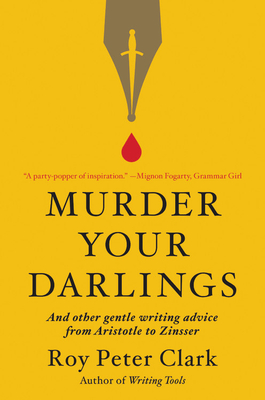
Murder Your Darlings: And Other Gentle Writing Advice from Aristotle to Zinsser by Roy Peter Clark

Murder Your Darlings: And Other Gentle Writing Advice from Aristotle to Zinsser by Roy Peter Clark

Murder Your Darlings is not just another book about writing. It shares the wisdom and creative insights of fifty or so authors, some famous, some not, and some who wrote their own books about the craft.

In his own unique manner, Roy Peter Clark distills the main lessons from each writer and presents them in curated chapters. The chapters are organized into six parts: language and craft, voice and style, confidence and identity, storytelling and character, rhetoric and audience, mission and purpose.

Photo by Andrea Piacquadio on Pexels.com

Aspiring or struggling writers can go directly to the issue she may be facing at the moment or read the whole thing to find tips and techniques that fit her emerging efforts best.

Though this may be most useful to writers who have a particular problem in mind, I believe any writer who wants to elevate their work could find something illuminating in these pages.

At the very least, Clark saves writers days of research time into locating appropriate writing resources. If you like the brief outline he gives of a writing guide, you could go invest the time to read the whole thing.
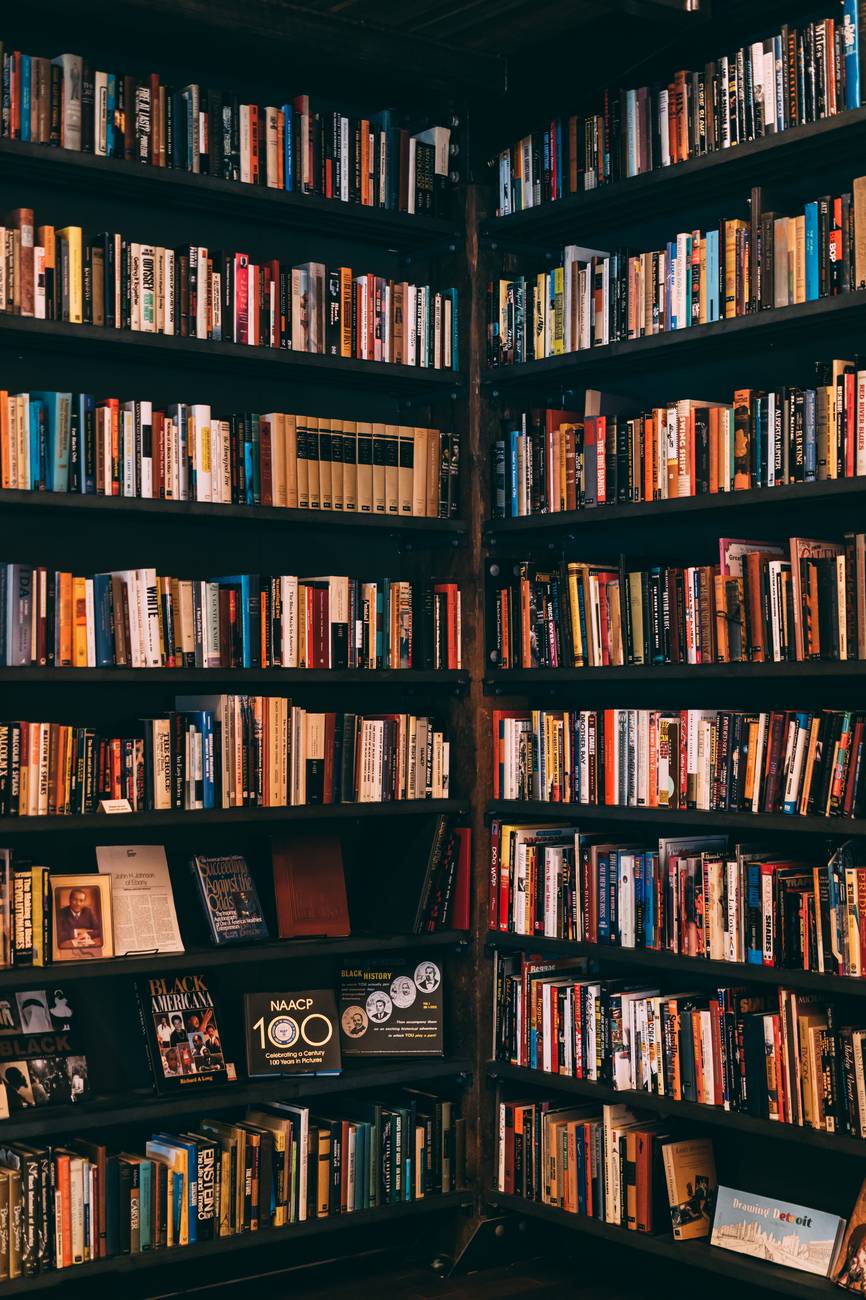
Photo by Ricardo Esquivel on Pexels.com

Highly recommended for everyone who strings words together or dreams about doing so.

Thank you to NetGalley and the publisher for a free digital copy of this book.

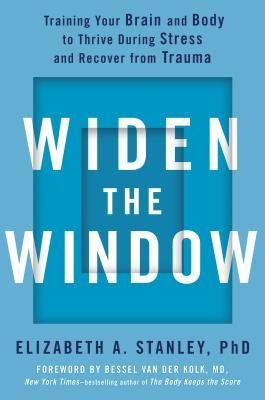
Widen the Window: Training Your Brain and Body to Thrive During Stress and Recover from Trauma by Elizabeth A. Stanley

Widen the Window: Training Your Brain and Body to Thrive During Stress and Recover from Trauma by Elizabeth A. Stanley

Managing stress and recovering from past traumas are some of the many challenges facing humanity in the modern era. Widen the Window addresses both those problems.

Elizabeth Stanley explains how individuals handle stress and trauma varies widely from person to person. It is first affected by your biology, then your unique childhood experiences making everyone’s responses different. What is incredibly stressful to one person may to a cakewalk to the next, and vise versa.

Photo by Pixabay on Pexels.com

She describes the ability to manage responses to stress as a window. Through a variety of mindfulness techniques, healthy eating, maintaining a large social network, and getting plenty of rest, Stanley guides the reader through ways to “widen the window” or increase your ability to manage stress.

I am always on the lookout for ideas on how to appropriately manage stress. If I manage my stress responses when they’re small, it prevents something more serious from building up and coming out in other, perhaps more dysfunctional, ways.

Photo by Pixabay on Pexels.com

I could see this book being useful to every reader who picks it up. Everybody has something they’re dealing with – from current work to family to friends issues or traumatic past experiences that push themselves into the present. We’re all in this together, even if your mind is telling you otherwise.

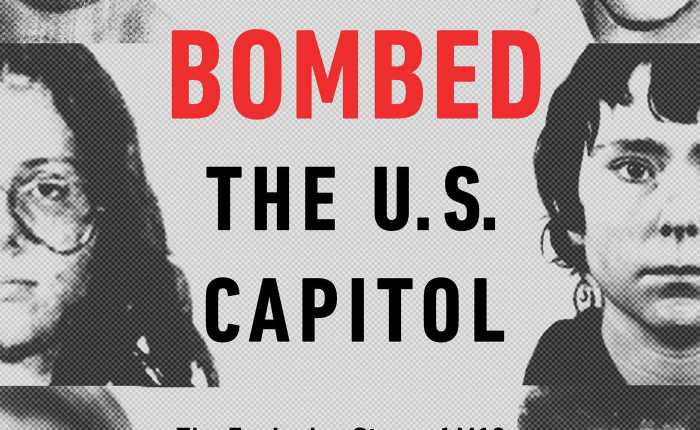
Tonight We Bombed the U.S. Capitol: The Explosive Story of M19, America’s First Female Terrorist Group by William Rosenau

Tonight We Bombed the U.S. Capitol: The Explosive Story of M19, America’s First Female Terrorist Group by William Rosenau

It is simple to pretend that people who perform shocking acts of violence are different than everyone else. It’s got to be something in their childhoods, we think, or maybe it’s a mental illness.

The most disturbing part of this book, and it admittedly has many, was that these women seemed so normal, just like you or me.

Photo by Andrea Piacquadio on Pexels.com

William Rosenau has combed through court files, newspaper articles and more to write Tonight We Bombed the U.S. Capitol, a non-fiction account of a radical leftist terrorist group. They planted multiple homemade bombs, robbed and killed people, all in the name of freeing the world from imperialism.

The majority of the group were highly educated, white women.

“They’d spent their entire adult lives embroiled in political struggles: protesting against the Vietnam War, fighting for black, Puerto Rican, and Native American liberation, and fighting against what they called U.S. ‘imperialism’ – that is, U.S. military aggression, political domination, and economic exploitation, particularly in the Third World.”

Photo by cottonbro on Pexels.com

Rosenau paints a careful picture to reveal how, step-by-step, the people involved in the group felt more and more marginalized and victimized to the point where they felt any and all actions were justified.

“Their vision of what this heaven on earth would look like was hazy, but one thing was certain: creating it would require nothing less than violent revolution. This vagueness about ultimate objectives is typical among terrorists.”

Photo by Pixabay on Pexels.com

There is so much information about a number of different people in this book that it can be overwhelming. But I think, ultimately, it is better to know what has gone on in the past because it affects the future in such a profound way.

“I discovered that during the 1970s and 1980s, the United States had waged an earlier ‘war on terror’ against violent domestic extremists, and it was during that period that the government created many of the counter-terrorism tools and approaches that continue to be used today.”

Photo by Rahul on Pexels.com

The privilege of living in a free society is that all manner of ideas can be discussed and embraced or dismissed depending upon their merits. I want equality, freedom from tyranny and opportunities for all people – no matter what you’re from, what you look like, or what your background is.

However, I won’t use violence to try and bring those ideals about. That seems to be the line in the sand for many. The people in this book didn’t have that line but they seemed to espouse higher ideals.

And what a tragedy that is. If only their brilliant minds had been directed towards methods of bringing about change that worked within society rather than against a nameless enemy, our country might have been better for all of them.

Thank you to NetGalley and the publisher for a free advance reader copy of this book. The brief quotations cited in this review may change or be omitted entirely from the final print version.

For Small Creatures Such as We: Rituals for Finding Meaning in Our Unlikely World by Sasha Sagan

For Small Creatures Such as We: Rituals for Finding Meaning in Our Unlikely World by Sasha Sagan

My parents taught me that the universe is enormous and we humans are tiny beings who get to live on an out-of-the-way planet for the blink of an eye. And they taught me that, as they once wrote, “for small creatures such as we, the vastness is bearable only through love.” pg 12, ebook.

Sasha Sagan, the daughter of celebrated scientist Carl Sagan, was raised to believe only what could be proven. Her father told her: “It’s dangerous to believe things just because you want them to be true.” pg 11, ebook.

Photo by Yuting Gao on Pexels.com

But they also instilled a sense of wonder in Sasha about existence and humanity’s place in it. For Small Creatures Such as We is an examination of religious and secular celebrations and rituals from around the world. I learned a great deal about the similarities of humanity’s need to celebrate and recognize the seasons, rites of passage, and other universal milestones in life.

I wouldn’t describe myself as religious, rather I’m very spiritual. In my opinion, Sagan’s book could appeal to even those who may describe themselves as religious. She has a welcoming voice for every kind of reader.

Photo by Dominika Greguu0161ovu00e1 on Pexels.com

“If you are devoutly religious, firstly, I’m delighted you’re reading this. Thank you. … This book is not intended to dissuade you, only to increase what there is to be joyful about.” pg 14

I think she succeeds in drawing a clear picture of what rituals mean to humanity. And that brought me so much hope for the future.

Some live lives of little meaning and less depth because there is no framework in place to support the creation of personal rituals outside of certain groups who may not share your vision of reality.

Photo by Karolina Grabowska on Pexels.com

This book could be helpful for spiritual people who want to use rituals to instill a sense of wonder into their daily existence.

It is also fascinating to learn about so many different cultures from around the world. Highly recommended.

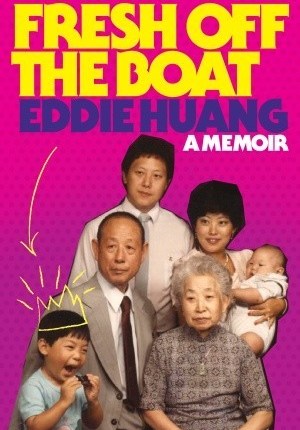
Fresh Off the Boat: A Memoir by Eddie Huang

Fresh Off the Boat: A Memoir by Eddie Huang

Fresh Off the Boat is the life story of Eddie Huang.

After learning about his various exploits, some of which were extremely dangerous, I was amazed that he’s still around to recount them.

I picked up this memoir because I’ve seen almost every episode of the network family comedy, “Fresh Off the Boat,” and wanted to read the source material behind it.

As sweet as the show is, I think it does Huang a disservice.

Photo by Prince Photos on Pexels.com

I guess because it’s on network television, writers have essentially edited Huang’s life story. In the television show, the character of Eddie loves rap music, basketball and eating, (like he did in real life) but it leaves out the more real portions of Huang’s history.

His classmates called him racial slurs on an almost daily basis. He was subjected to physical abuse from his parents. He got mixed up in drugs and selling name brand shoes. He was arrested for fighting.

Photo by king Siberia on Pexels.com

The reason why his grandmother is in a wheelchair, which is depicted on the show though the reason is never given, is because her feet were bound as a child.

All of that realness is completely missing from the television show. But it is so important to creating the man Huang is today.

Photo by Pixabay on Pexels.com

The differences between the book and the tv series aside, Huang has a fascinating voice. He’s, at turns, funny and real. He explains his more obscure slang references at the end of each chapter in footnotes.

“I think my mom is manic, but Chinese people don’t believe in psychologists. We just drink more tea when things go bad.” pg 12, ebook

The window Huang opens into his culture is an enlightening one. He’s the first generation of his family to be born in the United States, but he doesn’t ever really embrace being American. He exists in a realm in between because he is never truly accepted by his European peers.

Photo by Juan Pablo Serrano Arenas on Pexels.com

“Since kindergarten my parents had been sending me to Christian schools, where the teachers would feed me soap and made me use my right hand even though I’m a lefty, because we supposedly got a better education at parochial schools even if we weren’t actually Christians.” pg 26, ebook

In an effort to get along better with his teachers, Huang even acts as if he embraces Christianity when in reality he was just trying to survive. I felt sad that he had to pretend to be something other than who he was to make his way in the world.

Photo by Drigo Diniz on Pexels.com

“They’ll never let someone with a face like you on television.” To this day, I wake up at times, look in the mirror, and just stare, obsessed with the idea that the person I am in my head is something entirely different than what everyone else sees. pg 41

I highly recommend this memoir for readers who want to learn about another person’s life experience. Huang has penned an engrossing memoir about someone who took some unexpected turns on the way to his destiny — creating a wildly popular eatery in New York City. I enjoyed every story and learned so much.

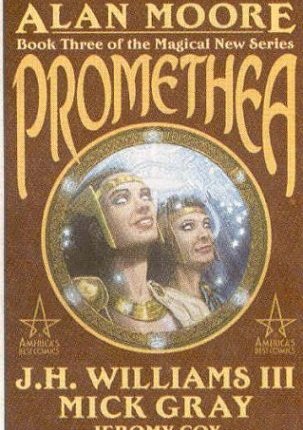
Promethea, Vol. 3 by Alan Moore

Promethea, Vol. 3 by Alan Moore

The saga of Promethea continues in Volume Three of the five book series.

Promethea, the version embodied by Sophie Bangs, has embarked on an adventure through the myriad worlds of the Tree of Life. She seeks another of the avatars of Promethea who recently died. Together, they hope to find the deceased woman’s husband and learn about the occult on the way.

Photo by Stacey Gabrielle Koenitz Rozells on Pexels.com

Meanwhile, back in the real world, Sophie has left someone unexpected in charge of keeping the baddies at bay while she’s away. Is Stace up to the task?

The artwork of the series continues to impress with its beauty and ingenuity. I especially enjoyed the mobius strip path of the world of Hod.

Alan Moore’s writing is at its best when he’s waxing on about the complexity of the universe and delivering punchy one-liners ending those conversations.

Photo by Pixabay on Pexels.com

However, he takes the characters through so many different places so quickly that the adventures themselves end up feeling rather stilted. I think I may have enjoyed this entry more if he had spent a little more time exploring the worlds rather than simply explaining them.

I get that Promethea has places to be. But she could have savored the journey along the way.

Recommended for graphic novel readers who enjoy a mix of fantasy and occult in their stories. Thanks for reading!

Here are links to the other two reviews I’ve written for this series:

Book One

Book Two

How Not to Die: Discover the Foods Scientifically Proven to Prevent and Reverse Disease by Michael Greger

How Not to Die: Discover the Foods Scientifically Proven to Prevent and Reverse Disease by Michael Greger

I think everybody is aware that your diet has an enormous impact on your health. This book is another reminder that this is true.

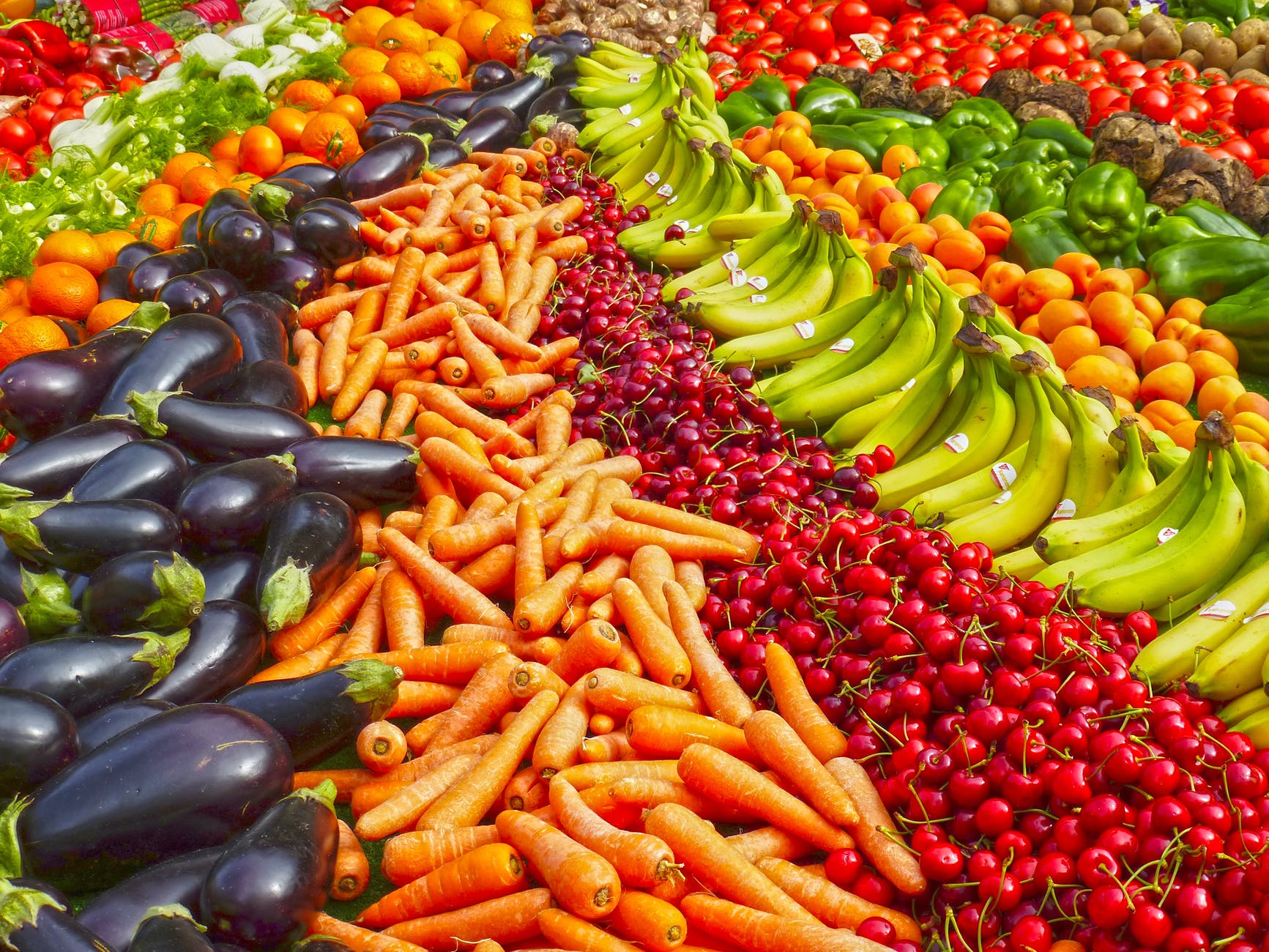
Photo by Trang Doan on Pexels.com

Though everyone will one day die, Michael Greger gives some tips to help you live as long and as healthily as possible.

I’m not going to debate the merits of different diets which seem to change as quickly as fads. I think everybody should try to incorporate healthy habits that are right for them as they are able.

How Not to Die is packed with ideas on that front.

Photo by Pixabay on Pexels.com

I think the most interesting part of this book are the effects that various foods have on the body. But you don’t have to take Greger’s word for it, experiment and see what works for you.

Happy eating 🙂

Promethea, Vol. 2 by Alan Moore

Promethea, Vol. 2 by Alan Moore

Promethea, Volume 2 was an incredibly disappointing follow-up to a promising comic series.

The reader continues to follow the efforts of Sophie, a student who has learned to channel the spirit of a being of enlightenment named Promethea, while battling demons and other nebulous, bad guys.

Photo by Francesco Ungaro on Pexels.com

We have yet to learn more about the villains of the story, except in brief asides, or Sophie’s allies, some sort of technological heroes.

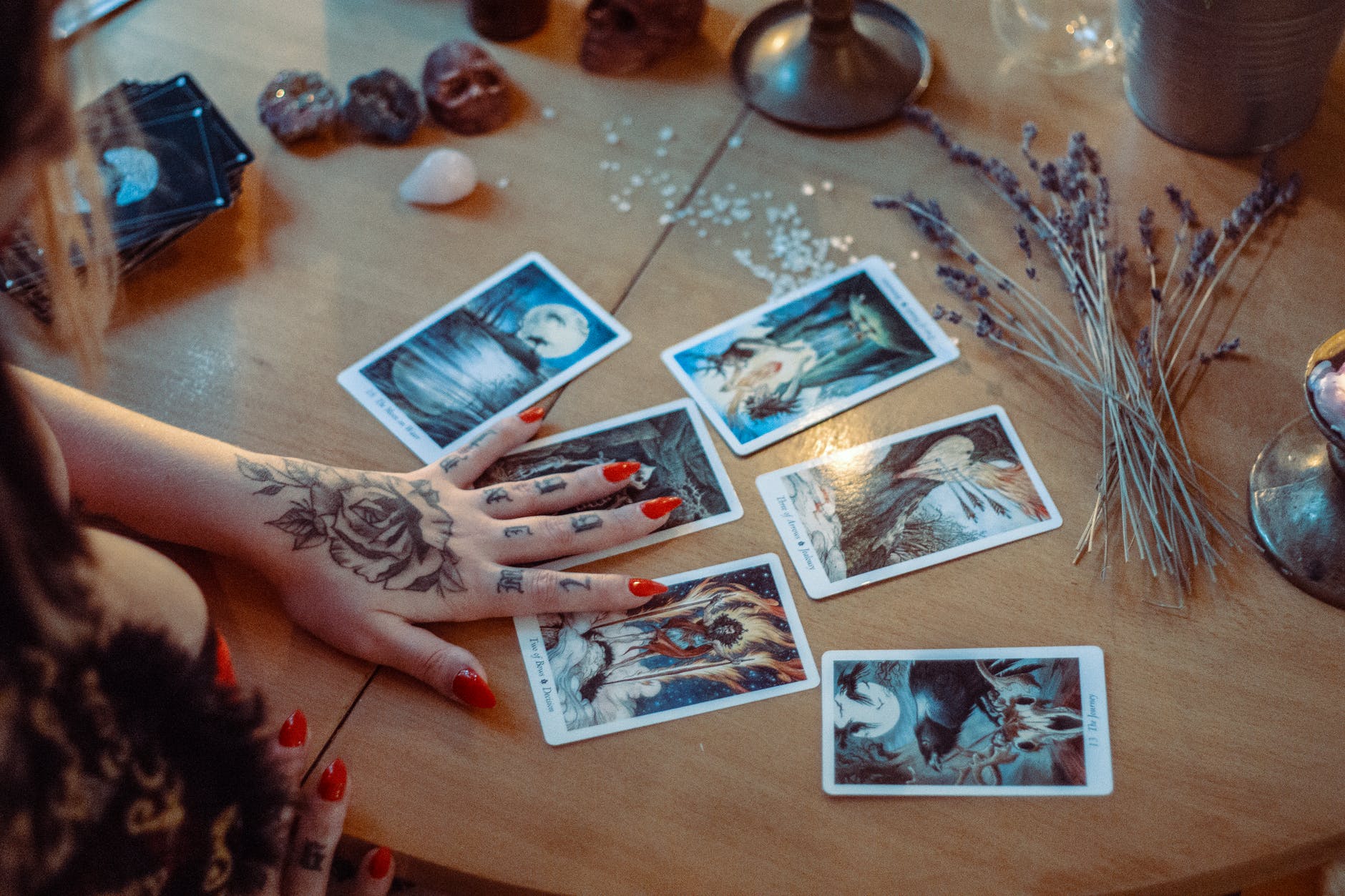
This entry is bogged down with a lengthy metaphysical poem about the progression of tarot cards and an unexpected tantric sex primer.

Photo by Alina Vilchenko on Pexels.com

My quibbles with the tarot card piece is it is far too simplistic but also too long. Each card can be interpreted a number of different ways, and not just applied to principles of civilization. It is also a metaphor for the soul’s journey, which Alan Moore touches on, but, I feel, never truly explains.

Also, by presenting the whole thing through rhyme, I couldn’t help but draw comparisons to Dr. Seuss. I get what Moore was going for, but it didn’t work for me.

Meanwhile, I couldn’t help but wonder if the lead character in this story was a guy if we would have been subjected to the tantric stuff at all.

Photo by Roy Reyna on Pexels.com

I believe the earthly can be spiritual and the spiritual can be earthly. I think “kundalini rising” is just the lightning flash of inspiration in reverse. But a male hero being pressured into trading his body for secret knowledge? I don’t see it happening.

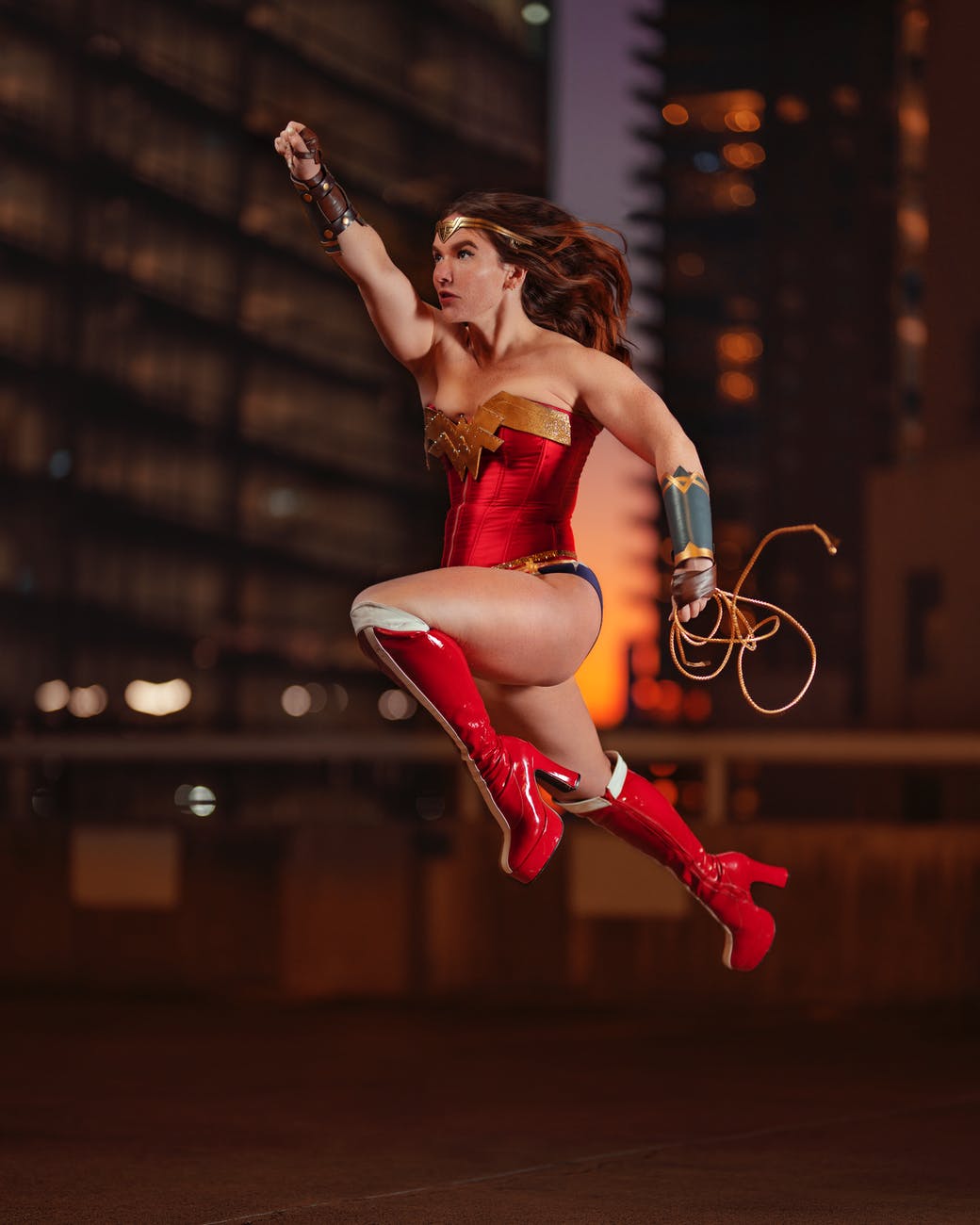
I liked the first entry of Promethea. I thought it was ground-breaking in the way it depicted a strong female character on a spiritual journey.

This second book simply isn’t of the same quality. Perhaps the series will redeem itself in the next entry. One can only hope.

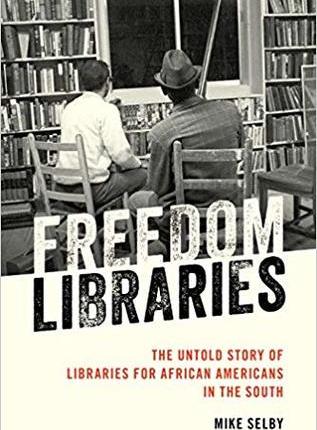
Freedom Libraries: The Untold Story of Libraries for African Americans in the South by Mike Selby

Freedom Libraries: The Untold Story of Libraries for African Americans in the South by Mike Selby

In Freedom Libraries, Mike Selby remembers and honors the volunteers and patrons of the numerous libraries set up to serve black populations mainly in the southern states during the civil rights era and later.

During that period of history, the institutionalized racism of many southern towns extended to library services. Books and learning programs were specifically curated at whites-only libraries in order to propagate the disgusting ideology of white supremacy in addition to keeping the black population illiterate and subjugated.

Photo by marco allasio on Pexels.com

“Pattie Mae McDonald operated a “Freedom Library” out of two rooms of her modest home. This was enough to earn her and her family terror and attempted murder.”

The volunteers and anyone who was brave enough to visit the freedom libraries, set up in private homes and wherever a semi-safe space could be found, were subject to shootings, harassment and arrest by local authorities, and even fire bombings. Some gave not only of their time but also their lives to keep the freedom libraries going. It is a frightening and dark moment in library history that, I feel, has been largely forgotten, until now.

“The right to vote would be everything for African Americans. The right to read would be something else entirely. Voting would make them citizens; libraries would make them free.”

Photo by Oladimeji Ajegbile on Pexels.com

In addition to remembering the bravery and sacrifice of those involved with the freedom libraries, this book illustrates some of the particular problems of librarianship that came along with the creation of the libraries.

Sadly, the American Library Association did little, if anything, to assist in the creation of freedom libraries, even though their written policies were against segregation. Very few of the volunteers who ran the organizations knew anything about cataloging and maintaining library collections. There was no money for curating books or creating community programs. Yet, somehow, the freedom libraries persevered in both expanding their collections and offering a wide variety of enriching and educational programming in the midst of life-threatening situations.

This perseverance may have had something to do with the uniquely fluid characteristics of libraries themselves.

As Selby points out, after the firebombing of the McComb Freedom House: “With the building still smoldering, the after-school youth just waited on the ground outside. The children somehow knew what many adults in the twenty first century have difficulty grasping: the fact that a library is a service, not a collection. A library exists for the librarians and patrons, not the other way around.”

Photo by Pixabay on Pexels.com

Highly recommended for readers who like to remember forgotten moments in history and for anyone who knows, or would like to learn more about, the power and life-changing reality of public libraries.

Thank you to NetGalley and the publisher for a free digital copy of this book. And thank you for reading.