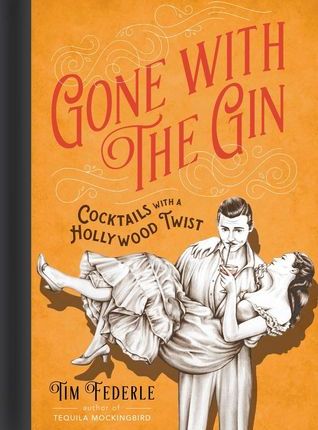
Gone with the Gin: Cocktails with a Hollywood Twist by Tim Federle

Gone with the Gin: Cocktails with a Hollywood Twist by Tim Federle

“Gone with the Gin” is an effervescent drink guide that pairs cleverly named potables with classic films. It’s a winner!

Last year (or was it the year before), I named Tequila Mockingbird: Cocktails with a Literary Twist, also by Tim Federle, as one of my favorite reads in my annual book review. It’s similar to Gone with the Gin, except that Tequila Mockingbird uses classic literary works instead of film.

Federle has a way with puns and summarizing complex plots in three sentences or less without devolving into the unbearably cheesy. My favorites from Gone with the Gininclude the “Ben-Hurricane” and “The Empire likes Jack”.

Photo by Anthony Shkraba on Pexels.com

And, like Tequila Mockingbird, I think I’m going to have to purchase a copy of this book to keep at the house. Like the majority of my reading material, I borrowed it from the library. But it’s going to be a sad day when I have to give it back…

Lest you think that Federle is a one-note author, please take a moment to consider another of his books: Life Is Like a Musical: How to Live, Love, and Lead Like a Star. It gives some hard-won lessons from Federle’s days dancing and singing his way across the stage. I enjoyed it too.

I think it’s fair to say that I highly recommend most anything Federle has written, so far. Keep ’em coming, Tim!

And thanks for reading!

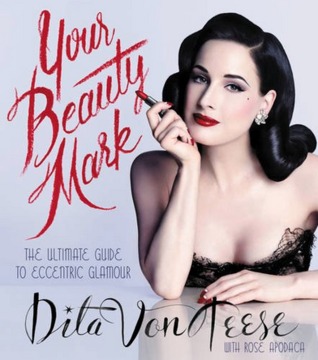
Your Beauty Mark: The Ultimate Guide to Eccentric Glamour by Dita Von Teese

Your Beauty Mark: The Ultimate Guide to Eccentric Glamour by Dita Von Teese

In life, there are fundamental skills a gal must master: Walk in heels. Poach an egg. Pen a thank you note. And, most absolutely, without a doubt, create a cat eye. pg 172

Your Beauty Mark by Dita Von Teese is the most inclusive guide to beauty I’ve ever had the chance to peruse. From make-up to perfume to grooming, she leaves no stone unturned in her quest for glamour.

Photo by Saeeed Karimi on Pexels.com

And she’s not afraid to share some secrets. If you read this book, you’ll have the rare privilege of viewing Ms. Von Teese sans her glamour. (Well, and clothes, as she includes some burlesque photos.) She tells about one Halloween when she dressed up as “the girl next door” and no one recognized her because her appearance has literally become her identity.

She also has separate entries by many of her cutting-edge fashion and beauty friends, sharing their lives, struggles and unique brands of beauty. In a world that sometimes tries to push everyone into cookie cutter molds of both appearance and behavior, it is a breath of fresh air. The history of beauty is sprinkled throughout and we learn about the origins of lipstick, heels and more.

Photo by Godisable Jacob on Pexels.com

This was a book I had to enjoy slowly, otherwise it had moments where I felt overwhelmed by the level of dedication Ms. Von Teese brings to her art, which is, beauty. She eats a certain way, walks a certain way, arranges her hair just so…

I enjoy dressing up, occasionally, as much as the next person, but I don’t think I’ll ever give up the level of comfort I’ve come to enjoy in my footwear. Or dedicate as much time to adorning my body as Ms. Von Teese does. But that being said, it’s fun to dream.

Everyone, male and female, will probably find something to enjoy in this book. They say beauty is in the eye of the beholder and Ms. Von Teese makes herself so easy to love.

Thanks for reading!

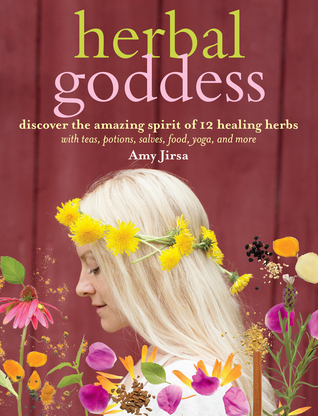
The Herbal Goddess Guide: Create Radiant Well-Being Every Day with Herb-Inspired Teas, Potions, Salves, Food, Yoga, and More by Amy Jirsa

The Herbal Goddess Guide: Create Radiant Well-Being Every Day with Herb-Inspired Teas, Potions, Salves, Food, Yoga, and More by Amy Jirsa

The Herbal Goddess Guide is a beautiful little reference book in which 12 different herbs are examined for physical, mental and spiritual healing purposes.

Amy Jirsa provides recipes, yoga poses, crafts and more to utilize the healing power of the plants in various ways.

Photo by Tim Douglas on Pexels.com

This book may not be for everyone as it has a very new age feel. Jirsa discusses magical traditions, honoring a plant’s spirit and more.

However, if you’re into tapping your inner goddess, this may be the perfect book for you.

If you read it and you enjoy it, you may want to purchase The Herbal Goddess Guide for your personal collection because Jirsa suggests “getting to know” each plant for a month and there is a chapter devoted to each.

It could take you awhile to thoroughly digest the information in these pages. (And to try everything!)

My favorite chapter, probably because it is my favorite herb, is lavender. Did you know it is a member of the mint family?

Photo by Palo Cech on Pexels.com

While lavender is known for being relaxing, it can, in some cases, be stimulating, so be sure to check in with your mind, your mood, and your energy level after each recipe.” pg 131.

Some of the yoga poses Jirsa outlines are rather advanced, but she offers modifications for each. If your flexibility isn’t up to snuff, no worries.

Highly recommended for the open-minded reader and non-traditional healers.

For similar, new age/self help books I’ve reviewed, check out:

How to Be Happy, Dammit: A Cynic’s Guide to Spiritual Happiness by Karen Salmansohn

The Four Agreements: A Practical Guide to Personal Freedom by Miguel Ruiz

Trance Dancing with the Jinn by Yasmin Henkesh

And thanks for reading!

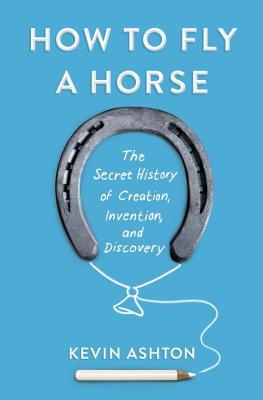
How to Fly a Horse: The Secret History of Creation, Invention, and Discovery by Kevin Ashton

How to Fly a Horse: The Secret History of Creation, Invention, and Discovery by Kevin Ashton

How to Fly a Horse takes many of the myths that I believed about creativity or the creative process and methodically takes them apart. Any perceived blocks are revealed for the fallacies that they are.

It is one of those great non-fiction books that educates the reader while simultaneously encouraging her to improve herself.

From the creation of a South Park episode to Coca-Cola, Kevin Ashton covers all sorts of ways the average person can, does, and should contribute to mankind through her own, innate creativity.

My biggest take-aways from this are Ashton’s descriptions and appropriateness of creativity (or lack of) within organizations. He writes about humanity’s need for the new while simultaneously pushing against it.

Here’s a quote about organizations that could be applied to any work place: “Organizations are made of rituals- millions of small, moments-long transactions between individuals within groups- and it is these rituals that determine how much an organization creates.” pg 225

Photo by Marc Mueller on Pexels.com

Be aware of these rituals and harness them to be more creative.

And, on humanity’s propensity to reject innovation, Ashton explains this is not unusual but is actually the normal response to expect when introducing new ideas into your work environment.

Don’t be discouraged; be prepared. Create anyway.

Photo by Pixabay on Pexels.com

I liked that he encouraged creation while also illuminating the many pitfalls, both internal and external, that one may encounter along the creative path.

Folks who enjoy How to Fly a Horse may also like Leonardo’s Brain: Understanding da Vinci’s Creative Genius or any of Malcolm Gladwell’s books. If you’re looking for another book about how to be more productive or creative in the workplace, I suggest Linchpin: Are You Indispensable?.

I received a free copy of this book through Goodreads First Reads. FTC guidelines: check!

Thanks for reading.

It Was Me All Along by Andie Mitchell

It Was Me All Along by Andie Mitchell
itwasme

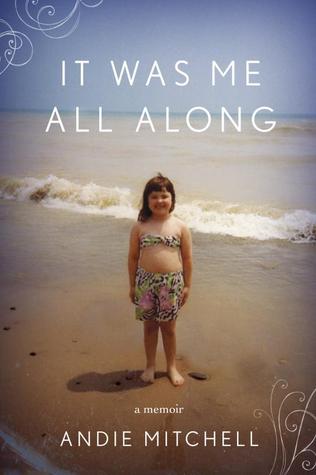
Andie Mitchell used food to entertain and provide comfort for herself during a childhood with an artistic but alcoholic father and absent (because she was working three or four jobs) mother. This is her journey through the rocky early years and realization that if she didn’t lose the weight, she was going to suffering serious health problems for the rest of her life.

“What begins as hating the cake for all its multiple layers of luscious temptation spirals quickly into hating myself and all my fat cells. I let myself down. I lament not having more control. pg 15, ebook.

Andie’s overeating starts during her childhood. Her mother went to work on the weekends and her father drank all night and slept most of the morning, leaving Andie to her own devices, which were mainly sugared cereal and cartoons.

Photo by Tijana Drndarski on Pexels.com

I’d pull the box down and go about fetching a bow, a soup spoon, and the whole-milk carton from the fridge. I’d fill the bowl- cereal bobbing in milk to the rim- and make my way to the parlor. There I’d turn on the television and begin what would be hours of watching my favorite cartoons. One cereal bowl would empty without my noticing, and I’d replace it.” pg 27-28, ebook.

So, the loneliness was one of the reasons why she ate. The other was her father was emotionally abusive. She witnessed terrible scenes of him screaming at her mother and brother (Anthony). Andie internalized it and ate away her feelings.

If (my mother) fought back, (my father) roared louder. Or he’d throw something she loved across the room. But those were not the times my chubby body trembled. Those weren’t the times when my spirit split like the walls of our house. No, it was only when Anthony entered the room, when I heard his small voice try desperately to make itself bigger and less boyish, that the pit of my stomach twisted so violently, I couldn’t tell if I was hungry or about to be sick.” pg 36, ebook.

Photo by Engin Akyurt on Pexels.com

Andie’s mother loves her unconditionally, even when the doctor tells Andie that she needs to lose weight or things are going to get really bad for her. But, when Andie goes away to college, and her mother sees her again for the first time, she can’t hide her surprise at how large her daughter has become. And it is really painful for Andie.

“Until that day, that moment when I felt like a stranger in her eyes, she had been my sole source of comfort. She was the one who loved me unconditionally, who saw me as beautiful regardless. In the past when she noticed my weight, her worry seemed entirely empathetic, a way of loving me in my struggle. Now, it seemed grave.” pg 99, ebook.

Anyone who has struggled with their weight will find something to empathize with in Andie’s book. She wants to be fit, but she doesn’t know how to either eat or exercise in moderation.

Her journey may teach, encourage and cheer others on their way to a smaller size. Andie has been there and knows the daily struggles.

Thanks for reading!

Remodelista: The Organized Home by Julie Carlson

Remodelista: The Organized Home by Julie Carlson
remodelista

Remodelista is another de-cluttering book. This one encourages readers to utilize storage containers made out of natural materials, to hang items in unexpected places and to make your space functional and beautiful.

Maybe I’ve reached my limit on these types of books. For example, I loved The Life Changing Magic of Tidying Up, but that was one of the first books of this kind that I read.

I know not everyone responds well to Marie Kondo’s philosophy of considering the spirit of your stuff, but that clicked with me, for whatever reason. Must be a hippie thing.

I thought this one was a bit ridiculous. It just wouldn’t work for me in my real life with my crazy pets, busy family and serious amounts of stuff.

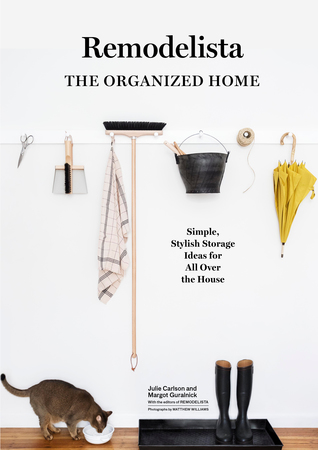
My main problem with this one is illustrated quite clearly on the cover. We’ve got two brooms, a towel, an umbrella, some string and a large bucket hung right over a cat drinking from a water bowl.

I can think of a hundred reasons why that wouldn’t work for me, but let’s start with three:

First of all, the kitties would think I was trying to kill them- hanging menacing items over the watering hole. And, let’s be honest, with my poor hanging-things-up skill, it just might.

Photo by Pixabay on Pexels.com

Second, putting string high up but visible is inviting a kitty disaster. They would hunt the heck out of that string, probably using the umbrella as a climbing wall to get to it, destroying my artfully arranged buckets and mops in the process.

Third, where would I put the rest of my family’s entryway stuff? We’ve got a lot more than that in just umbrellas, not even counting the brooms, swiffer mops, you-name-it.

The result: easy-to-maintain spaces that are both orderly and artful, personal and purposeful. Because, ultimately, the goal isn’t a flawless, impossible-to-maintain showcase. The aim is an unencumbered life in a house that makes you happy.” pg 9.

All of the rooms and cabinets in this book had like three things in them. It’s just not realistic.

Photo by Anastasia Shuraeva on Pexels.com

That being said, I did like the “Daily Rituals” on pg 18. The authors included “seven simple habits” to adopt every day to make your life easier. They include activities like making your bed and opening the mail.

I can handle that.

I also liked the ‘Herb and Spice Drawer’ suggestion on page 70. My spices are a jumble of bottles and sizes and it’s nearly impossible to find anything quickly.

Photo by monicore on Pexels.com

The authors suggest storing herbs and spices in: “Uniform glass jars- we like small paint jars from the art supply store.”Then, label the tops. It’s a simple solution but one that never occurred to me.

Only recommended for people who have calm cats and very few items. Other than the suggestions mentioned, I can’t see myself using very many of the tips from Remodelista.

Thanks for reading!

Seed Libraries: And Other Means of Keeping Seeds in the Hands of the People by Cindy Conner

Seed Libraries: And Other Means of Keeping Seeds in the Hands of the People by Cindy Conner
seed libraries

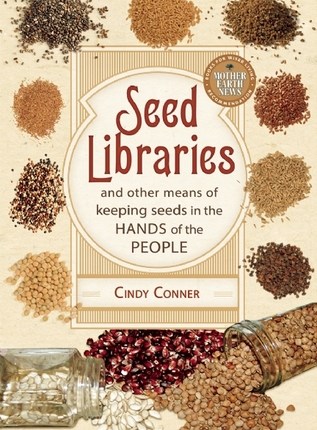
Seed Libraries gives readers the tools and know-how to set up their own seed distributing communities. The community could be through a public library, informal seed swap, or other location.

Cindy goes into enough detail about the specifics so that first timers or inexperienced gardeners can get an overview of what will be required, but not so much information so that the reader feels overwhelmed.

Even though I knew a bit about seed because I have an uncle who has owned his own seed company since the early 80’s, I found this book useful and informative.

Through his experience, I learned how seed producing mega-companies introduced hybrids into the supply that will only grow one season. This hurt the smaller, local seed companies (like my uncle’s) that processed seed for the farmers who grew it and then used it to plant the next crop.

He was forced to expand his company away from seed processing, which was once a major part of his enterprise, in order to stay in business.

Photo by Viktor Smith on Pexels.com

The farmers, who only purchased seed every couple of years and grew out their own plants to save money, were forced to buy seed every year. It was a huge shift in how planting and seeds were handled.

It also changed who controlled the food supply.

If there is a way that I can help get seed back into the hands of local people, I’m all for it.

The afterword to this book discusses a legal challenge presented by the state of Pennsylvania to a public library that wanted to start a seed library there. I was wondering what Illinois has to say about seed libraries.

Maybe I should look into it.

I’m very excited about the possibilities that Seed Libraries and Other Means of Keeping Seeds in the Hands of the People has sown in my mind. If you’re interested in starting one of these in your town, this text is definitely required reading.

I received a free copy of this book through Goodreads First Reads. FTC guidelines: check!

Thanks for reading.

Confections of a Closet Master Baker: One Woman’s Sweet Journey from Unhappy Hollywood Executive to Contented Country Baker by Gesine Bullock-Prado

Confections of a Closet Master Baker: One Woman’s Sweet Journey from Unhappy Hollywood Executive to Contented Country Baker by Gesine Bullock-Prado
confections

Confections of a Closet Master Baker can be an abrasive, no-holds-barred memoir about the dark and impersonal underbelly of Hollywood, at times. At others, it is a poignant reminiscence and heartfelt cookbook by a woman who still mourns her mother.

I wouldn’t call it “hilarious.” This memoir is sarcastic and unapologetic about it.

“As a matter of fact, I have only two truisms that I apply to humanity. Never trust anyone who drives an Astro van. And never trust anyone who doesn’t drink beer or coffee unless they have a doctor’s note.” pg 17, ebook.

All the same, I felt privileged to be allowed a glimpse into the highly-introverted life of a woman who described herself as so socially adverse that she believes she’s “pathologically shy with severe misanthropic tendencies.” pg 24, ebook.

I saw the title of this ebook and checked it out of the online library without noticing the name of the author. She kept mentioning, “my famous sister” and “Sandy.” I thought, did Sandy Duncan have a sister? and then felt like an idiot when I enlarged the cover and saw the hyphenated last name. Duh, Heidi.

“Each year, I wrestled with the knowledge that no matter how well I did my job, no one looked at me as anything but “her sister” with nothing to offer but a fancy job title born of nepotism and access to a movie star.” pg 100, ebook.

Photo by Lisa Fotios on Pexels.com

Gesine carries some serious angst about her Hollywood experience. She needed a life change, so she moved to Vermont and opened a bakery.

“No road rage, no cell phones, no fake tits or tans, no prestige handbags, no billboards, no stoplights, no braking, no traffic, no nothing. Welcome to Vermont. Just heaven.” pg 13, ebook.

Serious bakers may find a lot to love as Gesine includes many of her customer favorite recipes after each chapter.

Personally, I loved learning about what it’s like to have an A-list sibling. Gesine’s story about baking Sandra’s wedding cake was my favorite.

Photo by Brent Keane on Pexels.com

She also includes personal details about her childhood and relationship with her mother. “I saw the devil at age three and he gave me chocolate. It changed my life forever.” pg 5, ebook.

A large part of the complicated relationship Gesine had with her mother was about food. Her mother was a German opera singer and a strict vegan. She adhered to a restrictive diet and ate foods that Gesine thought were disgusting.

Sadly, she died of colon cancer. Gesine is still devastated by that. Her mother did everything she could to exercise and eat right, and it didn’t seem to matter.

Gesine seemed to swing the other direction and celebrate sugar, butter and all manner of naughty baked goods. Part of that is because she was raised on such a strict diet as a child. The other part is, baking is what she loves to do and how she shows love to others.

Confections of a Closet Master Baker is not for the faint of heart. Don’t read it if you’re easily offended because she doesn’t hold back. I think Gesine would approve of this sentiment: if you can’t stand the heat, then get out of the kitchen.

Thanks for reading!

The Power of Charm: How to Win Anyone Over in Any Situation by Brian Tracy and Ron Arden

The Power of Charm: How to Win Anyone Over in Any Situation by Brian Tracy and Ron Arden

The Power of Charm is a book written for business professionals, who want to give themselves a bit of a leg up, by increasing their charm potential.

I found the book to be interesting, but it also flirts with the line between charming and manipulating. I suppose we could ask ourselves if, at the end of the day, there is any difference between the two.

Personally, I think there is.

Photo by Kat Smith on Pexels.com

In my mind, charm is unrehearsed, natural and springs from a genuine interest in others. Manipulation is ego-driven scheming. But, both can get you what you want.

I’m torn as to how this book actually fell on that scale. Some of the exercises feel like charm practices- others, like manipulation strategies.

Essentially, Brian Tracy and Ron Arden give listening and speaking tips to better understand whoever it is you’re interacting with. There’s nothing all that manipulative about polishing your communication skills.

On the other hand, in the chapter entitled: “Do Your Homework” in which the authors say, “Anytime you are getting together with someone, socially or professionally, whom you particularly want to impress, do your homework. Learn what you can about that person before you actually meet. It’s the best way to be charming and interesting to others.” pg 107. It didn’t sit so well with me.

Photo by Eduardo Dutra on Pexels.com

Here’s why- Tracy gives the following story as an example: “I learned of a successful business owner with a crack sales team who was discontented with the company he was representing. … In asking around, I discovered that he was heavily into numerology and made all his decisions based on the numbers of the birth dates of potential business partners… One of his first questions of me was my birthday. I was prepared. I told him that it was a certain day, month, and year that added up to a ‘lucky number’ for business relationships. … The preparation was the key.” pg 108.

That smacks to me of manipulation rather than charm. What do you think?

On the other hand, I seriously appreciated the tips on how to become a better conversationalist. I’ve got some work to do there.

Generally, I let my fast-talking husband take the lead in social conversations because he always has something to say. I see now how that may be a disservice to others who may want to get to know me better.

“The Secret of Charm: The deepest craving of human nature is the need to feel valued and valuable. The secret of charm is therefore simple: make others feel important.” pg 12.

It is as simple and powerful as that. I’d also recommend being kind. The world could use more charm and kindness.

Recommended for readers who understand the difference between charm and manipulation. I’m not sure that includes me, but I’ve already read it so… sorry.

And thanks for reading!