“Making It” is a collection of recipes and how-tos to create items from toothpaste to garden beds and everything in-between.
The dedication says it all: “To anyone who is in their kitchen, garden, or garage right now, making it.”
I picked this book up because I was curious about the processes listed in it. How does one forage? Or create drip irrigation for vegetables? Or create a variety salves? The topics go on and on in this book.
The recipes and instructions are divided by time – how long it will take you to complete the various projects.
I could see it being incredibly useful for homesteaders both experienced and not.
As for me, I’m not in a place right now where I can do much of this. But, I’m hopeful I will be in that place some day in the future.
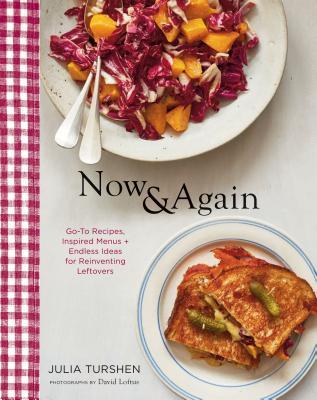
Now & Again is a cookbook that utilizes leftovers from the dishes within its pages to create new and exciting meals using the same ingredients in different ways.
I thought the premise was a good one. People who find themselves cooking meals for one or for a large family may have trouble with wasting perfectly good food. Not because the meal isn’t tasty, but because it is tricky to get the proportions correct during the preparation.
I liked the pork chop recipe from Now & Again. By following the written instructions, the meat was juicy when I ate it, which is a fair indicator of the skill of the chef who authored the book. At least, that’s what I believe.
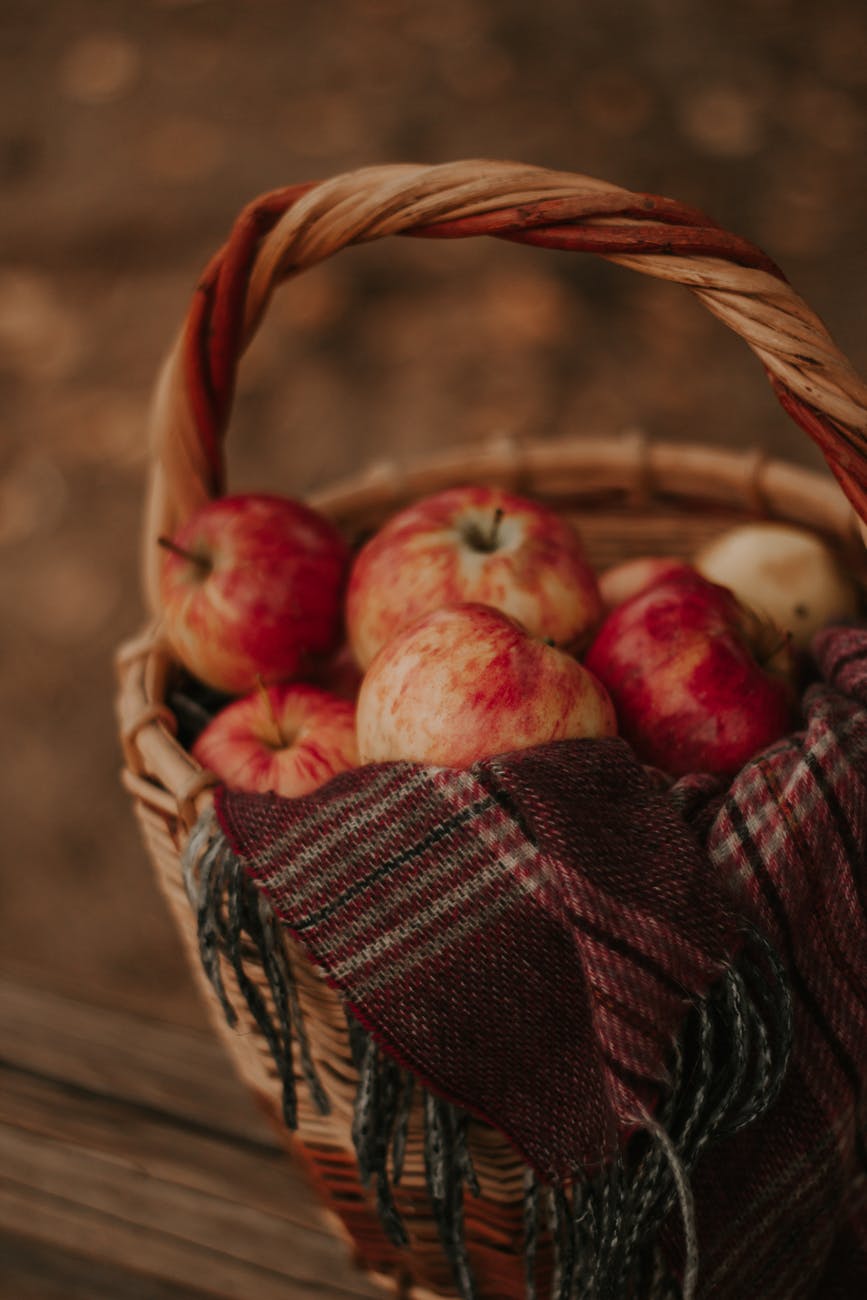
However, the apple cake I attempted from this book was probably one of the worst things I’ve ever baked. The author said the cake should have the texture of banana bread. That was not the case for me.
To borrow a term from The Great British Baking Show, the cake was stodgy. The texture was all wrong. And it seemed to stick going down my throat. I took one bite and threw the rest away.
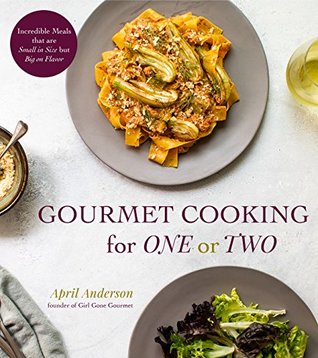
April Anderson, founder of Girl Gone Gourmet, has compiled a beautiful book of smaller portioned “gourmet” recipes. Photos of each dish are found opposite the instructions.
It is a pleasure to turn the pages and an even bigger one to utilize the recipes found within.
It is a truth universally acknowledged, that a person in possession of excellent cooking skills, must be in want of people to eat their food.
All joking aside, I love to cook. I find it profoundly relaxing to turn on some music and start chopping vegetables or heating the oven.
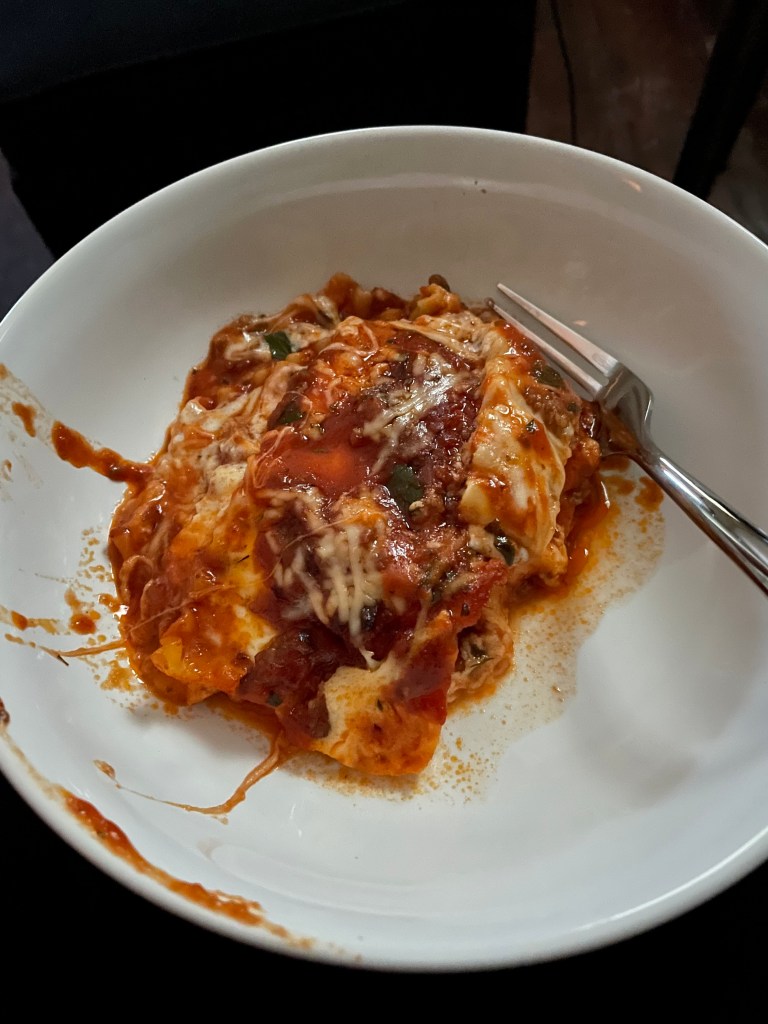
Here’s my two slice sun-dried tomato and sausage lasagna from page 31!
There’s a definite rhythm to cooking- like an ancient domestic hymn. Humanity must eat. Some of us have the good fortune and privilege of eating well.
However, when you’re by yourself, it can be difficult to control the portions. Most recipes assume at least two or more people are going to eat the food. It can be problematic and wasteful.
For example, I’ve made dishes and given three-quarters of it away to family, and still have three or four meals left for myself.
Anderson has scaled back her recipes in order to amply feed one, or so she writes. She reminds readers to have fun!
“Last but not least, I want you to enjoy yourself, because I believe time spent in the kitchen cooking for yourself is time well spent.” pg 10
My pork chops were yummy!
I tried a couple dishes in here (sun-dried tomato and sausage lasagna pg 31 and pork chops with savory apple bacon hash pg 123). They were tasty, but I still had way too much food for just me.
The moderate kitchen skills are required to make these dishes. You’re putting together sauces and browning meat, seasoning and slicing.
I took my time with it and didn’t have any difficulties. Beginner chefs might be a little overwhelmed, but if you take your time, you can do it.
Recommended for foodies who can find their way around the kitchen and aren’t afraid to try recipes that might be challenging. Make sure you have some containers on hand because you will probably still have leftovers.
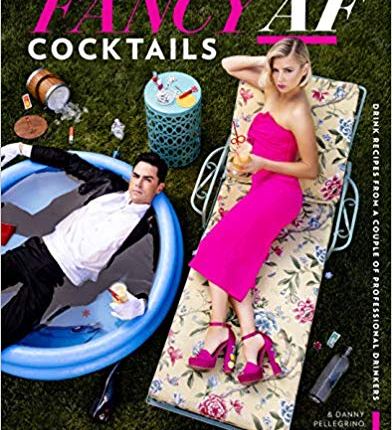
I’m not a reality tv watcher. I have no idea what show these two are from, but I’m not going to let that keep me from giving credit where credit is due.
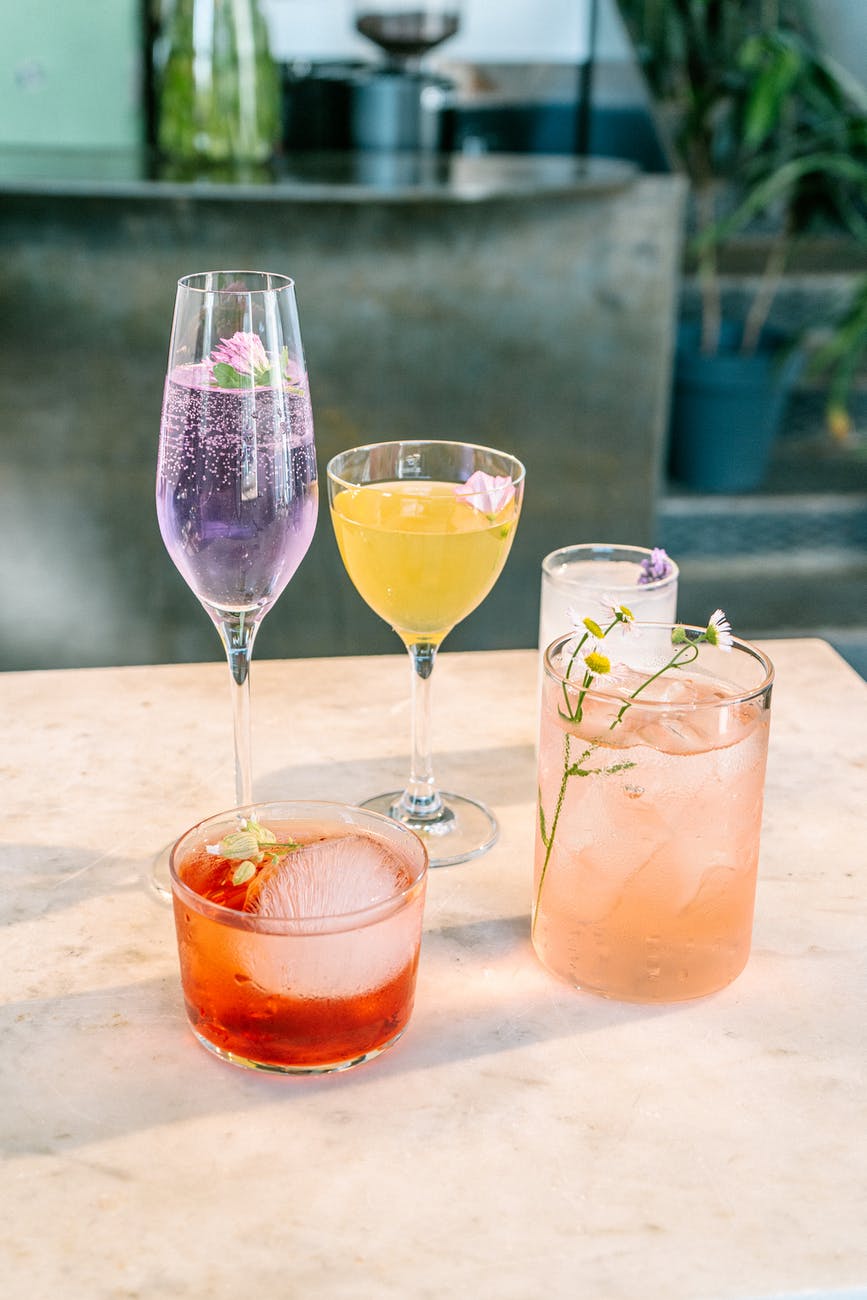
These folks know how to make a seriously fancy cocktail.
The sections of this book of drink recipes are divided into “classy,” “trashy,” “shots,” and “recovery,” which aren’t all that useful when it comes to drink classifications, but plays right into their reality show vibe.
The index at the back of the book that divides each cocktail by the spirit used in it is far more helpful and appealed to the librarian in me.
Brief autobiographical stories and recollections from the authors are included on nearly every page.
I imagine readers who have enjoyed the television show the authors feature on may enjoy it more, but I do enjoy a tell-all memoir. Of course it depends on who it’s about, but for some starlets or rock stars, I consider the tell-all memoir to be the book equivalent of mindless reality television.
The photography of Fancy AF Cocktails is a work of art. The authors are, in fact, quite fancy but the real stars of this book show are the drinks. I suggest page 95, “Salty New Yorker,” with its garnish of a caramel chocolate as exhibit one, closely followed by page 59, “Alchemy Rose,” and the hearts etched into its foam as exhibit two.
Highly recommended for readers looking to up their cocktail A-game. Thanks for reading!
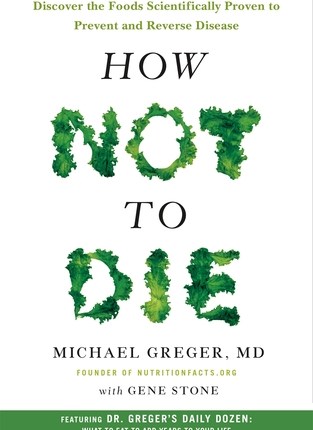
Though everyone will one day die, Michael Greger gives some tips to help you live as long and as healthily as possible.
I’m not going to debate the merits of different diets which seem to change as quickly as fads. I think everybody should try to incorporate healthy habits that are right for them as they are able.
How Not to Die is packed with ideas on that front.
I think the most interesting part of this book are the effects that various foods have on the body. But you don’t have to take Greger’s word for it, experiment and see what works for you.
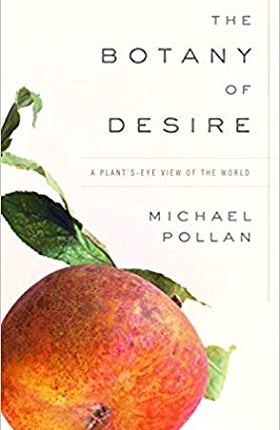
Packed with food-related history, trivia and stories, Michael Pollan attempts to explain how four types of plants have had such a large effect on humanity.
“We automatically think of domestication as something we do to other species, but it makes just as much sense to think of it as something certain plants and animals have done to us, a clever evolutionary strategy for advancing their own interests.”
I believe that our lives are intimately intertwined with our environment, even if we can’t quite see how. Pollan removes the veil between apples, tulips, marijuana, potatoes, and mankind in order to illustrate how the plants evolved and what kinds of shenanigans they’ve brought on civilization in the process.
“Our grammar might teach us to divide the world into active subjects and passive objects, but in a coevolutionary relationship every subject is also an object, every object a subject. That’s why it makes just as much sense to think of agriculture as something the grasses did to people as a way to conquer the trees.”
My favorite chapter was about the tulips. Did you know at one point in the Dutch Republic a tulip bulb cost as much as a house? It was called “tulipmania” and it caused enormous havoc in the local economy when the tulip bubble burst.
I also learned about the evolution of flowers, which I didn’t know anything about before reading this. I had only ever considered them from a spiritual perspective — I think it was Eckhart Tolle who talked about flowers being the “spiritual evolution of plants”. It’s rather interesting actually if you’re into that kind of thing.
“But I do wonder if it isn’t significant that our experience of flowers is so deeply drenched in our sense of time. Maybe there’s a good reason we find their fleetingness so piercing, can scarcely look at a flower in bloom without thinking ahead, whether in hope or regret.
Pollan’s writing style wanders no where quickly, so readers who have little patience for storytelling non-fiction may want to choose a different book. I rather liked it.
I think he may have oversimplified the plants and humanity relationship by picking only one motivating desire per plant. Let’s be real, things are never as simple as that. But for the premise of this book, it worked well enough.
Basically, The Botany of Desire encourages readers to consider what plants get from us as much as what we get from them. It’s a different perspective, like looking at your home from the level of a toddler rather than your usual height. There’s things to learn and puzzle out and discover that you may have never even imagined.
Recommended for readers interested in botany and different worldviews. Thanks for reading!
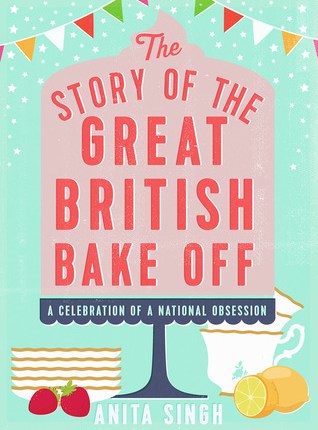
A sparkling and fun book for fans of the television program, The Great British Bake Off. It is my favorite show to binge watch when I have some free time. Or when I’m not reading. Which, let’s be honest, is not all that often but it does happen.
You wouldn’t think another competition-type show would be engaging, but this one is. The contestants are so kind to each other and earnest in their presentations. Not only do you cheer for all of them, but it makes you want to emulate them in your own kitchen.
Why don’t I go bang up a bread sculpture that looks like a lion? Oh, that’s right. Because it’s really hard to do, that’s why. But these guys all make it look so easy. Chocolate lava cakes, frosted buns and towers made out of spun sugar seem to magically flow out of the kitchen. We all know it’s not that simple.
Anita Singh takes readers from the creation of the show to the change in most of its hosts in the most recent episodes. We are also treated to funny anecdotes from some of the contestants and assorted behind-the-scenes gossip.
As an American reader, I enjoyed learning more about Paul and Mary’s backgrounds before they joined the show. I mean, perhaps they had enjoyed some success across the pond, but I had never heard of them. I have more context now.
My favorite part of this fan book were Mel and Sue’s confessions about practical jokes they’ve pulled on Paul. I won’t spoil it for you, but one of them involved his Aston Martin. Le gasp.
Recommended for readers who have watched most, if not all, of the seasons of The Great British Baking Show. I suppose you could still enjoy it without doing so, but all of that viewing time helps you to enjoy this book even more.
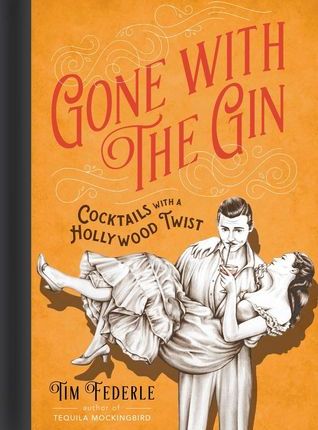
“Gone with the Gin” is an effervescent drink guide that pairs cleverly named potables with classic films. It’s a winner!
Last year (or was it the year before), I named Tequila Mockingbird: Cocktails with a Literary Twist, also by Tim Federle, as one of my favorite reads in my annual book review. It’s similar to Gone with the Gin, except that Tequila Mockingbird uses classic literary works instead of film.
Federle has a way with puns and summarizing complex plots in three sentences or less without devolving into the unbearably cheesy. My favorites from Gone with the Gininclude the “Ben-Hurricane” and “The Empire likes Jack”.
And, like Tequila Mockingbird, I think I’m going to have to purchase a copy of this book to keep at the house. Like the majority of my reading material, I borrowed it from the library. But it’s going to be a sad day when I have to give it back…
Lest you think that Federle is a one-note author, please take a moment to consider another of his books: Life Is Like a Musical: How to Live, Love, and Lead Like a Star. It gives some hard-won lessons from Federle’s days dancing and singing his way across the stage. I enjoyed it too.
I think it’s fair to say that I highly recommend most anything Federle has written, so far. Keep ’em coming, Tim!
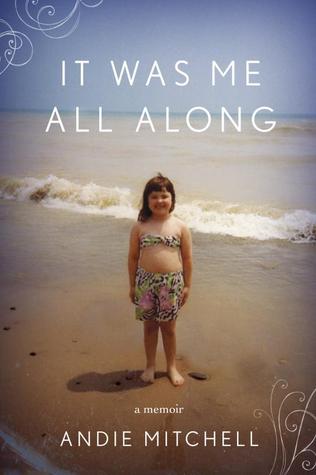
Andie Mitchell used food to entertain and provide comfort for herself during a childhood with an artistic but alcoholic father and absent (because she was working three or four jobs) mother. This is her journey through the rocky early years and realization that if she didn’t lose the weight, she was going to suffering serious health problems for the rest of her life.
“What begins as hating the cake for all its multiple layers of luscious temptation spirals quickly into hating myself and all my fat cells. I let myself down. I lament not having more control. pg 15, ebook.
Andie’s overeating starts during her childhood. Her mother went to work on the weekends and her father drank all night and slept most of the morning, leaving Andie to her own devices, which were mainly sugared cereal and cartoons.
I’d pull the box down and go about fetching a bow, a soup spoon, and the whole-milk carton from the fridge. I’d fill the bowl- cereal bobbing in milk to the rim- and make my way to the parlor. There I’d turn on the television and begin what would be hours of watching my favorite cartoons. One cereal bowl would empty without my noticing, and I’d replace it.” pg 27-28, ebook.
So, the loneliness was one of the reasons why she ate. The other was her father was emotionally abusive. She witnessed terrible scenes of him screaming at her mother and brother (Anthony). Andie internalized it and ate away her feelings.
If (my mother) fought back, (my father) roared louder. Or he’d throw something she loved across the room. But those were not the times my chubby body trembled. Those weren’t the times when my spirit split like the walls of our house. No, it was only when Anthony entered the room, when I heard his small voice try desperately to make itself bigger and less boyish, that the pit of my stomach twisted so violently, I couldn’t tell if I was hungry or about to be sick.” pg 36, ebook.
Andie’s mother loves her unconditionally, even when the doctor tells Andie that she needs to lose weight or things are going to get really bad for her. But, when Andie goes away to college, and her mother sees her again for the first time, she can’t hide her surprise at how large her daughter has become. And it is really painful for Andie.
“Until that day, that moment when I felt like a stranger in her eyes, she had been my sole source of comfort. She was the one who loved me unconditionally, who saw me as beautiful regardless. In the past when she noticed my weight, her worry seemed entirely empathetic, a way of loving me in my struggle. Now, it seemed grave.” pg 99, ebook.
Anyone who has struggled with their weight will find something to empathize with in Andie’s book. She wants to be fit, but she doesn’t know how to either eat or exercise in moderation.
Her journey may teach, encourage and cheer others on their way to a smaller size. Andie has been there and knows the daily struggles.












 The Help Desk Book Blog