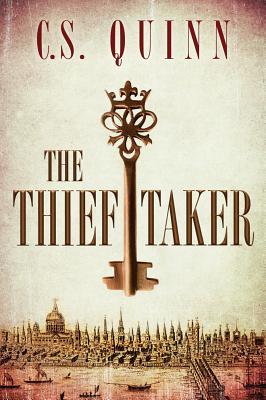
The Thief Taker (The Thief Taker #1) by C.S. Quinn

The Thief Taker (The Thief Taker #1) by C.S. Quinn

In the 1660s, thief takers solved the cases that were beneath the dignity of the typical London watchmen.

The poorer sort of people, who had experienced a crime or theft, would come to men like the title character in this story for justice. He would attempt to track down the perpetrator by finding the property that they took and fenced.
Photo by Wallace Chuck on Pexels.com

Usually, the thief taker could either get the property back for his client or turn the thief in to the higher authorities. But, the punishments back then were so barbaric- chopping off a hand, splitting noses- that the thief taker would usually just let the criminal go with a warning to not steal again or advise him to find a different clientele.

Charlie Tuesday is a thief taker in London. One day, a beautiful young woman comes to him for help in solving her sister’s murder. Normally, he doesn’t work on any cases larger than theft but the money that is offered is more than he can refuse.

From the strange mutilation of the body, he determines that there’s more to this crime than meets the eye. As the plague descends on London, he and Anna-Maria race to stop the murderer from striking again and, perhaps, even threatening the throne of England itself.

Photo by Yoss Cinematic on Pexels.com

The Thief Taker‘s scenery is lush. The customs, clothing, and food from 1665 are so different from what we have now. The reader is whisked away to a world that is the same in some ways (human behavior and emotions) and so different in other ways (social structures and occupations). I didn’t even know what a thief taker was until I read this book.

The story is an intricate mystery with the murders, possible witchcraft, and treason. I didn’t see the ending coming at all. It could be that I don’t read that many mysteries, but I thought that it was really well done.

Another fascinating piece to this story are the plague victims. The horrific conditions that the author describes, like bodies rotting in the streets and the Thames becoming clogged with corpses around London Bridge, actually took place.
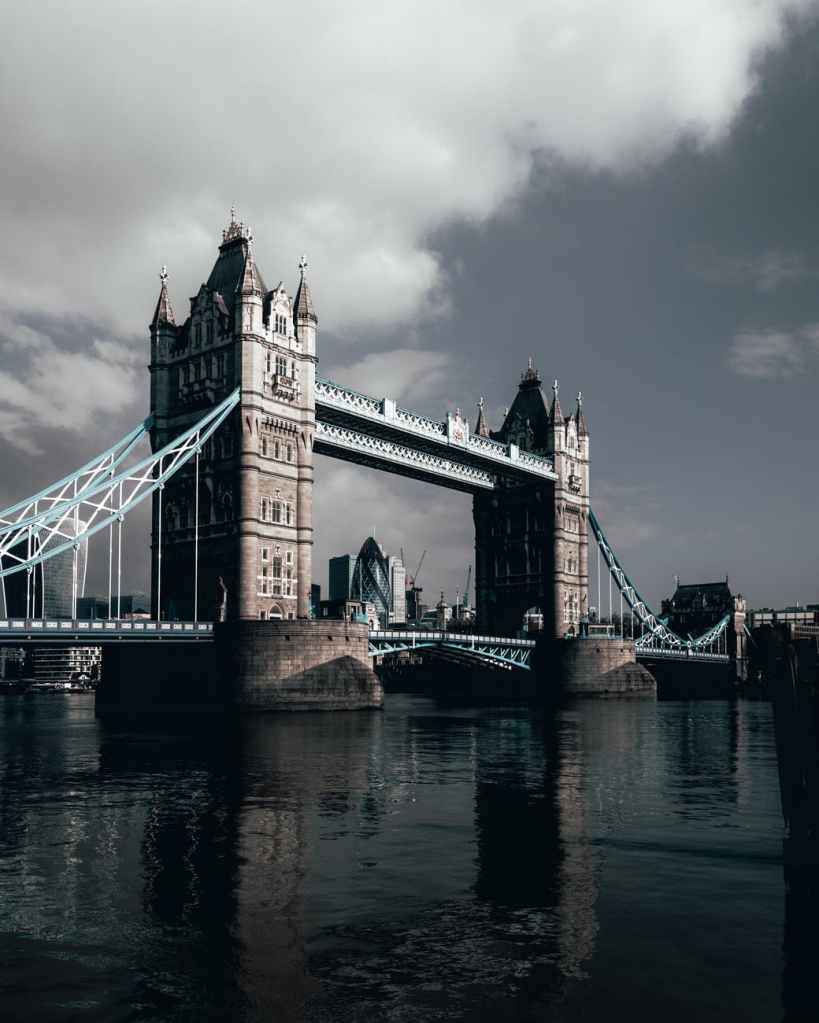
Photo by Yoss Cinematic on Pexels.com

Because of these icky details, The Thief Taker occasionally veers towards the horror genre but never really crosses that line.

I kept picturing the rotting plague victims as zombies. In some ways, they’re similar. Contact with a plague victim could bring infection. Sometimes, the main character would come across a body that would appear dead, but wasn’t dead.

At one point in the story, a character describes the plague victims who are wandering the streets in search of mercy as the “walking dead.” It was very creepy.
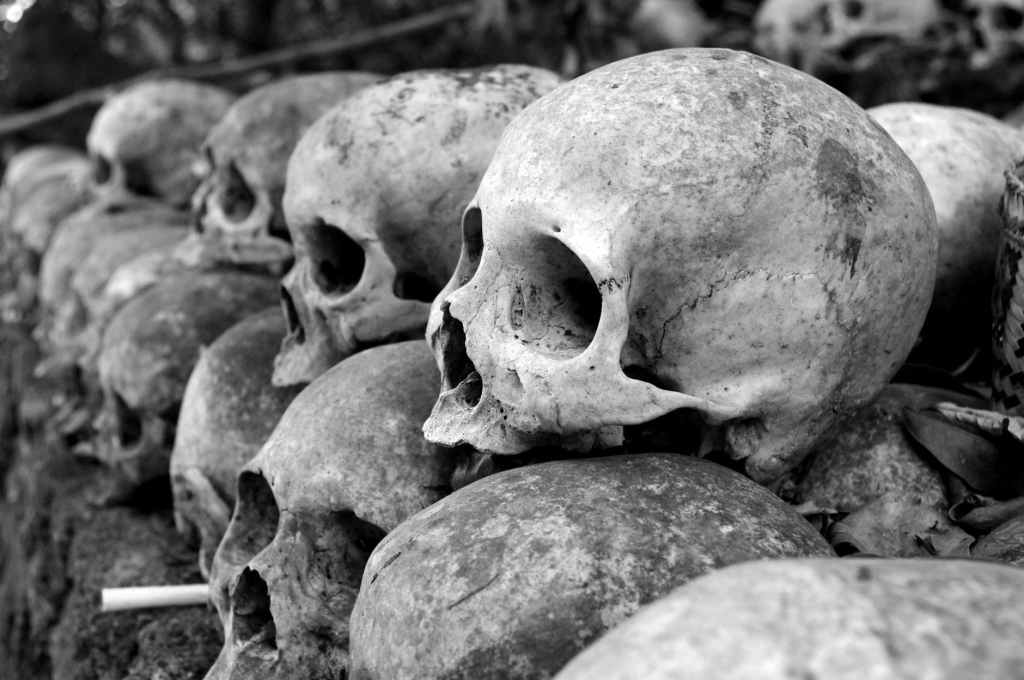
Photo by Renato Danyi on Pexels.com

Also, the societal breakdown that accompanied the plague was so quick. Every moment the characters were in the London streets was filled with tension. The reader didn’t know if a plague victim was going to pop out of a quarantined house or if a thug was going to try to commit a robbery in a dark alley.

Readers who like the historical fiction of Philippa Gregory, Judith Merkle Riley, and Sarah Dunant may enjoy this.

I received a free copy of this book through Goodreads First Reads program.

Thanks for reading!

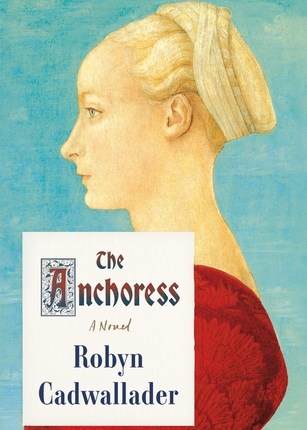
The Anchoress by Robyn Cadwallader

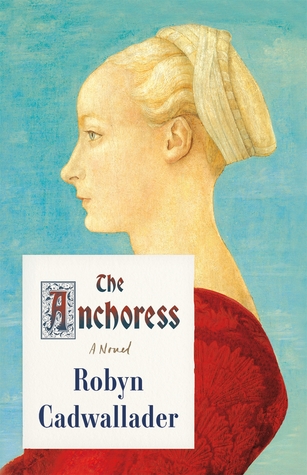
The Anchoress by Robyn Cadwallader

England, 1255. What could drive a girl on the cusp of womanhood to lock herself away from the world forever? -from Goodreads

anchoress

The 1200’s was an exciting time in many ways. But, not if you were a woman.

In The Anchoress, I learned about yet another way in which women were treated poorly by the male dominated church. Apparently, the anchoress was an actual calling where the woman chose to be walled up near or in a church in order to move closer to God.

The people who walled up the woman left a small window for food and waste to pass through. That was the extent of her interaction with the outside world. How messed up was that.

Sarah, the anchoress in this story, chooses the position for a variety of reasons, but they’re not all that mysterious. The description of the book plays it up as a mystery which the reader will figure out in probably five pages or so.

I enjoyed this book more for the historical details of the period.

The interesting part is when Sarah starts to go bonkers (no big surprise there) and her confessor tries to keep her straight. That particular drama was gripping even though most of the action took place in one room.

If you enjoyed The Anchoress, you may want to read A Triple Knot by Emma Campion or Pope Joan by Donna Woolfolk Cross.

Thanks for reading!

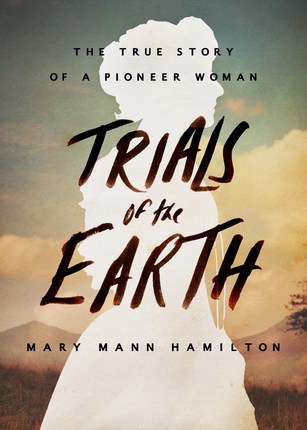
Trials of the Earth: The True Story of a Pioneer Woman by Mary Mann Hamilton

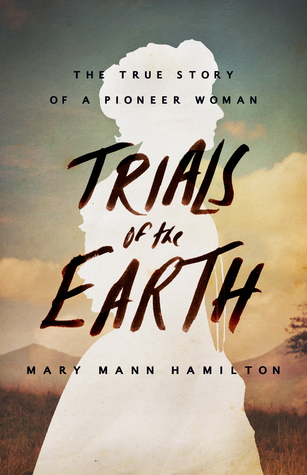
Trials of the Earth: The True Story of a Pioneer Woman by Mary Mann Hamilton
trials of the earth

Trials of the Earth is Mary Mann Hamilton’s memoir about her hardscrabble life in America during the late 1800’s.

She uses period speech to illuminate a life of struggle and hard work. If certain anachronistic and racially insensitive terms bother you, especially the casual use of the N-word, you may want to chose another memoir. It was shocking but I kept reminding myself that Mary was a product of her times.

On top of the constant struggle of putting food on the table and keeping a roof over her head, it seems like she was perpetually pregnant and her husband was an alcoholic.

But Mary lived up to the challenges, raised and buried children, nursed her husband through his hangovers and illnesses- she was a survivor. That is mainly what Trials of the Earth was to me- a survival story.

“Nevertheless, this is not a book of repining; it is a tale simply told of what one woman has lived through in the Mississippi Delta. I say ‘lived through’ because at times this history reads like a record of the extreme limits of human endurance.” loc 75, introduction

So many of the modern conveniences that we take for granted didn’t exist. Mary moved around a lot and notes with relief every time her husband manages to install a pump in her new house so that she didn’t have to haul water from the river.

Mary’s relationship with her husband, Frank, isn’t a fair deal. She is a very young woman when she gets married and from the start he’s controlling- telling her what they will eat and what friends they will have. He even tells her what books she can read.

Photo by Gaspar Zaldo on Pexels.com

That would have been the last straw for me. But again, she was a woman of her times.

“To me he seemed like a man that had taken a silly child to raise rather than a wife. … As time went on I found there were plenty other things I didn’t know, too. The first thing I found out was that he drank.” loc 226, ebook.

In addition to the inequality in their relationship, Frank is from England and has a secret past. He won’t tell Mary, his own wife, his real name or talk about his circumstances or the family he left behind. But, Mary doesn’t let it bother her too much. I suppose she was too busy with everything else they had going on. That lack of trust would have driven me bonkers.

Not that she felt like anything was wrong with their relationship. “Women can stand more work, more trouble, and more religion than men.” loc 528, ebook. She accepted the hardships because she knew that she could. I admire her gumption but I also felt sad for her too. I felt sad because she didn’t have the option to live any other sort of life.

Frank is always talking about the sin of Eve and all the baggage that comes with it to Mary. There is a lot of mansplaining that goes on too. Parts of this book were infuriating to me.

Recommended for readers who enjoy memoirs that read like historical fiction. Ability to tolerate the bleak role that women occupied in society in the late 1800’s is a must.

Thank you to NetGalley and Little, Brown and Company for a free advance reader’s copy of this book. Reminder: some of the quotations in this review may change in the final printed copy.

Thanks for reading!

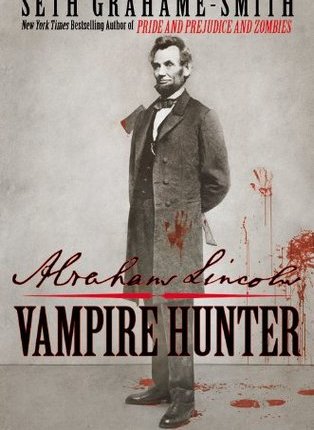
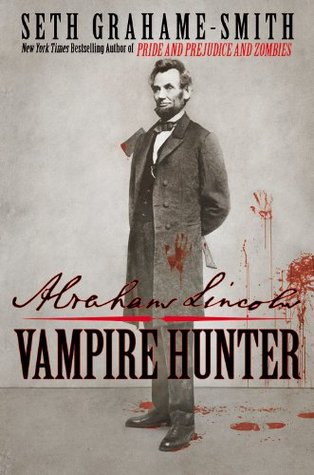
Abraham Lincoln: Vampire Hunter by Seth Grahame-Smith

Abraham Lincoln: Vampire Hunter by Seth Grahame-Smith

vampirehunterTake Abraham Lincoln and his famous rail-splitting ax, add a dash of vampires and voila: Abraham Lincoln: Vampire Hunter.
Fans of horror may enjoy this creative re-mix of history more than I did. Though I enjoyed learning about Lincoln, the moments of gore inbetween weren’t for me.

I listened to the audiobook and my favorite parts were the Americana inspired musical interludes between some of the chapters. Banjos or plaintive violins shepherded readers into the next section. It was beautiful.

As for the story itself, I suppose I didn’t realize how easy it was to introduce vampires into every moment of a person’s life.

Example: Last night I had trouble sleeping. I opened my eyes at 3:45 a.m. and whispered to myself, “The vampires must be closer than I thought.”

Or, another real example, there was a terrible accident yesterday in which one of the bar owners in my small hometown was killed riding her motorcycle. I turned to my coworker with a grim look and said, “Vampires.”

See? You can vampire-ize anything!

Food goes bad in the refrigerator? Vampires. Cat pukes behind the bed? Vampires. Traffic is bad? Vampires.

Though it was fun at first, it became ridiculous.

But don’t let me deter you- if you like horror, you may love this. I enjoyed it but, I confess, I’ve had enough vampires to last me for the foreseeable future.

Thanks for reading!

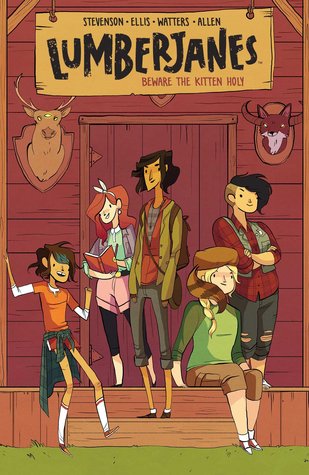
Lumberjanes, Vol. 1: Beware the Kitten Holy by by Noelle Stevenson, Grace Ellis, Shannon Watters, Brooke A. Allen

Lumberjanes, Vol. 1: Beware the Kitten Holy by by Noelle Stevenson, Grace Ellis, Shannon Watters, Brooke A. Allen
lumberjanes

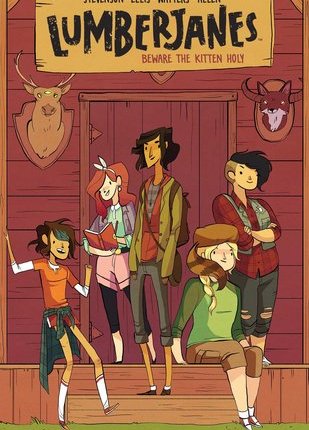
The Lumberjanes is a group of girls, a mysterious forest, strange creatures, tunnels filled with living statues, river monsters and cookies!

I have high hopes that my reluctant reader child is going to love this if I can convince her to sit down and give it a try. One of her favorite television shows is Gravity Falls and this has a very similar vibe.

It is also a girl power book in that it showcases young women looking after and protecting themselves. A positive message, a fun story and cute graphics- I highly recommend it.

The highlights of this graphic novel are: the panel containing “the Kitten Holy” (Though she hasn’t read it yet, my child flipped through the book just to find it. Totally worth the “squee” she produced when she saw it.) and this joke, “Why are hipster yetis so odd? Because they can’t even.” pg 101. Hilarious.

Thank you to my friends for recommending this excellent graphic novel to me. You guys were right. It’s awesome.

And, thanks for reading!

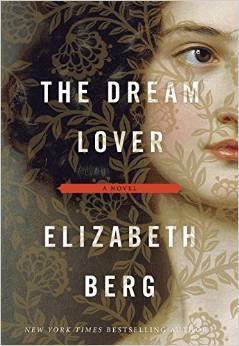
The Dream Lover: A Novel of George Sand by Elizabeth Berg

The Dream Lover: A Novel of George Sand  by Elizabeth Berg
thedreamlover

The Dream Lover encompasses some of the best qualities that historical fiction has to offer. It transports you to the 1800’s France. It introduces you to an extraordinary person: Aurore Dupin, pen name, George Sand. Then, the reader gets to sit back and enjoy the wild ride that was her life. Talk about escapism.

For a woman in the 1800’s, George Sand had it going on. She left her husband, had a series of lovers- both male and female- became a famous author, involved herself in the political upheavals of her time… it is truly an incredible life.

Not everyone in her life accepted her for who she was: “I feel I have made a mistake, George, and that I do not love you after all. … The only thing you are passionate about is locking yourself up at night and writing your precious fiction, ignoring all that is before you here, which, if you would pay attention to it, would make your stories infinitely richer!” … It was as if I had been shot in the chest.” pg 242. But she wrote and loved anyway. Well done, Aurore, well done.

She rejected the role that society set out for her. “Tell me, George. Do you wish you’d been born a man?” … “In my youth, I wished that. … But now I find I don’t wish to be either man or woman. I wish to be myself. Why should men serve as judge and jury, deciding for us what can and cannot be done, what is our due? Why should they decide in advance of our deciding for ourselves what is best for us; why should they decide what IS us?” “But then you do wish to be a man!” “Perhaps I wish to be a woman with a man’s privileges.” pg 151. Amen.

I loved the drama in this novel as well as the romance. One would think that the sheer quantity of lovers that she had would have nullified any quality in the feelings, but Berg does a good job proving that this was otherwise. The passion that she exhibits in one, Sand seems to have shown in them all.

My only complaint about The Dream Lover is that it felt rushed because of the almost unbelievable amount of important events that peppered Sand’s life. I would have savored a 1000+ page book like Margaret George’s treatment of Cleopatra in The Memoirs of Cleopatra, but The Dream Lover appeals to the more casual reader.

Still, it would have been awesome. A bookworm can dream, can’t she?

If you enjoy Margaret George, you may like this book too for its sumptuous descriptions and tempestuous relationships. Also, you may want to pick up In the Company of the Courtesan or Marrying Mozart. Both are excellent historical fiction novels with similar themes to The Dream Lover.

I received a free advance reader’s copy of this book through Goodreads First Reads. FTC guidelines: check!

Thanks for reading!

Authority (Southern Reach #2) by Jeff VanderMeer

Authority (Southern Reach #2) by Jeff VanderMeer
authority

The mystery of Area X continues with an FBI agent’s entry into the Southern Reach. What’s going on? Why can’t anybody remember anything? Why is everyone so antagonistic? And why does everything smell bad?

Rarely have I been so disappointed with a book as I was with Authority. The first entry in this series is a gripping, psychedelic adventure that reads like a nature-gone-wild acid trip. This book, on the other hand, is like going to work with a punishing hangover. You don’t know what’s going on and everybody is pushing piles of paper at you.

“A shadow had passed over the director’s desk then. He’d been here before, or somewhere close, making these kinds of decisions before, and it had almost broken him, or broken through him. But he had no choice.” pg 18. On and on it goes. No answers, only confusion and bewilderment. I honestly thought, up until the very end, that something mega-cool was going to happen to make up for all of the so-so stuff that had happened so far. Unfortunately…

I also got super excited anytime Area X was mentioned, sort of like passing an old fling on your way to a funeral. Take this passage: “But the truth did have a simple quality to it: About thirty-two years ago, along a remote southern stretch known by some as the “forgotten coast,” an Event had occurred that began to transform the landscape and simultaneously caused an invisible border or wall to appear.” pg 35. Yes! And then we were immediately back into the boring office work/politics stuff.

“You’ve heard of the Southern Reach?” He had, mostly through a couple of colleagues who had worked there at one time. Vague allusions, keeping to the cover story about environmental catastrophe. Rumors of a chain of command that was eccentric at best. Rumors of a significant variation, of there being more to the story. But, then, there always was. He didn’t know, on hearing his mother say those words, whether he was excited or not.” pg 71. And that, my friends, is pretty much the whole book. Let me save you another 250 or so pages.

I exaggerate. A bit. It’s just that I’m incredibly disappointed in the turn this story took. I suppose I’ll read the last one in this series because I’m a completionist, but that is the only reason.

Thanks for reading!

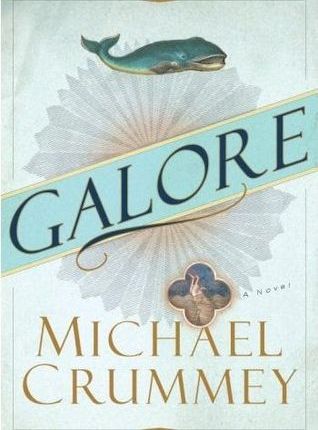
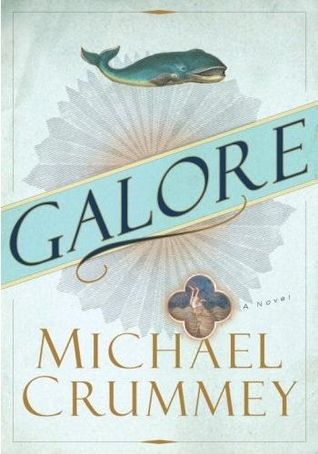
Galore by Michael Crummey

Galore by Michael Crummey

“An intricate family saga and love story spanning two centuries, Galore is a portrait of the improbable medieval world that was rural Newfoundland, a place almost too harrowing and extravagant to be real. Remote and isolated, exposed to savage extremes of climate and fate, the people of Paradise Deep persist in a realm where the line between the everyday and the otherworldly is impossible to distinguish.”

-Description from Goodreads

galore

Galore is all over the place. And I didn’t like it.

I like epic historical fiction. (The Far Pavilions) But, this one wasn’t epic. It was more a collection of pointless stories strung together than a rich tapestry with unifying threads.

I don’t necessarily mind plot lines about priests who act in un-priestly ways. (The Thorn Birds) But there was nothing redeeming about this priest.

In fact, I can’t think of a single character that I cared for much. That’s a shame because there were so many to choose from.

On to the next book. 🙂 I recommend giving this one a pass.

Thanks for reading!

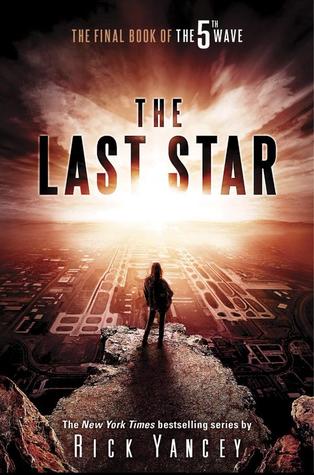
The Last Star (The 5th Wave #3) by Rick Yancey

The Last Star (The 5th Wave #3) by Rick Yancey
thelaststar

The Last Star is the final entry in The 5th Wave, a trilogy about aliens, teenagers and the end of the world.

It is also a morality play about what matters. Why do cars, jobs and stuff matter so much when, in the end, it is all about our relationships and love.

I’m sorry to say that I found the ending to be unsatisfying. Yancey wove such a puzzling yarn that I felt like he didn’t completely untangle all the knots. To be fair, there was a lot going on. But, I read the last pages and I felt a big, internal: “huh?”

This book also reminded me of The Road. “From piles of blackened bones to corpses wrapped head to toe in tattered sheets and old blankets, just lying there in the open like they’d dropped from the sky, alone or in groups of ten or more. So many bodies that they faded into the background, just another part of the mess, another piece of the urban vomit.”pg 70.

The Last Star also raised big questions about civilization and its durability. How thin is the veneer on civilization? What would it take for humanity to turn on itself? Most dystopian writers say, not much.

I don’t know. I’m of two minds on the issue. One part of me says, civilization is a flimsy set of agreements that could easily crumble with enough fear, famine and plague.

The other part of me, the eternal optimist side, says that there is something within each of us that even the worst calamity couldn’t touch.

Kill the body, yes. Kill hope, yes. But kill the soul and its purpose? No. I feel like that part would find a way. And part of that soul’s purpose, I think, is connection to others. That means, civilization. So, there’s something more permanent to it, something fated.

Anyway, The 5th Wave as a three-part story is intense, gritty and could lead to some excellent discussions because it leaves a lot of open-ended questions and ambiguous answers. Rather like life.

Thanks for reading!