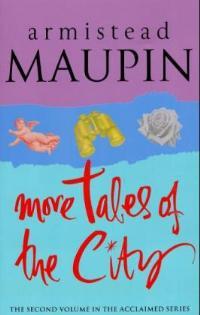
More Tales of the City (Tales of the City, #2) by Armistead Maupin

More Tales of the City (Tales of the City, #2) by Armistead Maupin

“For all her trials, she loved it here in San Francisco, and she loved her makeshift family at Mrs. Madrigal’s comfy old apartment house on Barbary Lane.” pg 11, ebook

All of the characters whom readers loved from the first book (Tales of the City) are back and mixing things up in San Francisco. This soap opera-ish fictional series remains as fast-paced in its second installation as it was from the start.

Photo by Aleksey Kuprikov on Pexels.com

Mary Ann is still working for Halcyon Communications, which is under new leadership, and has to face a new set of challenges. That’s not even mentioning the dark memories she’s trying to forget about a certain former boyfriend, or two.

Michael Tolliver, called Mouse by his friends, is still on the look out for love after a disastrous semi-relationship in the last book.

Mona Ramsey, the free spirit, is about to uncover another major secret about her past. She can add it all of the other ones she’s picked up…

“And she was- she believed- the only one who knew Mrs. Madrigal’s secret. That knowledge, moreover, formed a mystical bond between the two women, an unspoken sisterhood that fed Mona’s soul on the bleakest of days.” pg 18

Photo by Daria Shevtsova on Pexels.com

There’s a pregnancy, romantic cruise, conspiracy, secret club and more in this installment. A must-read for any fan of the series.

“I want it too badly, Mary Ann. Any idiot can see that. When you want it too badly, no one wants you. No one is attracted to that… desperation.” pg 129

One criticism I had for this book, the same I had for the last one, is in the highly unlikely coincidences contained in many of the plot twists. It seems to me that in a city the size of San Francisco, the dozen or so main characters would be more likely to run into other people than each other.

Photo by Daria Shevtsova on Pexels.com

But, like most works of fiction, I suppose it’s fine to suspend your disbelief on some points.

As for the rest of the book, I would describe it as compulsively readable. It’s almost like book candy, you can’t stop at just reading one. I certainly couldn’t.
Photo by Ylanite Koppens on Pexels.com

And, with that, it’s on to the next one…

Tales of the City by Armistead Maupin

Tales of the City by Armistead Maupin

Tales of the City is a snappy, humorous and heart-felt look at the intersecting lives of several people living in San Francisco in the 1970’s. As they struggle for love, money and happiness, they establish friendships and create a new kind of family- one of their choosing rather than one they were born into.

“Mary Ann Singleton was twenty-five years old when she saw San Francisco for the first time.” pg 9, ebook

Photo by picjumbo.com on Pexels.com

One of the main characters is Mary Ann from Ohio. She came on a vacation to San Francisco and decided to stay because she loved the people and the general vibe.

But her mid-western upbringing didn’t prepare her for the work and dating scene of San Francisco.

His smile was approaching a leer. Mary Ann chose not to deal with it. “She’s a little strange, but I think she means well.” pg 47

Photo by Lisa Fotios on Pexels.com

On a hunt for the perfect apartment, Mary Ann meets Mrs. Madrigal, the unconventional and slightly mysterious owner of a large place on Barbary Lane.

Once the other residents of the apartment are introduced, the story really takes off. The breakneck pace is probably due to the fact that Tales of the City was originally written as a serial with cliffhanger endings each week to bring readers back to the publication.

It works incredibly well in a novel format. The chapters are short and punchy. Although most of the tension of the story is created through the dialogue rather than action, it is gripping stuff.

In some ways, this book is rather like life. Everybody is mixing together, trying to find their own way and lifestyle that feels right to them.

From day to day, it doesn’t seem like much happens. But taken altogether, it encompasses the growing pains accumulated through weeks, months and years of a lifetime.

Photo by Elly Fairytale on Pexels.com

“No wonder you’re miserable. You sit around on your butt all day expecting life to be one great Hallmark card. … You’ve got to make things work for you, Mary Ann.” pg 111

Recommended for readers who enjoy their fiction with a big helping of soul-searching and humor, delivered at the speed of life.

This book has been made into a show at least twice now. Both versions can be viewed on Netflix.

Thanks for reading!

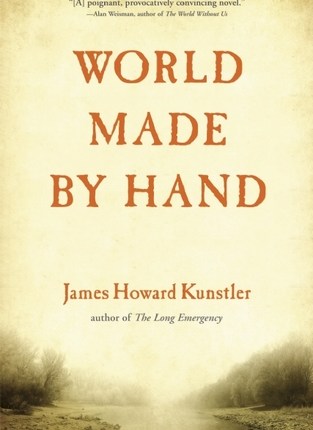
World Made by Hand by James Howard Kunstler

World Made by Hand by James Howard Kunstler

“It was chilling to reflect on how well the world used to work and how much we’d lost.” pg 12, ebook.

Photo by Davide Locatelli on Pexels.com

In World Made by Hand, civilization has fallen to pieces. There is no consistent electricity. The town of Union Grove has running water, but only because of a water system that relied more on elevation than anything else.

Worse, the justice system has fallen apart. There is little to no medical care facilities or supplies available. Television stations have ceased to broadcast. The radio sometimes broadcasts religious programming in the moments the electricity flickers on and then off.

“It’s not all bad now,” I said. “We’ve lost our world.” “Only the part that the machines lived in.” Jane Ann patted my thigh, but said no more and got up to leave.” pg 25, ebook

Photo by Pixabay on Pexels.com

A slow-paced dystopian novel that savors the end of life as we know it might not have been the best book for me to read right now. In the midst of a global pandemic and unfounded fears that life may never go back to the way it was, this wasn’t as much an escape as an additional cork-popper to my ever-present anxiety.

The characters lack depth, but I found myself caring for them because they seemed so real.

They want food, shelter and safety for their loved ones, even though all of those things have become difficult to find.

“By the time he passed away, it was obvious there would be no return to ‘normality.’ The economy wouldn’t be coming back. Globalism was over. The politicians and generals were failing to pull together at the center.” pg 29, ebook.

There are very few moments of action in here. I can see the slow pace being frustrating to some readers.

“The afternoon weather resolved into an uncomfortable drizzle, driven by hot winds out of the south. I had an old ripstop nylon poncho from my collegiate camping days, but it had lost its waterproofing.” pg 126, ebook

Photo by Sam Willis on Pexels.com

But, to play the devil’s advocate, perhaps that would be the way the world would actually end. To quote T.S. Eliot: “Not with a bang, but with a whimper.”

Recommended for readers who enjoy dystopians like Station Eleven and who are brave enough to read this kind of thing with the current state of things.

Before We Were Yours by Lisa Wingate

Before We Were Yours by Lisa Wingate

Before We Were Yours is a historical fiction based on the real and heart-breaking scandal of child kidnappings and paid adoptions from the Tennessee Children’s Home Society.

Children were treated like a type of rare commodity. Sadly, abuse and even death awaited some of the unfortunates who passed through the society. Some of the children taken in had families, but the society acted as if they did not.

Photo by Pixabay on Pexels.com

As a student of forgotten history, I didn’t want to believe that such things could have happened in the United States and, relatively, recently. But, it’s true.

“The Foss children and the Arcadia were formed from the dust of imagination and the muddy waters of the Mississippi River. Though Rill and her siblings exist only in these pages, their experiences mirror those reported by children who were taken from their families from the 1920s through 1950.” pg 295, ebook

Lisa Wingate tells the story in two different timelines – one in 1939 and the other in the modern day. The earlier story line is by far the most compelling.

Readers meet Rill Foss, one of five children belonging to an itinerant family who live on the Mississippi River in their house boat. Her story begins the night her mother, Queenie, is having trouble delivering a new baby.

When Rill’s father, Briny, takes Queenie to the local hospital for help, something terrible happens to the children they leave behind.

Photo by Maximilian Mu00fcnzl on Pexels.com

Meanwhile in the modern day, Avery Stafford has moved home to help her father, a senator, during his re-election campaign. There are also concerns about her father’s health as well as her upcoming nuptials to organize.

But then she stumbles upon an elderly woman who has a picture that closely resembles Avery’s own grandmother. Could there be a connection between the two?

“Grief and a change of location can often be more than the mind and body can handle.” pg 43, ebook

Of the two stories, the earlier one is far more interesting. Rill is such a strong and indefatigable heroine in her struggle to keep her siblings together. I was enthralled by each chapter narrating her life.

Photo by Kristina Paukshtite on Pexels.com

The Avery portion of the story, on the other hand, was just so predictable. If Before We Were Yours had just been the modern story, this book would hardly have earned a mention from me, let alone netting the Goodreads Choice Award for historical fiction from 2017.

“Life is not unlike cinema. Each scene has its own music, and the music is created for the scene, woven to it in ways we do not understand.” pg 278

Recommended for readers who enjoy historical fiction as well as book clubs.

In the future, I may pen a History Guy episode about the Tennessee Children’s Home Society. It seems to me that the fate of these poor children, now grown and many departed from this life, is history that deserves to be remembered.

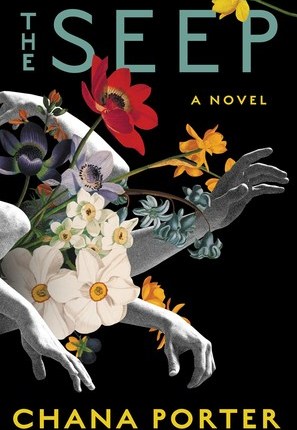
The Seep by Chana Porter

The Seep by Chana Porter

Warning: minor spoilers ahead that are listed in the book’s description on Goodreads. Do not read this review if you don’t want to know anything about the book’s plot before beginning it.

“They would soon realize that The Seep had already infiltrated their city’s water supply. They were already compromised, already bodily hosts to their new alien friends. It was through that connection they could hear one another’s thoughts, feel the same emotions, overlaid with the all-consuming adage that Everything Will Be All Right, No Matter What.” pg 10, ebook

The Seep by Chana Porter asks many questions like: what would humanity and society look like if thoughts could actually create reality, if physical material was permeated with the spiritual, if enlightenment was only a sip or two of alien-filled water away?

Photo by Arnie Watkins on Pexels.com

How would people live, work and raise their children? What would relationships look like? And how would it feel to adults who grew up with a whole other version of reality only to spend the last half of their lives in a world, that to them, feels turned upside-down?

Would they embrace it, fight against it or choose another as-yet unknown path?

Trina, a trans-woman from the time before alien technology, when humanity changed genders with surgery and hormone therapy, is in a happy and fulfilling marriage with her wife, Deeba, until the day when Deeba decides she wants to become a child and live her life again. She asks Trina to be her mother in this second life, still sharing her reality but in an entirely different way than as a lover. This desire is something that is within the realm of the possible now thanks to the alien invasion called, “The Seep”.

Trina does not take this revelation well.

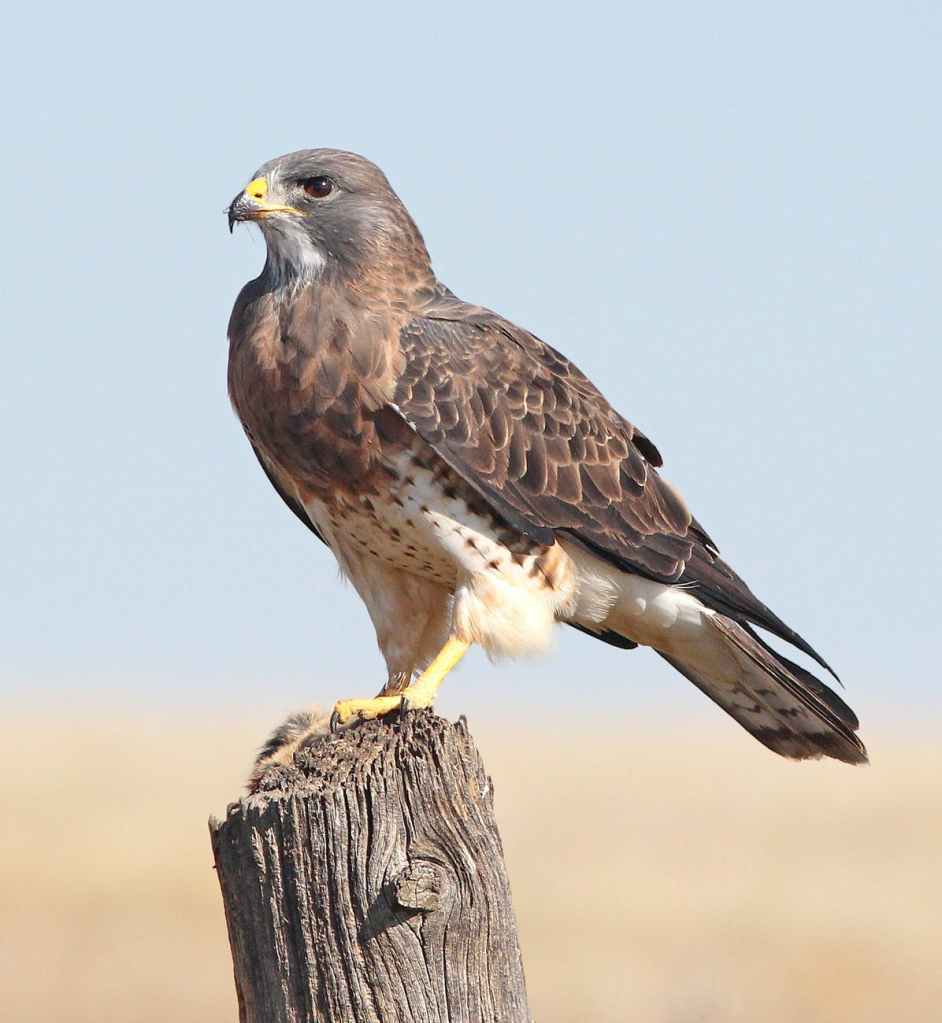
“It felt akin to coming home one day to find that your wife had become a hawk, with dusty talons and a great golden eye. Your hawk-wife can’t live with you anymore. She wants to live in the sky and eat smaller birds, not drink coffee and read the newspaper in bed with you.” pg 26, ebook

Photo by Flickr on Pexels.com

The majority of this book reveals how Trina adjusts to her new reality.

“The main message I have for you today is that we don’t yet know what to call ourselves, as both human beings and symbionts of The Seep.” pg 46, ebook

I think this book does a good job, like other science fiction novels, of holding up a mirror to reality and saying, what if. It also makes a great metaphor for how older generations might feel out of touch with the generations who come after them.

Prior to the alien invasion, Trina was on the leading edge of society in both her self actualization and lifestyle. After, she feels abandoned in a landscape that no longer makes sense and unloved by the people in her life she valued the most.

There’s a palpable sense of isolation and ever-increasing paranoia in this story. If the aliens exist on a level of conscious thought, they know what you want before you even voice it. It’s disturbing, but with technology increasing the pace of life and guessing consumers’ wants and needs before they even know, how far off the mark are we from that sort of interaction, really.

Highly recommended for readers who enjoy short science fiction that makes you think.

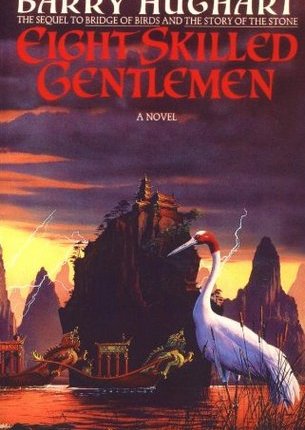
Eight Skilled Gentlemen (The Chronicles of Master Li and Number Ten Ox, #3) by Barry Hughart

Eight Skilled Gentlemen (The Chronicles of Master Li and Number Ten Ox, #3) by Barry Hughart

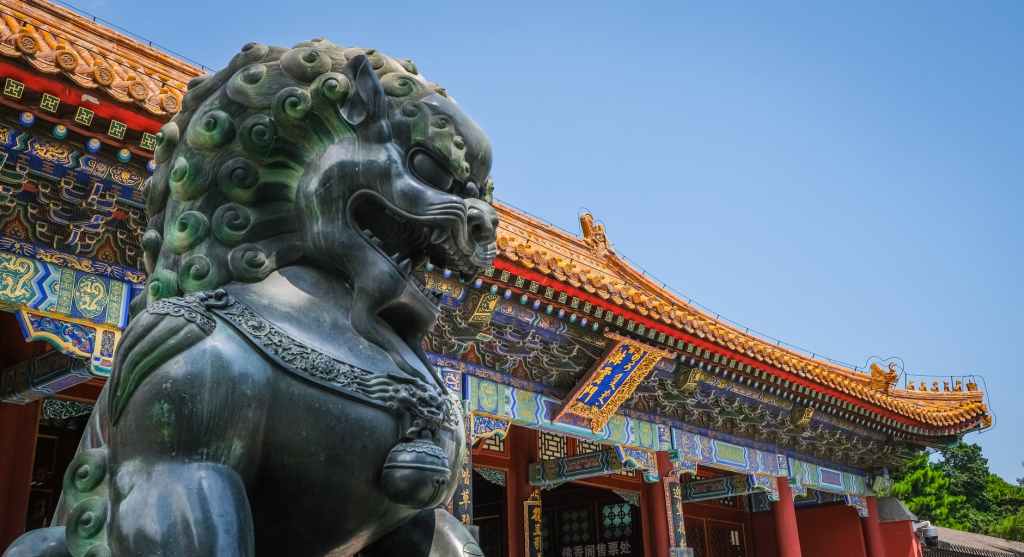
“My experience with the old man has taught me to keep my mouth shut when the wrinkles around his eyes squeeze up in tight concentric circles, so I waited until his mind relaxed along with the wrinkles, and then he shook himself and turned toward me.” “Ox, have you ever visited the Forbidden City?”

Photo by David Yu on Pexels.com

Eight Skilled Gentlemen is the final book of The Chronicles of Master Li and Number Ten Ox series. I feel it missed the mark somewhat.

Like the previous two books, it has some beautiful imagery and fantastical magic sequences based in an ancient fictional China of Barry Hughart, the author’s, own creation. As usual, I liked the interactions between our two heroes. I also liked riding along while Master Li and Ox attempt to solve the murder mystery.

“All we can do now is go down that list of involved mandarins and find the weak link. You may have you break a few of the bastard’s bones, my boy, but one way or another he’s going to enable us to toss the rest of them in jail,” the sage said grimly.”

Unlike the rest of the series, the overarching story for this entry felt scattered, so much so, that the ending felt almost tacked on. Which seems like a harsh criticism, except those final scenes were my favorite of the book.

Photo by Magda Ehlers on Pexels.com

If only it had felt more connected to the rest of the tale…

Like some of the other readers of this series, I noticed some repetition in Hughart’s storytelling by the third book. Formulaic can still be brilliant, but I’m not certain this book reached that bar.

There was also Hughart’s unfortunate tendency to have his characters launch into song or prose within the story. This should have added to the immersive feeling of the reading experience, but I found myself skimming when I reached those sections. Again, it felt more repetitive this time around than magical.

Adding to my disappointment, Eight Skilled Gentlemen was clearly supposed to be part of a longer series. The final few lines of the book offer no satisfying conclusion for characters whom I have come to love during the 850 pages I spent with them.

The little bit I have researched about the author seems to indicate Hughart had a disagreement with his publisher and then tired of writing it. He passed away in August of last year.

It is incredibly sad because the books are so lovely and Hughart deserved the chance to finish them in a manner he saw fit. I think it’s a loss not just for the author’s family but for the entire fantasy-reading world.

Photo by Magda Ehlers on Pexels.com

In conclusion, if you haven’t read this series and like fantasy, you must give it a try. Just be aware it is a work of art with an abrupt end.

The Story of the Stone (The Chronicles of Master Li and Number Ten Ox, #2) by Barry Hughart

The Story of the Stone (The Chronicles of Master Li and Number Ten Ox, #2) by Barry Hughart

“Ox,” he said, “the writing of your memoirs is doing wonders for your calligraphy, but I must question the content. Why do you choose the rare cases in which matters run melodramatically amok?” I heroically refrained from saying, “They always do.”

The Story of Stone, Barry Hughart

Master Li and Number Ten Ox are at it again.

There’s an unexplained murder, puzzling fragment of a poorly-finished forgery, and nature herself is leaving clues behind with whole swathes of plants dying in a strange pattern.

Photo by carol wd on Pexels.com

“I wasn’t sure that any autopsy could be delightful, but I didn’t care. The old fire had returned to Master Li’s eyes, and I felt like a warhorse who was being called back into battle.”

In the course of solving the mystery, Li and Ox encounter ghosts, hidden torture chambers, and make a journey down to the depths of hell. It is one of the finest homages to Dante’s Inferno that I’ve ever had the pleasure to read.

“Ox, what do you smell in the air?” he asked. “Wet earth, pine needles, pork fat, donkey manure, and perfume from Mother Ho’s House of Joy,” I said. “Wrong. You smell destiny,” Master Li said happily.

And, as usual, readers get to enjoy the sometimes hilarious, and always entertaining, interplay between a brilliant scholar and his surprisingly strong sidekick.

Recommended for readers who enjoy a blend of fantasy, mystery and historical fiction.

Nobilis by R. Sean Borgstrom, Bruce Baugh

Nobilis by R. Sean Borgstrom, Bruce Baugh

Though not a traditional “book”, the rules and world-building instructions for the fantasy role-playing game, Nobilis, has more than 300 pages in it. And reads like a beautiful work of fiction.

“His eyes open, black as night. A star falls through them. ‘It is strange,’ he says, ‘how humans need but a taste of power to grow arrogant. You walk in a world of things greater than you can imagine, and you speak defiance.”

Nobilis by R. Sean Borgstrom, Bruce Baugh
Photo by Achraf Alan on Pexels.com

The game itself has been labeled so complex that, after reading the rules book, some gamers don’t bother to try it. Therefore, I think it’s fair to rate it on Goodreads where it can be appreciated more for its fantastic literature rather than its playability as an actual game.

“The Imperator Ananda rules Murder, the Infinite, and (some say) the Fourth Age that is to come. His glory is terrible: humans and Powers weak in spirit dare not face him, lest his countenance drive them mad with joy.”

The basic premise is there are major forces behind the every day reality that we all know. These forces are striving to either preserve the universe or end it.

Photo by Engin Akyurt on Pexels.com

They work through intermediaries and lesser servants to influence what goes on in the real world. The point of the game is to create a story with levels and nuances rather than to brute force your will into existence.

“More beautiful than the angels are the Excrucians, whose eyes show darkness full of ever-falling stars. It is said that the Creator bargained with them long ago, that he or she might capture a touch of this beauty in the world of Ygg- and then failed to carry out his or her end of the bargain. It is said that this is why the Excrucians on their pale horses seek the destruction of all that there is…”

Photo by Anastasia Zhenina on Pexels.com

The rules book describes all of these powers in extraordinary detail, or the manner for choosing a custom name and backstory of your own. There’s no limit to what you can create except your imagination.

The players embody the ruling powers and all of their minions simultaneously. So, a game scene can go from the real world, to the divine, to a place where a god resides and back again.

And you begin to see why so few people attempt this game in the first place… 🙂

“Powers bridge divine nature and human nature, the supernatural and the natural. They fight battles on all those levels, facing the challenges of gods and ordinary humans alike. They must learn to move fluidly from a world of spirits and myths to a polluted world of highways and computers, and from their Imperator’s custom reality to the broad Earth.”

Recommended for gamers who are looking for an incredibly detailed fantasy world to romp around in or readers who like open-ended works of fantasy. Beyond simple enjoyment as a game or work of literature, I could see Nobilis being a useful tool as a writing prompt for fantasy authors.

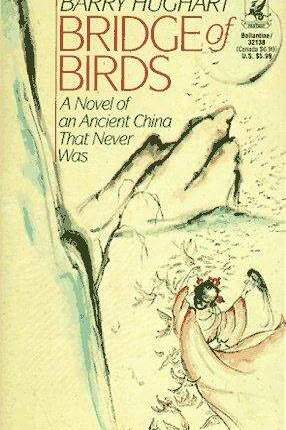
Bridge of Birds (The Chronicles of Master Li and Number Ten Ox, #1) by Barry Hughart

Bridge of Birds (The Chronicles of Master Li and Number Ten Ox, #1) by Barry Hughart

Bridge of Birds is a charming, award-winning fantasy novel that follows the investigative efforts of Master Li as he strives to safe the mysteriously stricken children from the village where Number Ten Ox lives.

“Jade plate, Six, Eight. Fire that burns hot, Night that is not. Fire that burns cold, First Silver, then gold.” pg 22, ebook

Photo by Somya Dinkar on Pexels.com

A beautiful blend of myth and fantasy, the reader is ferried from one exotic locale to the next at the side of the two heroes, one ancient and one young with surprising strength.

We navigate dangerous mazes to hidden treasure hoards, satisfy the grieving souls of haunted ghosts, and marvel at the lightning intellect of Master Li, the scholarly genius with “a slight flaw in his character”.

“My surname is Li and my personal name is Kao, and there is a slight flaw in my character,” he said matter-of-factly. “You got a problem?” pg 32, ebook

There is very little downtime in Bridge of Birds. And just when you think things couldn’t possibly get worse for Master Li and Number Ten Ox, somehow they do.

Despite its breakneck pacing, I found many beautiful moments to marvel over in this story. It is a fairy tale with both substance and heart. Easy to see why it received the 1985 World Fantasy Award for Best Novel and 1986 Mythopoeic Award for Best Fantasy.

Photo by eberhard grossgasteiger on Pexels.com

I think that’s even more impressive when you consider this was Barry Hughart’s debut novel.

“Reverend Sir, in your studies of myth and folklore, have you ever encountered a ghostly handmaiden who pleads that birds must fly?” pg 154, ebook

Highly recommended for readers who like fantasy and historical fiction novels with a dash of mystery and for their heroes to have slight flaws in their character – such a propensity to drink too much wine or the willingness to swindle others but for very good reasons.