Nobilis by R. Sean Borgstrom, Bruce Baugh

Nobilis by R. Sean Borgstrom, Bruce Baugh

Though not a traditional “book”, the rules and world-building instructions for the fantasy role-playing game, Nobilis, has more than 300 pages in it. And reads like a beautiful work of fiction.

“His eyes open, black as night. A star falls through them. ‘It is strange,’ he says, ‘how humans need but a taste of power to grow arrogant. You walk in a world of things greater than you can imagine, and you speak defiance.”

Nobilis by R. Sean Borgstrom, Bruce Baugh
Photo by Achraf Alan on Pexels.com

The game itself has been labeled so complex that, after reading the rules book, some gamers don’t bother to try it. Therefore, I think it’s fair to rate it on Goodreads where it can be appreciated more for its fantastic literature rather than its playability as an actual game.

“The Imperator Ananda rules Murder, the Infinite, and (some say) the Fourth Age that is to come. His glory is terrible: humans and Powers weak in spirit dare not face him, lest his countenance drive them mad with joy.”

The basic premise is there are major forces behind the every day reality that we all know. These forces are striving to either preserve the universe or end it.

Photo by Engin Akyurt on Pexels.com

They work through intermediaries and lesser servants to influence what goes on in the real world. The point of the game is to create a story with levels and nuances rather than to brute force your will into existence.

“More beautiful than the angels are the Excrucians, whose eyes show darkness full of ever-falling stars. It is said that the Creator bargained with them long ago, that he or she might capture a touch of this beauty in the world of Ygg- and then failed to carry out his or her end of the bargain. It is said that this is why the Excrucians on their pale horses seek the destruction of all that there is…”
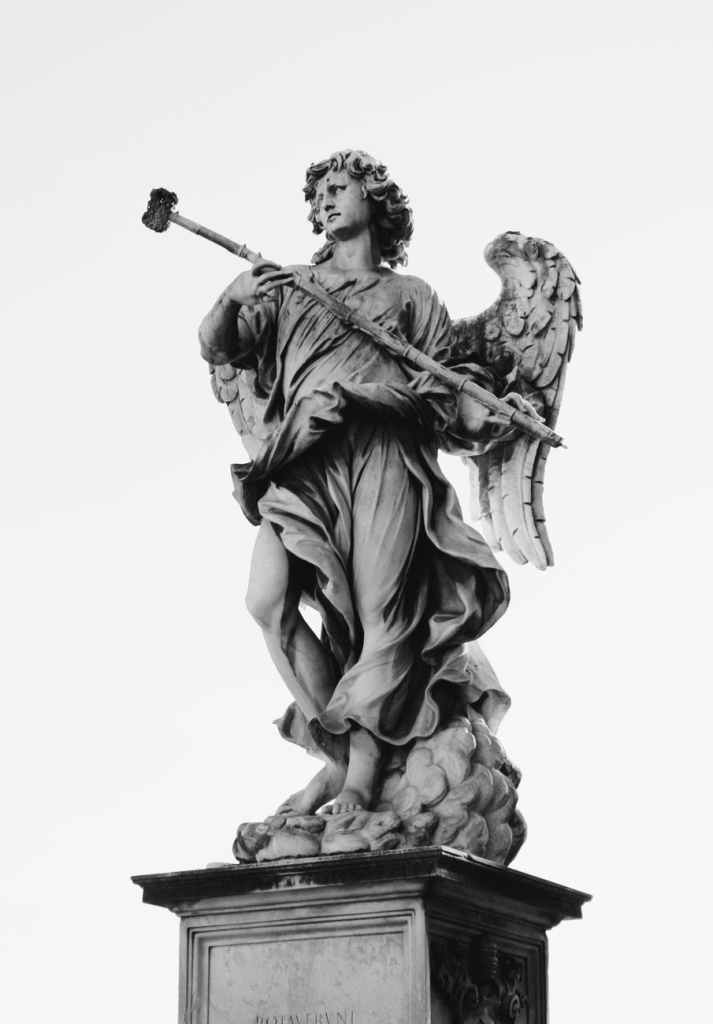
Photo by Anastasia Zhenina on Pexels.com

The rules book describes all of these powers in extraordinary detail, or the manner for choosing a custom name and backstory of your own. There’s no limit to what you can create except your imagination.

The players embody the ruling powers and all of their minions simultaneously. So, a game scene can go from the real world, to the divine, to a place where a god resides and back again.

And you begin to see why so few people attempt this game in the first place… 🙂

“Powers bridge divine nature and human nature, the supernatural and the natural. They fight battles on all those levels, facing the challenges of gods and ordinary humans alike. They must learn to move fluidly from a world of spirits and myths to a polluted world of highways and computers, and from their Imperator’s custom reality to the broad Earth.”

Recommended for gamers who are looking for an incredibly detailed fantasy world to romp around in or readers who like open-ended works of fantasy. Beyond simple enjoyment as a game or work of literature, I could see Nobilis being a useful tool as a writing prompt for fantasy authors.

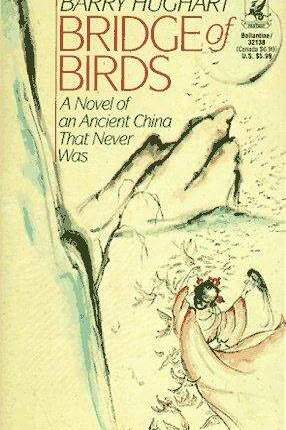
Bridge of Birds (The Chronicles of Master Li and Number Ten Ox, #1) by Barry Hughart

Bridge of Birds (The Chronicles of Master Li and Number Ten Ox, #1) by Barry Hughart

Bridge of Birds is a charming, award-winning fantasy novel that follows the investigative efforts of Master Li as he strives to safe the mysteriously stricken children from the village where Number Ten Ox lives.

“Jade plate, Six, Eight. Fire that burns hot, Night that is not. Fire that burns cold, First Silver, then gold.” pg 22, ebook

Photo by Somya Dinkar on Pexels.com

A beautiful blend of myth and fantasy, the reader is ferried from one exotic locale to the next at the side of the two heroes, one ancient and one young with surprising strength.

We navigate dangerous mazes to hidden treasure hoards, satisfy the grieving souls of haunted ghosts, and marvel at the lightning intellect of Master Li, the scholarly genius with “a slight flaw in his character”.

“My surname is Li and my personal name is Kao, and there is a slight flaw in my character,” he said matter-of-factly. “You got a problem?” pg 32, ebook

There is very little downtime in Bridge of Birds. And just when you think things couldn’t possibly get worse for Master Li and Number Ten Ox, somehow they do.

Despite its breakneck pacing, I found many beautiful moments to marvel over in this story. It is a fairy tale with both substance and heart. Easy to see why it received the 1985 World Fantasy Award for Best Novel and 1986 Mythopoeic Award for Best Fantasy.

Photo by eberhard grossgasteiger on Pexels.com

I think that’s even more impressive when you consider this was Barry Hughart’s debut novel.

“Reverend Sir, in your studies of myth and folklore, have you ever encountered a ghostly handmaiden who pleads that birds must fly?” pg 154, ebook

Highly recommended for readers who like fantasy and historical fiction novels with a dash of mystery and for their heroes to have slight flaws in their character – such a propensity to drink too much wine or the willingness to swindle others but for very good reasons.

The Lies of Locke Lamora (Gentleman Bastard, #1) by Scott Lynch

The Lies of Locke Lamora (Gentleman Bastard, #1) by Scott Lynch

In The Lies of Locke Lamora, readers are introduced to Locke, an orphan in a fantastical city with magical glass relics the size of entire city blocks. The glass is all that was left behind by the people who founded the city. Its inhabitants now do not understand how it was constructed, but that doesn’t keep them from utilizing the spires of magic glass or appreciating its otherworldly beauty.

Within this strange city that is similar to our world’s Venice, yet so different, Locke Lamora is taken in by various characters in the realm’s criminal underworld. The boy shows promise for a life of theft and confidence games… if he can reign in his propensity for accidentally getting people killed.

Photo by Pixabay on Pexels.com

“At the height of a long wet summer of the seventy-seventh year of Sendovani, the Thiefmaker of Camorr paid a sudden and unannounced visit to the Eyeless Priest at the Temple of Perelandro, desperately hoping to sell him the Lamora boy.”

There are layers to this tale. There’s intrigue and backstabbing among the criminal underworld or those who call themselves, “the right people”. There’s a gang of criminal masterminds, the Gentleman Bastards, who prey on the city’s upper class citizens, but who pass themselves off as simple sneak thieves to the rest of the gangs.

And while Locke’s gang, the Gentleman Bastards, are running one of the biggest cons of their life, the chapters of that storyline are interspersed with the personal histories of the gang’s members. Part of that history includes the Gentleman Bastards’ training as priests of the various orders in the city, of which there are many.

So, to recap: there’s complex religion, city hierarchy, criminal hierarchy, levels of con games, and then the real story begins when Locke’s plan, as usual, begins to go sideways.

“I ache in places I didn’t previously realize I owned,” said Locke, gingerly applying adhesive paste to his chin with his fingers. “But it can’t be helped.”

Photo by Francesco Ungaro on Pexels.com

I first read The Lies of Locke Lamora eight years ago in March 2012. I recently re-read it in May 2020. To my surprise, I enjoyed it somewhat less the second time around.

I still like the characters, the story and the setting, all of which were beautifully written. My complaint was the pacing. Just as the author gets rolling on the main story line, he draws us back into the past. I didn’t seem to mind it the first time I read the book, but I definitely noticed it in the second reading.

But don’t let a small thing like pacing dissuade you from reading The Lies of Locke Lamora. It is an awfully entertaining fantasy read. And if I remember correctly, the next two books in the series are fun as well.

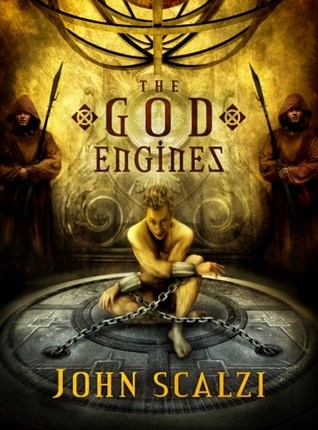
The God Engines by John Scalzi

The God Engines by John Scalzi

In the world of The God Engines, beings called gods power the ships that take humanity between the stars. How the world became this way is not for Captain Tephe to question, instead it is a matter of faith. As part of Tephe’s service and devotion to his own deity, he has to keep the being that powers his engine in check and subservient to his will.

That is not a simple task.

Photo by Pixabay on Pexels.com

“I do not know why this is. Why single made iron can kill a god. I know only that it can. I know the gods fear death more than do men. I can kill you with this, god.” pg 8, ebook

When Tephe is called to perform a secret mission of great importance for his deity, it throws his entire world view in jeopardy. He discovers his god, and all the others, may not be what they appeared to be.

“Words. They have power. To name a god is to give it power. To deny it such is to take it.” pg 16, ebook

I feel like this story was too short to fulfill its full potential. The general idea was very promising – what would a world where embodied gods were used as power sources look like? How would the society be structured? And how would a worshiper’s faith change or be challenged through day-to-day interactions with the gods?

Photo by Ben Yi on Pexels.com

The plot felt rushed as the characters raced from one place to another. I also wanted a bit more background about the universe of The God Engines, but the lack of it added somewhat to the mystery of the story.

“You are charged with silence,” proclaimed the third Bishop. “What is spoken to you here is not to be spoken again, on remit of your soul.” pg 31, ebook

I think the strength of this story is in how it addresses faith. Faith in the goodness of the unseen shapes lives and guides actions. It explains why some gods power ships and others rule empires. Because of faith, humanity has waged wars and conquered planets.

Perhaps someone should have made certain this faith wasn’t misplaced…

Recommended for readers who enjoy short science fiction novels with a liberal dash of horror.

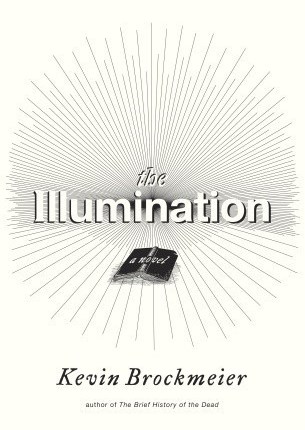
The Illumination by Kevin Brockmeier

The Illumination by Kevin Brockmeier

Humanity suddenly changes as emotional and physical pain begins to shine out of our bodies like light. How would a shift like that change culture? And what does it all mean?

Kevin Brockmeier examines these questions through six different lives that are tied together through a diary filled with love notes from a husband to his wife.

Rarely has a book stuck in my mind like The Illumination. Since putting it down, I’ve found myself thinking about it and asking myself what the author was saying.

Photo by Pixabay on Pexels.com

“Through the haze of drugs, it seemed to her that the light was not falling over her wound or even infusing it from the inside but radiating through it from another world. She thought that she could live there and be happy.” pg 8, ebook

Throughout the centuries, mystics and others considered “holy” or infused with spirit have been depicted with light shining from their bodies and hands. The ineffable connection to God or gods is shown in the artistic shorthand of light, an illumination in the dark.

In the day-to-day business of living, many of us are too busy with our individual lives to stop a second and ask ourselves, what is the purpose of this experience? It feels so random for the most part. Terrible things happen to good people, good things happen to terrible people. It feels arbitrary and, worst of all, meaningless.

So many are in pain and we can’t possibly heal them all. We don’t acknowledge that. But what if it became so obvious that we couldn’t ignore it.

Photo by Luis Dalvan on Pexels.com

“The world had changed in the wake of the Illumination. No one could disguise his pain anymore.” pg 29, ebook

The Illumination illustrates another of humanity’s foibles – the tendency to demote the miraculous to the mundane once it becomes a common place experience. Babies are born every day. People die every day. Life in its beginnings, endings, and everything in the middle, is extraordinary but I don’t think we appreciate the enormousness of it unless something unexpected or earth-shattering happens in our own lives.

“He watched with interest as his body was chafed and torn, thinking, Look what’s here inside me. Who ever would have guessed? pg 164, ebook

Maybe, if we truly tried to let it all in, we would all stand around paralyzed by awe.

“It turned out that the world at the end of time was just like the world at the beginning: a single set of footsteps printing the grass, everything lit with its own newness, a brighter and much, much emptier place.” pg 48, ebook

Photo by Stanislav Kondratiev on Pexels.com

In this world, the past is reexamined in the wake of the new light-filled reality. Historic photos are doctored to make the pain visible through light. Hospitals develop new protocols to address the change in reality. Communication and politeness take on new meaning as private pain becomes public knowledge.

“For a few months, church attendance spiked. Some of the seats at Fellowship Bible were taken by visitors, some by the Christmas-and-Easter set. It didn’t matter – each new face showed the guilt, fright, or confusion of someone confronted by a game whose rules had suddenly changed.” pg 104, ebook

The dystopian worlds of literature present authors’ various views on what the world would look like at the end of all things. Brockmeier’s world is so very much like ours except for one glaring difference. Perhaps that’s the point. The end of the world is much like today – light or no light, we’re all wandering around seeking meaning and bumping into each other and causing pain, intentional and unintentional.

Photo by Rodolfo Clix on Pexels.com

The spiritual and religious beg for illumination, a shining light through the confusion, a removal of a metaphysical blindfold. But what would we do if those prayers were answered in a concrete way? Probably nothing once the initial shock wore off.

Recommended for readers who seek the answers to unanswerable questions. Some trigger warnings for cutting, self mutilation, and violence.

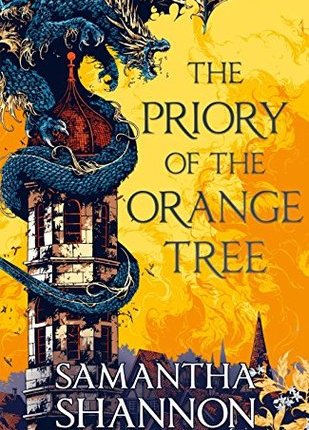
The Priory of the Orange Tree by Samantha Shannon

The Priory of the Orange Tree by Samantha Shannon

A cast of interesting and well-imagined characters stumble through poorly-written plot twists on their way to saving the world from “The Nameless One”.

“The House of Berethnet may protect us from the Nameless One, or it may not. There is no proof either way. … That is the problem with stories, child. The truth in them cannot be weighed.” pg 109

Photo by Suraphat Nuea-on on Pexels.com

I started out enjoying The Priory of the Orange Tree. The way the story builds is engaging and moves along at a fast clip.

My main quibble with this fantasy book is Samantha Shannon takes more than 800 pages to create her world with its countries, religions, magic systems, but then resolved major plot points in two to three sentences or less in some cases.

We learn about items that have been missing for a millennia and I thought, oh this is going to be interesting to figure out. But then, two pages later, through a series of ludicrous coincidences, two of the main characters have one of the items in their hands.

In one of the major confrontations of the book, Shannon doesn’t even write dialogue and played it out through the eyes of a character who had no idea what was going on. I wouldn’t have been so put off by it if she hadn’t spent literally hundreds of pages getting us to that point. That particular villain may not have been the focus of the tale, but I think she at least deserved a final monologue.

Photo by Snapwire on Pexels.com

When traveling from place to place, there aren’t tantalizing descriptions of the trip. Basically, the character gets in the conveyance and, boom, they’re at the destination. Shannon used more descriptive words when she talked about the food characters were eating than she did when her characters were moving from here-to-there.

The exception to this rule were her descriptions of “the Abyss”. The way she depicted the stars shining down from above and out of the depths was beautiful.

Complaints aside, there were plenty of things I liked about the book. I enjoyed the way Shannon took real life alchemical principles and wove them into something otherworldly for her story.

“What is below must be balanced by what is above, and in this is the precision of the universe. Fire ascends from the earth, light descends from the sky. Too much of one doth inflame the other, and in this is the extinction of the universe.” pg 150

Photo by Pixabay on Pexels.com

I also liked the secret order whose name graces the front cover of the book. The different cultures Shannon created were a treat a learn about. I thought her characters were, for the most part, quite relatable.

“So you see, Ead,” the queen said, “I do not sleep because I’m not only afraid of the monsters at my door, but also of the monsters my own mind can conjure. The ones that live within.” pg 203

The characters were diverse and, as I mentioned, well-written. A couple times in the story, particularly in the portions about the Abyss, I felt Shannon’s writing was elevated to something like prose.

“Love and fear do strange things to our souls. The dreams they bring, those dreams that leave us drenched in salt water and grasping for breath as if we might die – those, we call unquiet dreams. And only the scent of a rose can avert them.” pg 416

Photo by Irina Iriser on Pexels.com

I think this story could have been extraordinary if Shannon hadn’t been trying to fit so much into one volume. A trilogy with lingering descriptions of landscapes and nail-biting conclusions to the various story arcs would have been much more enjoyable.

Thanks for reading!

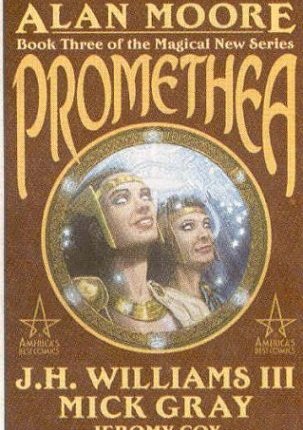
Promethea, Vol. 3 by Alan Moore

Promethea, Vol. 3 by Alan Moore

The saga of Promethea continues in Volume Three of the five book series.

Promethea, the version embodied by Sophie Bangs, has embarked on an adventure through the myriad worlds of the Tree of Life. She seeks another of the avatars of Promethea who recently died. Together, they hope to find the deceased woman’s husband and learn about the occult on the way.

Photo by Stacey Gabrielle Koenitz Rozells on Pexels.com

Meanwhile, back in the real world, Sophie has left someone unexpected in charge of keeping the baddies at bay while she’s away. Is Stace up to the task?

The artwork of the series continues to impress with its beauty and ingenuity. I especially enjoyed the mobius strip path of the world of Hod.

Alan Moore’s writing is at its best when he’s waxing on about the complexity of the universe and delivering punchy one-liners ending those conversations.

Photo by Pixabay on Pexels.com

However, he takes the characters through so many different places so quickly that the adventures themselves end up feeling rather stilted. I think I may have enjoyed this entry more if he had spent a little more time exploring the worlds rather than simply explaining them.

I get that Promethea has places to be. But she could have savored the journey along the way.

Recommended for graphic novel readers who enjoy a mix of fantasy and occult in their stories. Thanks for reading!

Here are links to the other two reviews I’ve written for this series:

Book One

Book Two

Promethea, Vol. 2 by Alan Moore

Promethea, Vol. 2 by Alan Moore

Promethea, Volume 2 was an incredibly disappointing follow-up to a promising comic series.

The reader continues to follow the efforts of Sophie, a student who has learned to channel the spirit of a being of enlightenment named Promethea, while battling demons and other nebulous, bad guys.

Photo by Francesco Ungaro on Pexels.com

We have yet to learn more about the villains of the story, except in brief asides, or Sophie’s allies, some sort of technological heroes.

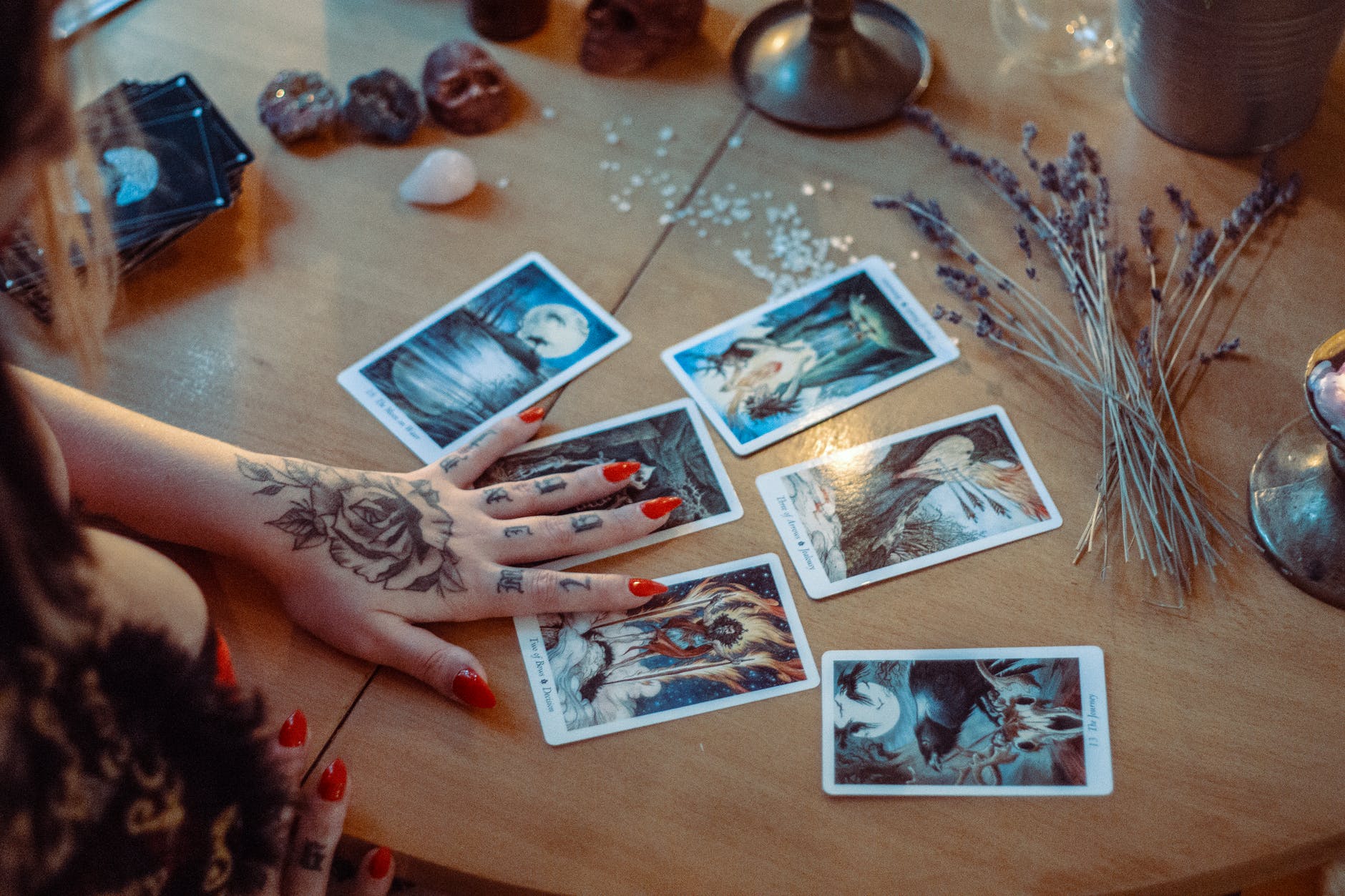
This entry is bogged down with a lengthy metaphysical poem about the progression of tarot cards and an unexpected tantric sex primer.

Photo by Alina Vilchenko on Pexels.com

My quibbles with the tarot card piece is it is far too simplistic but also too long. Each card can be interpreted a number of different ways, and not just applied to principles of civilization. It is also a metaphor for the soul’s journey, which Alan Moore touches on, but, I feel, never truly explains.

Also, by presenting the whole thing through rhyme, I couldn’t help but draw comparisons to Dr. Seuss. I get what Moore was going for, but it didn’t work for me.

Meanwhile, I couldn’t help but wonder if the lead character in this story was a guy if we would have been subjected to the tantric stuff at all.

Photo by Roy Reyna on Pexels.com

I believe the earthly can be spiritual and the spiritual can be earthly. I think “kundalini rising” is just the lightning flash of inspiration in reverse. But a male hero being pressured into trading his body for secret knowledge? I don’t see it happening.

I liked the first entry of Promethea. I thought it was ground-breaking in the way it depicted a strong female character on a spiritual journey.

This second book simply isn’t of the same quality. Perhaps the series will redeem itself in the next entry. One can only hope.

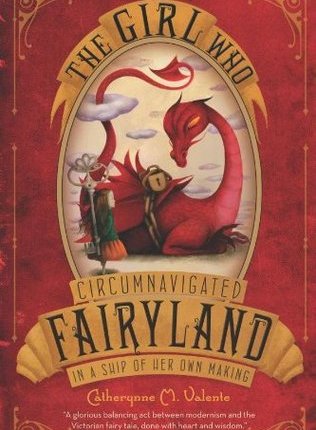
The Girl Who Circumnavigated Fairyland in a Ship of Her Own Making by Catherynne M. Valente

The Girl Who Circumnavigated Fairyland in a Ship of Her Own Making by Catherynne M. Valente

The Girl Who Circumnavigated Fairyland in a Ship of Her Own Making is a modern take on more traditional fairy tales wherein a child finds a way to another world and comes back changed.

Photo by Pixabay on Pexels.com

I first read the title of this book in Catherynne Valente‘s much more adult novel, Palimpsest. I think it was mentioned as sitting on someone’s book shelf. I remember thinking how I wish I could read that book too. Imagine my surprise to discover it was actually a book in the real world. Of course, I had to pick it up.

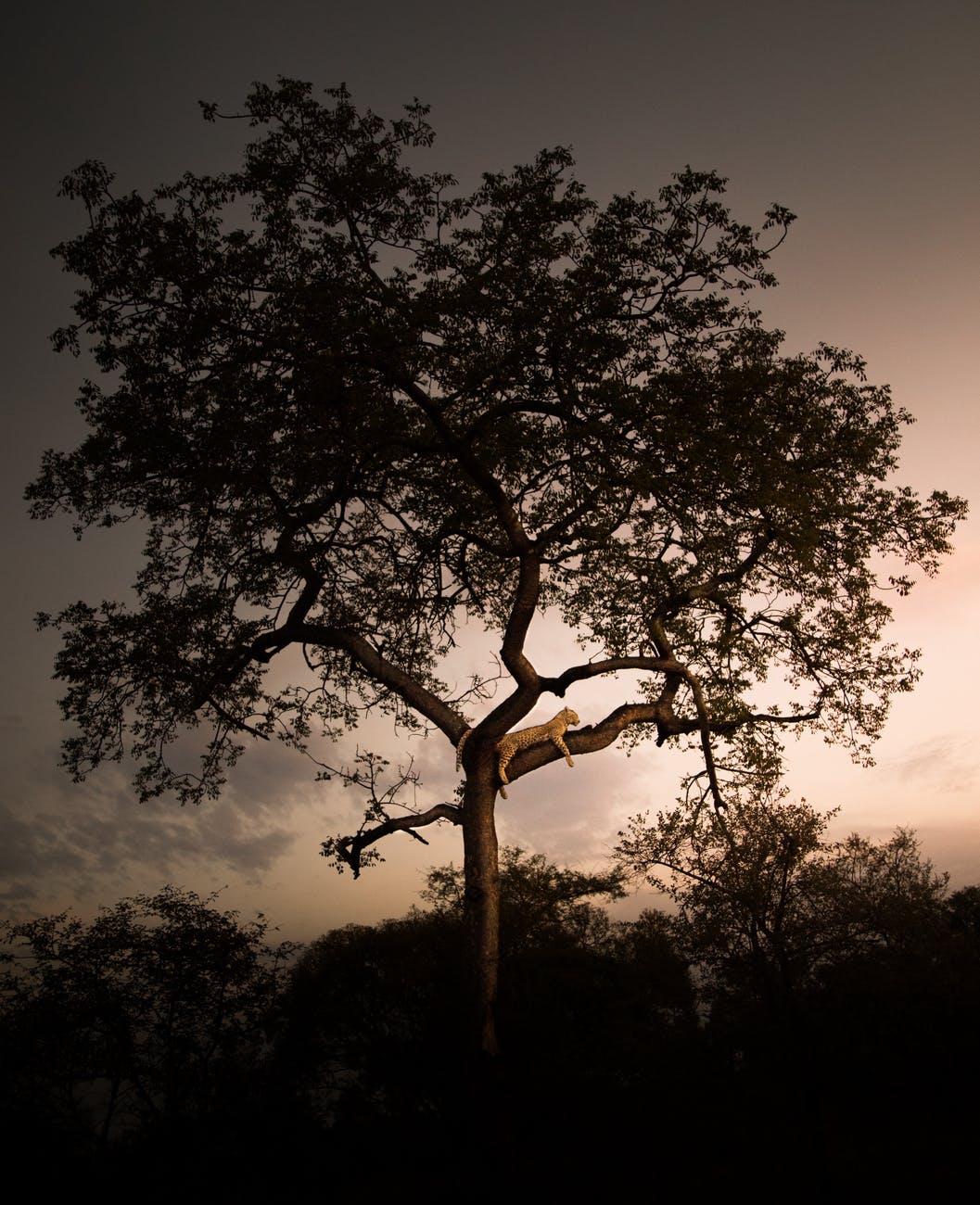
“You seem an ill-tempered and irascible enough child,” said the Green Wind. “How would you like to come away with me and ride upon the Leopard of Little Breezes and be delivered to the great sea, which borders Fairyland?” pg 2

Photo by Geran de Klerk on Pexels.com

How could any heroine refuse an invitation like that?

The main character of this tale, a girl with the curious name of September, has read enough books to know a once-in-a-lifetime chance when she sees it. Though she doubts, at first, that she is the appropriate girl for the adventure.

“In stories, when someone appears in a poof of green clouds and asks a girl to go away on an adventure, it’s because she’s special, because she’s smart and strong and can solve riddles and fight with swords and give really good speeches, and… I don’t know that I’m any of those things.” pg 14

Photo by Ksenia Chernaya on Pexels.com

Part of Valente’s fairytale, like most good fairytales, is how September realizes how special she actually is — one of the conclusions heroes tend to arrive at during their various journeys.

September’s journey is a danger-filled jaunt through a land under the thumb of a smartly-hatted villain named the Marquess. September meets curious characters along the way including a trio of witches, a wyvern who claims his father is a library, and a boy from under the ocean with dark eyes and a secret.

The story contains plenty of winks and nods to anyone who loves reading: “Stories have a way of changing faces. They are unruly things, undisciplined, given to delinquency and the throwing of erasers. This is why we must close them up into thick, solid books, so they cannot get out and cause trouble.” pg 36

Photo by Zichuan Han on Pexels.com

And: “She sounds like someone who spends a lot of time in libraries, which are the best sorts of people.” pg 55

They are the best sorts, aren’t they.

Recommended for young adults, the young-at-heart, or anyone who enjoys quirky portal fantasy reads. I thought this book was charming.