In Freedom Libraries, Mike Selby remembers and honors the volunteers and patrons of the numerous libraries set up to serve black populations mainly in the southern states during the civil rights era and later.
During that period of history, the institutionalized racism of many southern towns extended to library services. Books and learning programs were specifically curated at whites-only libraries in order to propagate the disgusting ideology of white supremacy in addition to keeping the black population illiterate and subjugated.
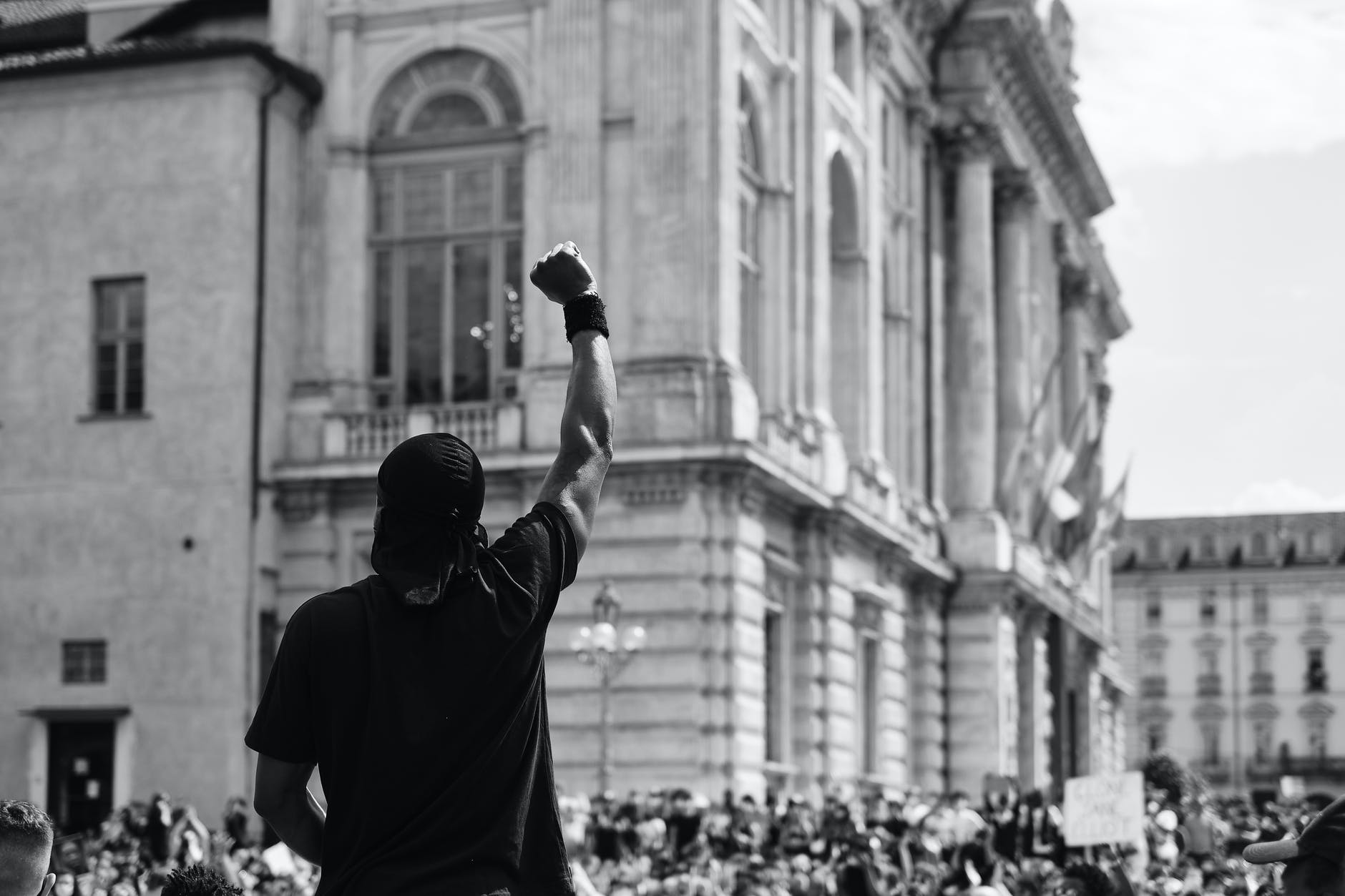
“Pattie Mae McDonald operated a “Freedom Library” out of two rooms of her modest home. This was enough to earn her and her family terror and attempted murder.”
The volunteers and anyone who was brave enough to visit the freedom libraries, set up in private homes and wherever a semi-safe space could be found, were subject to shootings, harassment and arrest by local authorities, and even fire bombings. Some gave not only of their time but also their lives to keep the freedom libraries going. It is a frightening and dark moment in library history that, I feel, has been largely forgotten, until now.
“The right to vote would be everything for African Americans. The right to read would be something else entirely. Voting would make them citizens; libraries would make them free.”
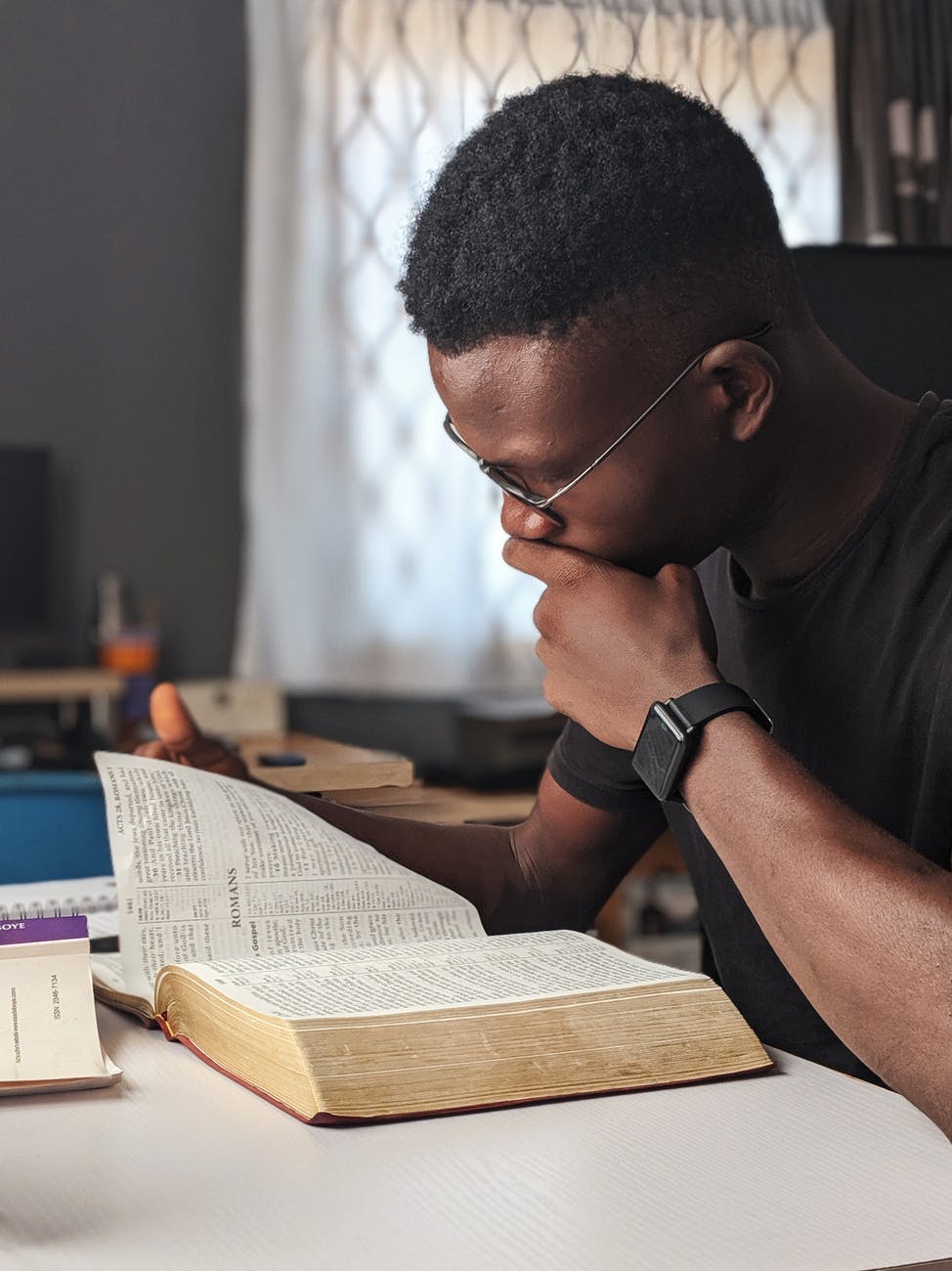
In addition to remembering the bravery and sacrifice of those involved with the freedom libraries, this book illustrates some of the particular problems of librarianship that came along with the creation of the libraries.
Sadly, the American Library Association did little, if anything, to assist in the creation of freedom libraries, even though their written policies were against segregation. Very few of the volunteers who ran the organizations knew anything about cataloging and maintaining library collections. There was no money for curating books or creating community programs. Yet, somehow, the freedom libraries persevered in both expanding their collections and offering a wide variety of enriching and educational programming in the midst of life-threatening situations.
This perseverance may have had something to do with the uniquely fluid characteristics of libraries themselves.
As Selby points out, after the firebombing of the McComb Freedom House: “With the building still smoldering, the after-school youth just waited on the ground outside. The children somehow knew what many adults in the twenty first century have difficulty grasping: the fact that a library is a service, not a collection. A library exists for the librarians and patrons, not the other way around.”
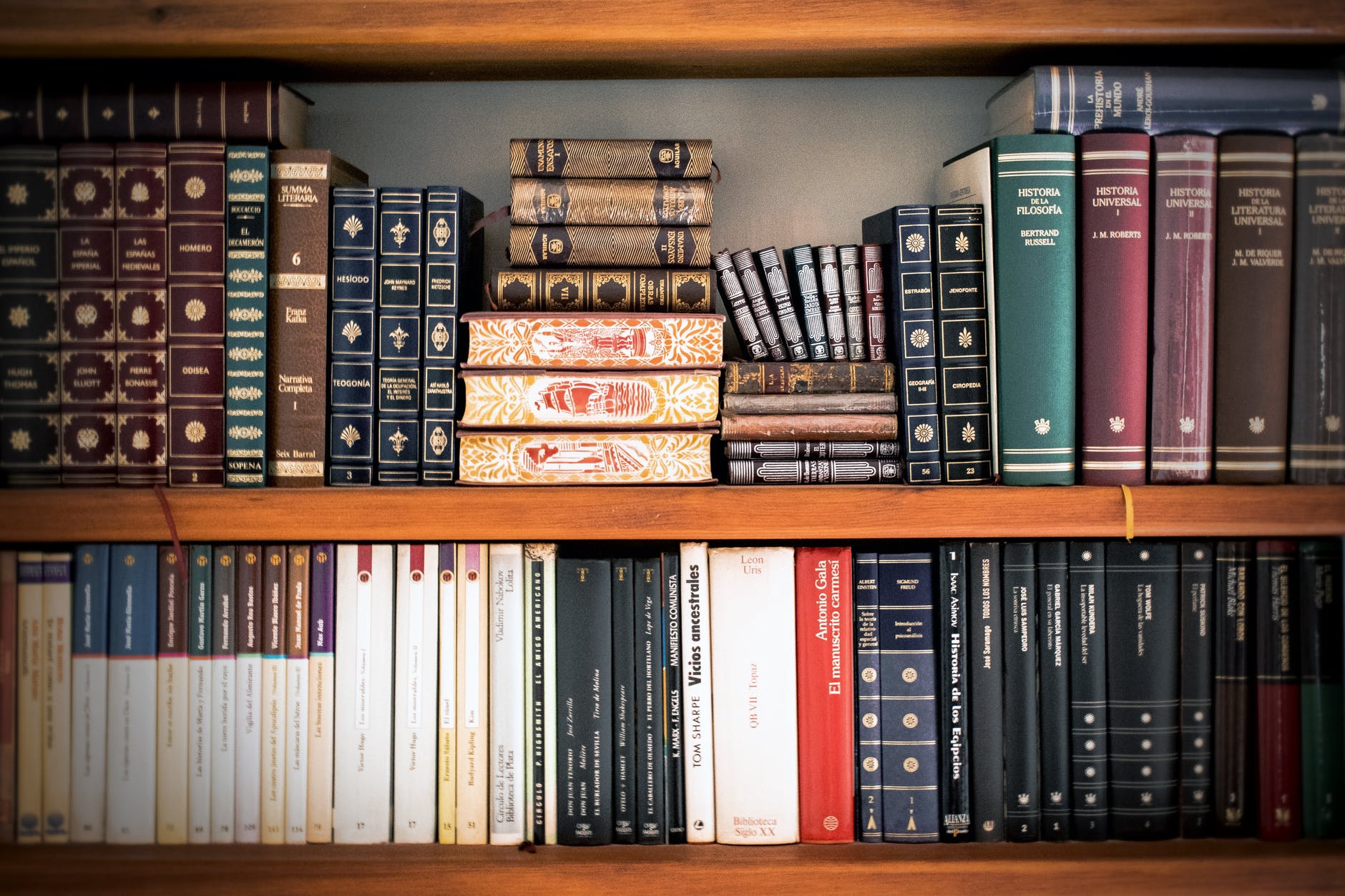
Highly recommended for readers who like to remember forgotten moments in history and for anyone who knows, or would like to learn more about, the power and life-changing reality of public libraries.
Thank you to NetGalley and the publisher for a free digital copy of this book. And thank you for reading.
- The Ballad of a Small Player: a Metaphysical Movie Review
- Otherwhere: A Field Guide to Nonphysical Reality for the Out-Of-Body Traveler by Kurt Leland
- Psychic Dreamwalking: Explorations at the Edge of Self by Michelle Belanger
- Archetypes on the Tree of Life: The Tarot as Pathwork by Madonna Compton
- The Goddess and the Shaman: The Art & Science of Magical Healing by J.A. Kent

 The Help Desk Book Blog