Packed with food-related history, trivia and stories, Michael Pollan attempts to explain how four types of plants have had such a large effect on humanity.
“We automatically think of domestication as something we do to other species, but it makes just as much sense to think of it as something certain plants and animals have done to us, a clever evolutionary strategy for advancing their own interests.”
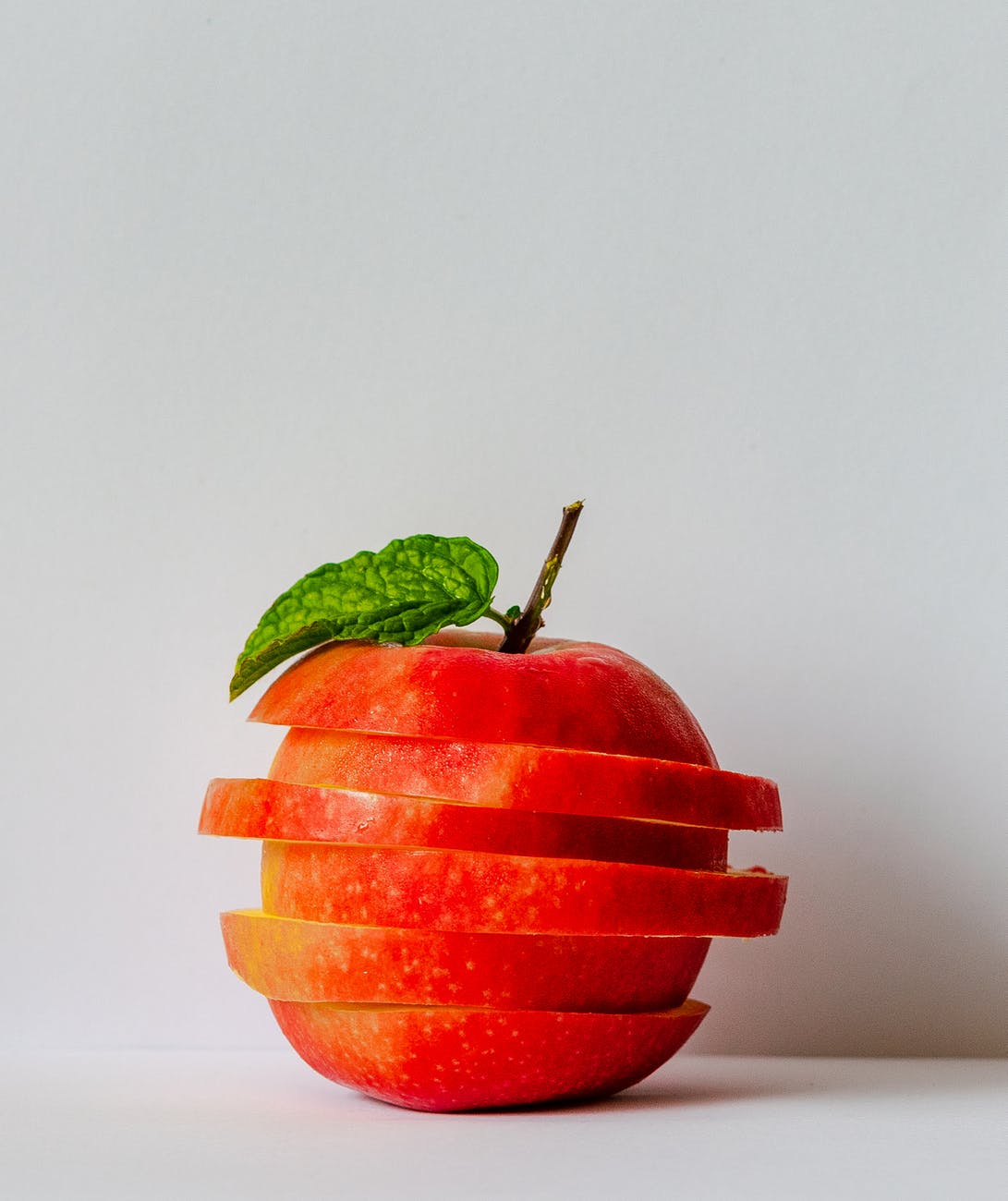
I believe that our lives are intimately intertwined with our environment, even if we can’t quite see how. Pollan removes the veil between apples, tulips, marijuana, potatoes, and mankind in order to illustrate how the plants evolved and what kinds of shenanigans they’ve brought on civilization in the process.
“Our grammar might teach us to divide the world into active subjects and passive objects, but in a coevolutionary relationship every subject is also an object, every object a subject. That’s why it makes just as much sense to think of agriculture as something the grasses did to people as a way to conquer the trees.”
My favorite chapter was about the tulips. Did you know at one point in the Dutch Republic a tulip bulb cost as much as a house? It was called “tulipmania” and it caused enormous havoc in the local economy when the tulip bubble burst.
I also learned about the evolution of flowers, which I didn’t know anything about before reading this. I had only ever considered them from a spiritual perspective — I think it was Eckhart Tolle who talked about flowers being the “spiritual evolution of plants”. It’s rather interesting actually if you’re into that kind of thing.
“But I do wonder if it isn’t significant that our experience of flowers is so deeply drenched in our sense of time. Maybe there’s a good reason we find their fleetingness so piercing, can scarcely look at a flower in bloom without thinking ahead, whether in hope or regret.

Pollan’s writing style wanders no where quickly, so readers who have little patience for storytelling non-fiction may want to choose a different book. I rather liked it.
I think he may have oversimplified the plants and humanity relationship by picking only one motivating desire per plant. Let’s be real, things are never as simple as that. But for the premise of this book, it worked well enough.
Basically, The Botany of Desire encourages readers to consider what plants get from us as much as what we get from them. It’s a different perspective, like looking at your home from the level of a toddler rather than your usual height. There’s things to learn and puzzle out and discover that you may have never even imagined.
Recommended for readers interested in botany and different worldviews. Thanks for reading!
- The Ballad of a Small Player: a Metaphysical Movie Review
- Otherwhere: A Field Guide to Nonphysical Reality for the Out-Of-Body Traveler by Kurt Leland
- Psychic Dreamwalking: Explorations at the Edge of Self by Michelle Belanger
- Archetypes on the Tree of Life: The Tarot as Pathwork by Madonna Compton
- The Goddess and the Shaman: The Art & Science of Magical Healing by J.A. Kent

 The Help Desk Book Blog