Author Elizabeth Letts‘ non-fiction book is about Operation Cowboy, the American protection of the Spanish Riding School and the plight of the Lipizzaner horses during World War II.
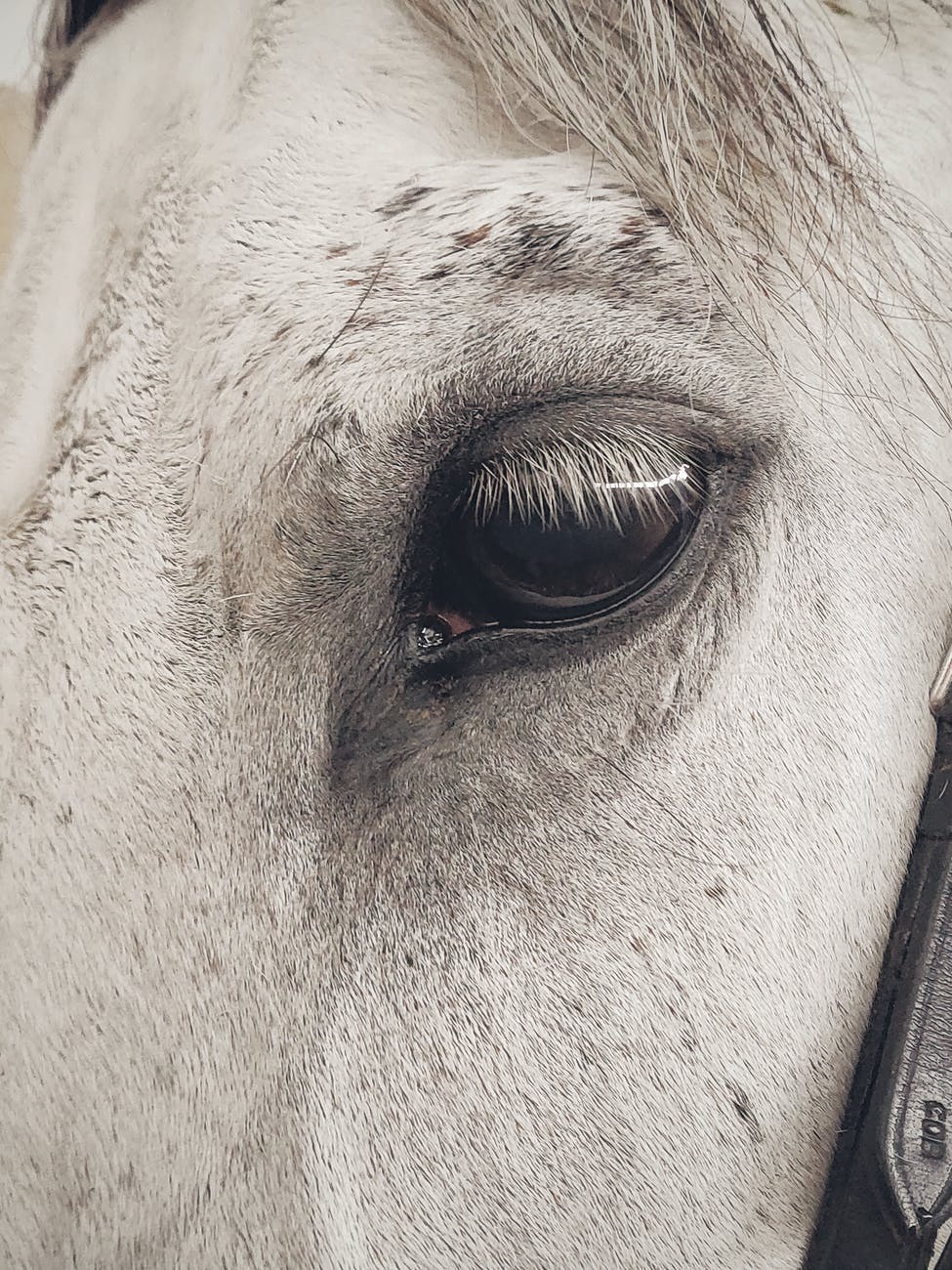
As priceless as any of the masterpieces that hung in Vienna’s museum, from their snow-white coats to their large aristocratic heads and deep brown eyes, the horses were unlike any others in the world.” prologue xvii
There was a precedent for saving irreplaceable works of art during the war, but Colonel Hank Reed‘s effort to save horses was something different. Reed, the most decorated American cavalry officer during WWII, recognized that there was something special about the horses at the Nazi stud farm at Hostau.
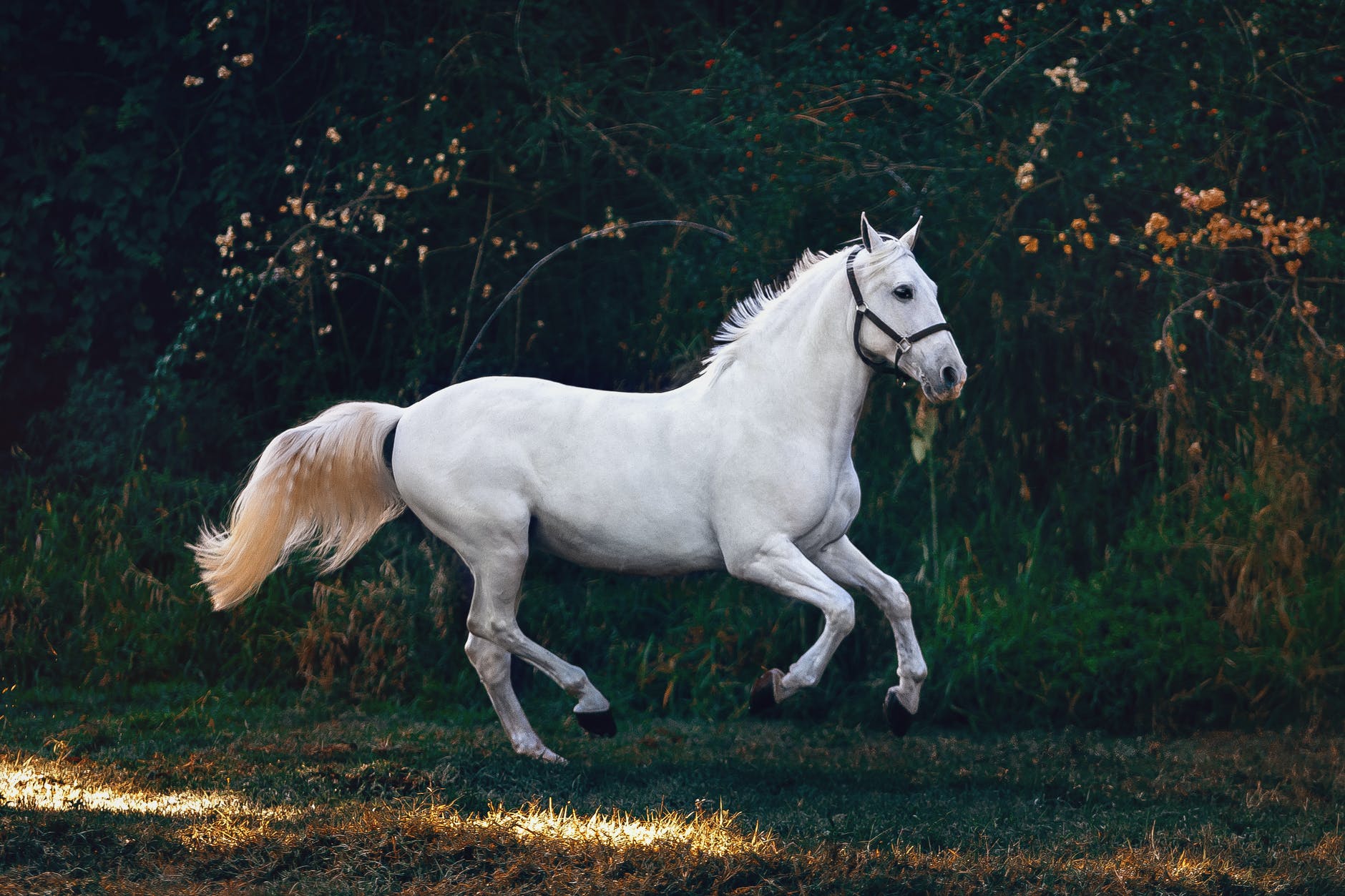
Gustave Rau, the Nazi’s master of horse, was attempting to apply eugenics to his horse breeding program to create “the best warhorse”. He focused on gathering Lipizzaners from all over Europe.
Rau, in his next official report to Berlin, would declare, “There are no high-legged Lipizzaner, there are no flat-ribbed Lipizzaner, there are no bad-tempered Lipizzaner…” Clearly, he was impressed with what he had witnessed in Vienna. pg 87
But it wasn’t just about the breeding program, the Germans needed horses to feed the engines of war.
“The Germans were churning through horses at an astonishing rate — the army demanded six thousand fresh ones per month to replace those killed or lost to disease.” pg 37
I didn’t realize horses had such a large role in WWII. I assumed machines had taken over most of the vital functions horses used to perform like transportation and moving men into battle. I was wrong.
The Perfect Horse doesn’t cover the technical aspects of WWII or talk about the American defense of Hostau. It focuses on the horses though Letts does provide some context and information about the backgrounds of the men involved on both sides of the conflict.
“Politics, prejudice, avarice, and intolerance had riven a brutal divide between the countries of these men; the grace of these horses had already started to knit them back together. The former enemies parted as friends.” pg 149
She follows the horses from their eventual relocation from the war front to the United States and what happened next.
The Perfect Horse is a difficult book to read in that it contains a lot of information and not as much “story,” but for readers interested in history, it may be a good fit.
Thanks for reading!
Here’s the History Guy episode I wrote about Operation Cowboy:
- The Ballad of a Small Player: a Metaphysical Movie Review
- Otherwhere: A Field Guide to Nonphysical Reality for the Out-Of-Body Traveler by Kurt Leland
- Psychic Dreamwalking: Explorations at the Edge of Self by Michelle Belanger
- Archetypes on the Tree of Life: The Tarot as Pathwork by Madonna Compton
- The Goddess and the Shaman: The Art & Science of Magical Healing by J.A. Kent

 The Help Desk Book Blog