John Evangelist Walsh examines the last months of the life of Edgar Allan Poe and puts forth the hypothesis that he did not die of alcohol withdrawal, but something more sinister.
Poe, one of the most celebrated American authors, had a rough life. He was orphaned and adopted at an early age. He spent his life in poverty, scraping enough money from writing and editing jobs to keep himself fed, only to die mysteriously at age 40.
“We regret to learn that Edgar Allan Poe Esq. the distinguished American poet, scholar and critic died yesterday morning after an illness of four or five days. This announcement, coming so sudden and unexpected, will cause poignant regret among all who admire genius and have sympathy for the frailties so often attending it.”pg 34

Walsh packs this book with details about Poe’s life and heartbreaks — that can be verified by historical documentation. After Poe’s untimely death, an author, perhaps more than one, who had been vilified by in Poe’s literary reviews, wrote angry and unflattering obituaries and biographies. It was an effort to black Poe’s name after his death which ultimately failed.
However, this “name blackening campaign” makes it difficult to separate fact from fiction.
Walter Colton, who was one of those who was kind to Poe after his death wrote: “I knew something of Poe. Something of the unfathomed gulfs of darkness out of which the lightning of his genius sent its scorching flashes.” pg 28
Perhaps that’s the lesson to take from Poe’s life, besides his astonishing literary achievements. Genius often seems to walk hand in hand with madness or emotional upheaval. I wonder why this is. Maybe, to touch the heights and depths required to write beautiful poetry, you have to go there? I don’t know.
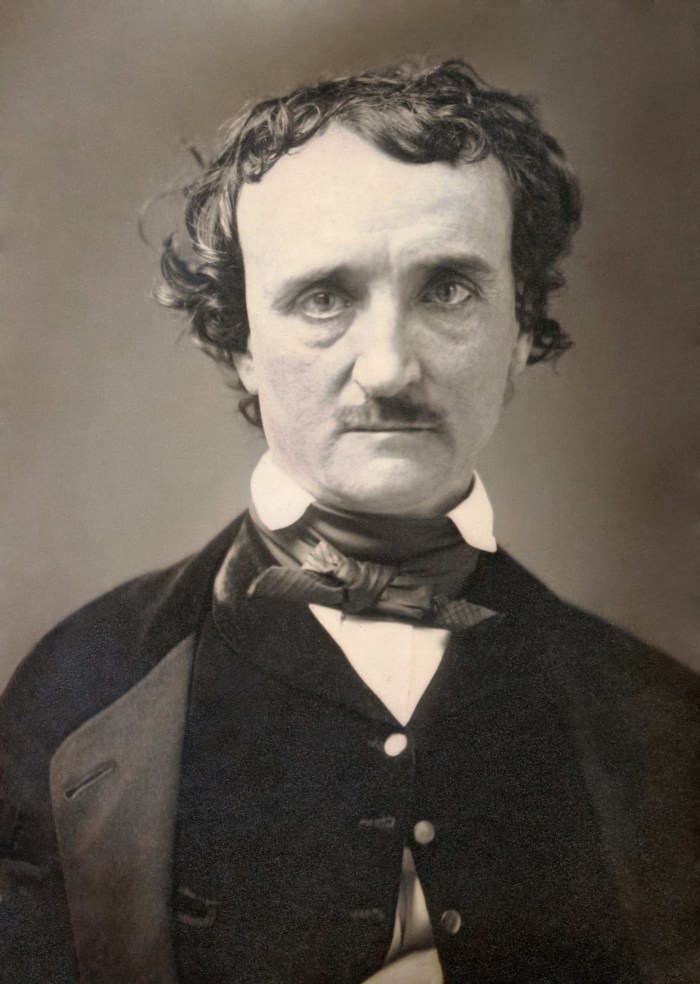
“As always with this type of alcoholism, the unsettling fact was its combined certainty and unpredictability. After long periods of perfect sobriety, he seemed almost bound to fall again, and those who cared about him had to live with that relentless expectation.”introduction, pg xiv
Walsh’s hypothesis about the manner of Poe’s death was not convincing to me, but it gave me another angle to consider.
I had heard Poe may have died from “cooping” which was a practice where a man was kidnapped by a political party, kept drunk and imprisoned until election day, when he would let him free to vote as they directed. This idea holds water because he was found inebriated and ill outside a polling place and in clothing that didn’t seem to belong to him. I had also heard he was a victim of alcohol withdrawal.
Dear Sir, There is a gentleman, rather the worse for wear, at Ryan’s Fourth ward polls, who goes under the cognomen of Edgar A. Poe, and who appears in great distress, and he says he is acquainted with you, and I assure you, he is in need of immediately assistance.” pg 46
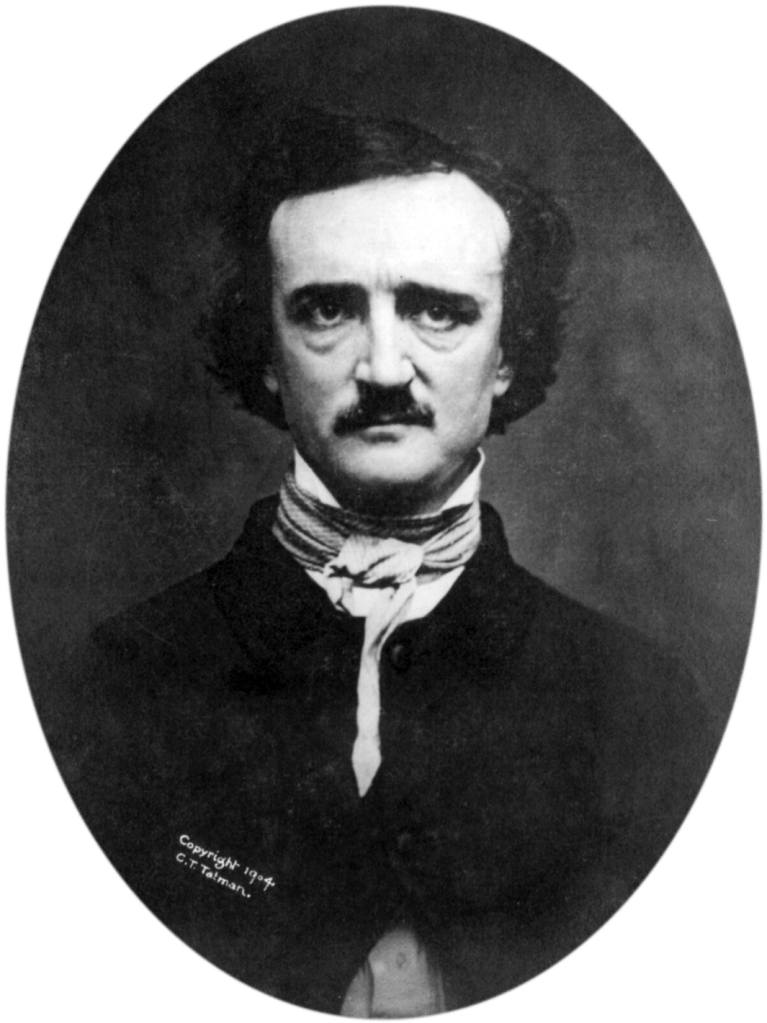
Walsh believes some relatives of one of the women Poe was involved with may have led to his untimely end.
Whatever happened, I can’t help but feel sad for the rest of us. Imagine what he could have accomplished with another 40 years on this earth.
It was many and many a year ago,
In a kingdom by the sea,
That a maiden there lived whom you may know
By the name of Annabel Lee;
And this maiden she lived with no other thought
Than to love and be loved by me.
Recommended for fans of Edgar Allan Poe or readers who enjoy true crime.
Thanks for reading!
Here’s The History Guy episode I wrote about Edgar Allan Poe:
- The Ballad of a Small Player: a Metaphysical Movie Review
- Otherwhere: A Field Guide to Nonphysical Reality for the Out-Of-Body Traveler by Kurt Leland
- Psychic Dreamwalking: Explorations at the Edge of Self by Michelle Belanger
- Archetypes on the Tree of Life: The Tarot as Pathwork by Madonna Compton
- The Goddess and the Shaman: The Art & Science of Magical Healing by J.A. Kent

 The Help Desk Book Blog